
Cygne et canard, avec portraits de Julie — History & Facts
A gentle encounter unfolds on the water’s surface, where the delicate lines of Cygne et canard, avec portraits de Julie by Berthe Morisot invite the viewer into a moment of quiet observation. The eye is first drawn to the swan and duck, their forms softly etched and mirrored in the rippling water, suggesting a fleeting pause in nature. Beside them, the faint, unfinished presence of a young girl—Julie, the artist’s daughter—emerges, her gaze turned toward the birds.
The composition’s sparseness is intentional: the empty spaces and light touch of the print conjure a sense of stillness, as if the scene might dissolve with a breath. Morisot’s hand lingers on the essentials, letting suggestion carry the story where detail falls away. This print belongs to a world where artists, especially women like Berthe Morisot, were carving out new territory in the late nineteenth century. Impressionist circles valued immediacy and intimacy, often capturing domestic life and fleeting moments outdoors; Morisot was renowned for her ability to render the private sphere with both tenderness and clarity.
Such prints were rarely grand commissions—instead, they were personal explorations, sometimes shared among friends or collectors, sometimes kept within the family. The Rijksmuseum’s preservation of this work, despite its obscurity and the absence of a precise date, speaks to the quiet revolution that artists like Morisot achieved. Look closely: the unfinished lines and gentle touch are not absence, but invitation.
More Artworks by Berthe Morisot

The Harbor at Lorient
Berthe Morisot
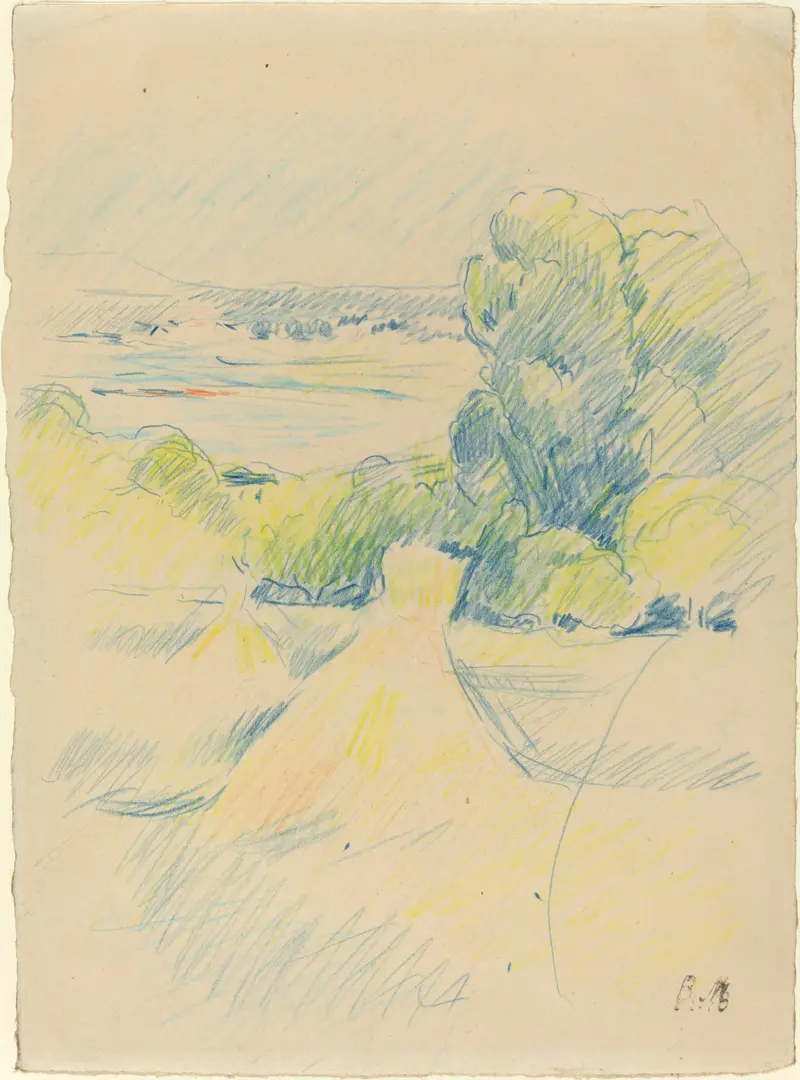
Landscape
Berthe Morisot

Hanging the Laundry out to Dry
Berthe Morisot

Woman in a Garden
Berthe Morisot

Young Girl with Hat
Berthe Morisot
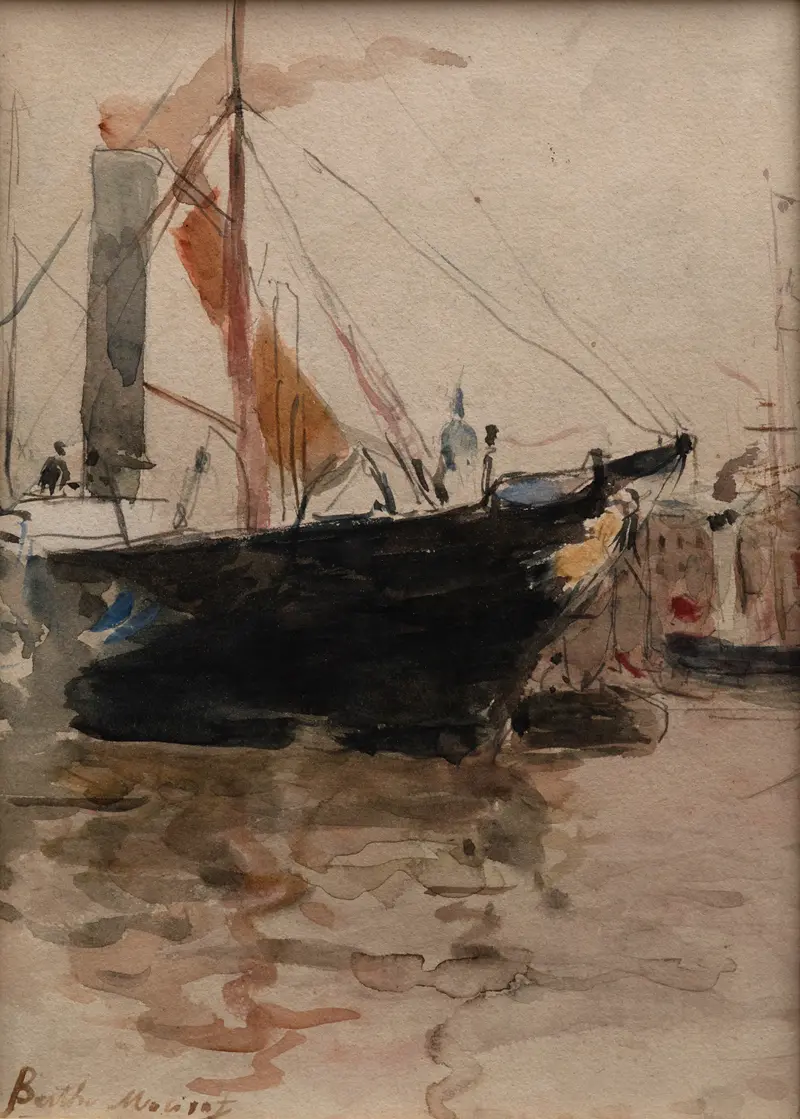
Harbor Scene, Isle of Wight
Berthe Morisot
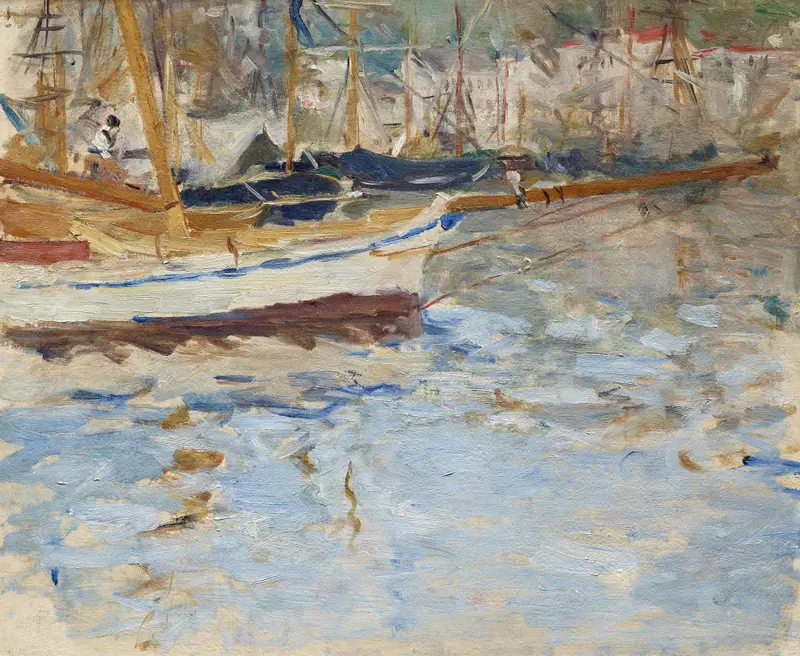
The Port of Nice
Berthe Morisot
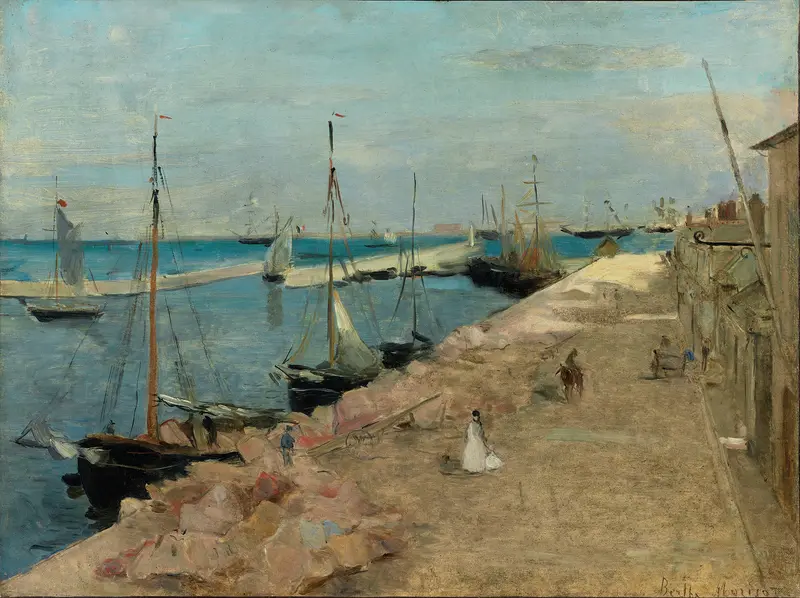
The Harbor at Cherbourg
Berthe Morisot

The Mother and Sister of the Artist
Berthe Morisot
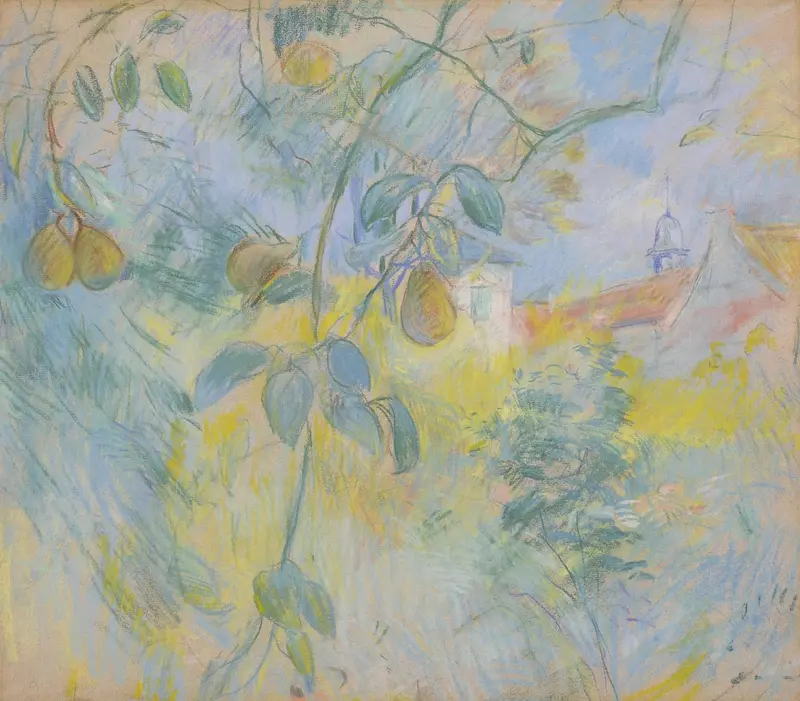
Les Poires
Berthe Morisot





