
Cypresses near Siena — History & Facts
Did the painter know this moment would outlive them? As shadows stretch beneath the cypress trees, a sense of timelessness clings to the air, inviting contemplation of existence and void. Each brushstroke captures not just the landscape but the fleeting nature of life itself, whispering secrets of nature’s resilience and vulnerability. Focus on the dramatic sky, where deep azure hues fade into warm ochres at the horizon, framing the towering cypress trees that command attention. The vertical lines of the cypresses contrast with the softness of the rolling hills, guiding the eye upwards and inviting a sense of upward aspiration.
Notice how the light dances on the foliage, revealing a myriad of greens and ambers, creating a tapestry that feels both harmonious and discordant. The juxtaposition of vibrant color against a serene backdrop evokes a powerful emotional charge. Hidden within the serene landscape are themes of solitude and the inevitable passage of time. The cypress trees, often symbols of mourning and immortality, suggest a connection between life and the void, as they stand sentinel over the earth.
The fluidity of the brushwork reflects the tension between permanence and impermanence, echoing the artist's own existential musings. It invites viewers to ponder what remains after the fleeting moments slip away, as nature continues its relentless cycle. In 1910, while painting this piece, Jabłczyński was immersed in the artistic milieu of Poland, where the influence of post-impressionism began to shape his style. This period marked a significant transition in his life, as he sought to forge a unique identity that resonated with both his surroundings and the broader trends in European art.
The landscape of Siena offered a canvas rich with emotional and aesthetic potential, allowing him to explore the delicate balance between beauty and existential contemplation.
More Artworks by Feliks Jabłczyński
Browse all →
Villa Borgia in Rome
Feliks Jabłczyński

Mariensztat Street in Warsaw
Feliks Jabłczyński
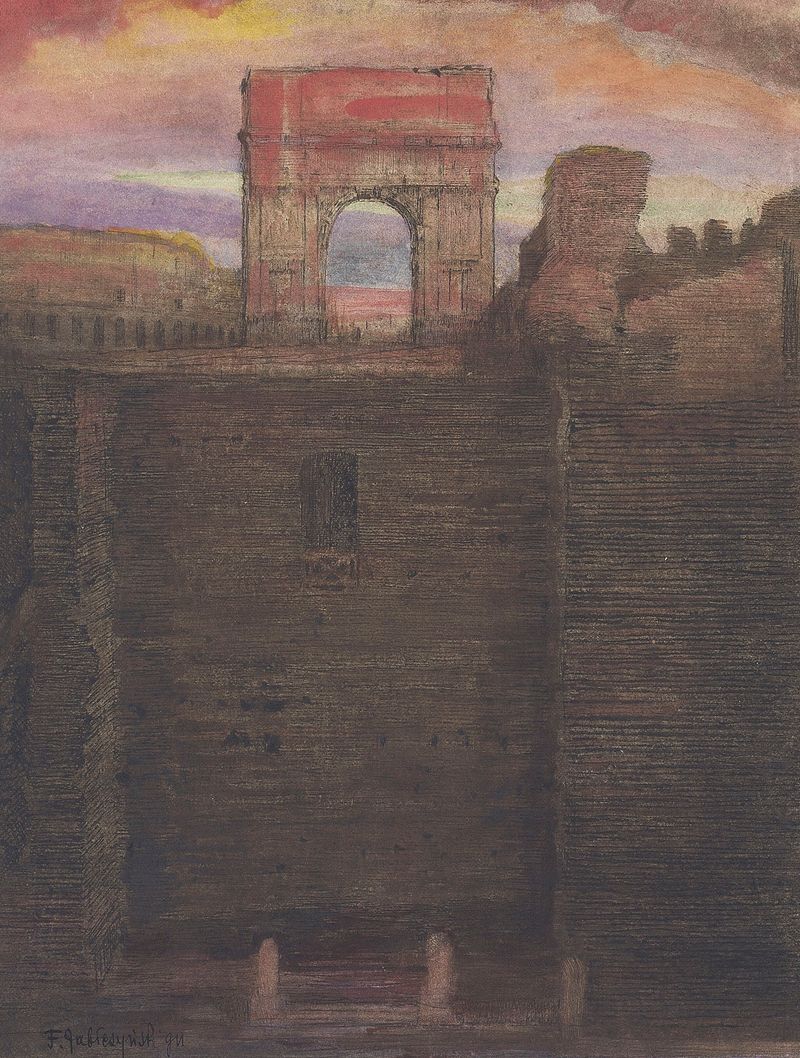
The House of Vestals and the Arch of Titus in the background
Feliks Jabłczyński
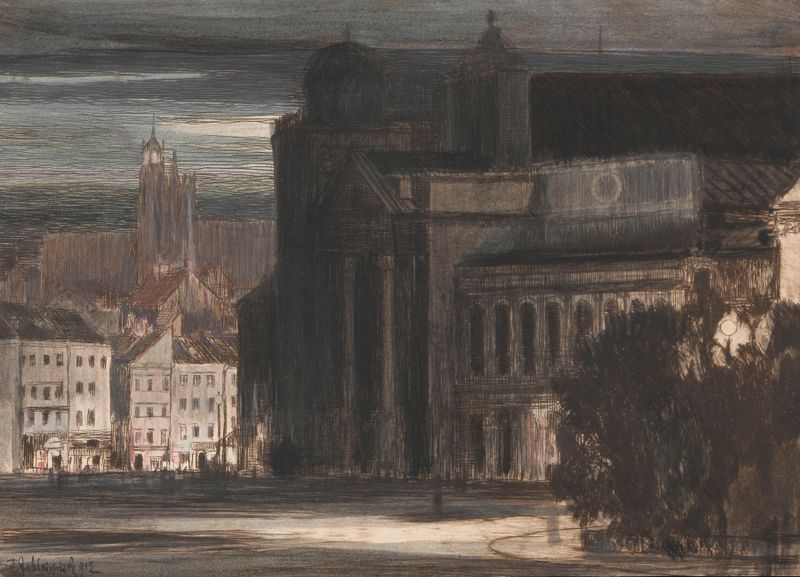
View of the Church of St. Anna and the Castle Square in Warsaw
Feliks Jabłczyński

Kaplica Boimów we Lwowie
Feliks Jabłczyński
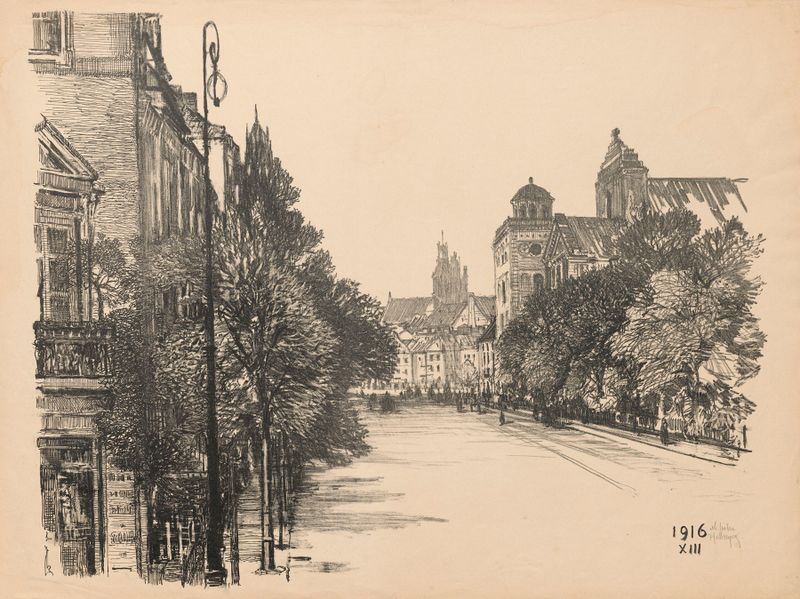
Krakowskie Przedmieście Street
Feliks Jabłczyński
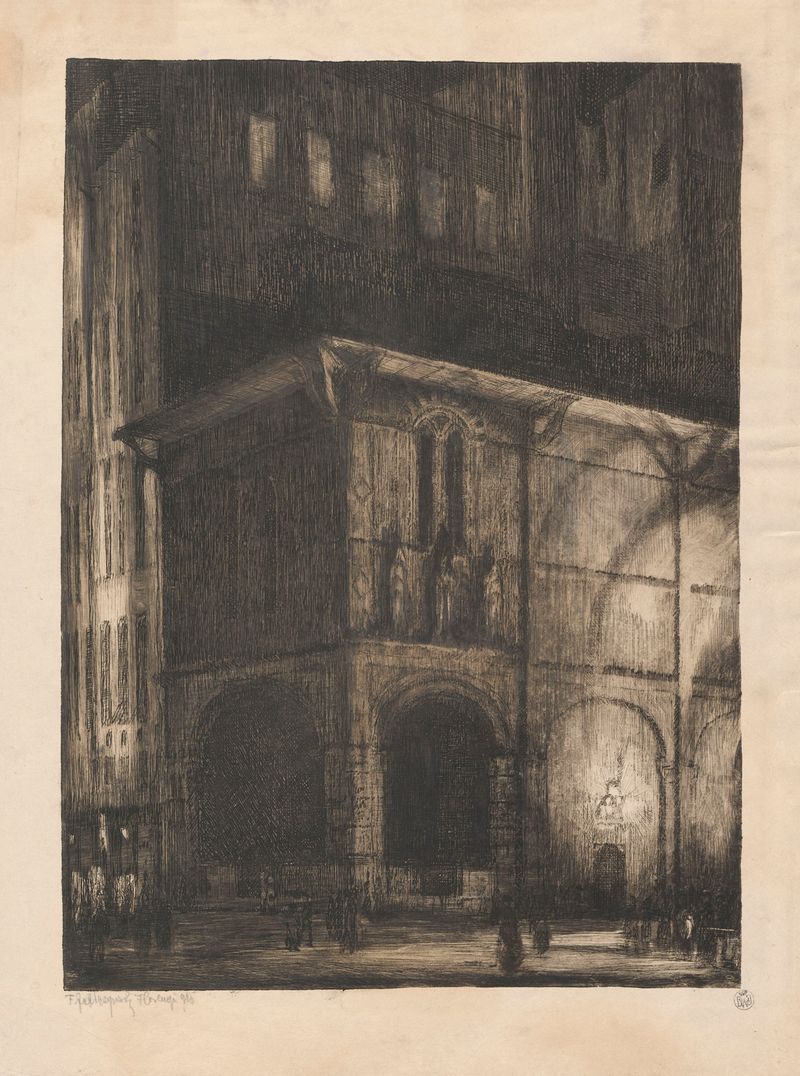
Florence
Feliks Jabłczyński
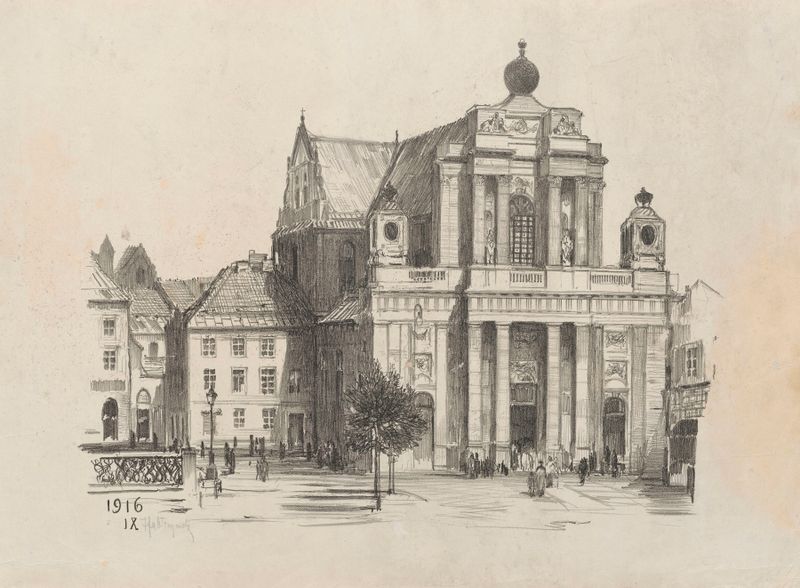
Carmelite Church.
Feliks Jabłczyński

The Visitation Sisters Church
Feliks Jabłczyński
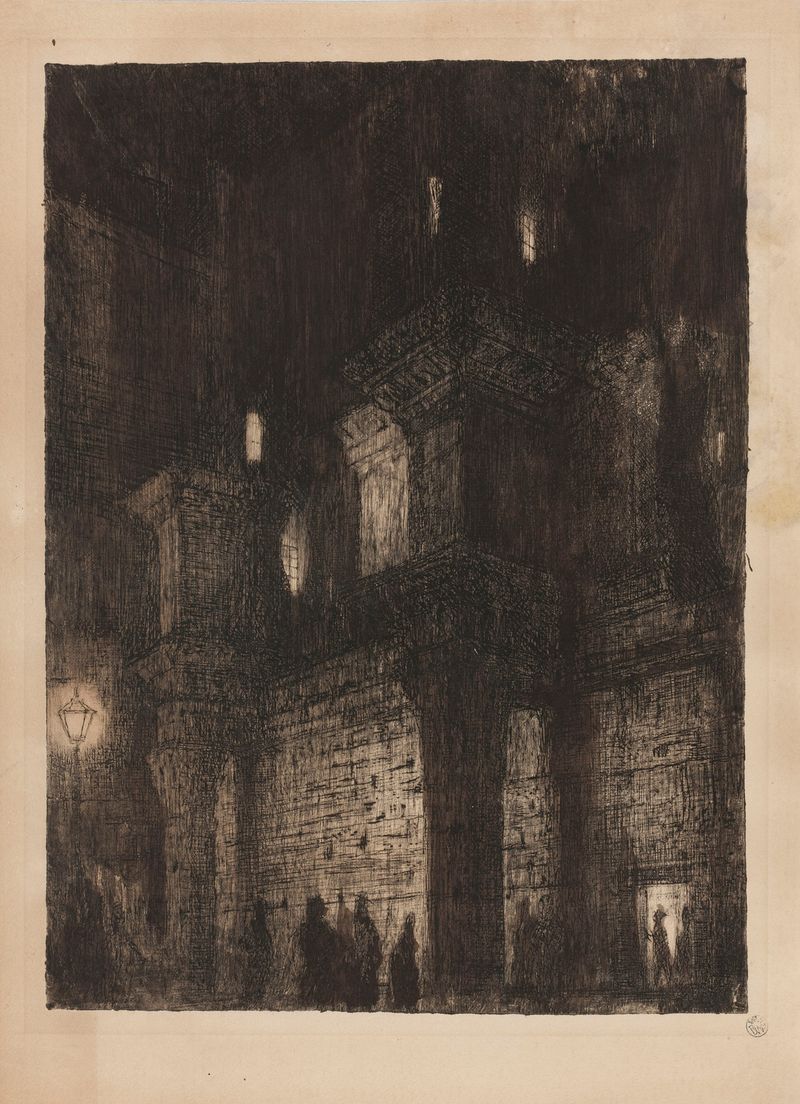
Forum Nervae
Feliks Jabłczyński





