
Dance — History & Facts
A sweep of color and movement pulls the viewer into the heart of Dance, where figures seem to hover between the material and the dreamlike. The eye is caught first by the bold red arc of a dress, swirling at the right, a flash of energy against the softer, ghostly shapes that gather and dissolve across the canvas. The dancers are barely anchored to the ground, their forms melting into one another, suggesting both the intimacy and the fleeting nature of the moment.
The brushwork is loose, almost impatient, as if the artist is more interested in the memory of the dance than in its precise choreography. Cool blues and greens set a tranquil stage, but the composition is alive with the suggestion of music and motion, each figure a note in a larger, unseen rhythm. Painted between 1909 and 1911, this work belongs to a world in transition, when artists like Edvard Munch were breaking away from strict realism to capture the emotional undercurrents of modern life. At the dawn of the twentieth century, such paintings were rarely made for grand salons or aristocratic patrons; instead, they spoke to a growing fascination with the inner life and the fleeting sensations of the everyday.
The Munch Museum now holds this piece, a testament to the artist’s restless search for new ways to express longing, joy, and the passage of time. Look again at the blurred faces and dissolving bodies—here, the dance becomes a metaphor for the uncertainty and beauty of existence itself.
More Artworks by Edvard Munch

The Scream
Edvard Munch

The Scream (1910 version)
Edvard Munch

Despair
Edvard Munch

The Day After
Edvard Munch
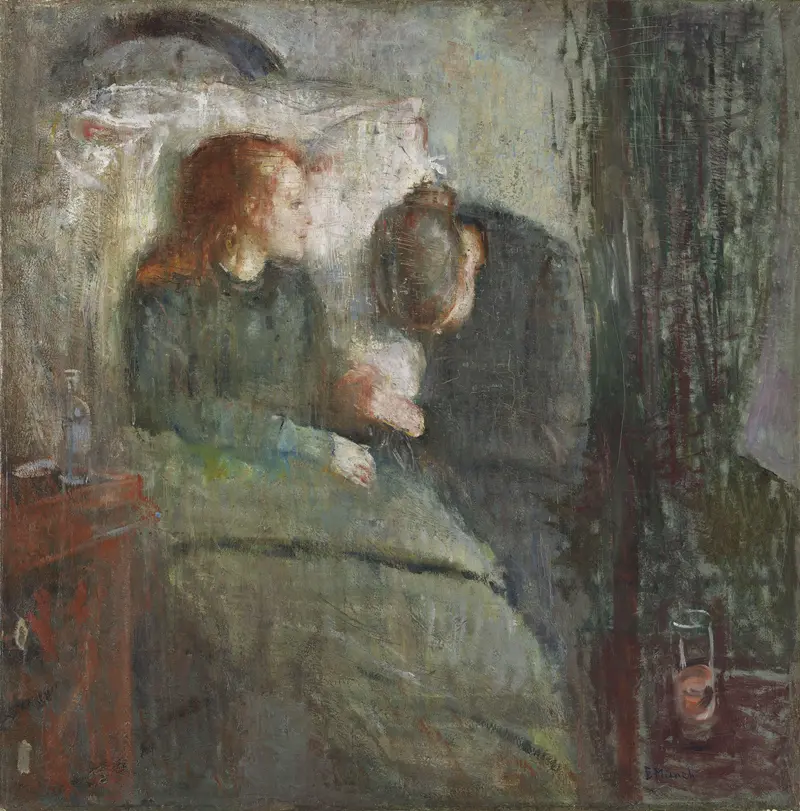
The Sick Child
Edvard Munch
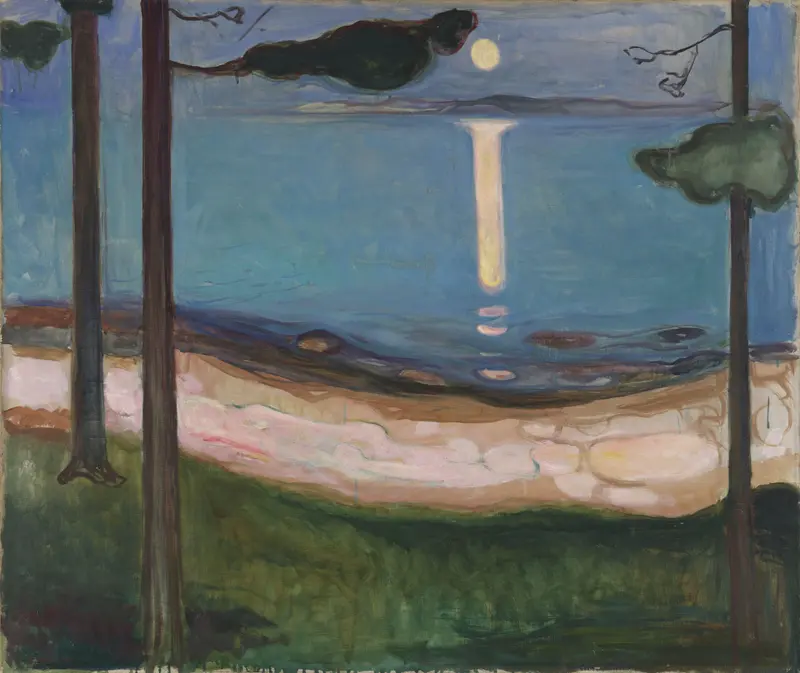
Moonlight
Edvard Munch
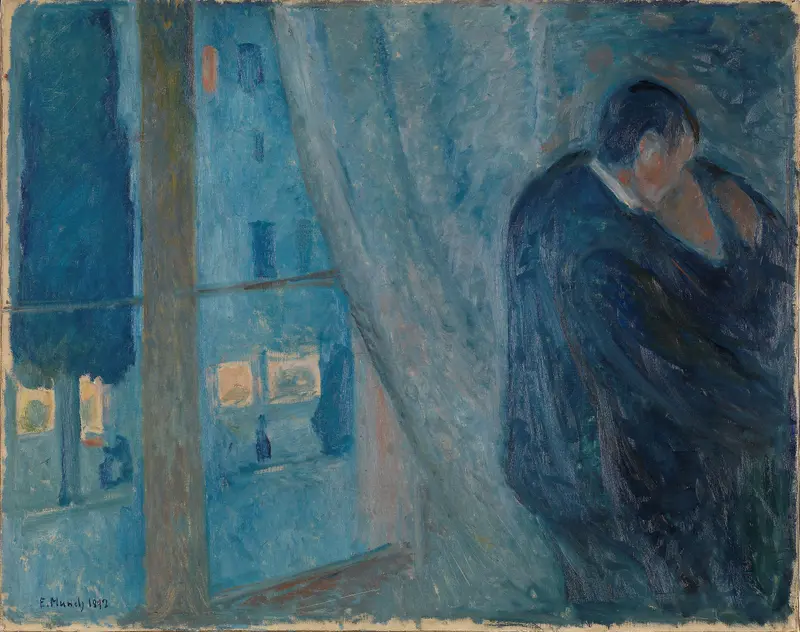
The Kiss
Edvard Munch
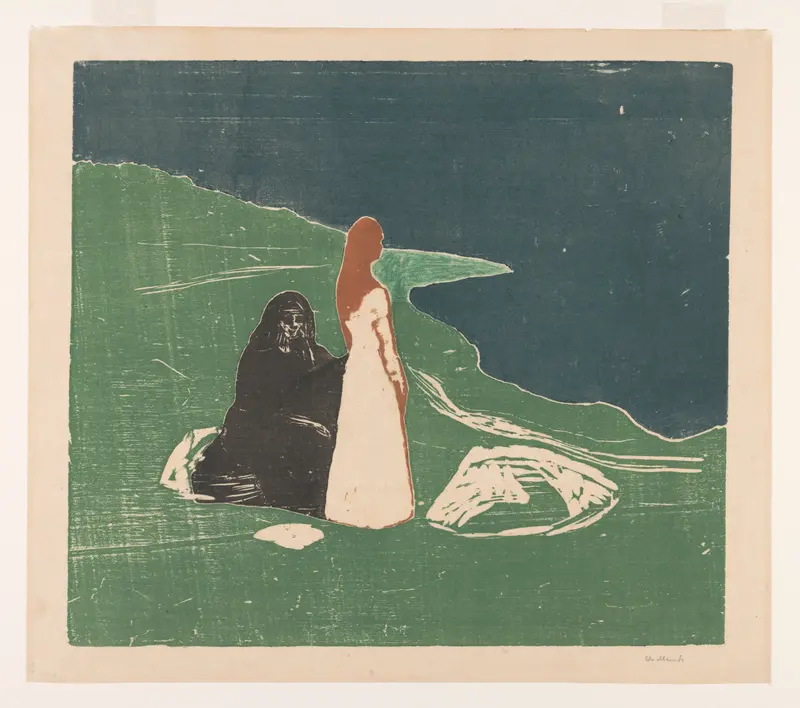
Two Women on the Shore
Edvard Munch
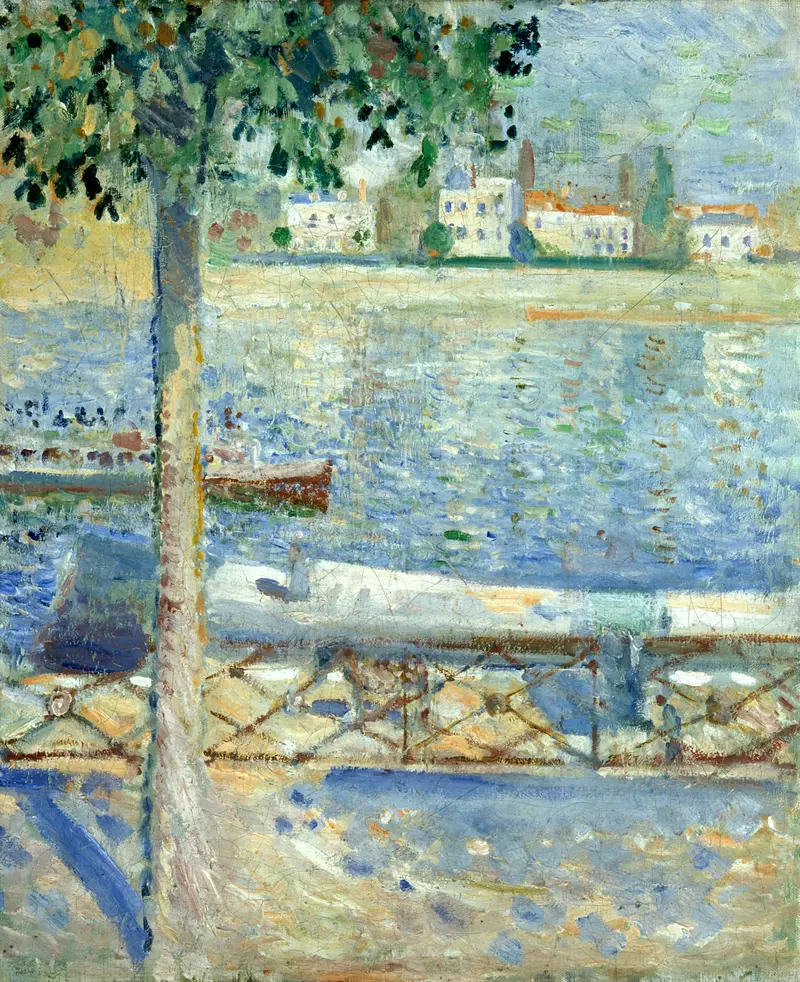
The Seine At Saint-Cloud
Edvard Munch
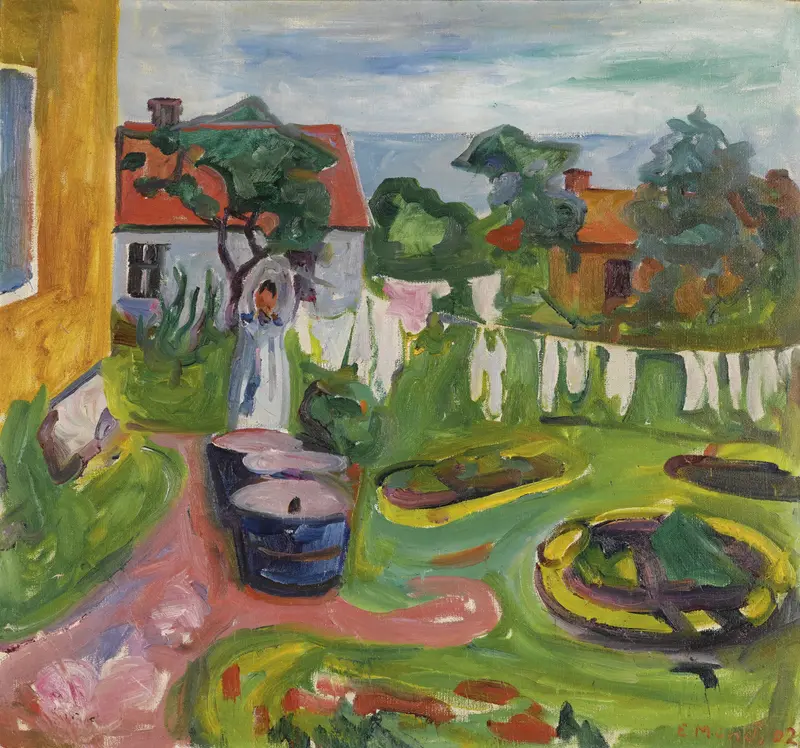
Klestørk I Åsgårdstrand (Clothes On A Line In Åsgårdstrand)
Edvard Munch



