
Dance of Bulgarian Peasants — History & Facts
Could beauty survive in a century of chaos? In Luigi Mayer's Dance of Bulgarian Peasants, transformation unfolds before our eyes, revealing the resilience of culture against the backdrop of tumultuous times. Focus first on the vibrant circle of figures, their arms raised in joyous celebration. The rich hues of their traditional garments pop against the muted earth tones of the landscape. Notice how the light dances across their faces, illuminating expressions of sheer elation that invites you into their communal moment.
The composition is masterfully balanced, drawing the viewer’s gaze inward to the heart of the dance, where the energy radiates and pulses like a heartbeat. Yet, beneath this spirited surface lies a deeper commentary. The juxtaposition of the peasants' joyful dance against the stark, sparse landscape hints at the struggle for identity and belonging amidst societal upheaval. Each figure, while unified in movement, possesses unique details in their attire, symbolizing individuality within the collective.
The transformation of their environment, from starkness to vibrancy, reflects a longing for cultural continuity and the hope that beauty can emerge from hardship. Luigi Mayer painted this work in 1810, during a period marked by significant political turmoil in Europe, including the Napoleonic Wars. At this time, Mayer was deeply engaged in capturing the essence of various cultures, influenced by his travels and the Romantic ideals that were gaining momentum in the art world. His focus on the everyday life of ordinary people was not merely an artistic choice but a response to the historical events that shaped the lives of those around him.
More Artworks by Luigi Mayer
Browse all →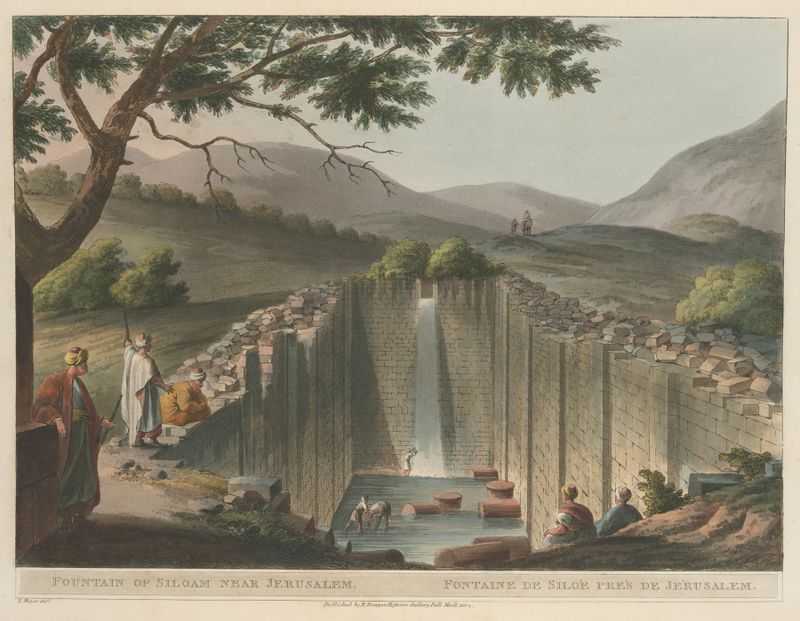
Fountain of Siloam Near Jerusalem
Luigi Mayer

View of the Dardanelles
Luigi Mayer
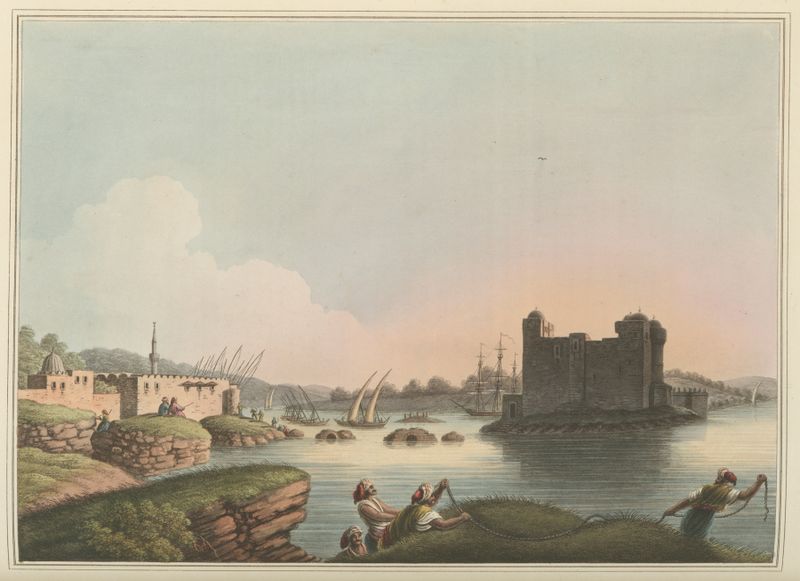
Port of Latachia
Luigi Mayer

Stadium at Ephesus
Luigi Mayer

Ancient Temples at Agrigentum
Luigi Mayer
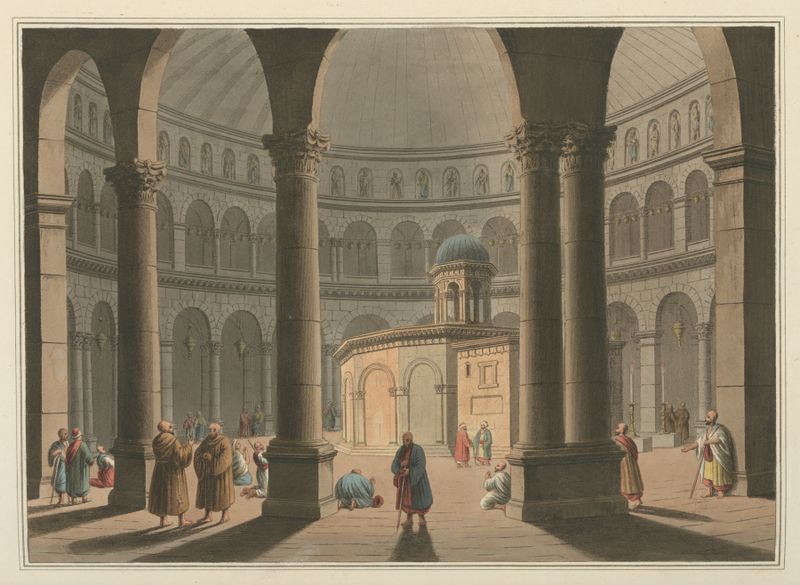
Church of the Holy Sepulchre
Luigi Mayer
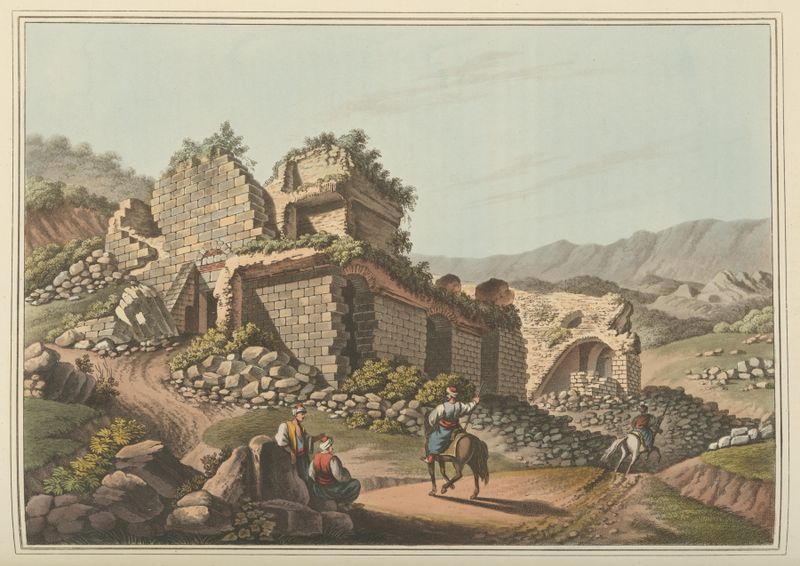
Theatre at Ephesus
Luigi Mayer
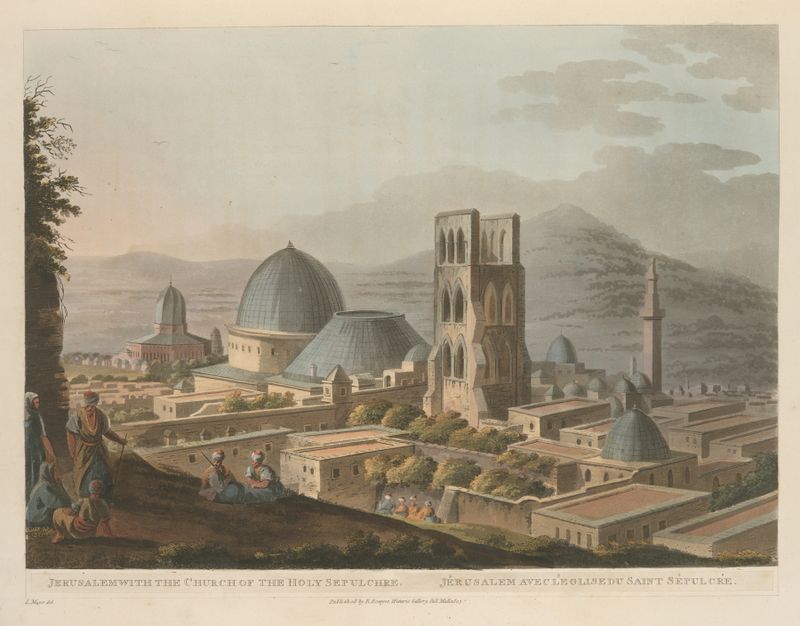
Jerusalem with the Church of the Holy Sepulchre
Luigi Mayer
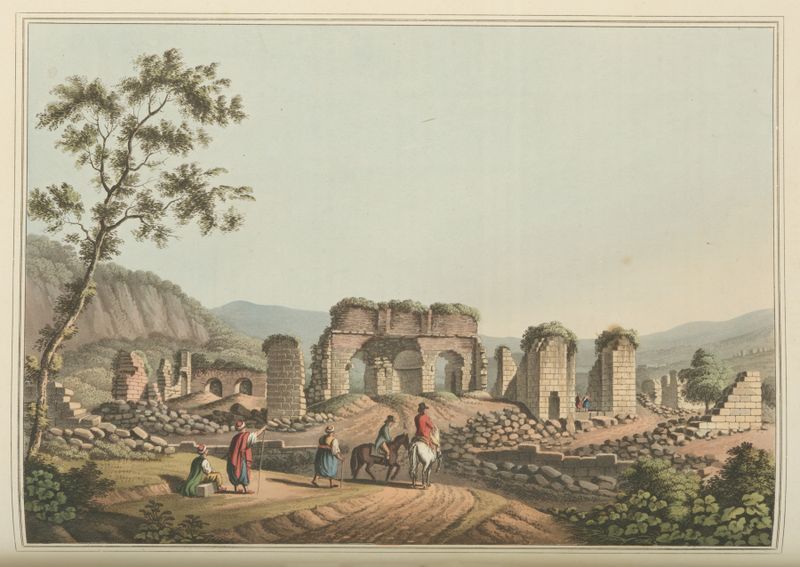
Ruins of the Temple of Diana at Ephesus
Luigi Mayer

Crater in the Island of Volcano
Luigi Mayer





