
Dancing Beggars — History & Facts
A ragged procession surges forward in an uneasy rhythm, their bodies twisted in motion, their faces caught between laughter and grimace. Dancing Beggars by Adriaen Pietersz van de Venne draws the viewer into a world where misery and festivity collide. The muddy, almost monochrome palette and the sweeping brushwork create a sense of swirling chaos, as if the figures themselves are being swept along by forces beyond their control.
Limbs jut at odd angles, some supported by crutches, others thrown wide in a mockery of dance, while the light catches on the glint of an eye or the edge of a tattered sleeve. There is no clear leader; instead, the group moves as a single, restless organism, each figure both isolated and inseparable from the mass. Painted in 1635, this work belongs to a Dutch tradition fascinated by the margins of society, where beggars, fools, and outcasts became vehicles for both satire and sympathy. In the early seventeenth century, artists like van de Venne responded to a world in flux: the Dutch Republic was prosperous, yet its streets teemed with the poor and displaced.
Such paintings were collected by the urban elite, who saw in them both a warning and a source of dark amusement. Today, Dancing Beggars is held in the Mauritshuis, a reminder that the boundaries between celebration and desperation are never as clear as they seem—look closely, and the dance continues.
More Artworks by Adriaen Pietersz van de Venne
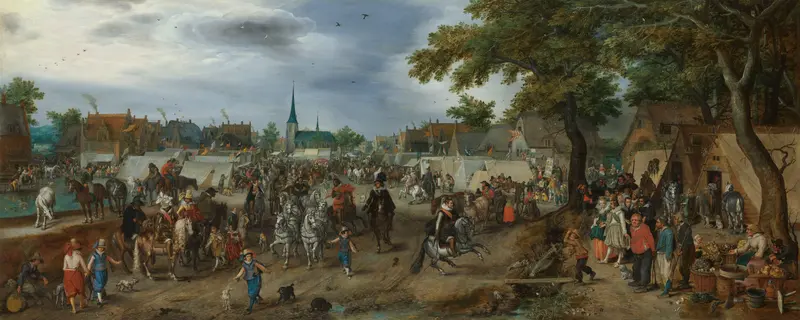
Princes Maurice and Frederick Henry at the Valkenburg Horse Fair
Adriaen Pietersz van de Venne
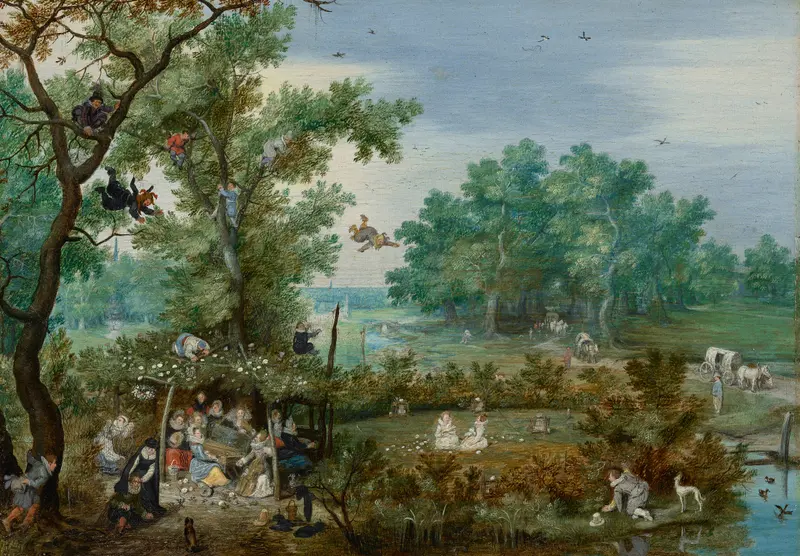
Merry Company in an Arbor
Adriaen Pietersz van de Venne
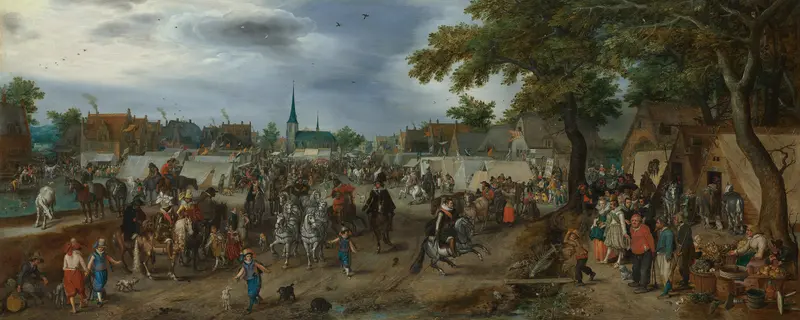
Princes Maurice and Frederick Henry at the Valkenburg Horse Fair
Adriaen Pietersz van de Venne
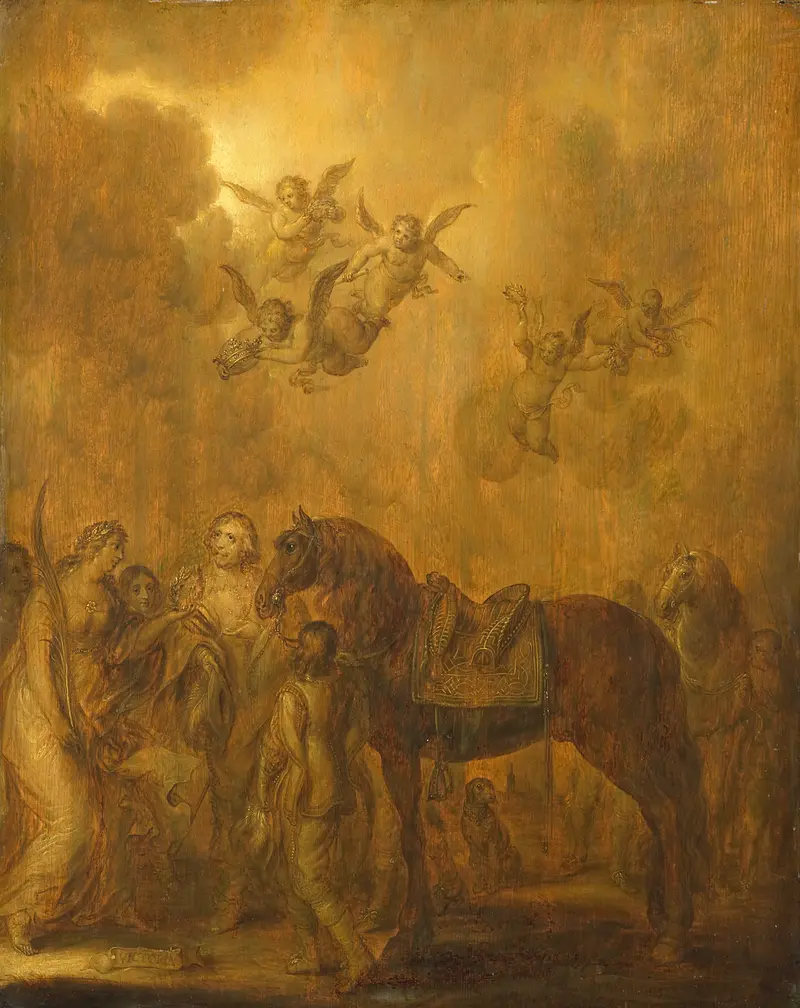
Allegory of the Stadtholdership of Prince Frederick Henry
Adriaen Pietersz van de Venne
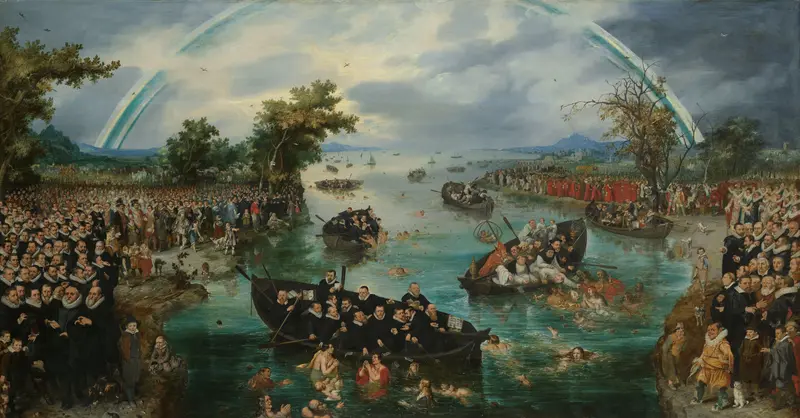
Fishing for Souls
Adriaen Pietersz van de Venne
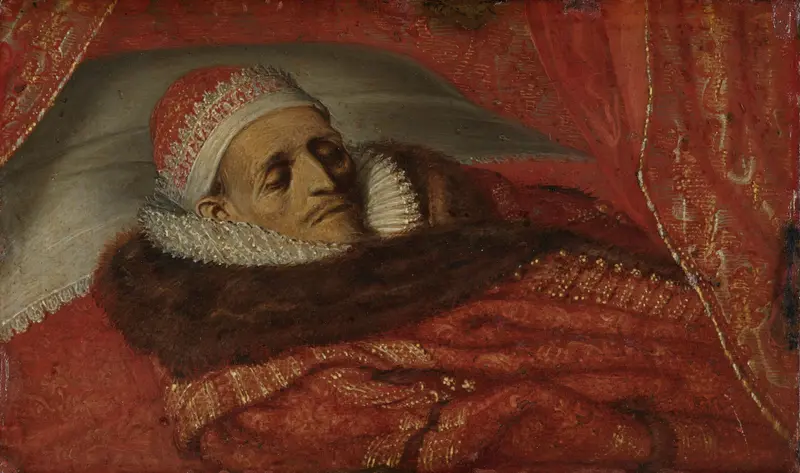
Stadtholder Prince Maurice Lying in State
Adriaen Pietersz van de Venne
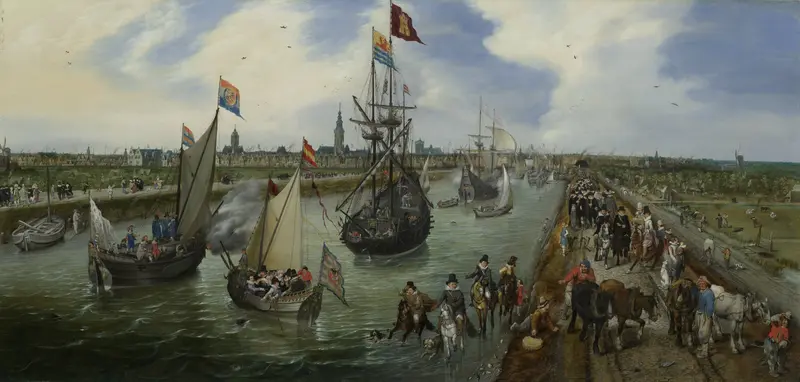
The Departure of a Dignitary from Middelburg
Adriaen Pietersz van de Venne
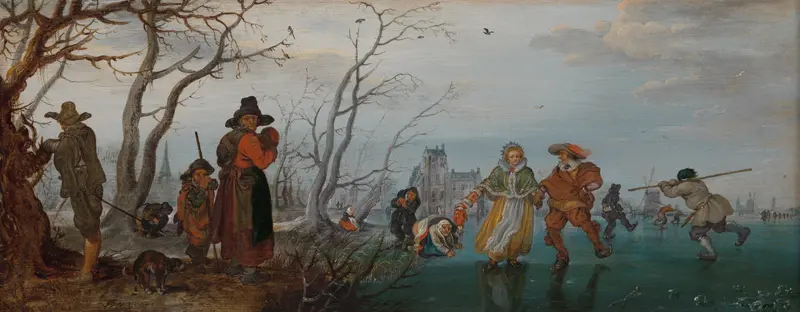
Winter
Adriaen Pietersz van de Venne

A Jeu de Paume Before a Country Palace
Adriaen Pietersz van de Venne
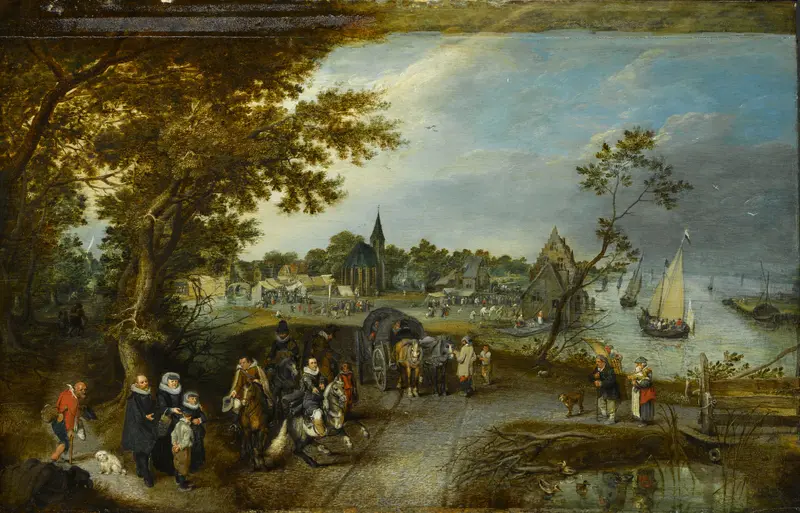
Landscape with Figures and a Village Fair (Village Kermesse)
Adriaen Pietersz van de Venne
More Genre Scene Art

Banquet of the Officers of the St George Civic Guard
Frans Hals

Rembrandt and Saskia in the Scene of the Prodigal Son
Rembrandt van Rijn

Bal du moulin de la Galette
Pierre-Auguste Renoir

Quadrille at the Moulin Rouge
Henri de Toulouse-Lautrec

A Burial at Ornans
Gustave Courbet

When Will You Marry?
Paul Gauguin