
Dansende boeren voor een herberg — History & Facts
Could beauty survive in a century of chaos? The 17th century, marked by upheaval and conflict, seems a distant echo in Dansende boeren voor een herberg. Yet, within its delicate lines and vivid scenes, the longing for serenity whispers through the ages. Look to the center of the composition, where jovial figures intertwine in a spirited dance, their bodies captured in a rhythmic flow. The warm, earthy tones of their clothing contrast with the cool hues of the tavern's façade, grounding the movement in the rustic charm of country life.
Notice how the light spills from the tavern, illuminating their faces with joy, while shadows linger at the edges, hinting at the unknown struggles beyond this moment. Hollar’s mastery in etching brings a texture that breathes life into the scene, inviting the viewer to linger in the simplicity of rural revelry. Yet beneath the surface lies a poignant tension. The figures dance in a world that teeters on the brink of turmoil, their laughter a fragile response to the chaotic backdrop of the Thirty Years' War.
Each joyful gesture masks a deeper yearning for freedom, a longing for harmony amidst discord. The tavern, often a sanctuary for weary souls, stands as both a refuge and a reminder of the fragility of happiness during troubled times. The intricate details of the etching carry a narrative of resilience, as if the artist asks us to consider how moments of joy endure even in darkness. Wenceslaus Hollar created this piece in 1649, during his time in the Netherlands, a period where he explored the interplay of light and shadow in his work.
The devastating impacts of the war were pervasive, shaping his artistic vision. This etching reflects Hollar's unique ability to encapsulate the spirit of his era, intertwining beauty and longing in a world yearning for peace.
More Artworks by Wenceslaus Hollar
Browse all →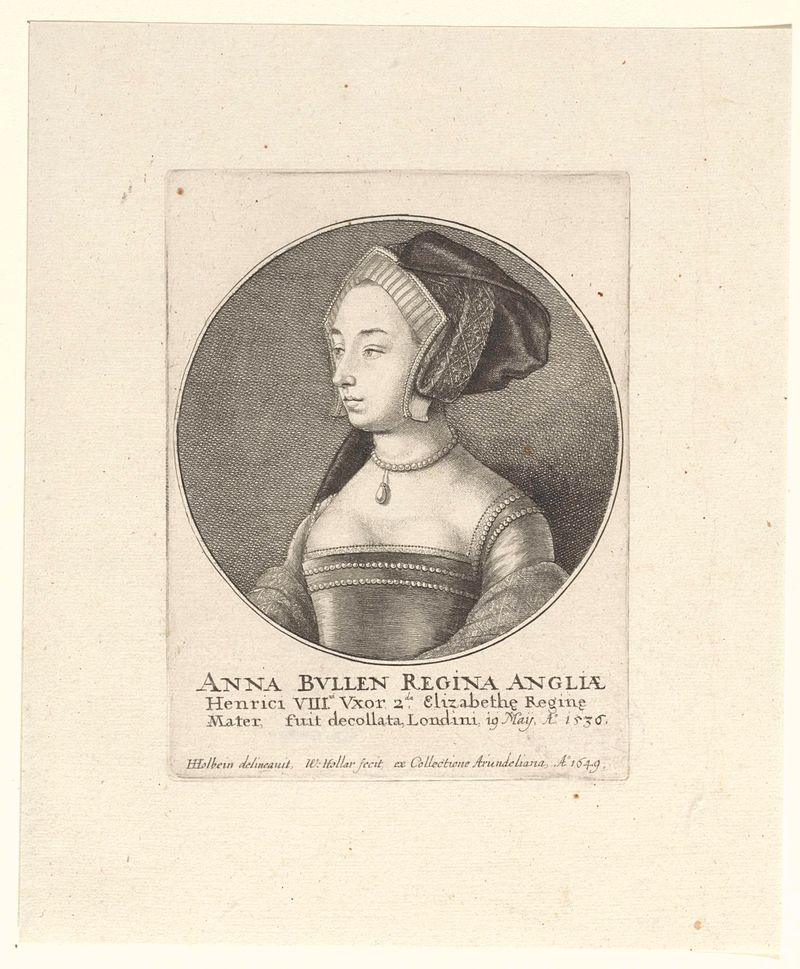
Portret van Anna Boleyn, koningin van Engeland
Wenceslaus Hollar
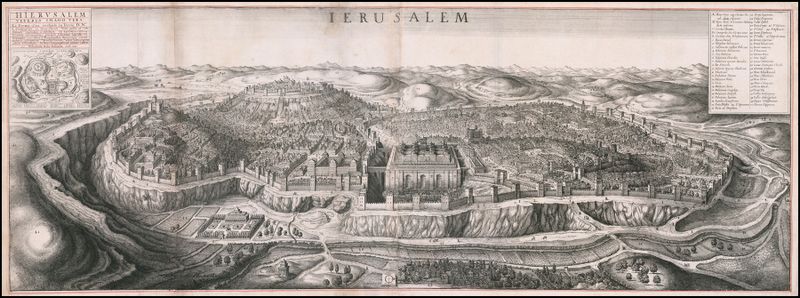
Bird’s eye view of Jerusalem
Wenceslaus Hollar
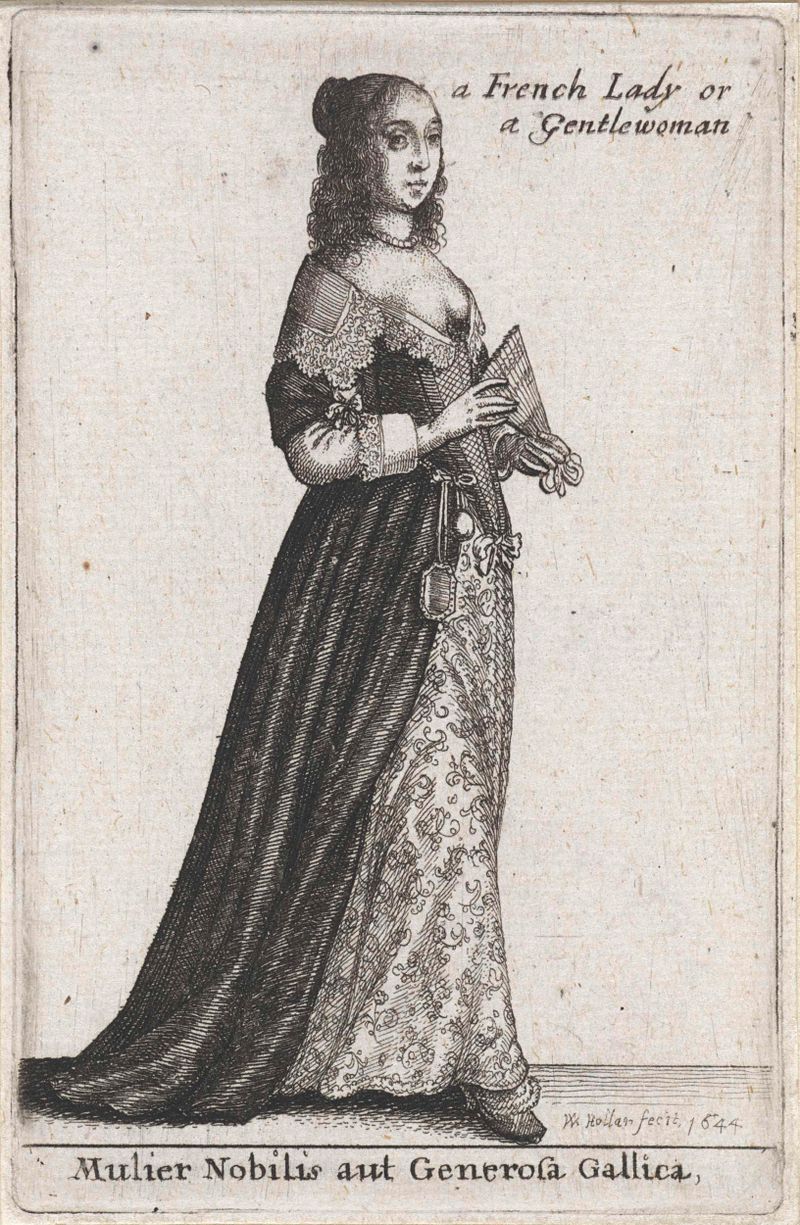
Mulier Nobilis aut Generosa Gallica / a French Lady or Gentlewoman
Wenceslaus Hollar
Titelprent voor: Ornatus Muliebris Anglicanus
Wenceslaus Hollar
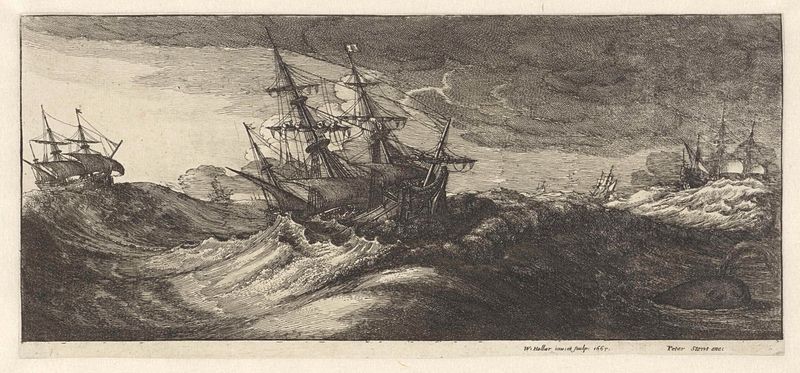
Oorlogsschepen en een walvis in een zeestorm
Wenceslaus Hollar
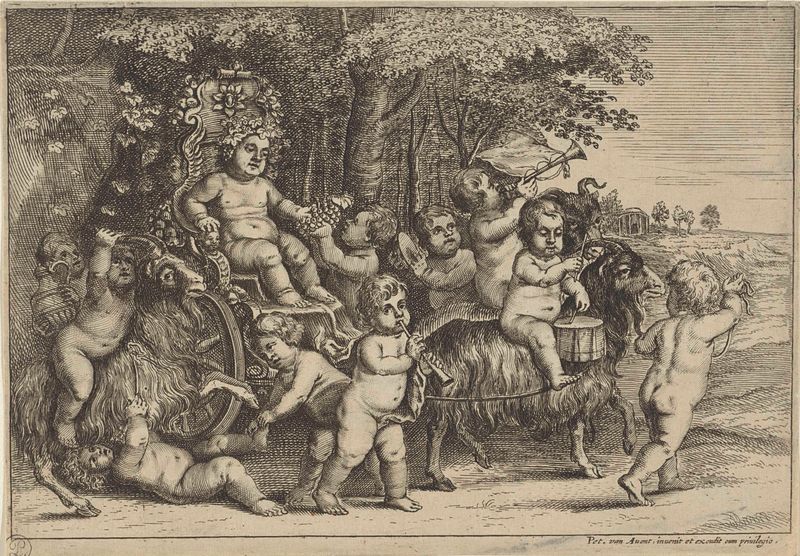
Optocht van bacchant en jongetjes op geiten
Wenceslaus Hollar
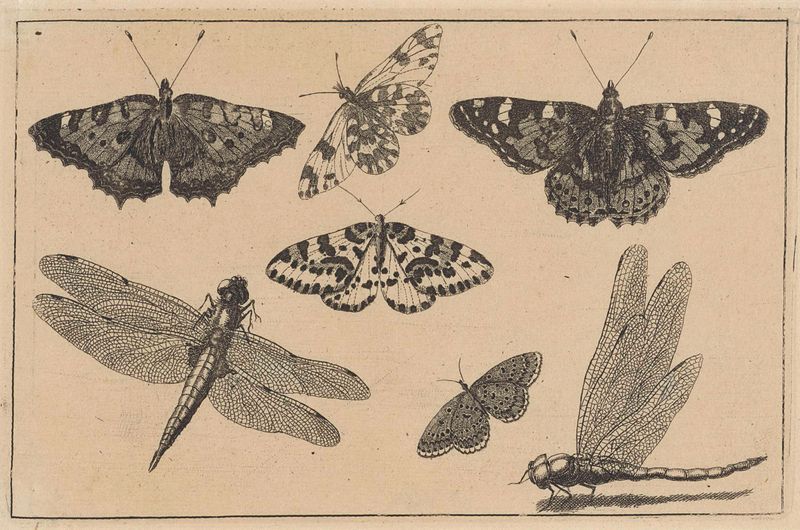
Twee libellen en vijf vlinders
Wenceslaus Hollar
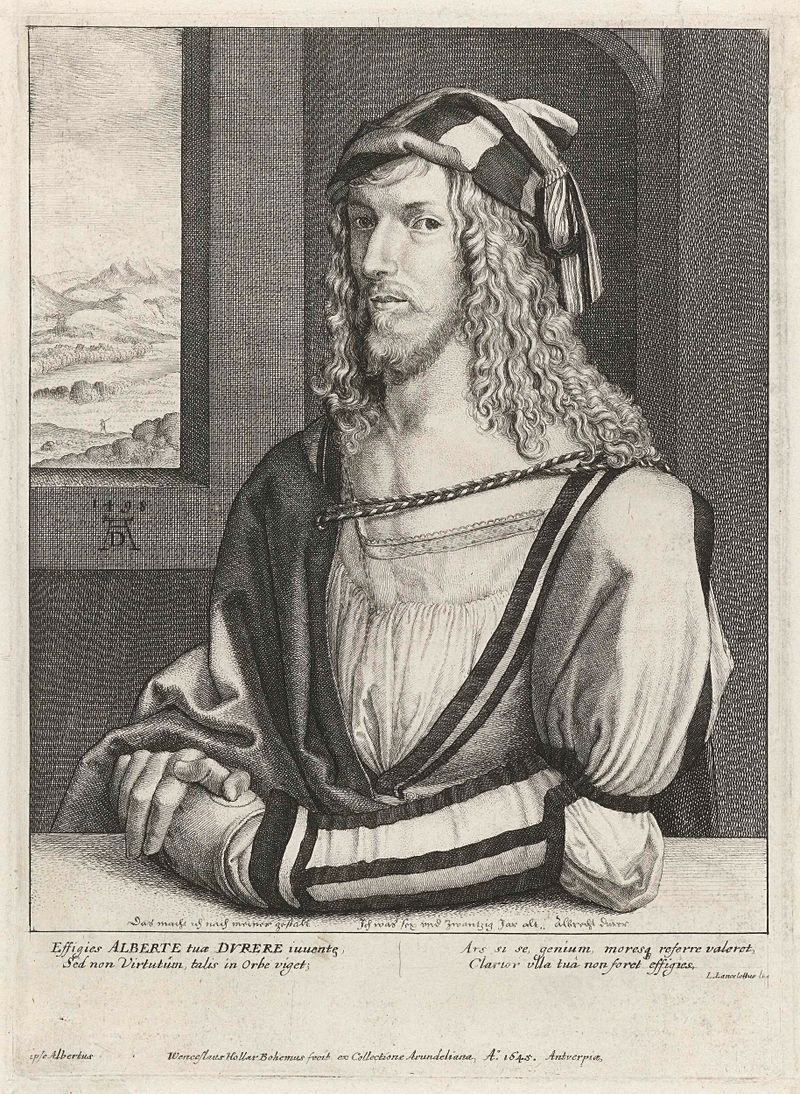
Portret van Albrecht Dürer
Wenceslaus Hollar
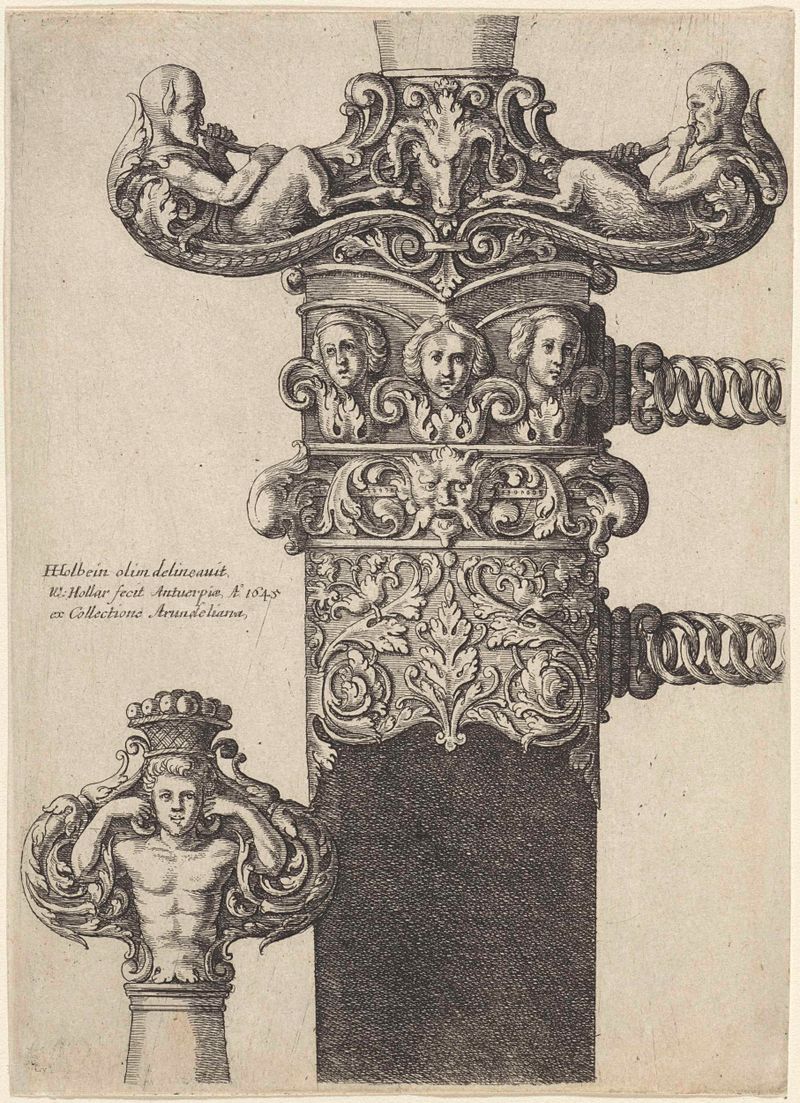
Ornamenteel ontwerp voor een dolk
Wenceslaus Hollar
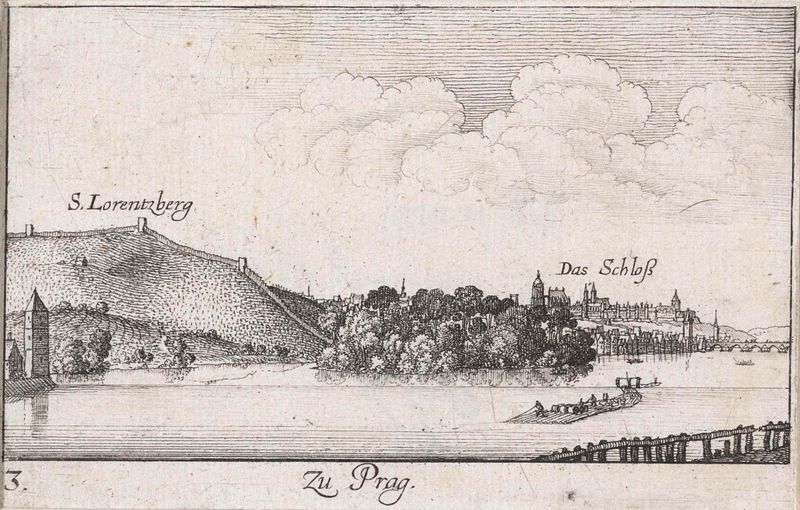
Gezicht op Praag vanaf de Moldau
Wenceslaus Hollar





