
Das Meer — History & Facts
What if beauty was never meant to be finished? The moment captured in Das Meer echoes with the whispers of time, inviting us to ponder the ever-changing nature of both the sea and the human experience. Focus on the tumultuous waves, their rhythmic dance across the canvas, where hues of deep blues and vivid whites collide. Notice how the light plays upon the water's surface, creating a dynamic interplay between shadow and brilliance. The composition draws your gaze towards the horizon, where the sky meets the sea, evoking a sense of boundless possibility and infinite melancholy. Delve deeper into the emotional landscape: the tumultuous waves reflect not just the sea’s power but also the inner turmoil of existence.
The contrasting calmness of the sky overhead suggests moments of peace amid chaos, encapsulating the duality of life. Each brushstroke evokes a sense of fluidity, reminding us that like the changing tides, our emotions and experiences are never static but perpetually in flux. In 1889, Lesser Ury painted Das Meer during a period of artistic exploration in Europe, where Impressionism was gaining traction. Living in Berlin, Ury was influenced by both the emerging modern art movements and the Romantic ideals that preceded them.
This painting reflects not only his personal artistic journey but also a broader cultural shift, capturing a moment of contemplation amidst the vibrant, ever-evolving world around him.
More Artworks by Lesser Ury
Browse all →
Unter den Linden mit Blick auf das Brandenburger Tor
Lesser Ury
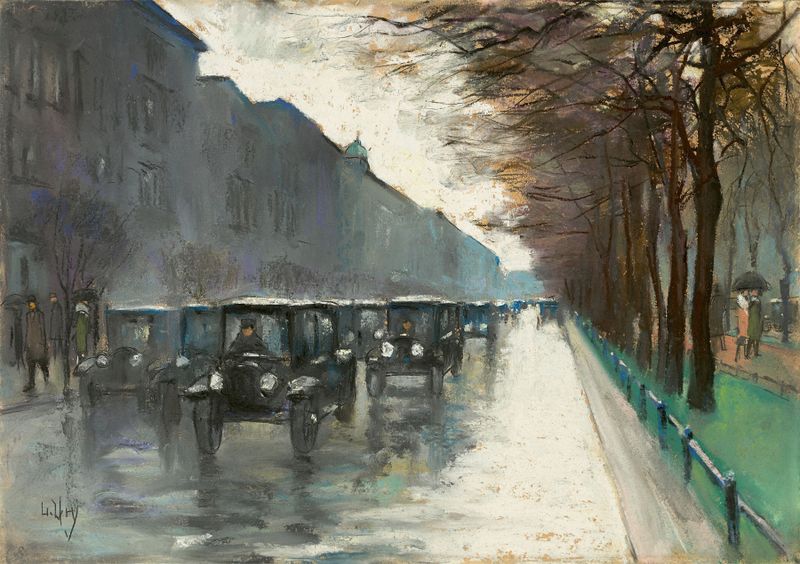
Unter den Linden mit Droschken im Regen
Lesser Ury

Berliner Straßenszene im Spätherbst
Lesser Ury
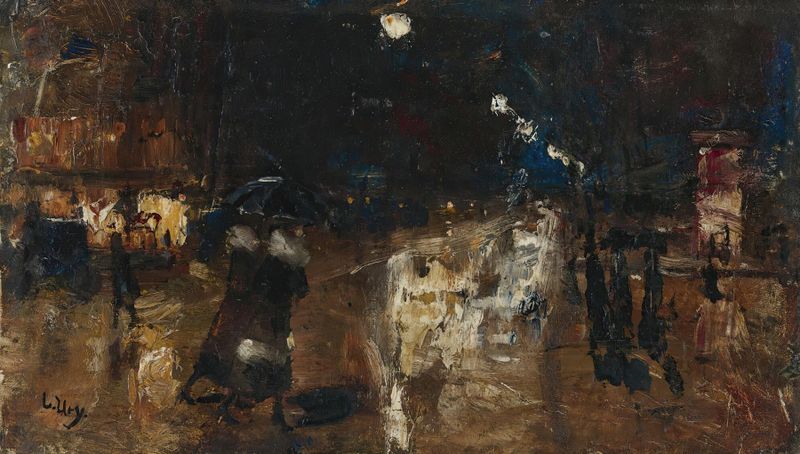
Rainy Street
Lesser Ury
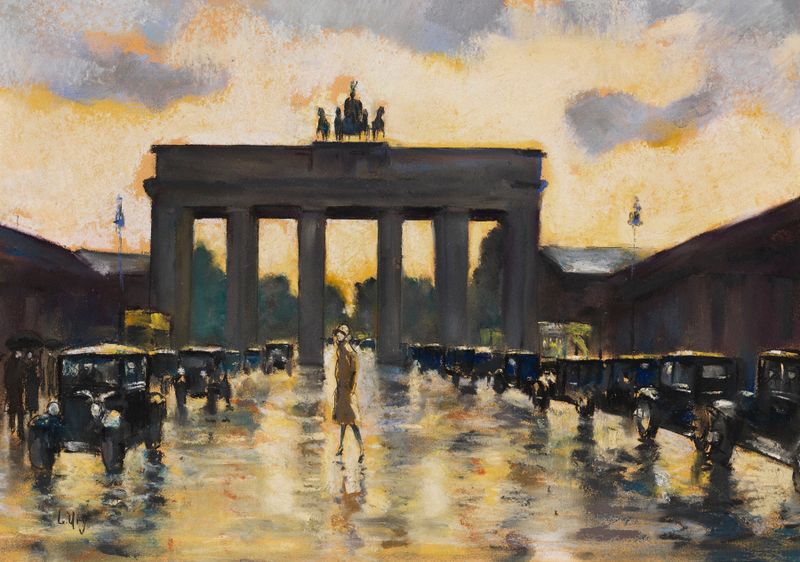
Brandenburger Tor vom Pariser Platz aus gesehen
Lesser Ury

Motiv aus dem Grunewald
Lesser Ury

Straße bei Nacht im Regen (Berlin)
Lesser Ury
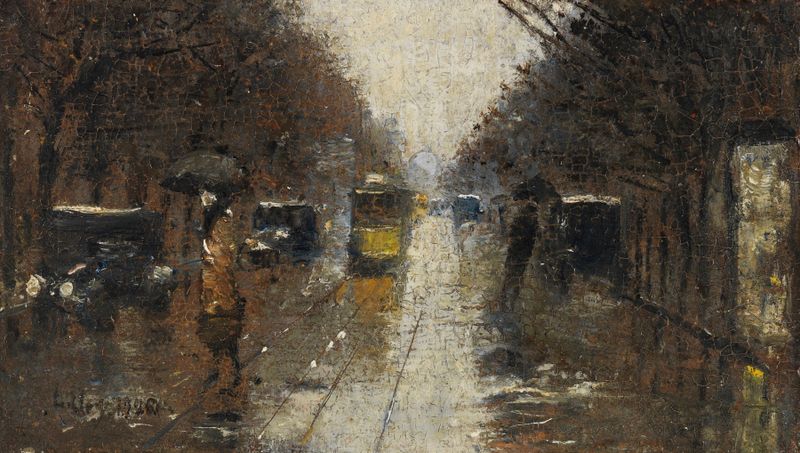
Straßenszene bei Regen, Berlin
Lesser Ury
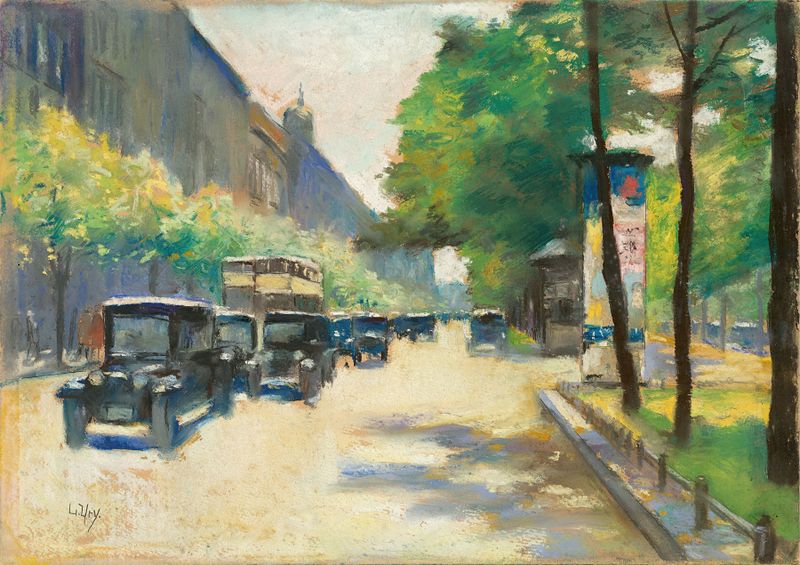
Unter den Linden, Berlin
Lesser Ury
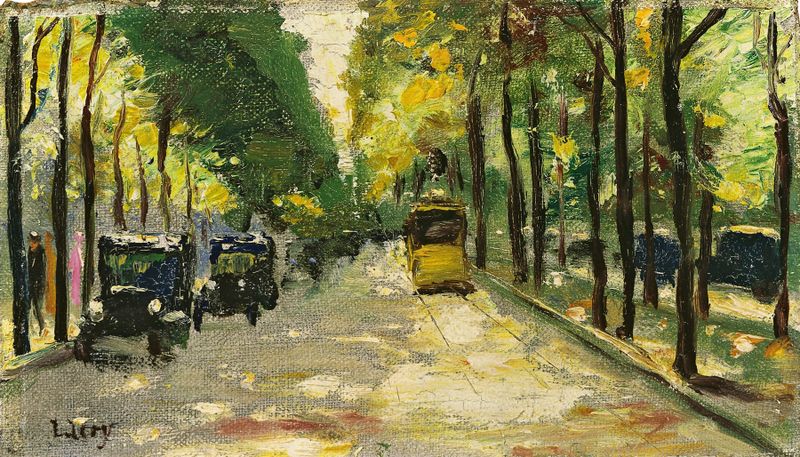
Berliner Straße im Sonnenschein
Lesser Ury





