
David and Bathsheba — History & Facts
What first catches the eye in David and Bathsheba is the gentle choreography of glances and gestures, each figure poised in a moment of private awareness. The central figure, Bathsheba, stands at the water’s edge, her body half-draped in luminous fabric that seems to glow against the darker greens of the garden. Her attendant leans in, intent on her task, while a small dog at the lower left animates the scene with a burst of curiosity.
The viewer’s gaze is drawn from the reflective pool upward to Bathsheba’s thoughtful expression, then outward to the distant terrace, where a red-robed figure—David, perhaps—watches from the shadows, his presence almost an afterthought in the lush, sunlit world of the foreground. The palette is rich but controlled, with the cool blue of the sky and the warm blush of skin and drapery setting a mood of quiet anticipation. Painted in 1770, this work belongs to the refined world of late eighteenth-century French history painting, where biblical and mythological subjects offered artists a pretext for exploring the human form and the subtleties of narrative. Artists like Louis-Jean-François Lagrenée responded to the tastes of aristocratic patrons who favored scenes that combined moral lessons with sensual beauty, often destined for the private salons of Paris.
The careful balance of decorum and allure, the classical setting, and the polished finish all speak to the ideals of the Rococo and early Neoclassical periods, when painters sought to delight the eye and instruct the mind in equal measure. Though little is recorded about the journey of this particular canvas—now documented in a Sotheby’s collection in 2014—its world is unmistakable: a place where stories from antiquity are retold in the language of elegance and grace. Let your gaze linger on the surface, and imagine the conversations it once inspired.
More Artworks by Louis-Jean-François Lagrenée
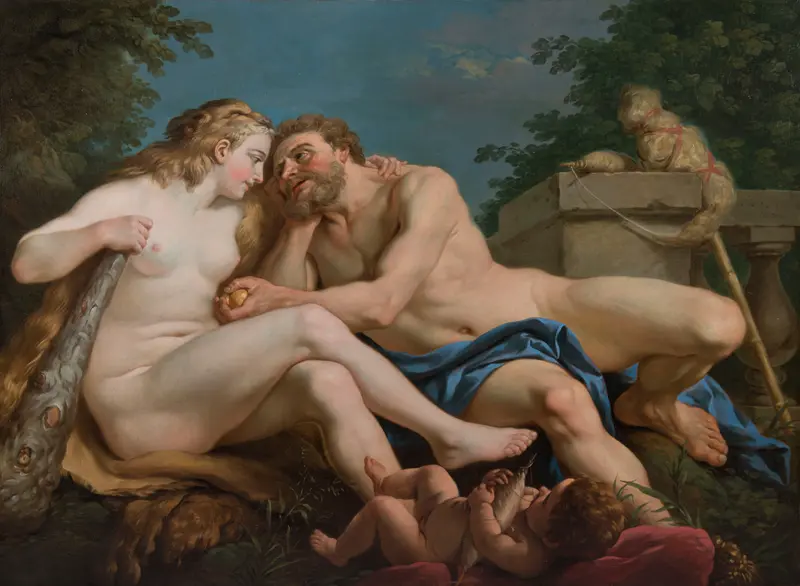
Herkules and Omphale
Louis-Jean-François Lagrenée
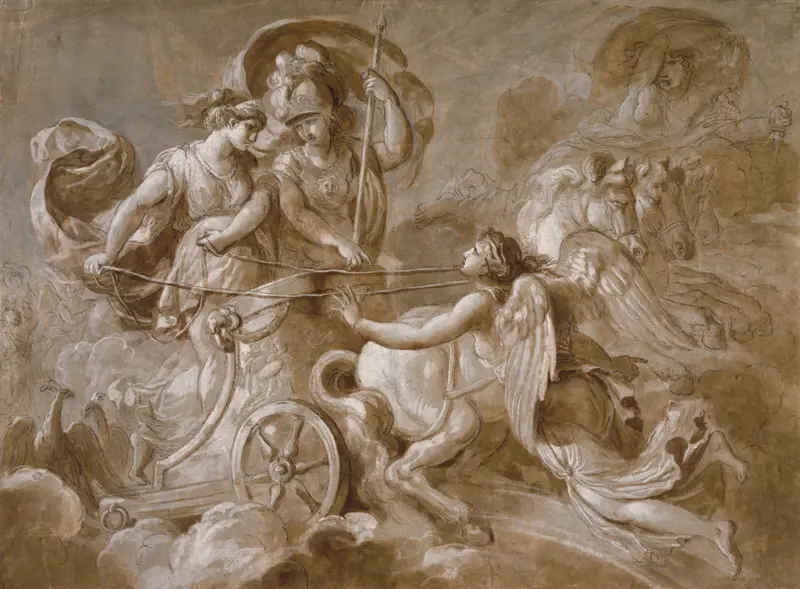
Iris Approaching Athena and Hera
Louis-Jean-François Lagrenée
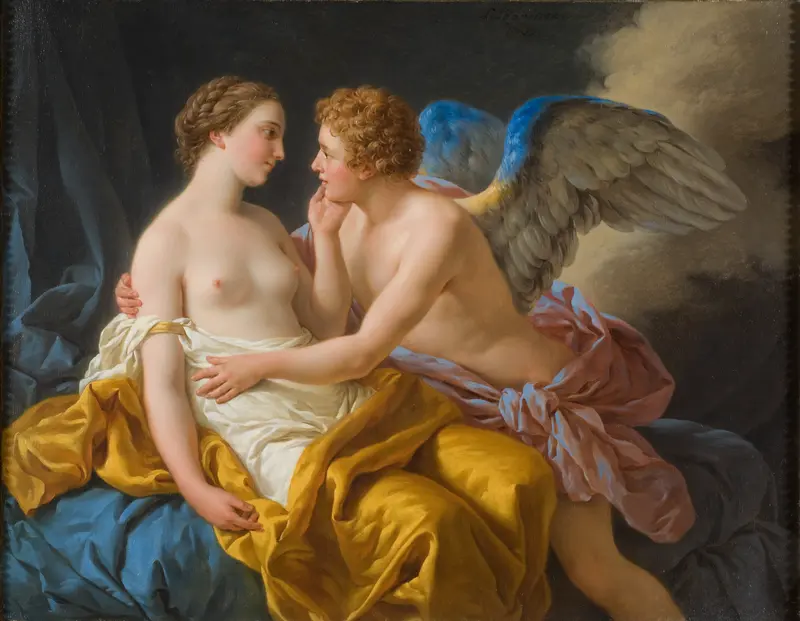
Cupid and Psyche
Louis-Jean-François Lagrenée
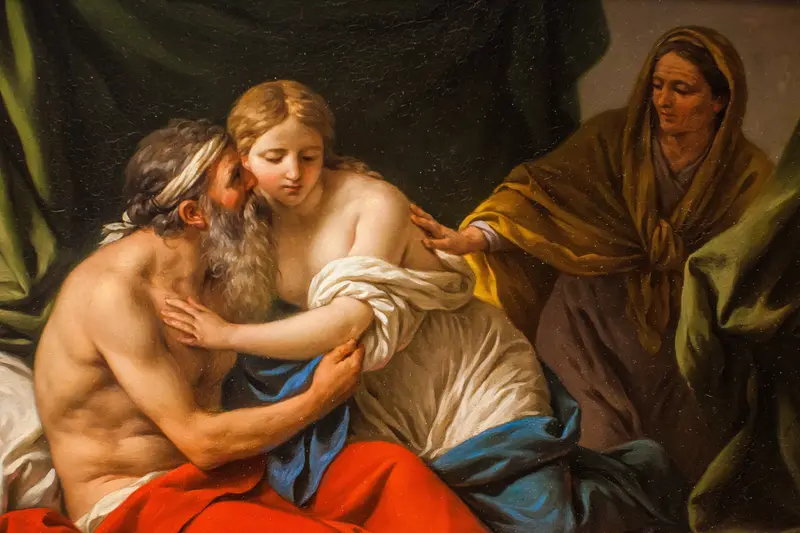
Sarah Presenting Hagar to Abraham
Louis-Jean-François Lagrenée
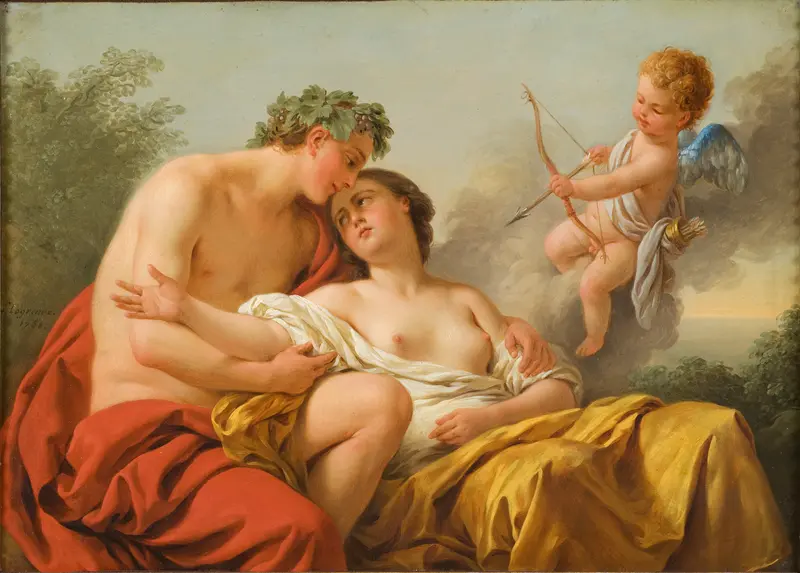
Bacchus and Ariadne
Louis-Jean-François Lagrenée
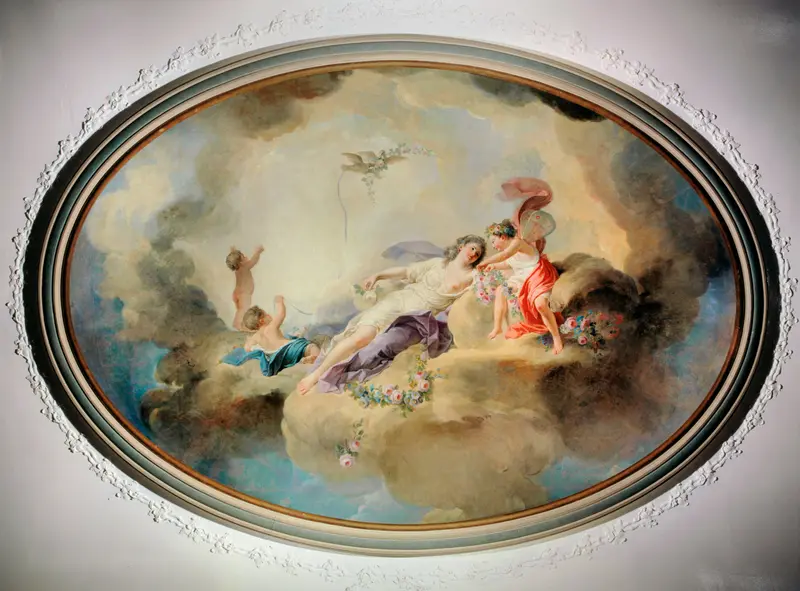
Louis Jean François Lagrenée Le triomphe de Flore P787 Musée Carnavalet
Louis-Jean-François Lagrenée
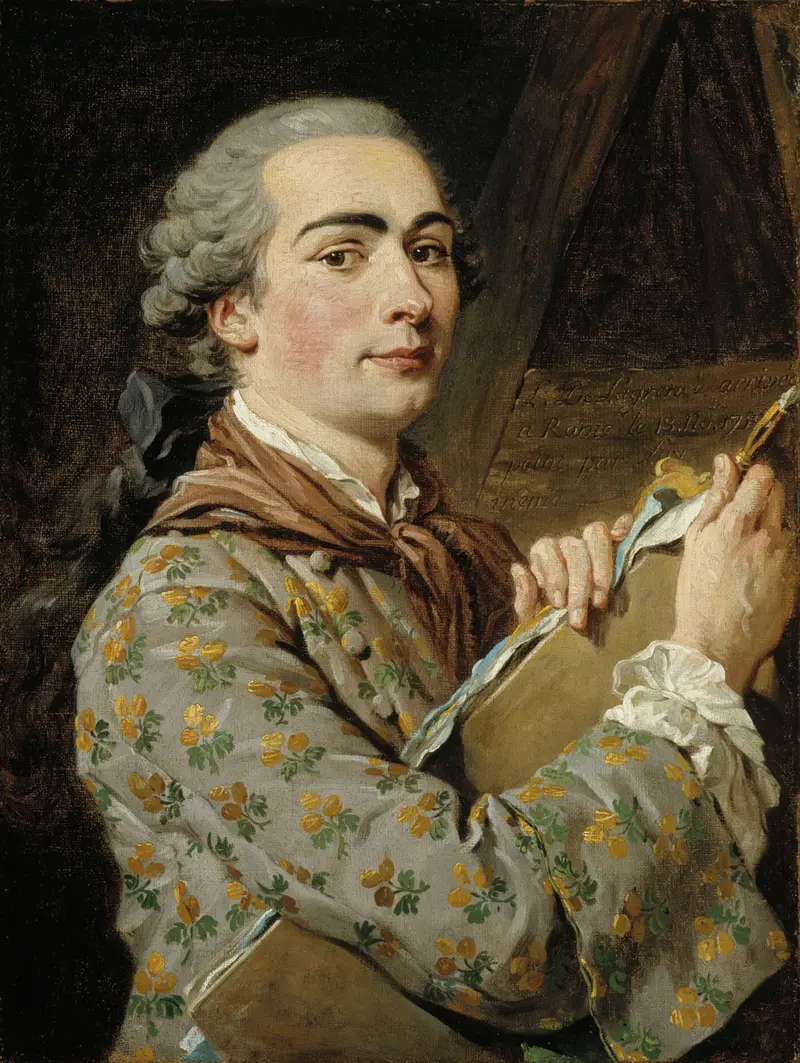
Self-Portrait
Louis-Jean-François Lagrenée
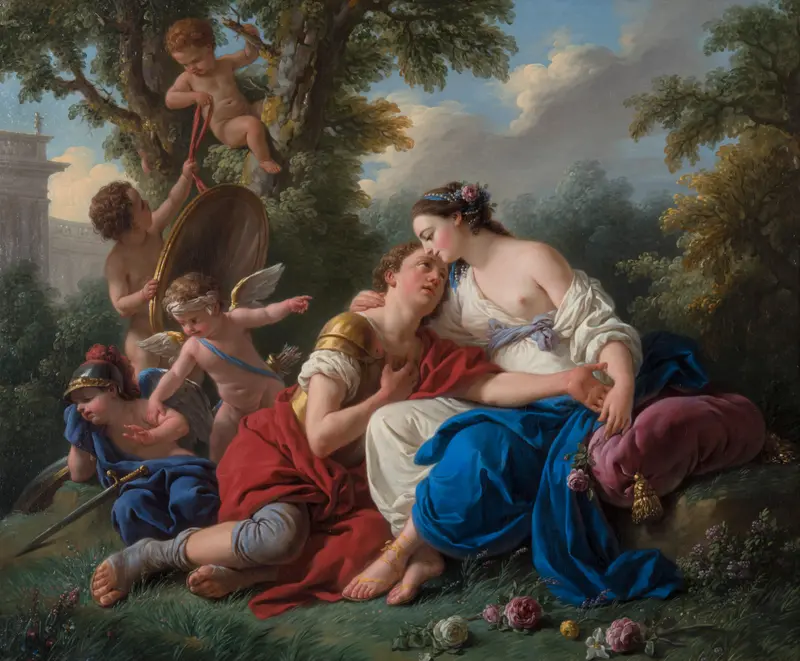
Rinaldo and Armida
Louis-Jean-François Lagrenée
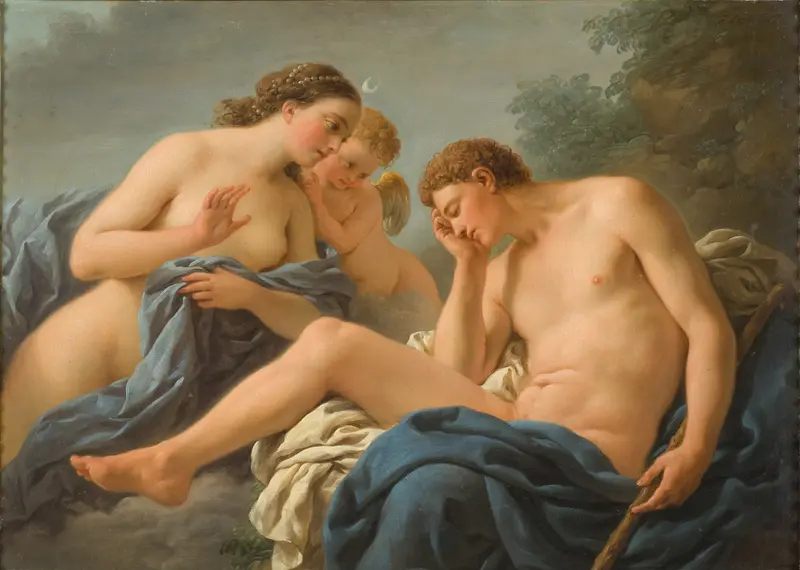
Diana and Endymion
Louis-Jean-François Lagrenée
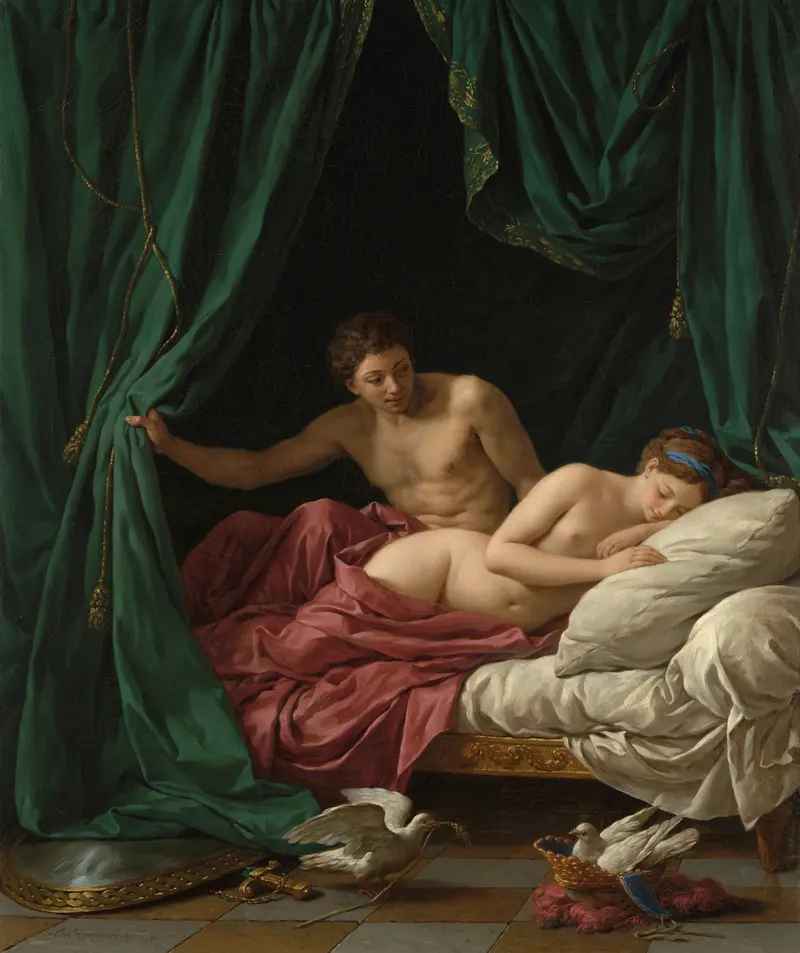
Mars and Venus, Allegory of Peace
Louis-Jean-François Lagrenée





