
David geeft Uria een brief voor Joab — History & Facts
What lies beneath the surface of noble intentions and hidden agendas? David geeft Uria een brief voor Joab captures a pivotal moment steeped in treachery and subtext, where the thin veil of loyalty is pierced by darker motives. Focus your gaze on the center, where David, cloaked in regal attire, holds a letter that changes everything. The contrast between the light illuminating his figure and the shadows lurking around him creates an atmosphere heavy with foreboding. Behind him, Uriah stands oblivious, while the background fades into darker tones, suggesting a world closing in, where the looming consequences of this act are obscured yet ever-present. The tension lies in the contrasts—the majesty of the king against Uriah's unsuspecting demeanor.
The letter itself, although a mere piece of parchment, symbolizes betrayal and the moral decay of power. Note the delicate lines and the texture of the ink, which Hollar infuses with a sense of urgency and secrecy, as if the very paper is imbued with the weight of unspoken words. Each figure's posture further accentuates their roles: David, commanding; Uriah, unsuspecting; and the specter of fate, silently observing. In 1638, Wenceslaus Hollar was navigating the shifting artistic landscape of Europe, having recently settled in England after fleeing the Thirty Years' War.
This period saw a growing interest in chiaroscuro and detailed engravings, both of which Hollar masterfully employed. As he created this piece, he reflected on the moral complexities of leadership and the shadows that lurk within the human heart, encapsulating a moment that resonates through the ages.
More Artworks by Wenceslaus Hollar
Browse all →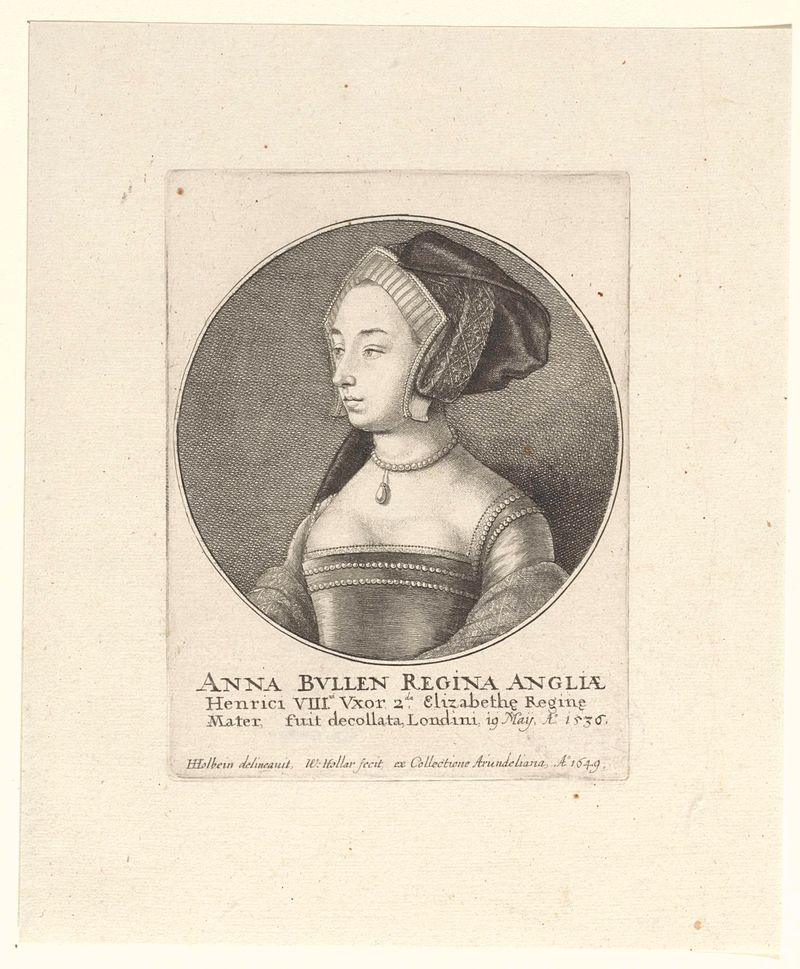
Portret van Anna Boleyn, koningin van Engeland
Wenceslaus Hollar
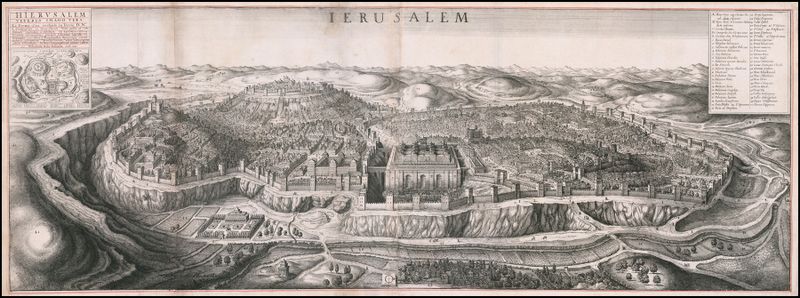
Bird’s eye view of Jerusalem
Wenceslaus Hollar
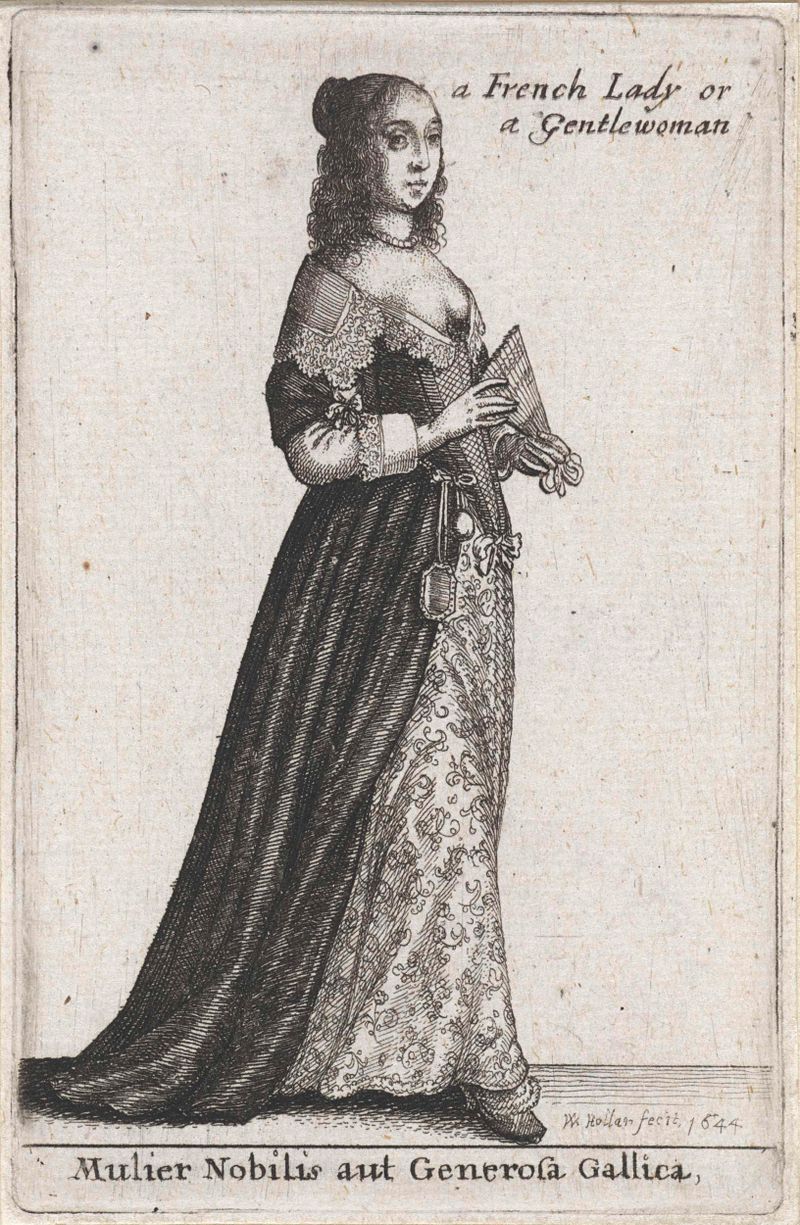
Mulier Nobilis aut Generosa Gallica / a French Lady or Gentlewoman
Wenceslaus Hollar
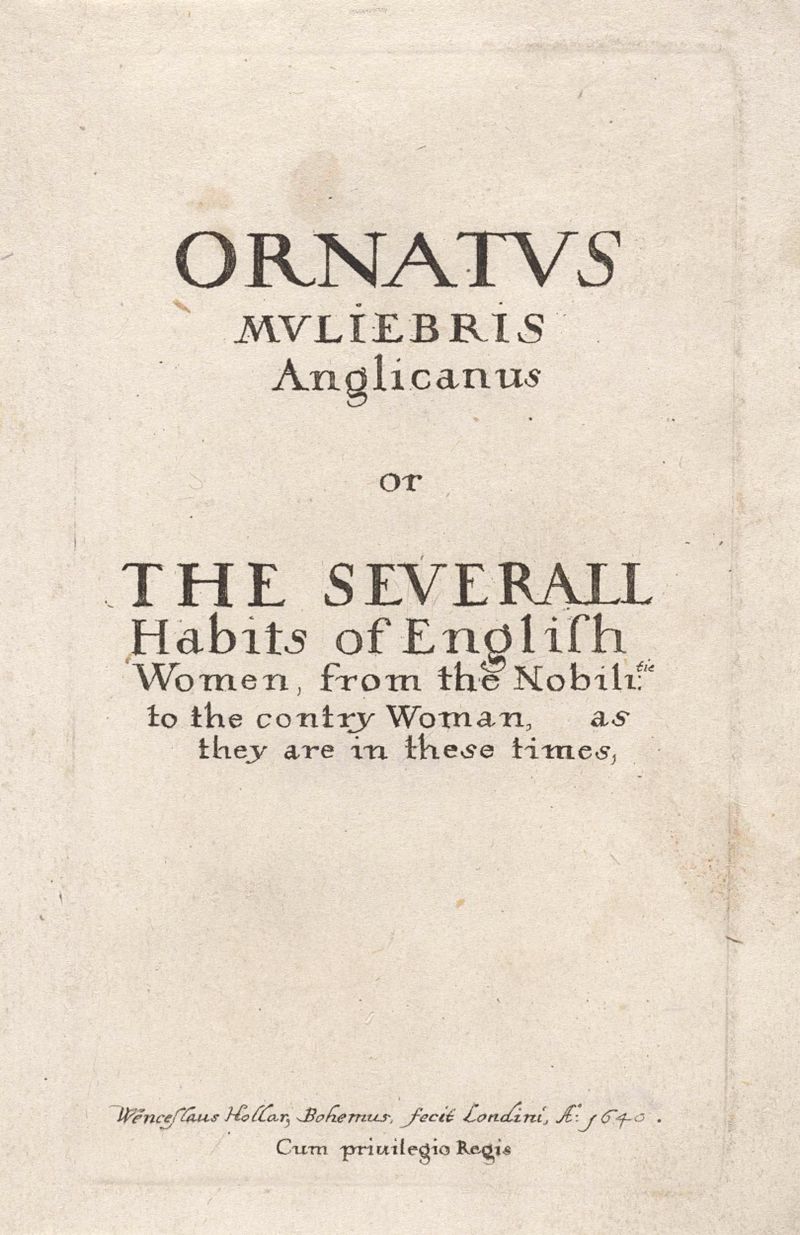
Titelprent voor: Ornatus Muliebris Anglicanus
Wenceslaus Hollar
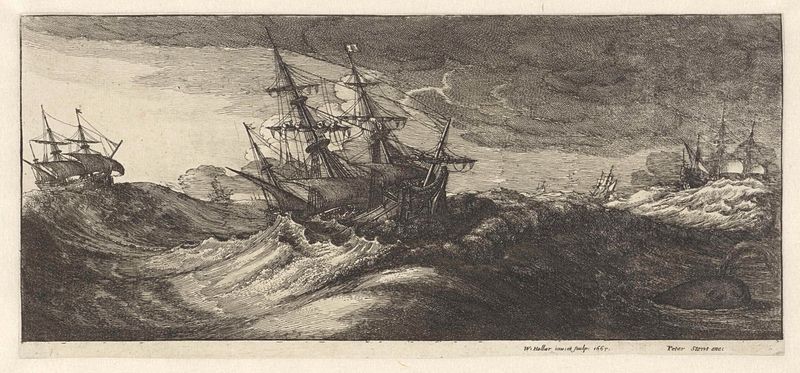
Oorlogsschepen en een walvis in een zeestorm
Wenceslaus Hollar
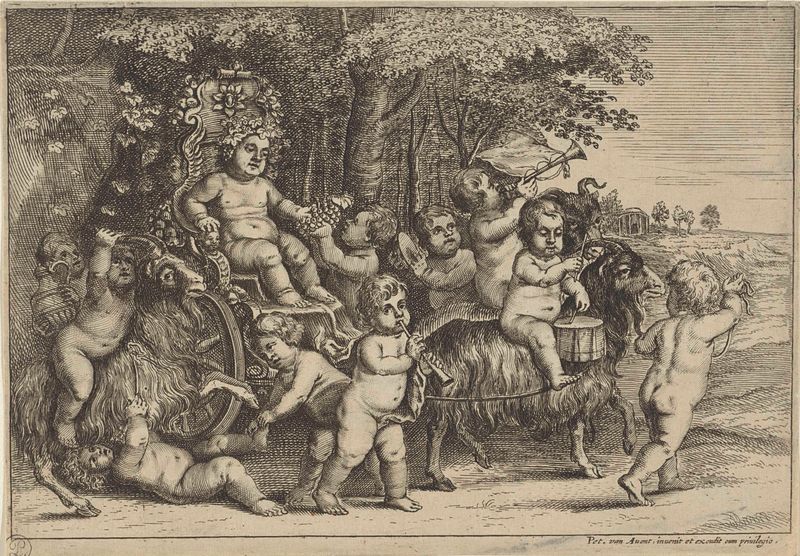
Optocht van bacchant en jongetjes op geiten
Wenceslaus Hollar
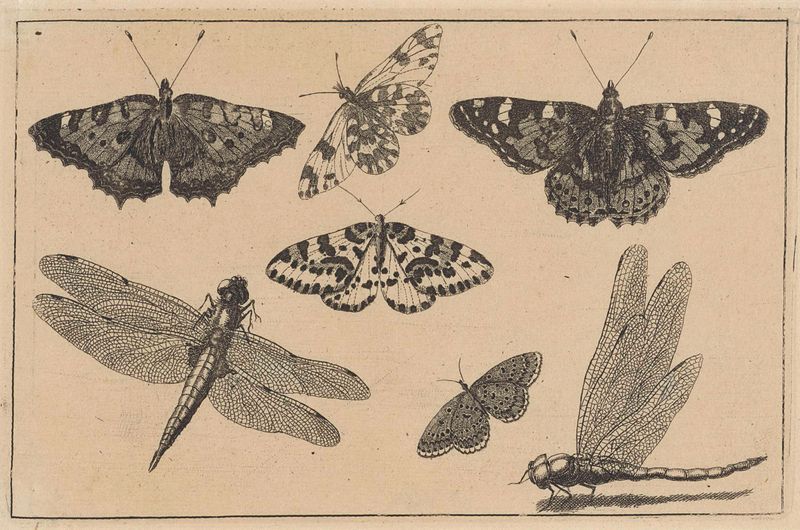
Twee libellen en vijf vlinders
Wenceslaus Hollar
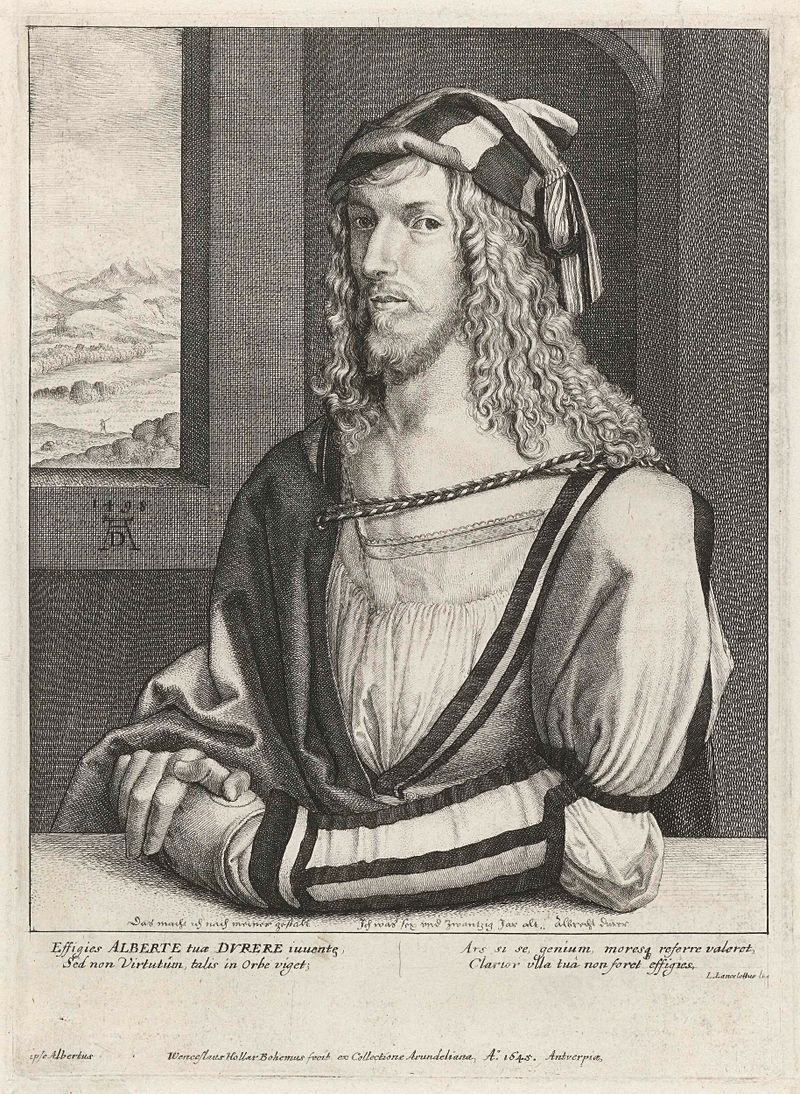
Portret van Albrecht Dürer
Wenceslaus Hollar
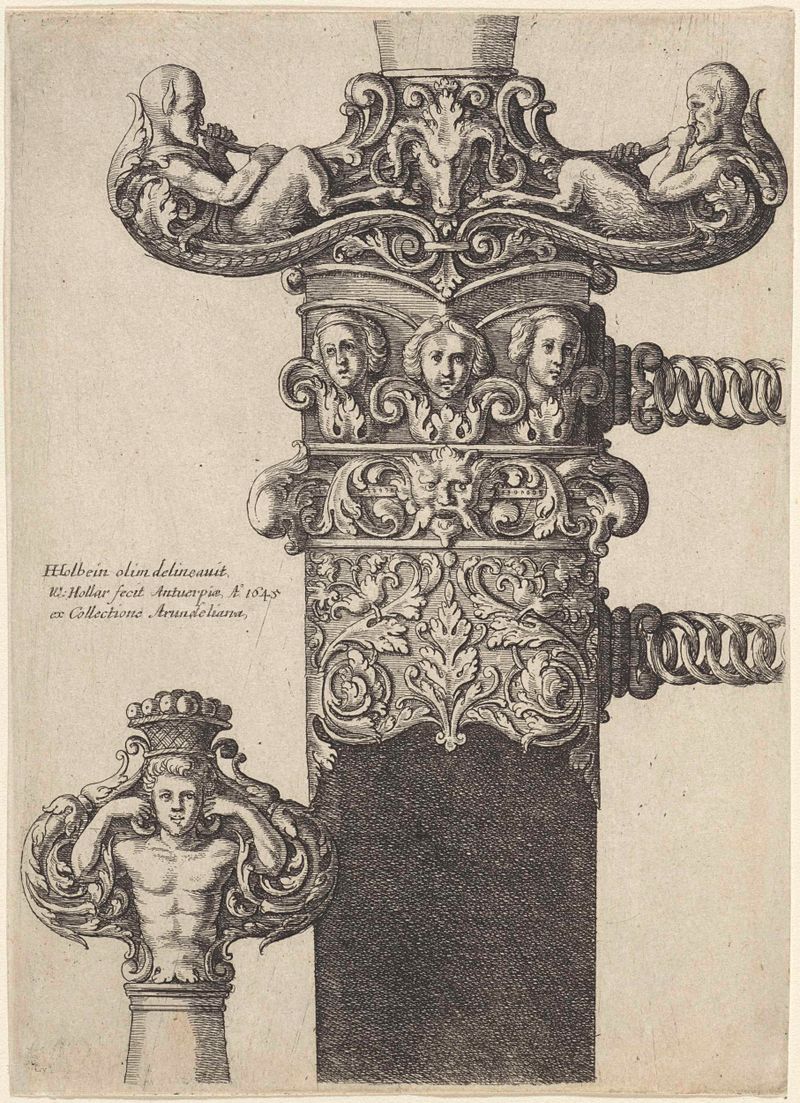
Ornamenteel ontwerp voor een dolk
Wenceslaus Hollar
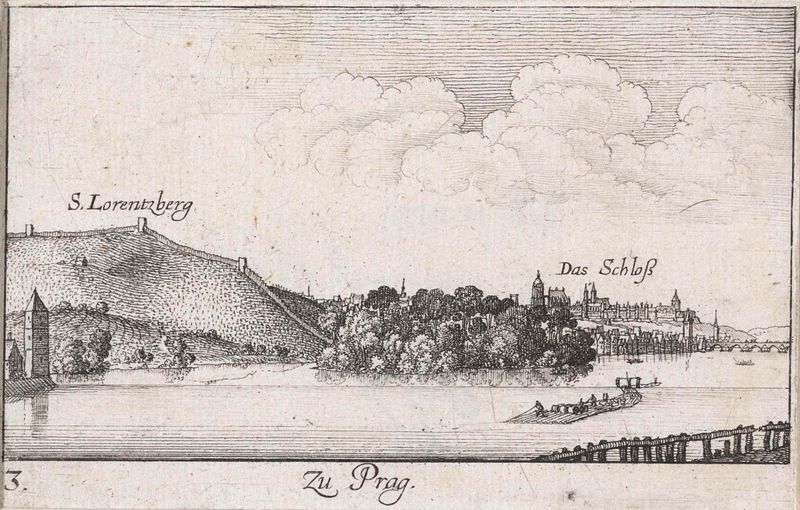
Gezicht op Praag vanaf de Moldau
Wenceslaus Hollar
More Historical Art
Browse all →
The Night Watch Militia Company of District II under the Command of Captain Frans Banninck Cocq
Rembrandt van Rijn

Lincoln Memorial
Henry Bacon

The Third of May 1808
Francisco de Goya

Isaac and Rebecca, Known as ‘The Jewish Bride’
Rembrandt van Rijn

The Charge of the Mamelukes (1814)
Francisco de Goya

De vier ruiters van de apocalyps
Albrecht Dürer