
David speelt harp voor Saul — History & Facts
Can beauty exist without sorrow? In David speelt harp voor Saul, the interplay of light and shadow echoes the question, revealing a depth of emotion beneath the surface. Look to the left at the figure of David, his face illuminated by glimmers of light that dance upon his features, showcasing both grace and melancholy. His delicate fingers glide over the strings of the harp, each note seemingly suspended in the air, while the looming shadow of Saul envelops the background, hinting at the king's turmoil. The rich, muted colors not only amplify the sense of intimacy but also create a contrast between the vibrancy of David's music and the heaviness of Saul's despair. This stark juxtaposition invites introspection.
The shadows cast by Saul hint at the internal struggles he faces, a king tormented by jealousy and fear, while David's serene expression embodies hope and solace. The tension between light and dark is palpable, suggesting that music, a source of beauty, emerges from the depths of sorrow, offering escape yet ultimately reflecting the reality of their intertwined fates. Wenceslaus Hollar painted this piece in 1638, during a period marked by both personal and political upheaval in Europe. Working in the bustling artistic centers of Prague and later in the Netherlands, Hollar was deeply influenced by the Baroque movement's emphasis on emotion and drama.
His portrayal of this biblical scene resonates with the complexities of his time, where the interplay of power, beauty, and despair shaped the lives of many.
More Artworks by Wenceslaus Hollar
Browse all →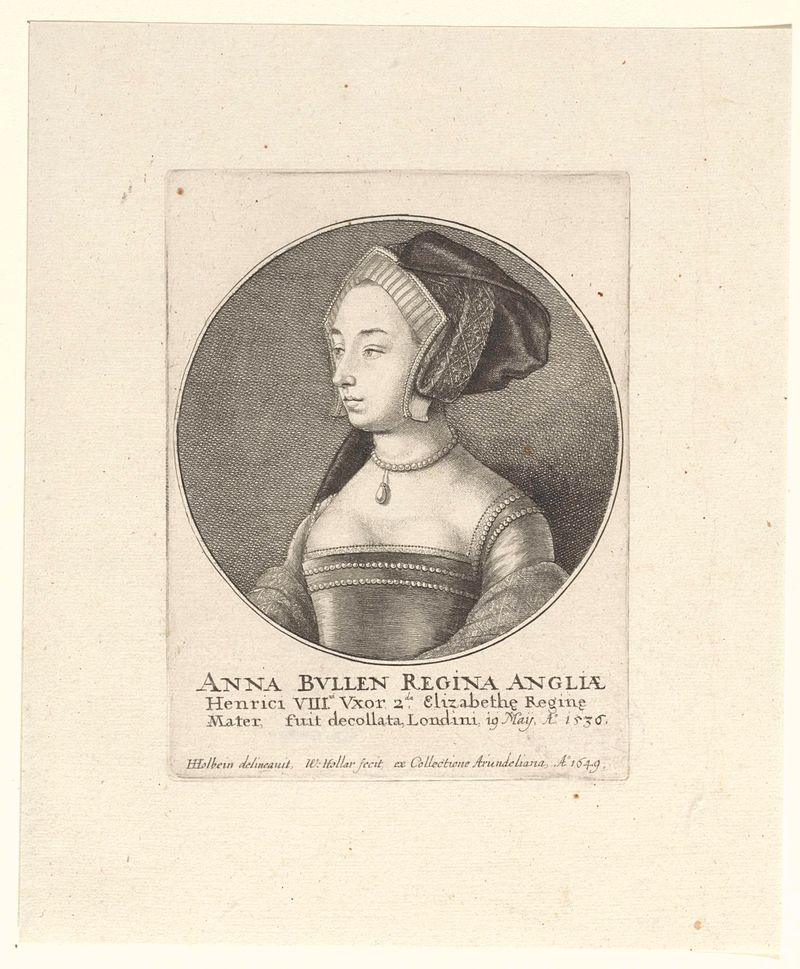
Portret van Anna Boleyn, koningin van Engeland
Wenceslaus Hollar
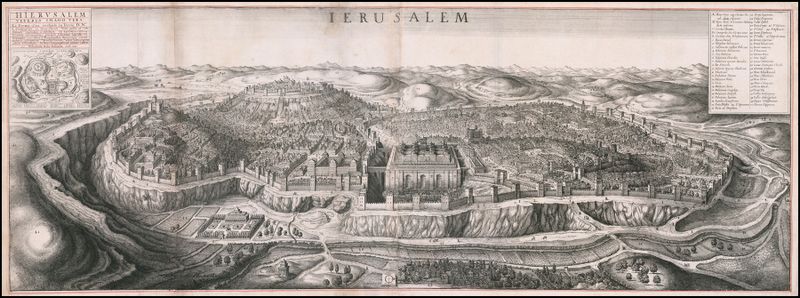
Bird’s eye view of Jerusalem
Wenceslaus Hollar
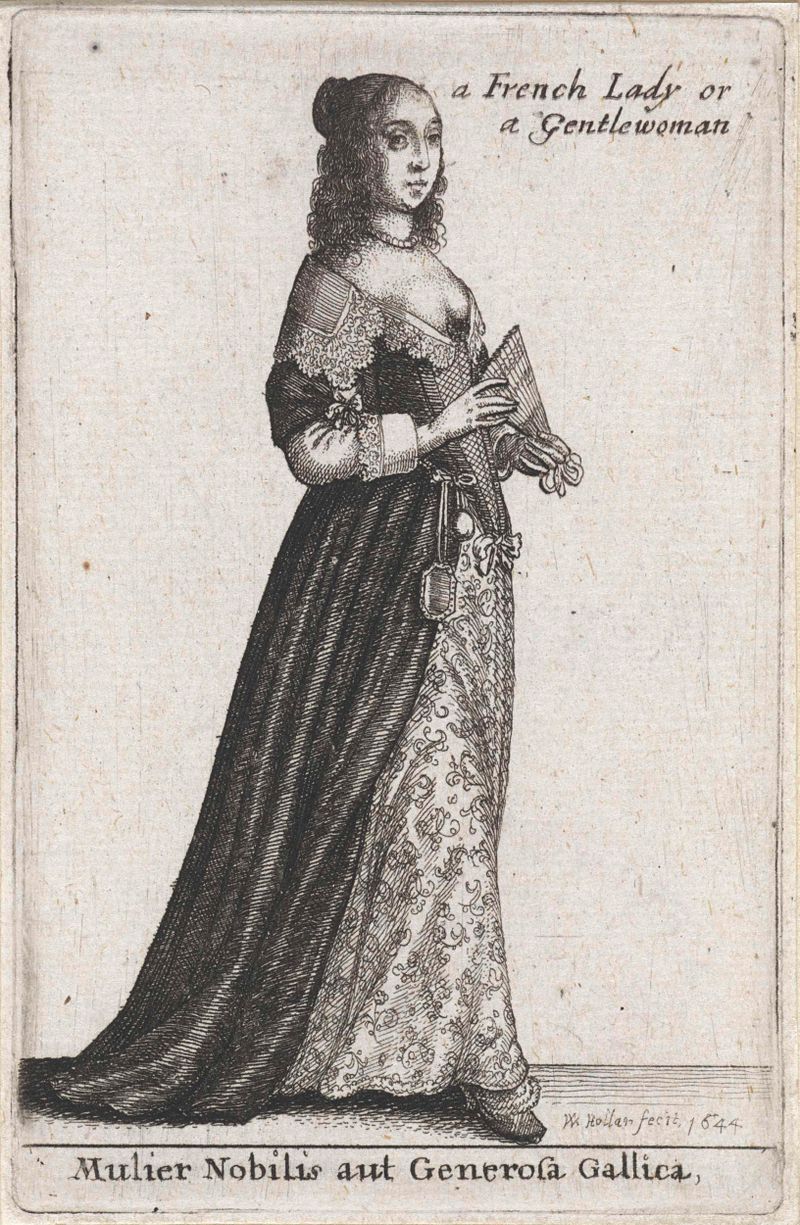
Mulier Nobilis aut Generosa Gallica / a French Lady or Gentlewoman
Wenceslaus Hollar
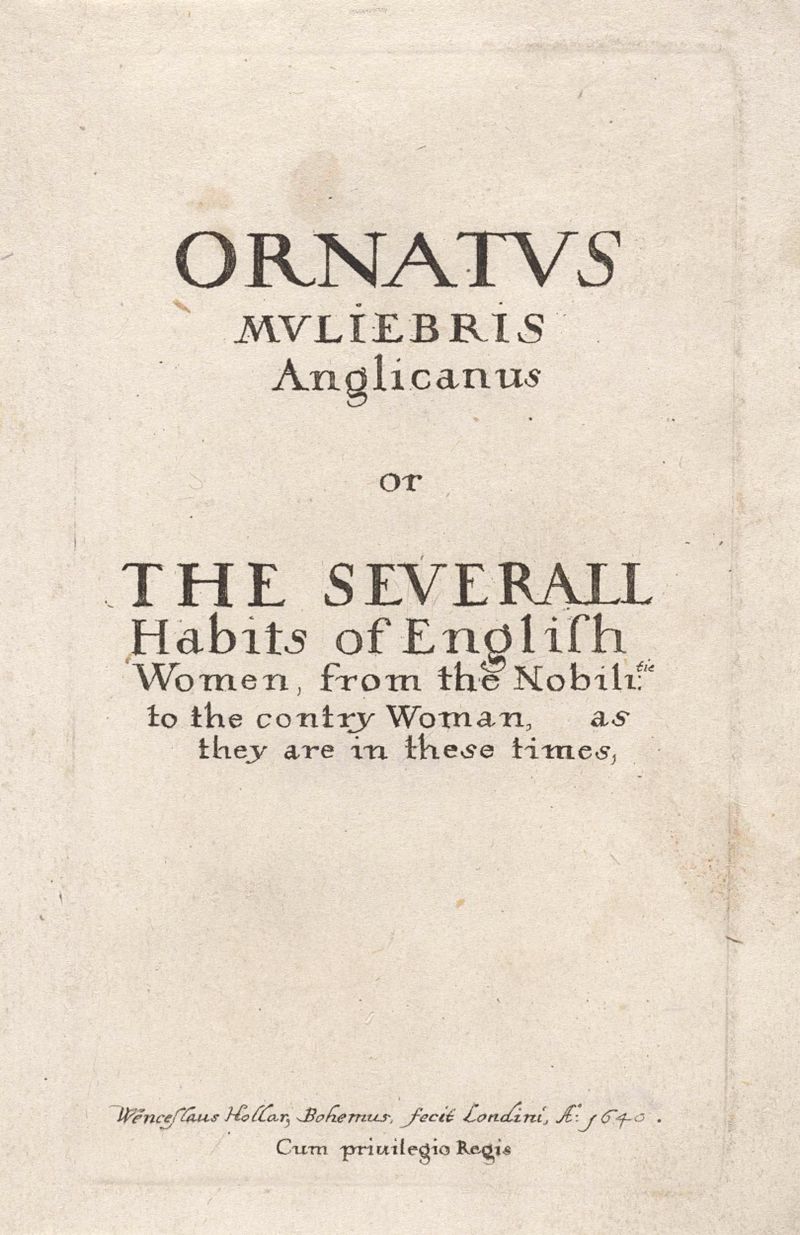
Titelprent voor: Ornatus Muliebris Anglicanus
Wenceslaus Hollar
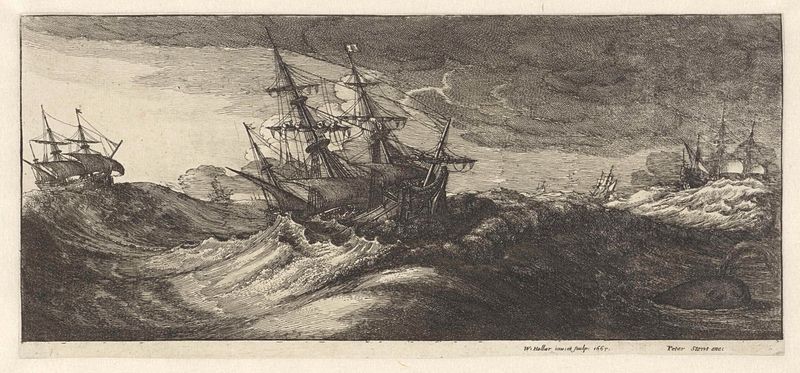
Oorlogsschepen en een walvis in een zeestorm
Wenceslaus Hollar
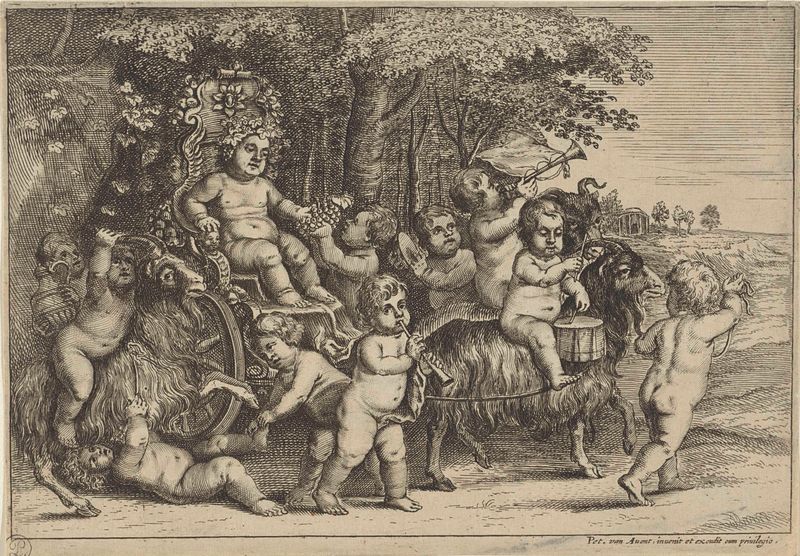
Optocht van bacchant en jongetjes op geiten
Wenceslaus Hollar
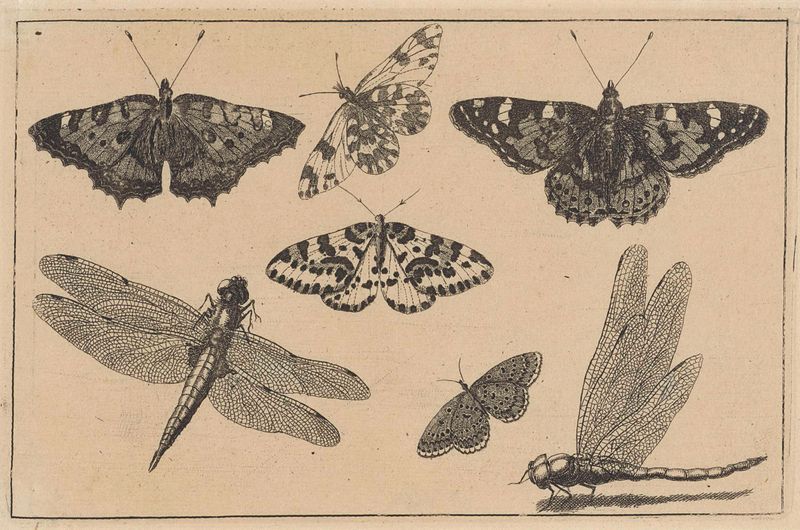
Twee libellen en vijf vlinders
Wenceslaus Hollar
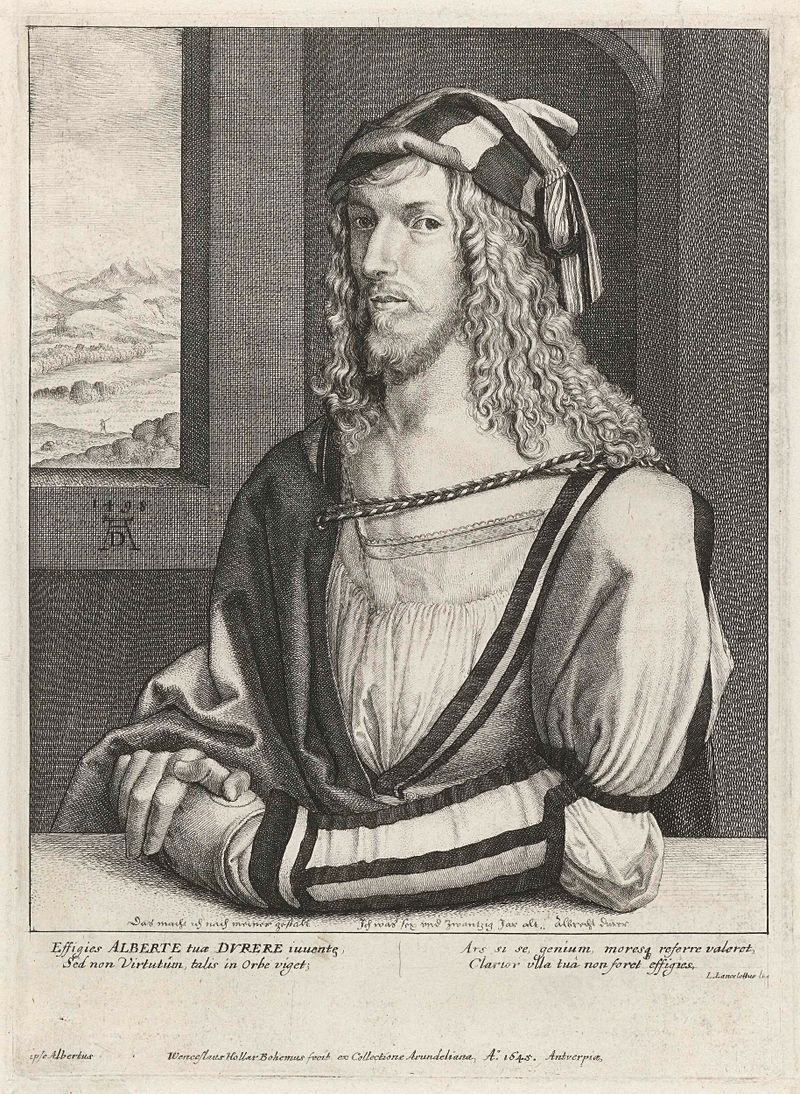
Portret van Albrecht Dürer
Wenceslaus Hollar
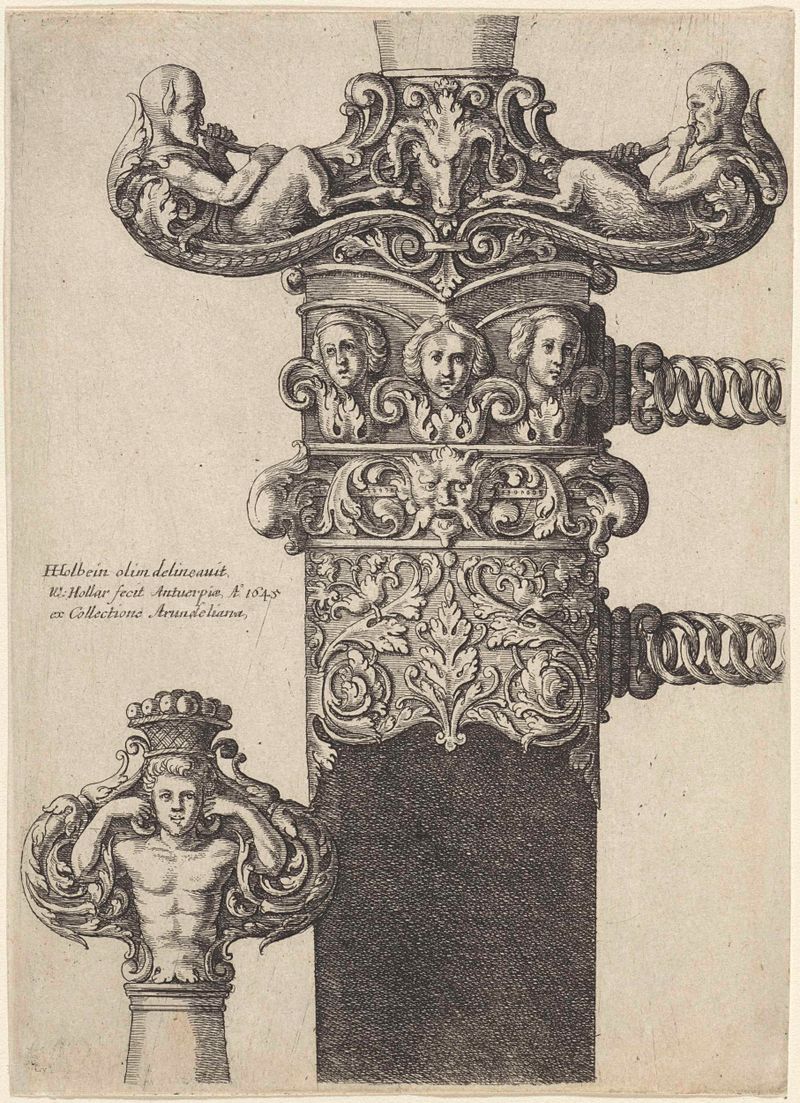
Ornamenteel ontwerp voor een dolk
Wenceslaus Hollar
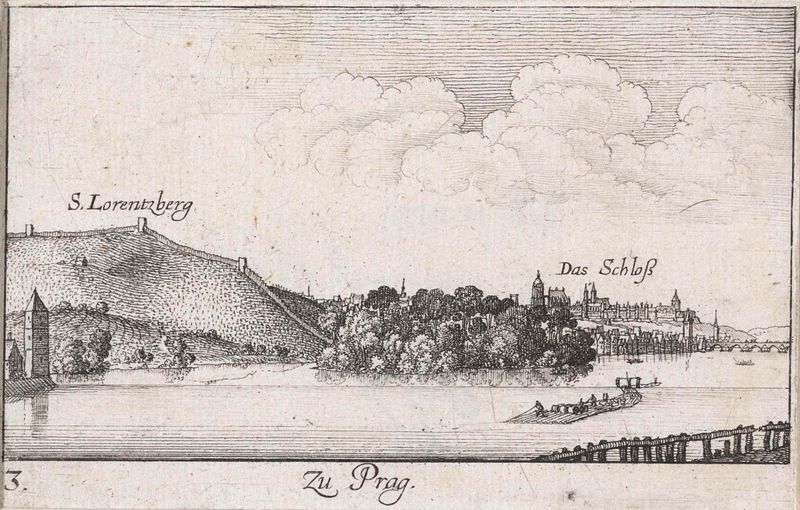
Gezicht op Praag vanaf de Moldau
Wenceslaus Hollar
More Historical Art
Browse all →
The Night Watch Militia Company of District II under the Command of Captain Frans Banninck Cocq
Rembrandt van Rijn

Lincoln Memorial
Henry Bacon

The Third of May 1808
Francisco de Goya

Isaac and Rebecca, Known as ‘The Jewish Bride’
Rembrandt van Rijn

The Charge of the Mamelukes (1814)
Francisco de Goya

De vier ruiters van de apocalyps
Albrecht Dürer