
David with the head of Goliath — History & Facts
No other artist of the Italian Baroque era painted the biblical hero David quite like Artemisia Gentileschi did in her David with the head of Goliath—and this version, from around 1650, is remarkable for being one of her few late treatments of a male protagonist. While Gentileschi is best known for her powerful depictions of female figures such as Judith and Susanna, here she turns her attention to the aftermath of a legendary victory: David, the young shepherd, stands over the giant Goliath whom he has just slain. The painting's authorship was once debated, but recent scholarship has firmly attributed it to Gentileschi, highlighting her unique approach to this oft-told story. The moment Gentileschi captures is not the battle itself, but the charged, silent aftermath.
David, sword in hand, holds the severed head of Goliath—a trophy of faith and courage. The youth’s gaze is steady, his grip firm, and the light falls dramatically across his face and the grisly prize, emphasizing both his resolve and the cost of victory. Unlike Caravaggio’s famous David with the Head of Goliath, where David appears contemplative and almost regretful, Gentileschi’s David radiates determination.
The textures—the roughness of the sling, the gleam of the blade, the lifeless weight of Goliath’s head—are rendered with a realism that brings the ancient story into the viewer’s present. The precise origins of this painting remain uncertain; no early documentation survives to tell us who commissioned it or where it first hung. It is likely that Gentileschi created this work during her late period, possibly in Naples, where she spent her final years and continued to challenge traditional subjects. The painting’s journey through history is not well recorded, but its survival and recent reattribution have placed it among the significant late works of Gentileschi.
Today, it stands as a testament to her enduring inventiveness and her ability to bring new psychological depth to familiar tales, even in a genre and subject more commonly dominated by her male contemporaries.
More Artworks by Artemisia Gentileschi

Judith Beheading Holofernes
Artemisia Gentileschi
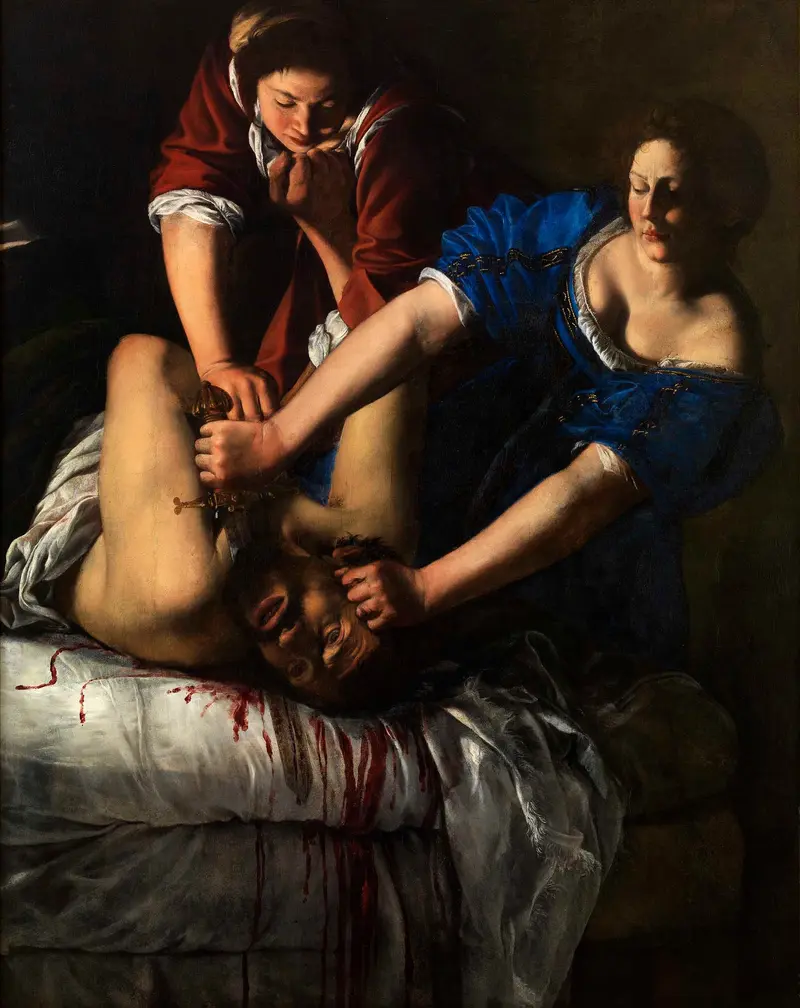
Judith Slaying Holofernes
Artemisia Gentileschi
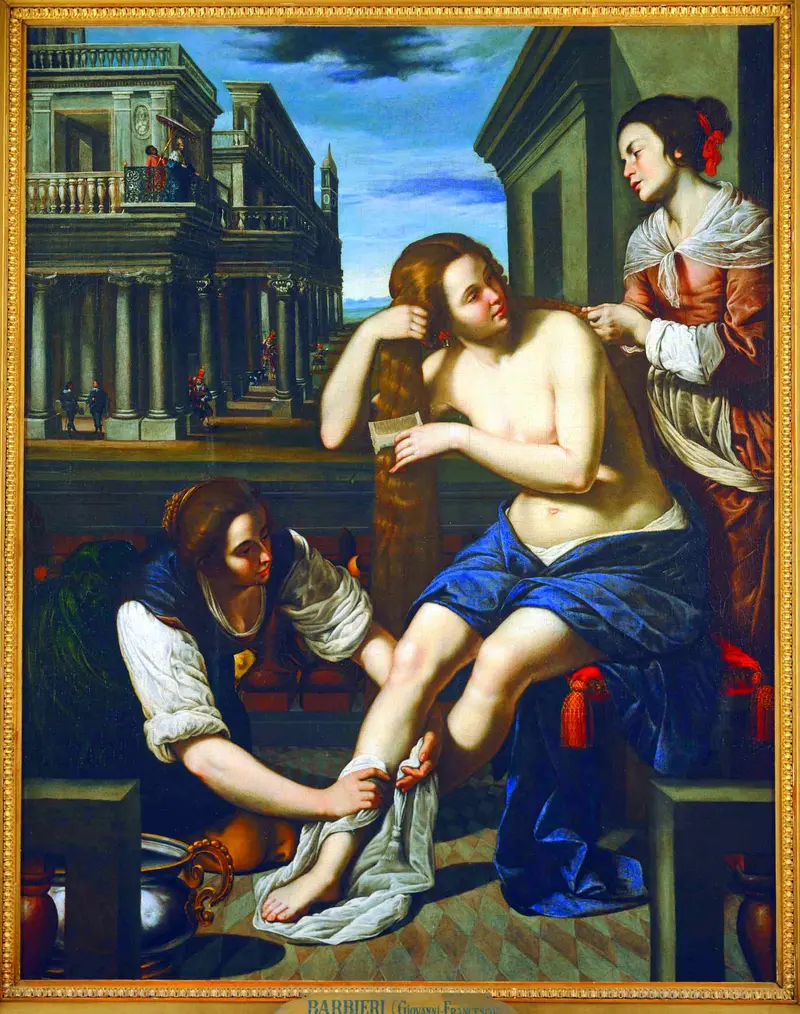
Bathsheba at Her Bath
Artemisia Gentileschi
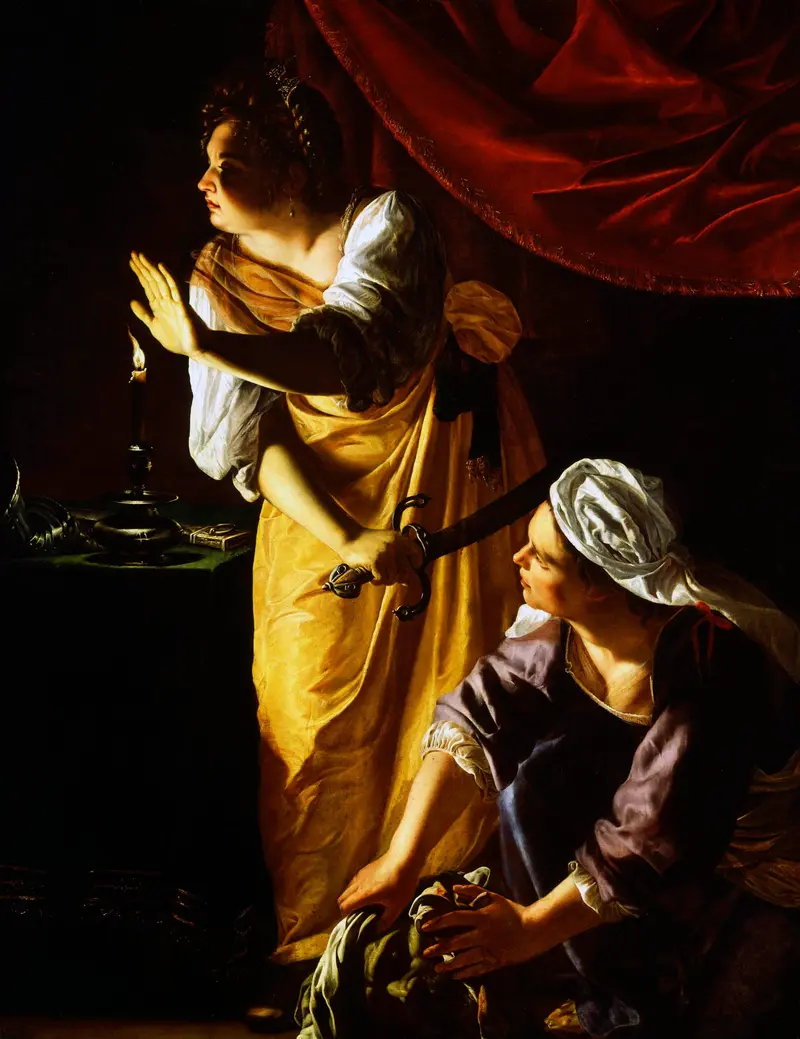
Judith and Maidservant with Head of Holofernes
Artemisia Gentileschi
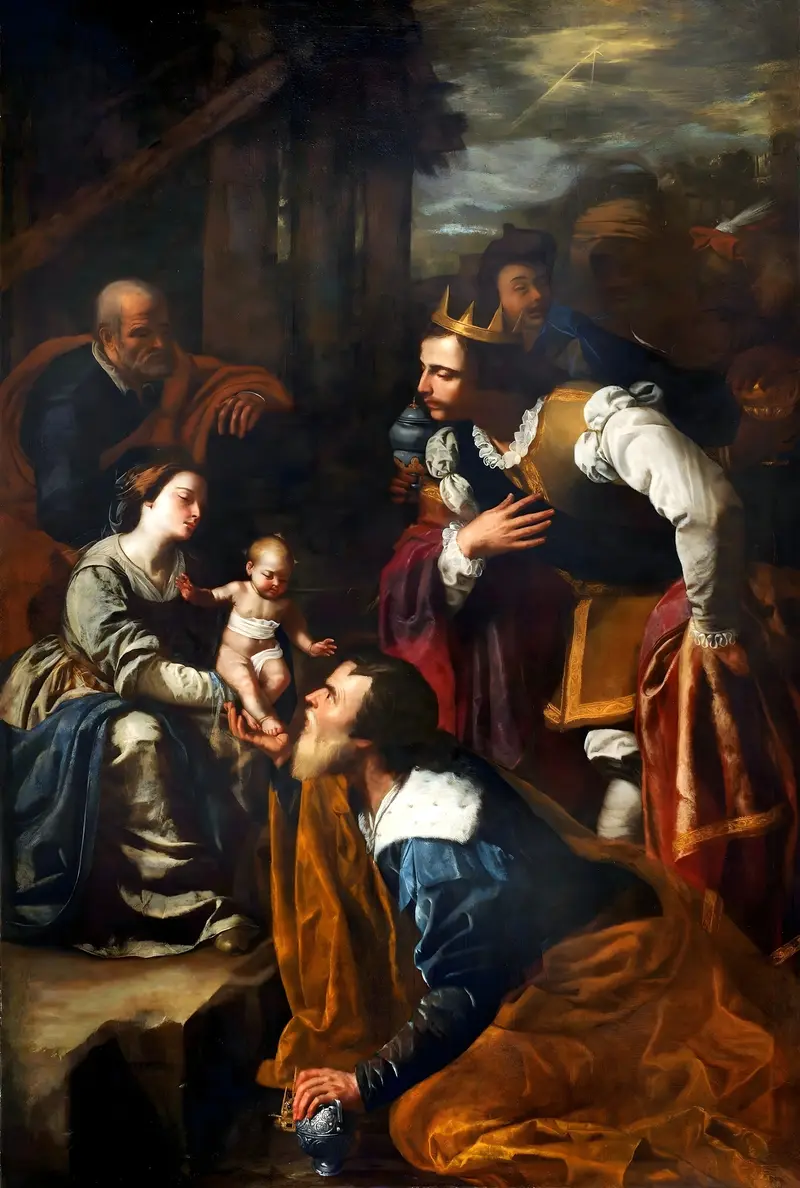
Adoration of the Magi
Artemisia Gentileschi
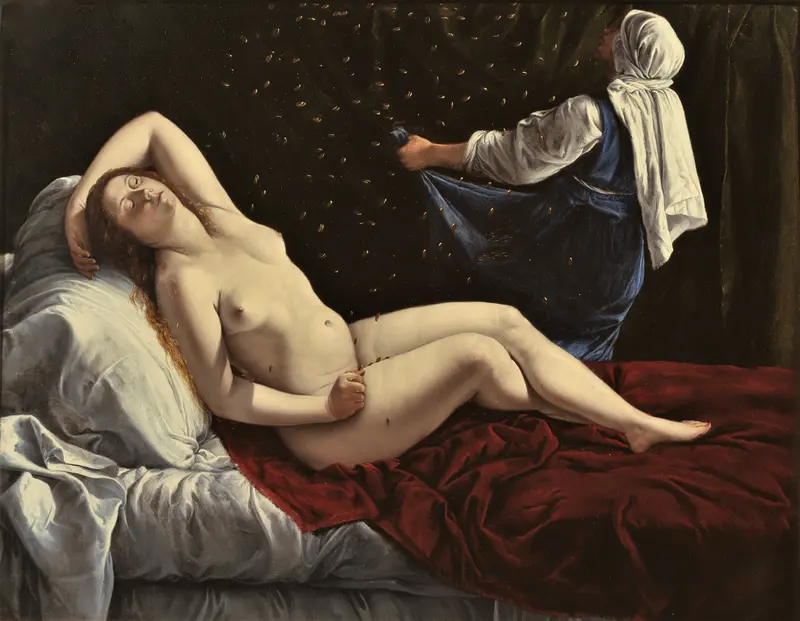
Danaë
Artemisia Gentileschi
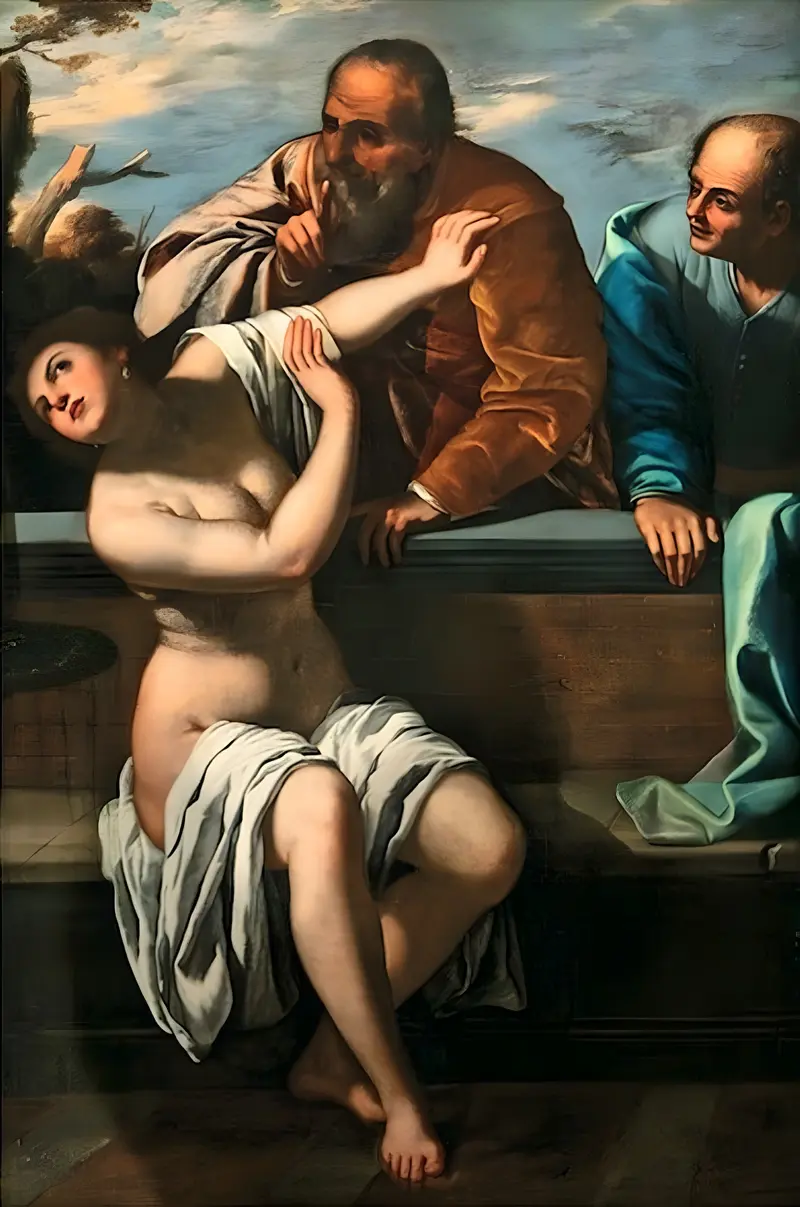
Susannah and the Elders
Artemisia Gentileschi

Judith and her Servant with the Head of Holofernes
Artemisia Gentileschi
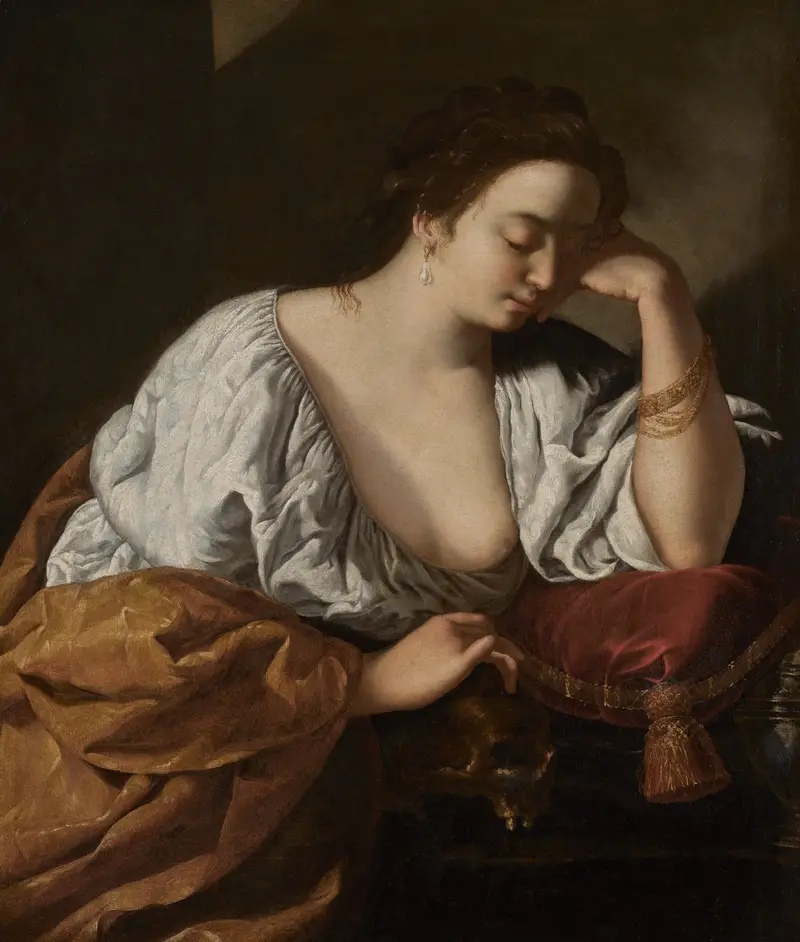
Madeleine pénitente, par
Artemisia Gentileschi
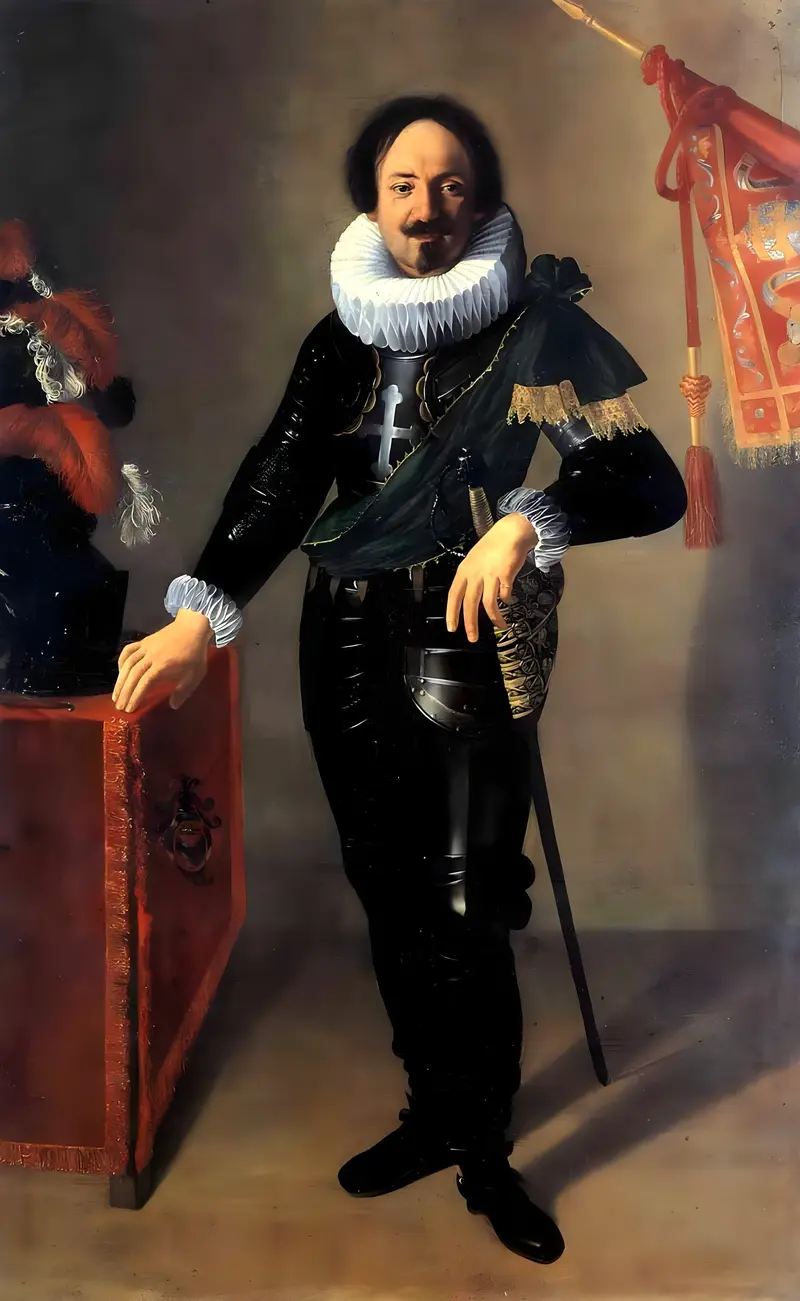
Portrait of a Gonfaloniere
Artemisia Gentileschi





