
David with the Head of Goliath — History & Facts
What grips the viewer first in David and Goliath by Jusepe de Ribera is not the violence of the act, but the hush that follows it. The young David, his body half turned away, lets his gaze fall not on the severed head of Goliath at his feet, but somewhere inward, as if the weight of victory is heavier than the giant’s head itself. The drama is carved out of shadow and light: David’s pale torso emerges from the darkness, his arm extended protectively over the sword that has just changed the course of a nation.
The red cloak, slipping from his shoulder, is a splash of life amid the gloom, and the gesture of his open hand—neither triumphant nor fearful—invites us to wonder what he feels in this moment of uneasy triumph. Painted in 1642, this work belongs to the world of the Baroque, where artists like Ribera reveled in the power of contrast and the psychology of their subjects. In Spain and Italy, such biblical scenes were commissioned to inspire faith and awe, their intense realism meant to bring sacred history into the present tense. Ribera, famed for his unflinching naturalism, often chose moments of aftermath rather than action, drawing viewers into the moral ambiguity of his figures.
Little is recorded about the journey of this particular painting, but its survival in a private collection today is a testament to the enduring fascination with stories of power, faith, and the cost of heroism. Stand before it, and let your eyes return to that open hand—still asking, centuries later, what victory really means.
More Artworks by Jusepe de Ribera

Saint Francis of Paola
Jusepe de Ribera

Penitent Saint Peter
Jusepe de Ribera
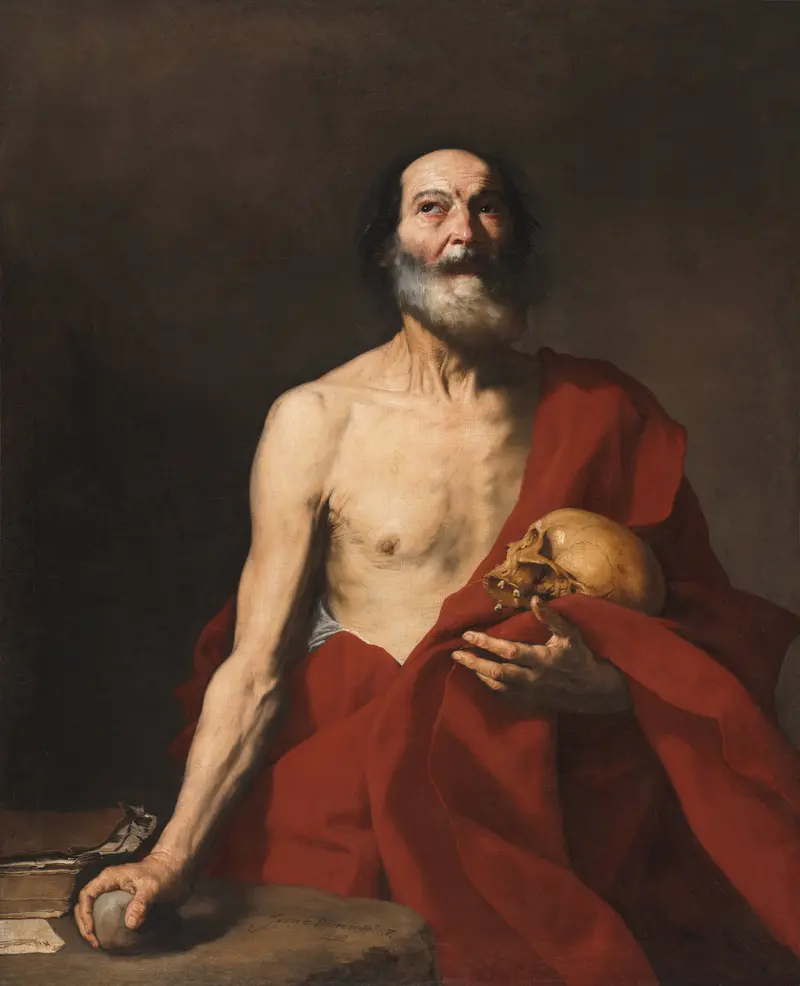
Saint Jerome
Jusepe de Ribera
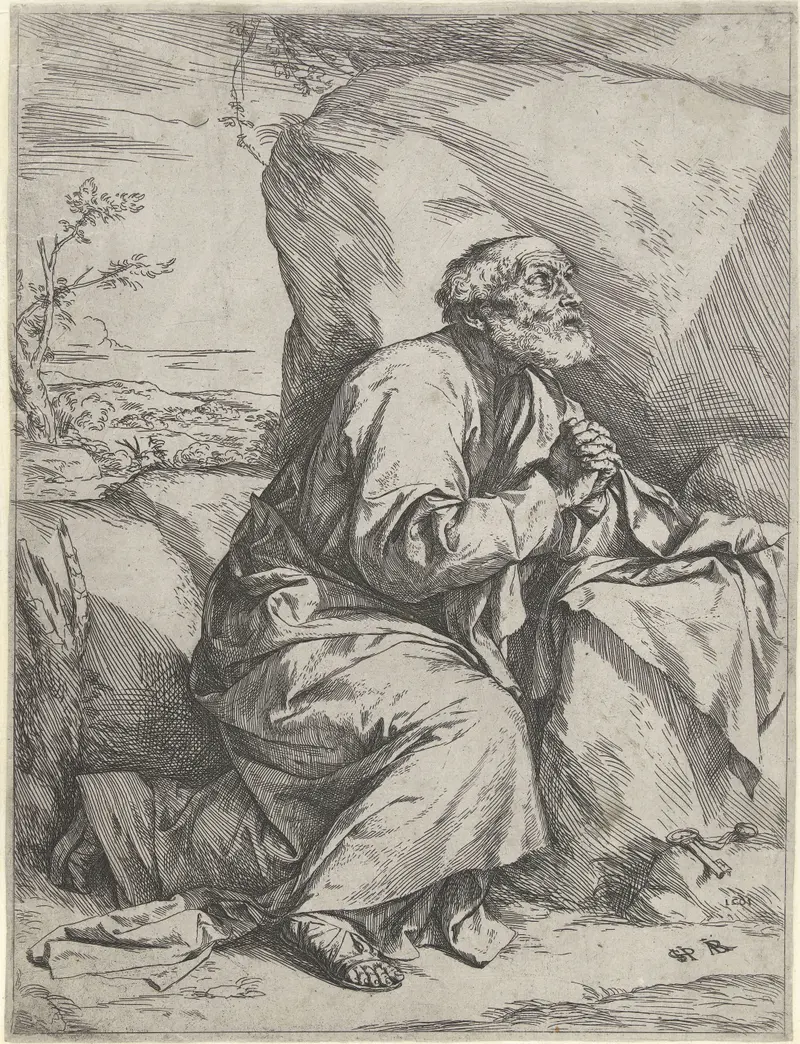
Boetvaardige Petrus
Jusepe de Ribera
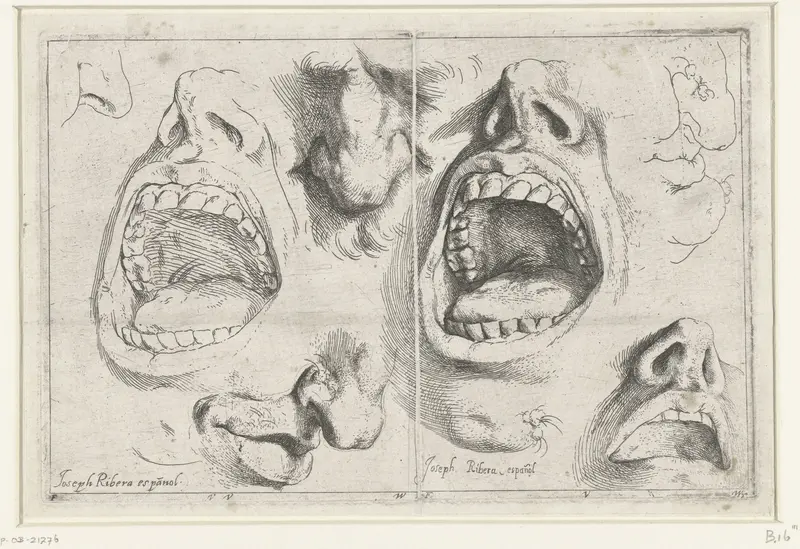
Studies van neus en mond
Jusepe de Ribera
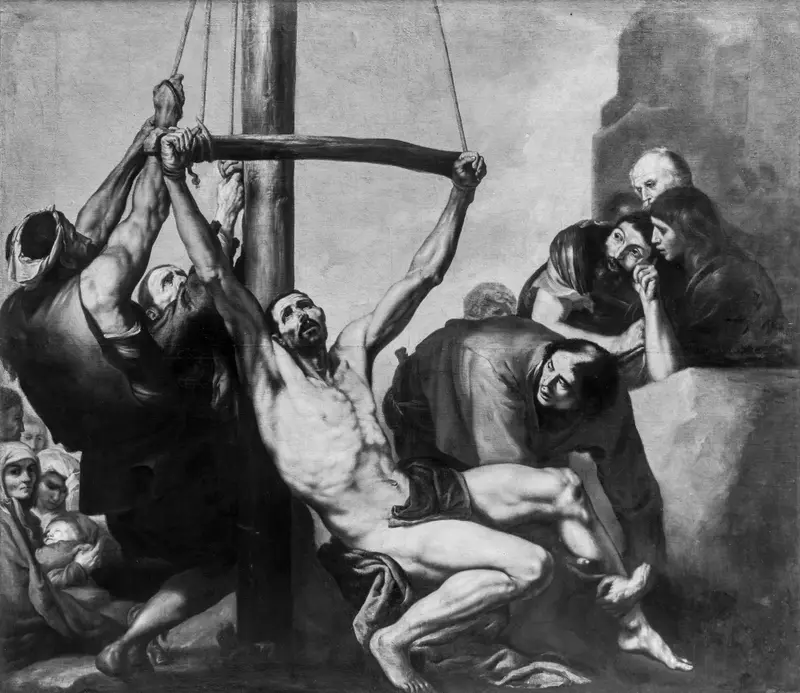
The Martyrdom of Saint Bartholomew
Jusepe de Ribera
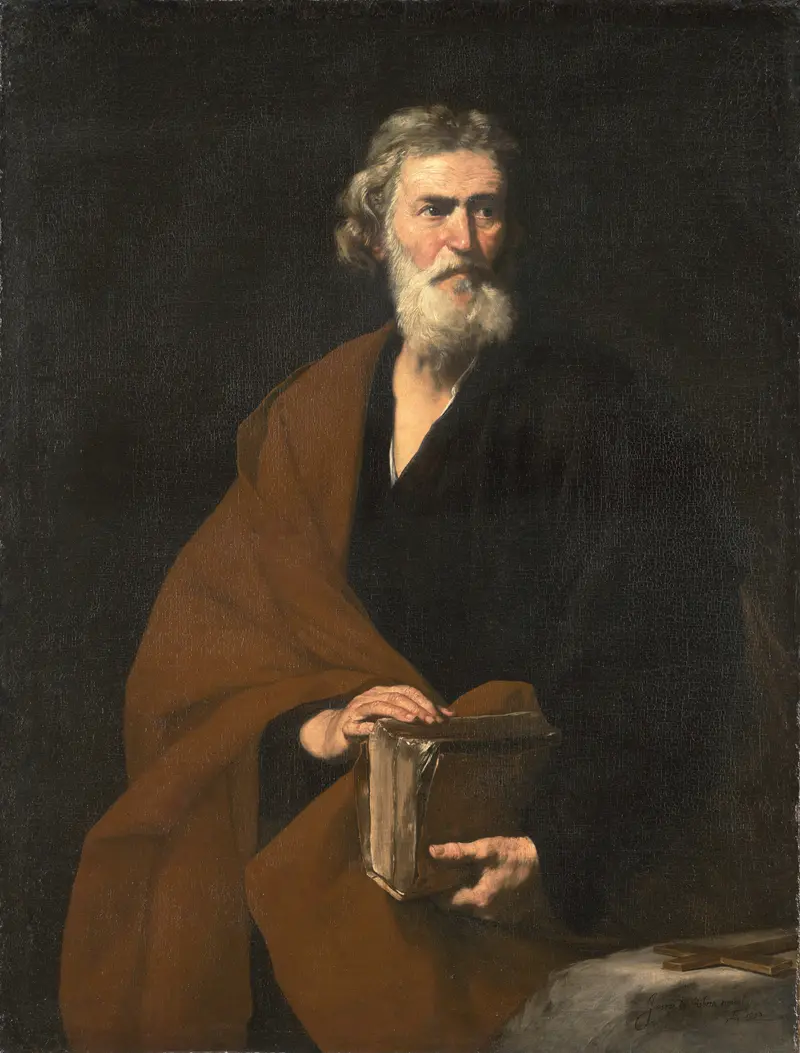
Saint Matthew
Jusepe de Ribera
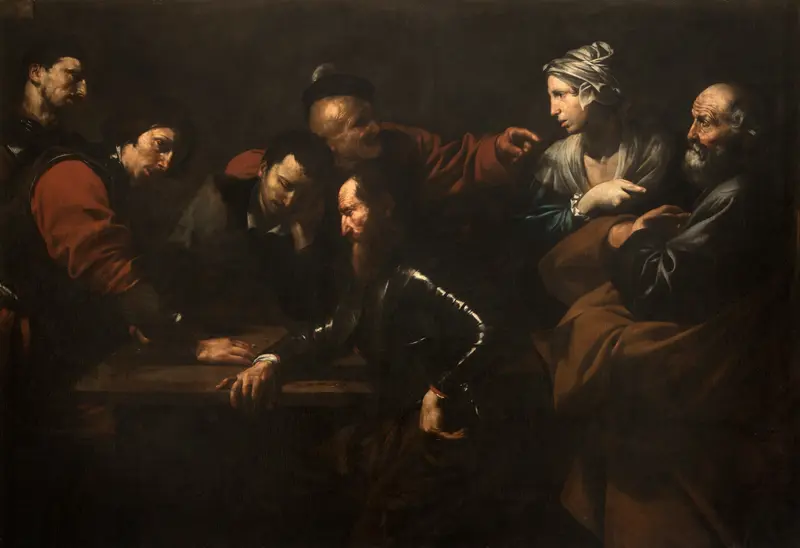
The Denial of Saint Peter
Jusepe de Ribera
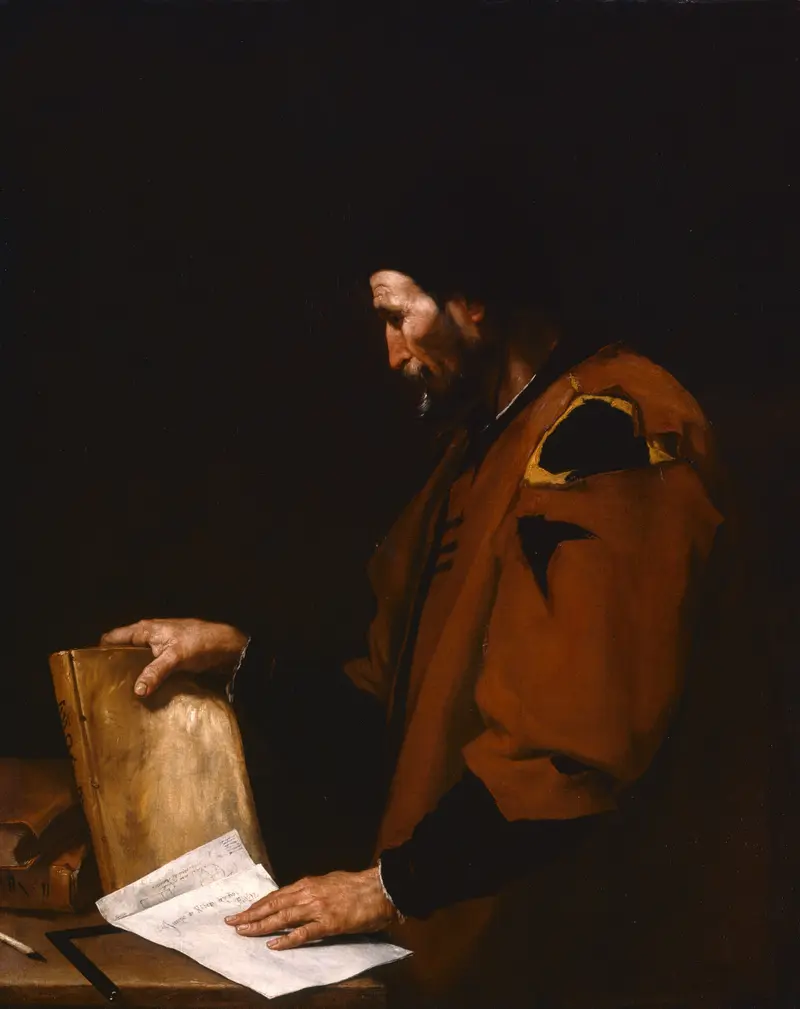
Aristotle
Jusepe de Ribera
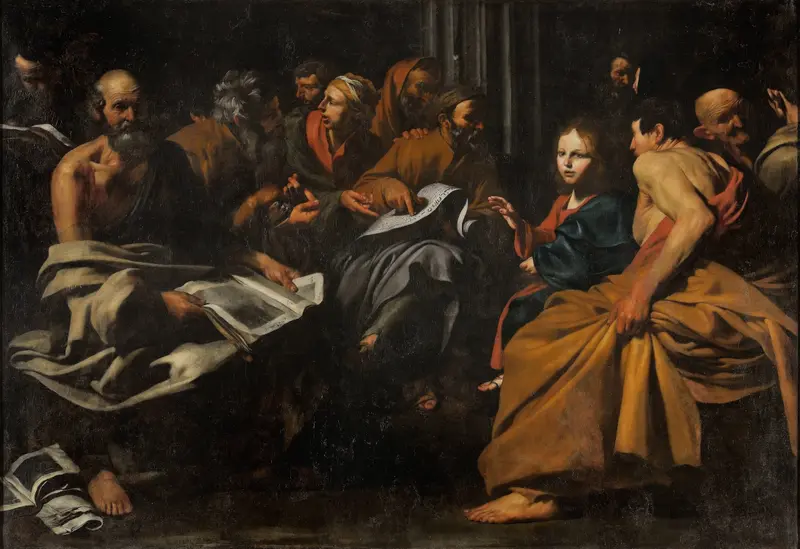
Christ among the doctors
Jusepe de Ribera





