
David with the Head of Goliath — History & Facts
Few biblical tales have inspired as many artists as the dramatic showdown between David and Goliath, but Simon Vouet’s David with the Head of Goliath stands out for its theatrical intensity and psychological charge. Painted during the early seventeenth century, when Vouet was at the height of his powers and had just returned to France from a transformative stay in Italy, this work reflects the feverish taste for Caravaggesque drama sweeping Europe. The exact date and circumstances of its creation remain uncertain, but the painting’s bold lighting and youthful hero suggest Vouet was keenly aware of—and perhaps competing with—the innovations of Caravaggio and his followers. At the heart of the canvas, David stands triumphant, the severed head of Goliath gripped firmly in his hand.
Vouet chooses the moment after the battle, when the shepherd boy, flushed with victory, presents his grisly trophy to the viewer. The sharp contrast of light and shadow carves David’s features in relief, highlighting his determined gaze and the sinewy tension in his arm. The sword, still gleaming, and the oversized head at his feet are not just props but emblems: the sword speaks to divine justice, the head to the defeat of arrogance.
Unlike Caravaggio’s haunted, introspective Davids, Vouet’s hero is confident, almost theatrical—a testament to the French Baroque’s flair for spectacle. The journey of David with the Head of Goliath through collections is not fully charted; its early history is shrouded in the same uncertainty that surrounds much of Vouet’s output from this period. What is clear is that the painting exemplifies Vouet’s synthesis of Italian chiaroscuro with the decorative elegance that would soon dominate French art. Today, the work is recognized as a key example of Vouet’s transition from Italian influences to a distinctly French voice, and it remains a touchstone for understanding the spread of Baroque sensibilities across Europe.
Its current home in a public or private collection continues to attract scholars and admirers, who see in it both the drama of the biblical story and the ambitions of a painter at a crossroads.
More Artworks by Simon Vouet

Portrait of Louis XIII
Simon Vouet
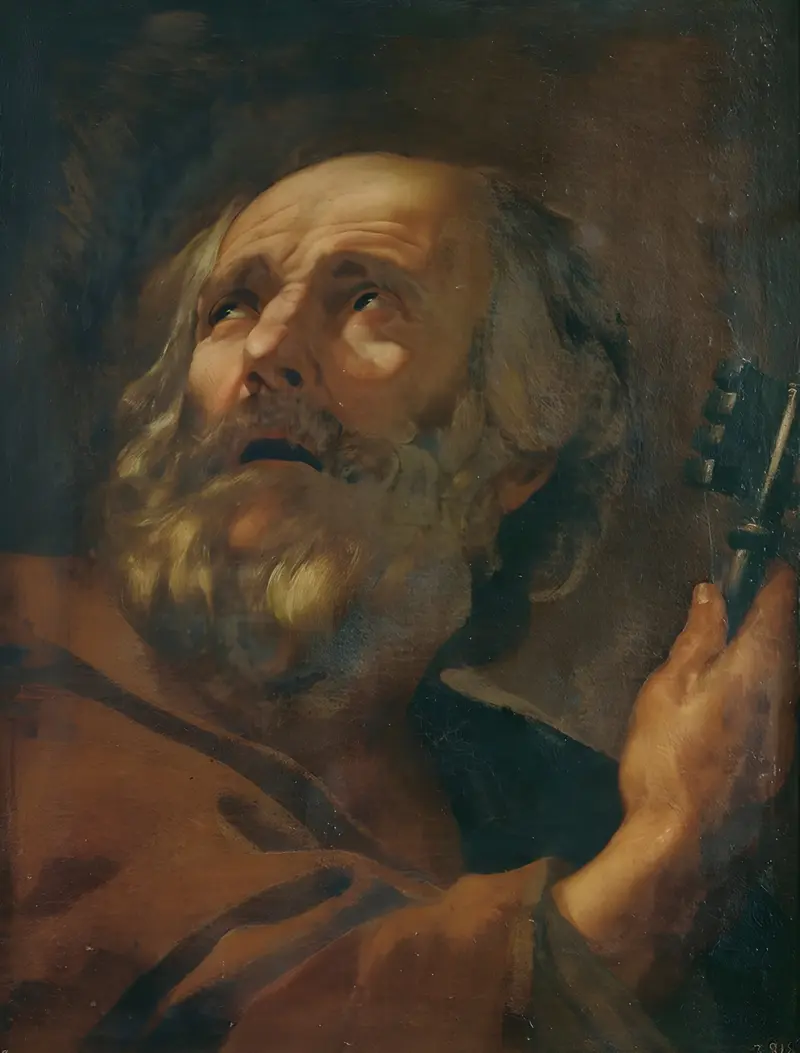
Saint Peter
Simon Vouet
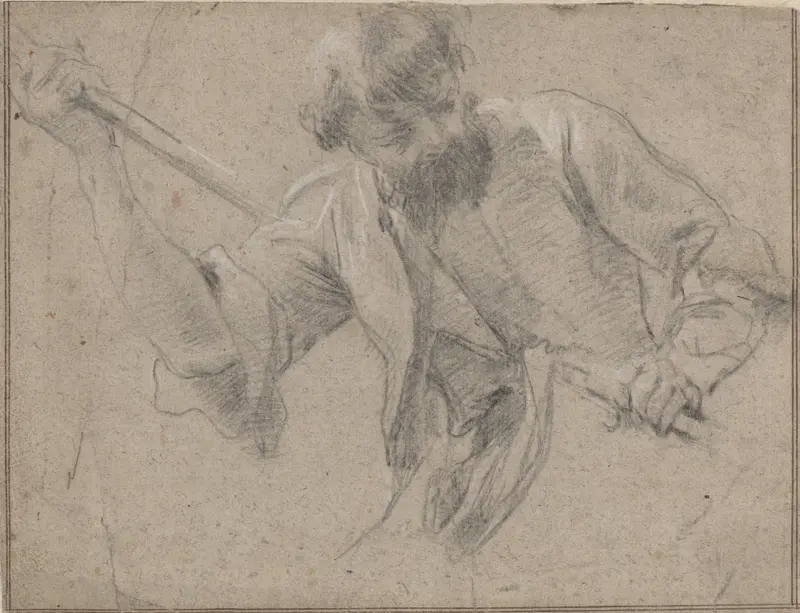
A Bearded Man with a Staff
Simon Vouet
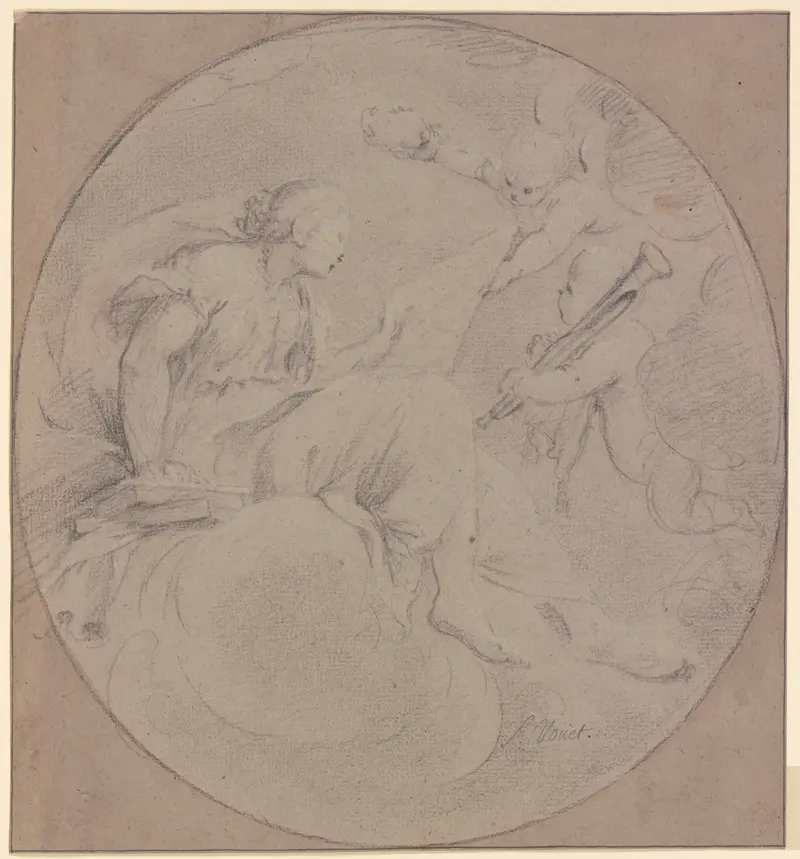
Die Muse der Musik mit zwei Genien, deren einer eine Trompete trägt
Simon Vouet
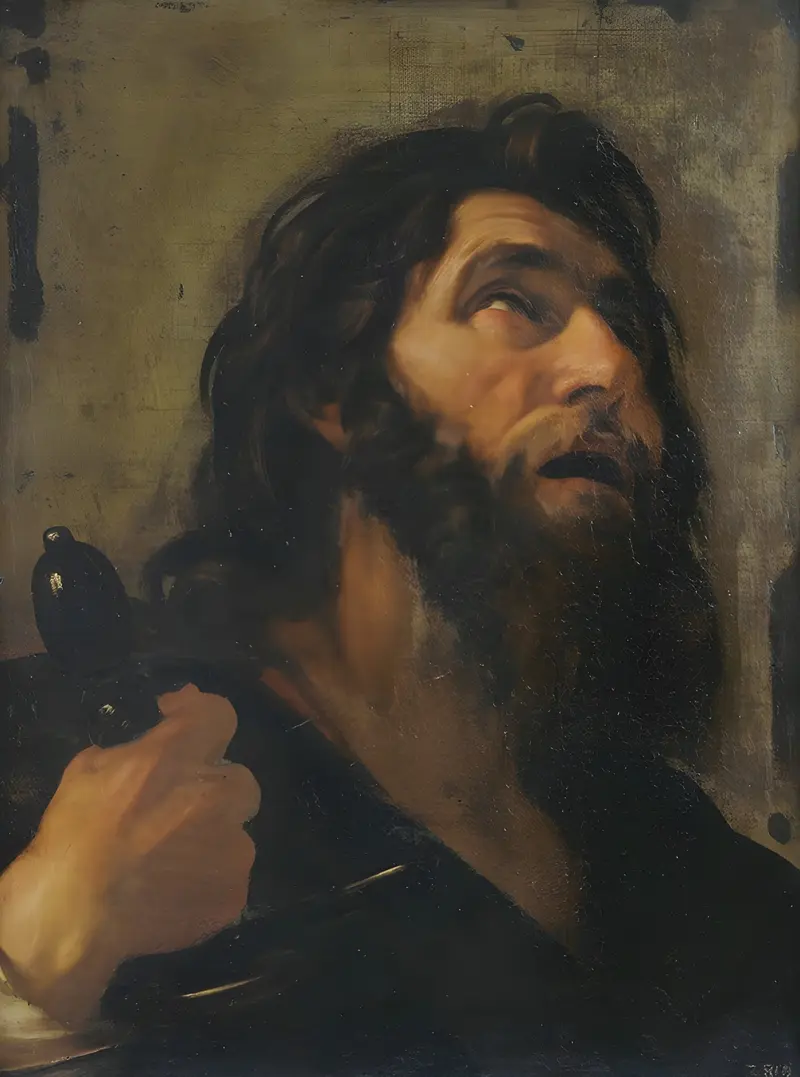
Saint Paul
Simon Vouet
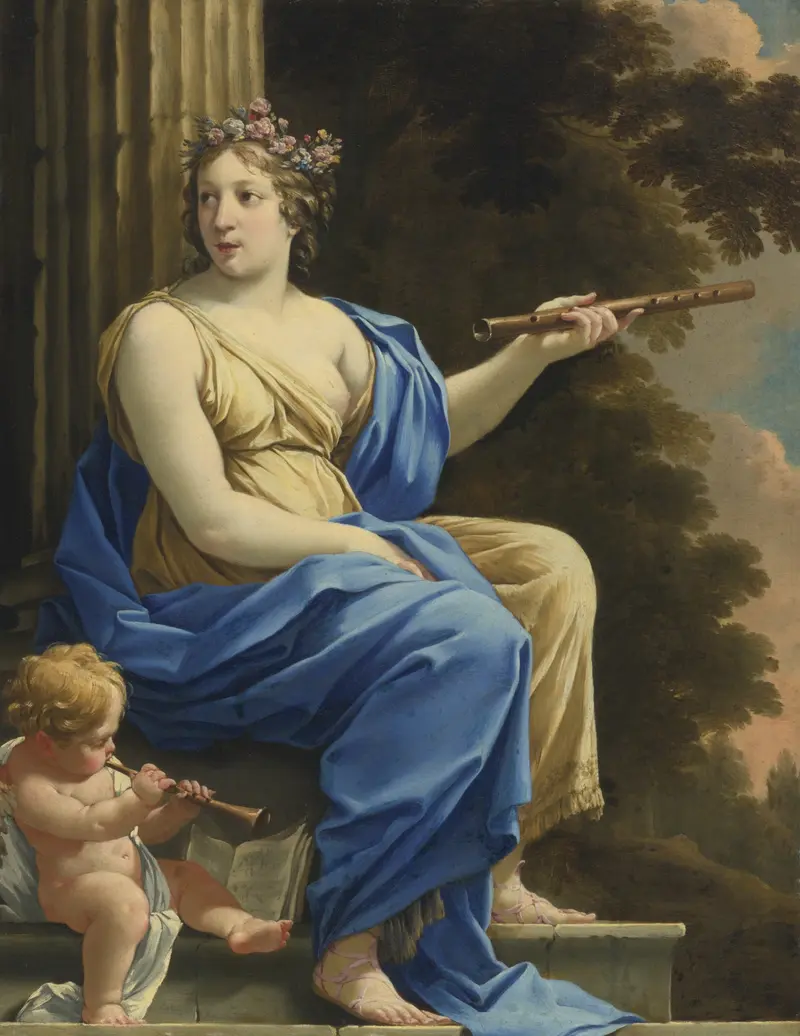
Euterpe, The Muse Of Music And Lyric Poetry
Simon Vouet
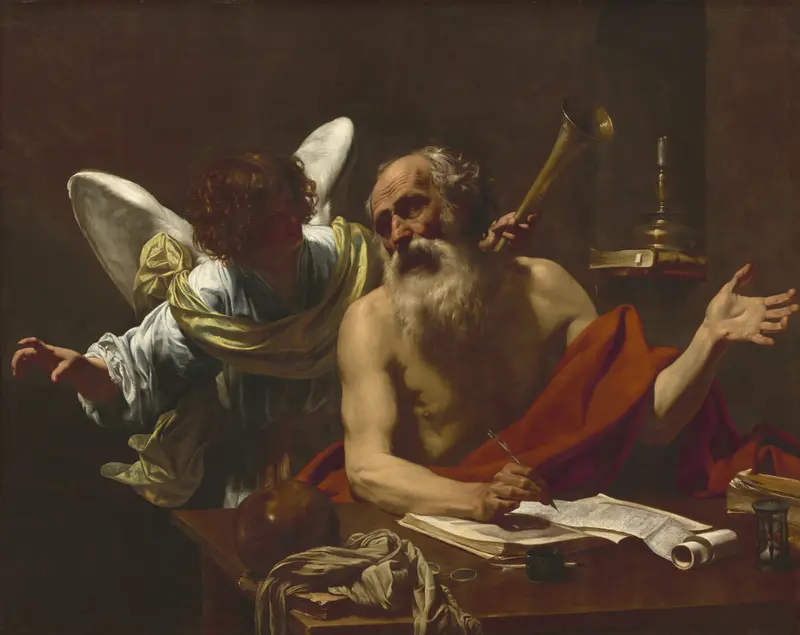
Saint Jerome and the Angel
Simon Vouet
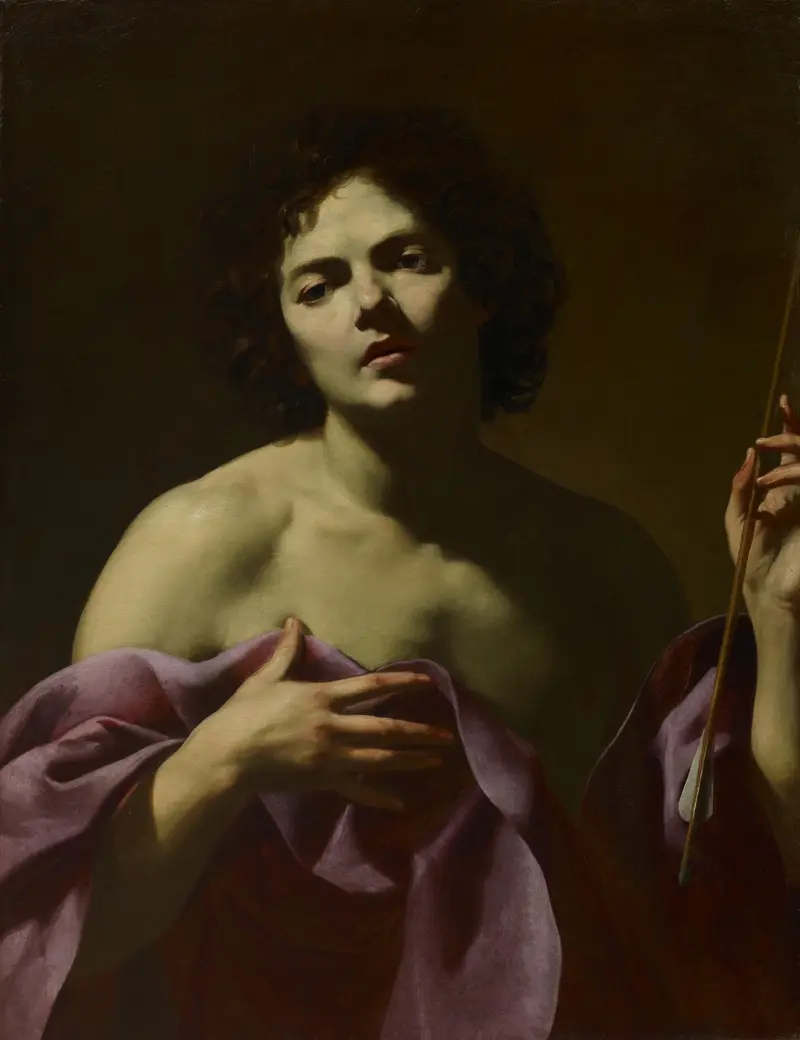
Saint Sebastian
Simon Vouet
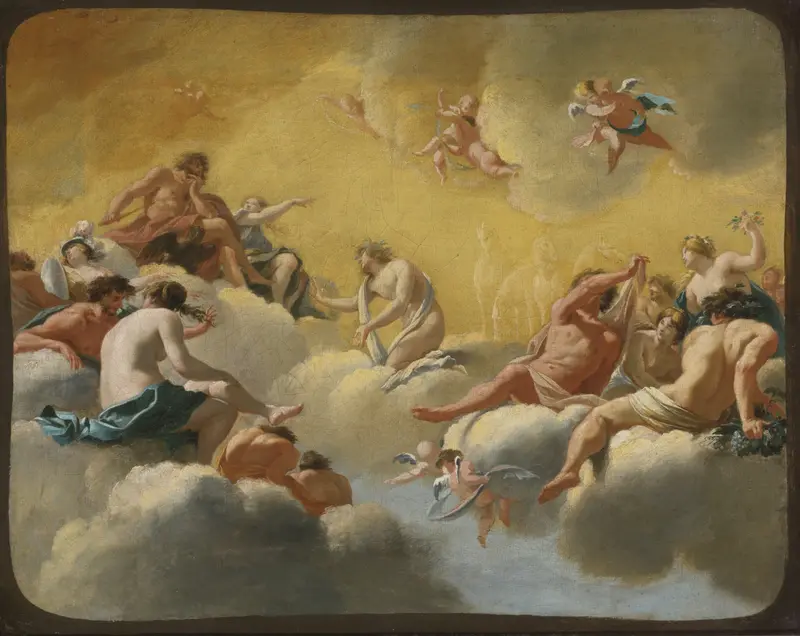
Assembly Of The Gods
Simon Vouet
Madonna and Child
Simon Vouet





