
De aanbidding door een herder, brandende braambos en de bloeiende staf van Aäron — History & Facts
What if silence could speak through light? In De aanbidding door een herder, brandende braambos en de bloeiende staf van Aäron, the ethereal glow illuminates both innocence and reverence, inviting contemplation of the divine. Look to the center of the canvas; the shepherd kneels, his posture humble, captivated by the heavenly radiance emanating from the child. Notice how the light falls upon the figures, creating a stark contrast between the earthy tones of the shepherd’s garb and the shimmering whiteness surrounding the infant. Each brushstroke reveals a meticulous attention to detail, from the delicate flowers on the blooming staff in the foreground to the vibrant flames of the burning bush, uniting nature and spirituality through rich, warm hues. Within this sacred scene, the juxtaposition of the shepherd’s humble devotion against the celestial wonder embodies the theme of innocence.
The shepherd, embodying simplicity and purity, contrasts with the complex symbolism of the burning bush and flowering staff, which suggests divine intervention and the merging of the earthly with the divine. These elements resonate with deeper meanings of faith, guidance, and the miraculous, inviting the viewer to ponder their own relationship with the sacred. Created between 1525 and 1530, the work reflects a period where the Northern Renaissance was blossoming, marked by a renewed focus on humanism and spiritual themes. Van Oostsanen, a prominent figure in this artistic movement, was navigating the intricate landscape of religious transformation and artistic exploration in the Netherlands, creating pieces that resonated with both the spiritual and the everyday.
More Artworks by Jacob Cornelisz van Oostsanen
Browse all →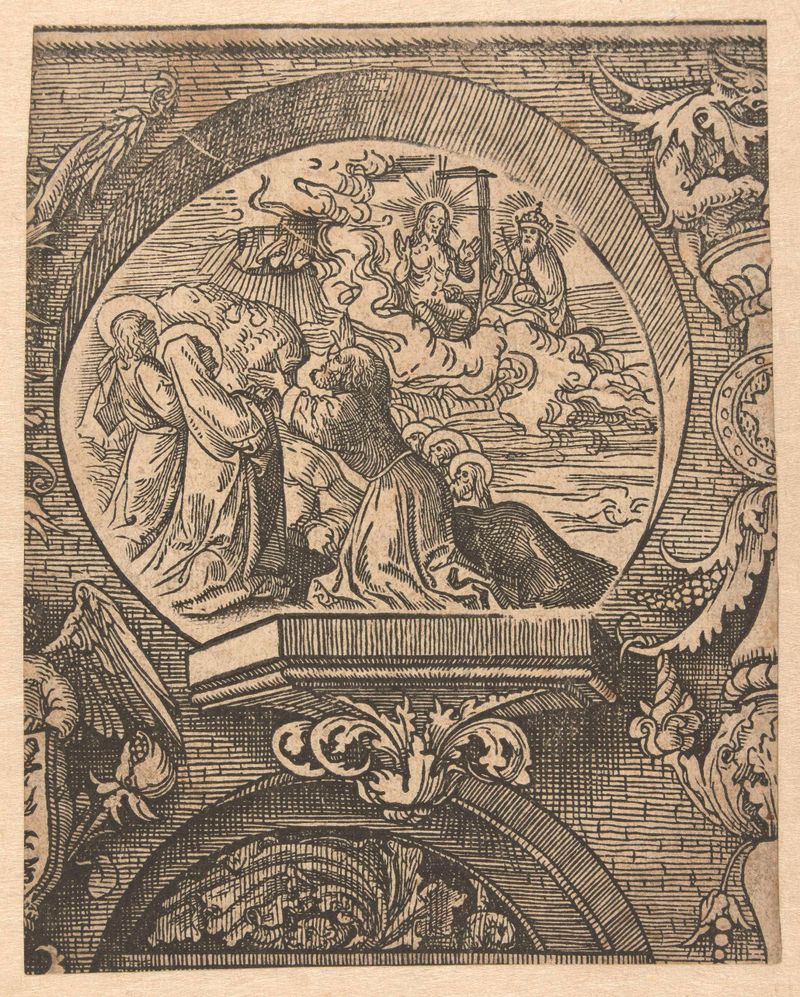
De hemelvaart en Christus voor God de Vader
Jacob Cornelisz van Oostsanen
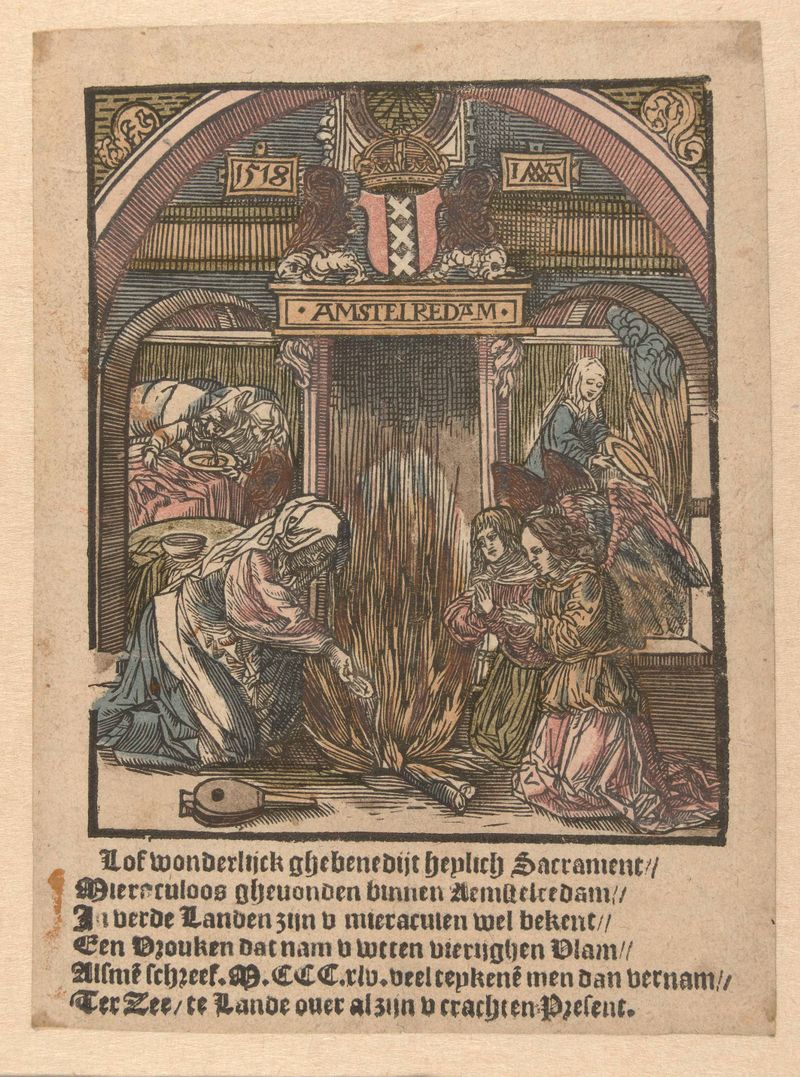
Het hostiewonder van Amsterdam
Jacob Cornelisz van Oostsanen
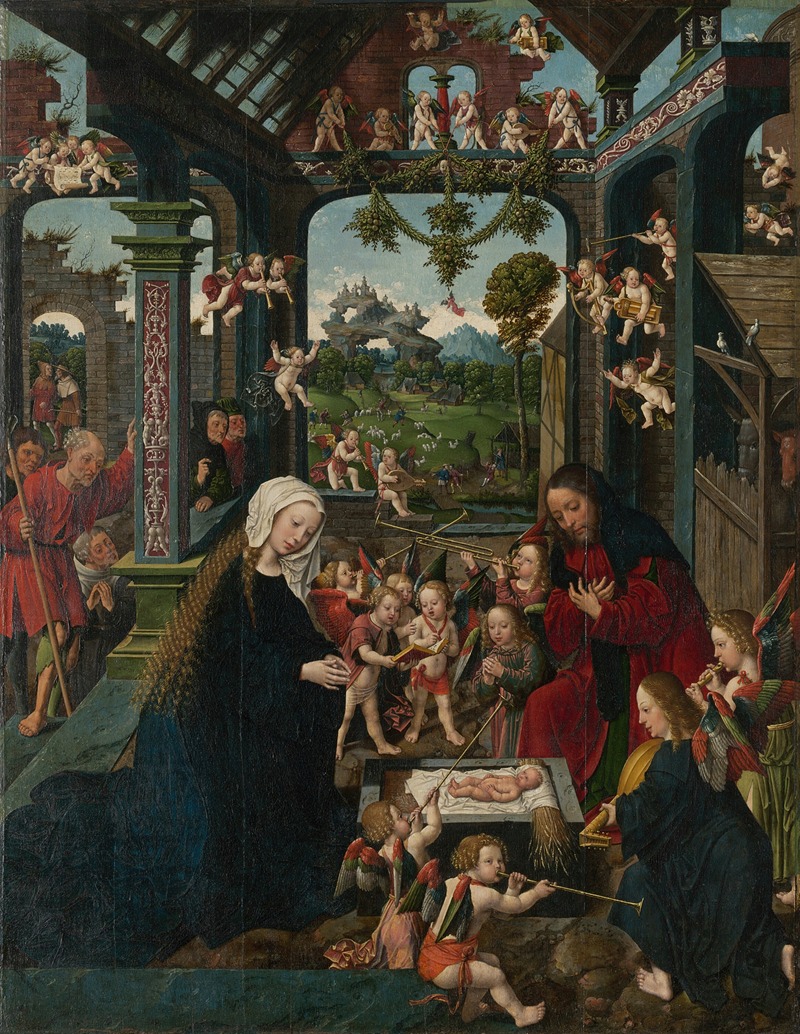
The Adoration of the Christ Child
Jacob Cornelisz van Oostsanen
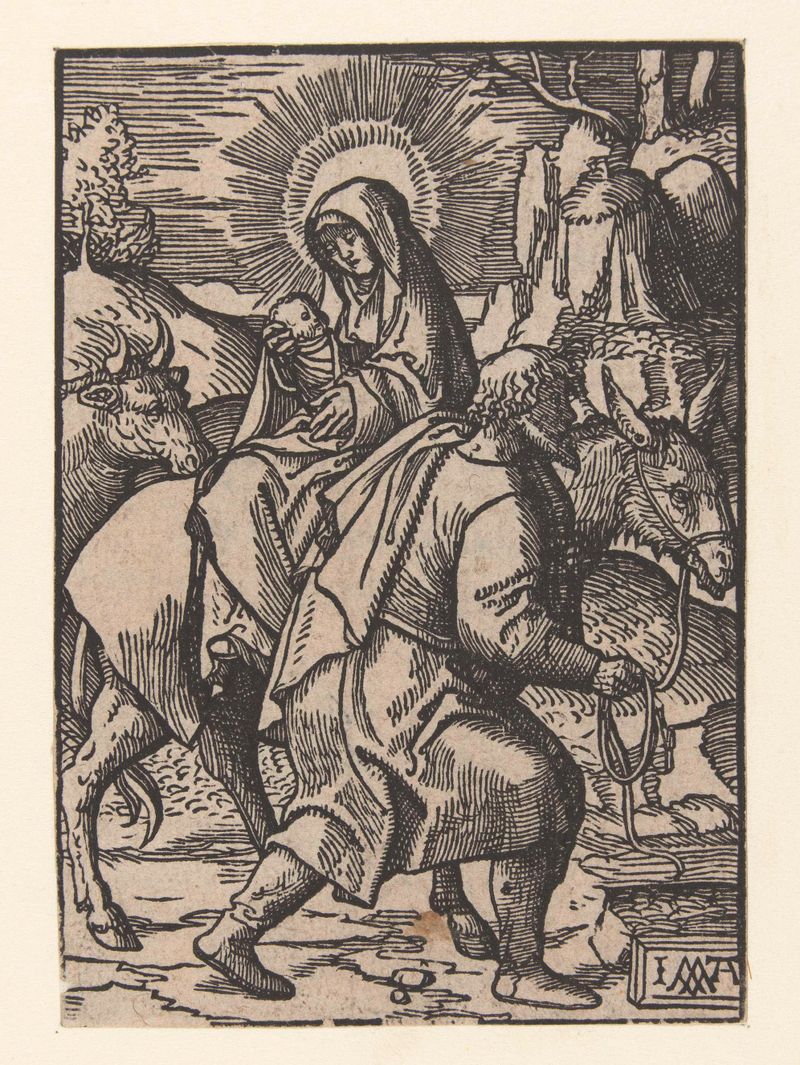
Vlucht naar Egypte
Jacob Cornelisz van Oostsanen
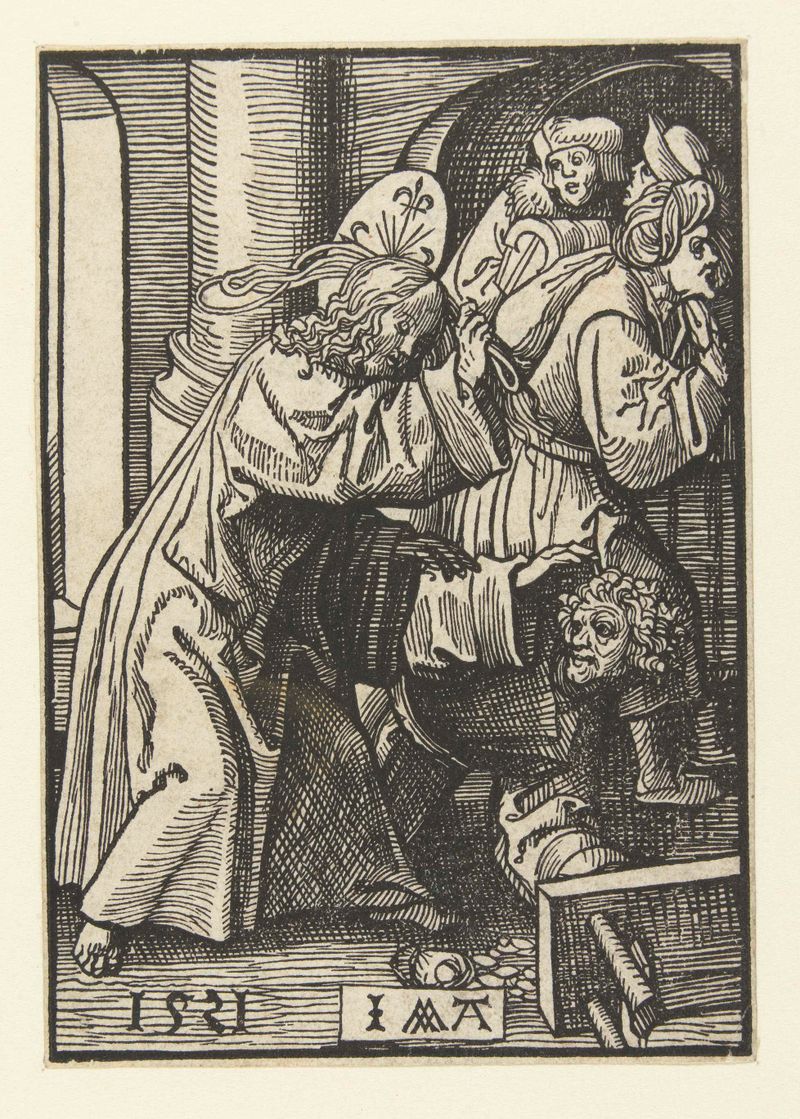
Verdrijving van de handelaren uit de tempel
Jacob Cornelisz van Oostsanen
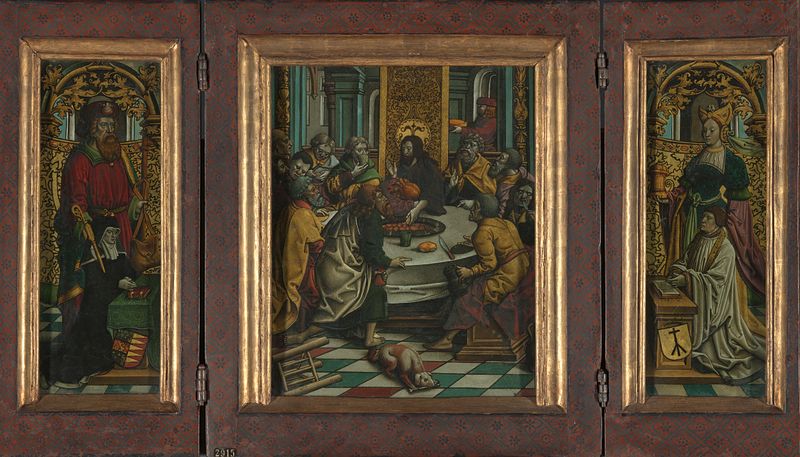
Triptych with the Last Supper and Donors
Jacob Cornelisz van Oostsanen
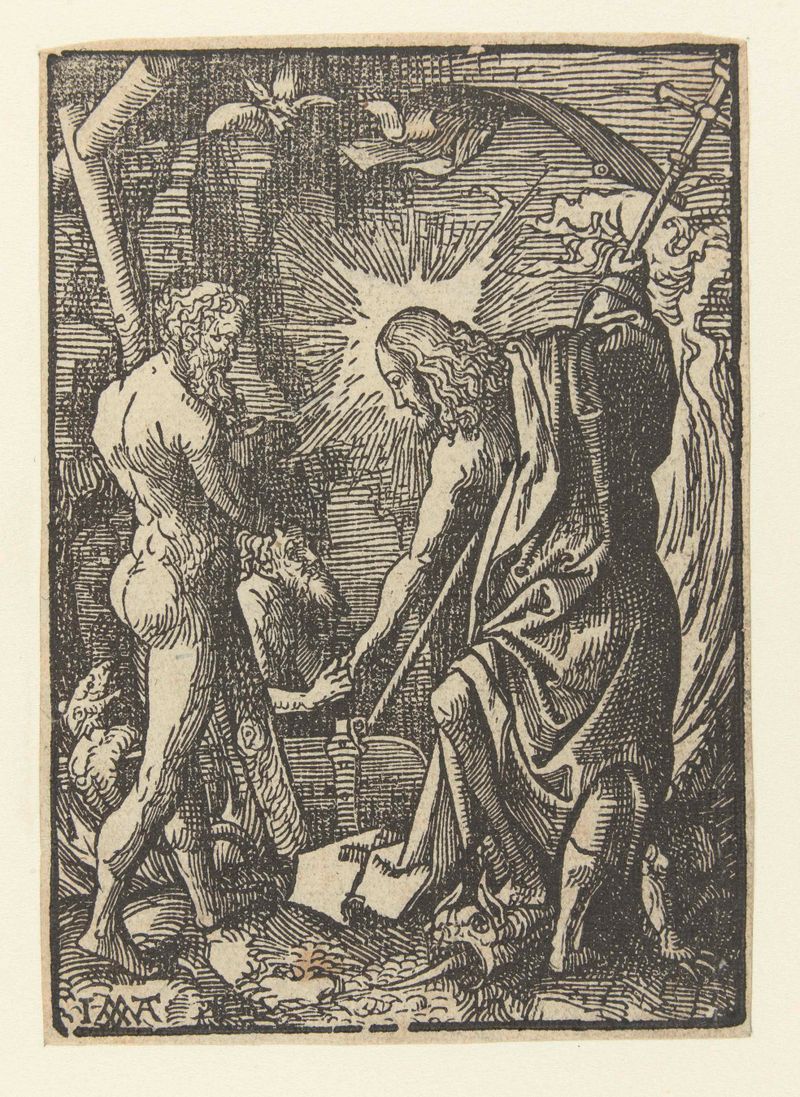
Christus in het voorgeborchte
Jacob Cornelisz van Oostsanen
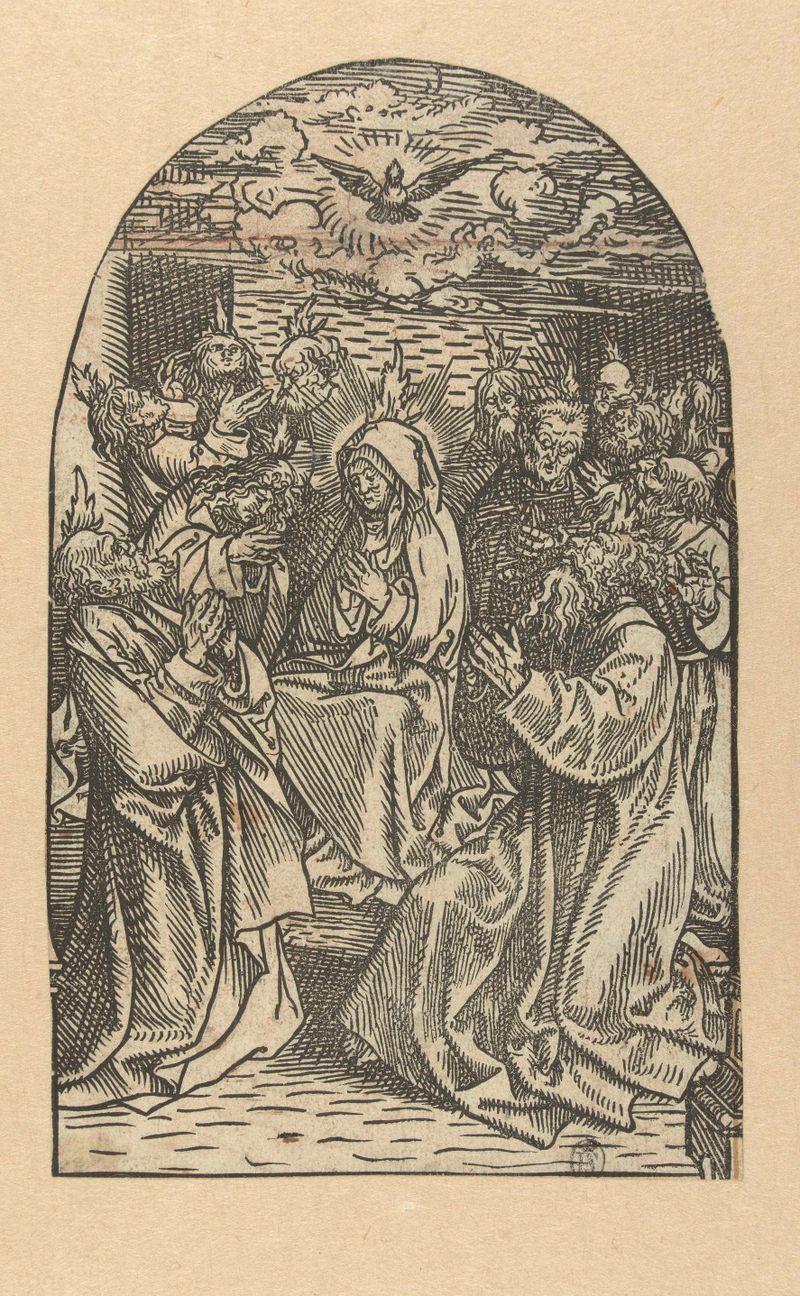
Uitstorting van de Heilige Geest
Jacob Cornelisz van Oostsanen
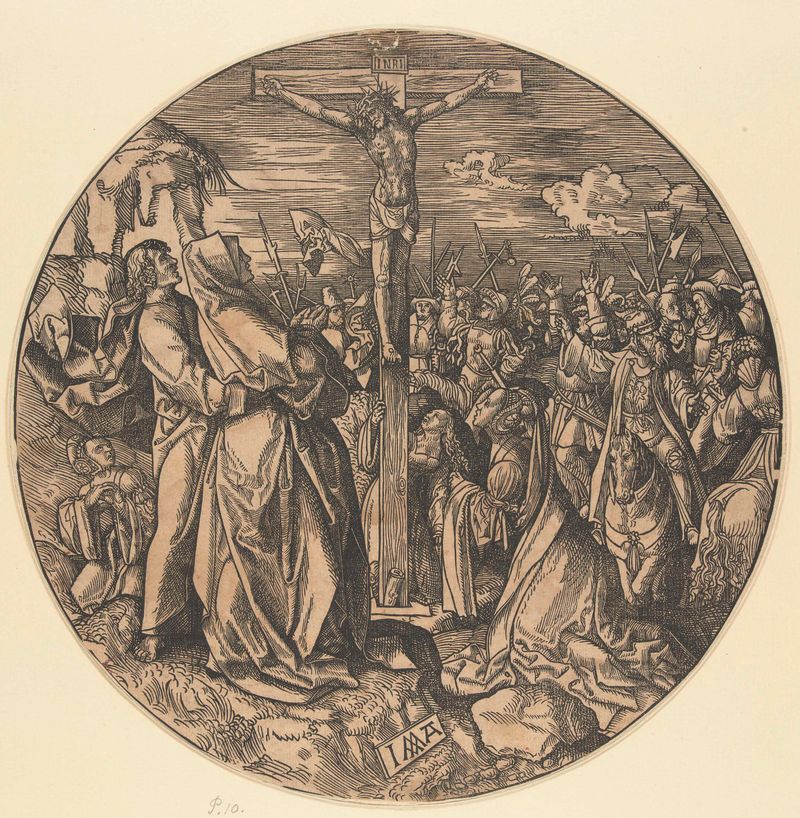
Christus aan het kruis
Jacob Cornelisz van Oostsanen

De kruisiging en de graflegging van Christus
Jacob Cornelisz van Oostsanen
More Religious Art
Browse all →
The Return of the Prodigal Son
Rembrandt van Rijn

The Garden of Earthly Delights
El Bosco

Count Orgaz’ funeral
El Greco

The Hundred Guilder Print: the central piece with Christ preaching, the plate arched
Rembrandt van Rijn

The Descent from the Cross
Rogier van der Weyden

The return of the prodigal son
Rembrandt van Rijn