
De aderen van het menselijk lichaam — History & Facts
What secret hides in the quiet of the canvas? Beneath the surface of De aderen van het menselijk lichaam, a silent narrative unfolds, evoking a haunting sense of melancholy and introspection. Look first at the intricate network of veins that sprawls across the canvas, marveling at the delicate lines that weave together the human form. The artist employs a muted palette, with subtle shades of gray and brown, to enhance the intimate yet clinical portrayal of anatomy. Notice how light gently caresses the veins, drawing attention to their fragility while simultaneously celebrating the complexity of life.
The composition is a meticulous blend of realism and abstraction, inviting the viewer to question the relationship between body and soul. Delve deeper into the work, and you’ll discover the emotional undercurrents at play. The silent complexity of the veins poignantly reflects the struggles of the human experience—each line a reminder of vulnerability and the inevitability of mortality. There’s a profound contrast between the precision of the anatomical study and the overwhelming sense of introspection, urging viewers to contemplate their own existence.
The painting evokes a tension between scientific inquiry and the melancholy of human fragility, urging reflection on the intersection of life and art. Cornelis Anthonisz painted this work in the early 16th century, a time when the study of anatomy was gaining prominence in the art world. His meticulous attention to detail mirrored the broader Renaissance interest in humanism and the exploration of the human body. Amidst the backdrop of a burgeoning era in scientific discovery, Anthonisz’s work serves as a poignant reminder of the delicate balance between knowledge and the emotional weight of our own humanity.
More Artworks by Cornelis Anthonisz.
Browse all →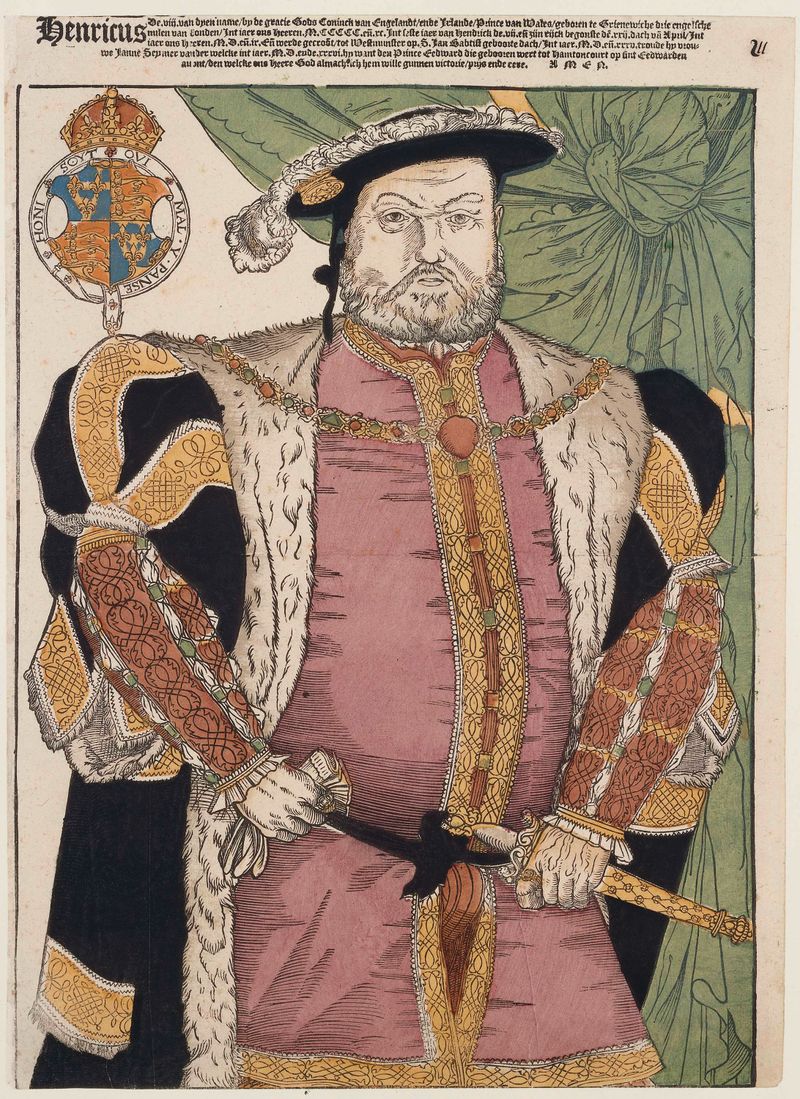
Portret van Hendrik VIII van Engeland
Cornelis Anthonisz.

Portret van Hendrik VIII van Engeland
Cornelis Anthonisz.

Portret van Maarten van Rossum te paard
Cornelis Anthonisz.
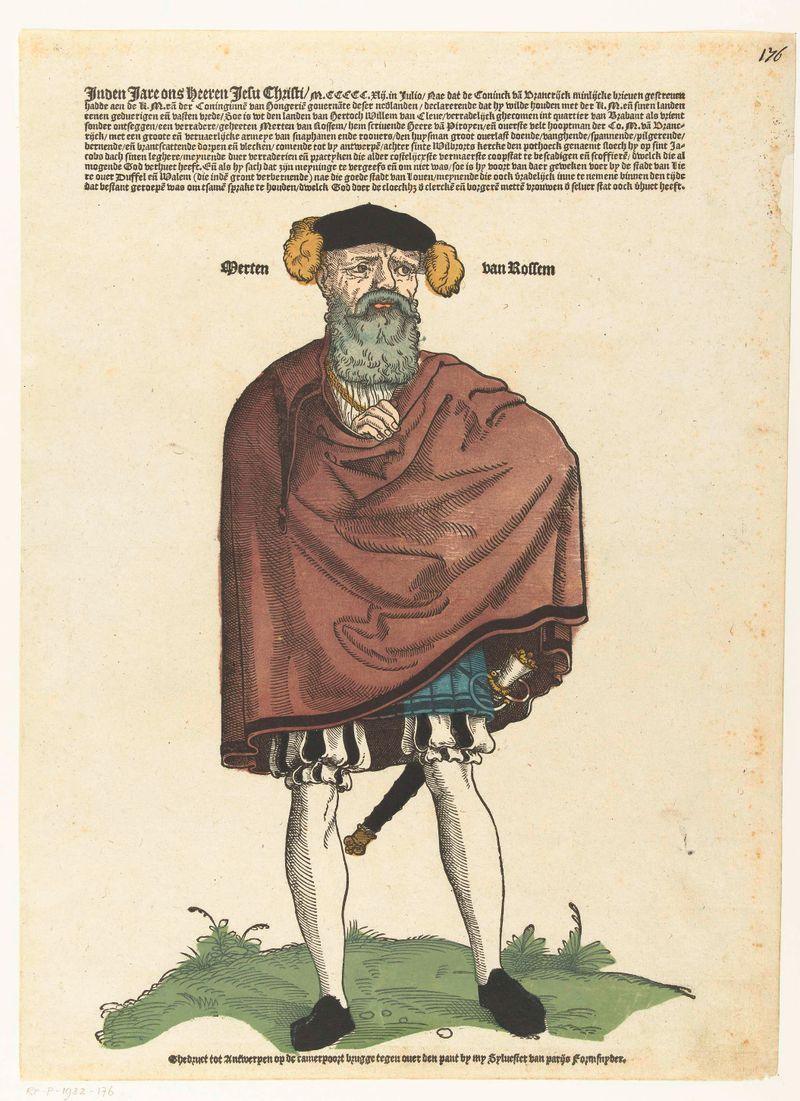
Portret van Maarten van Rossum
Cornelis Anthonisz.

De verloren zoon eet uit de varkenstrog
Cornelis Anthonisz.
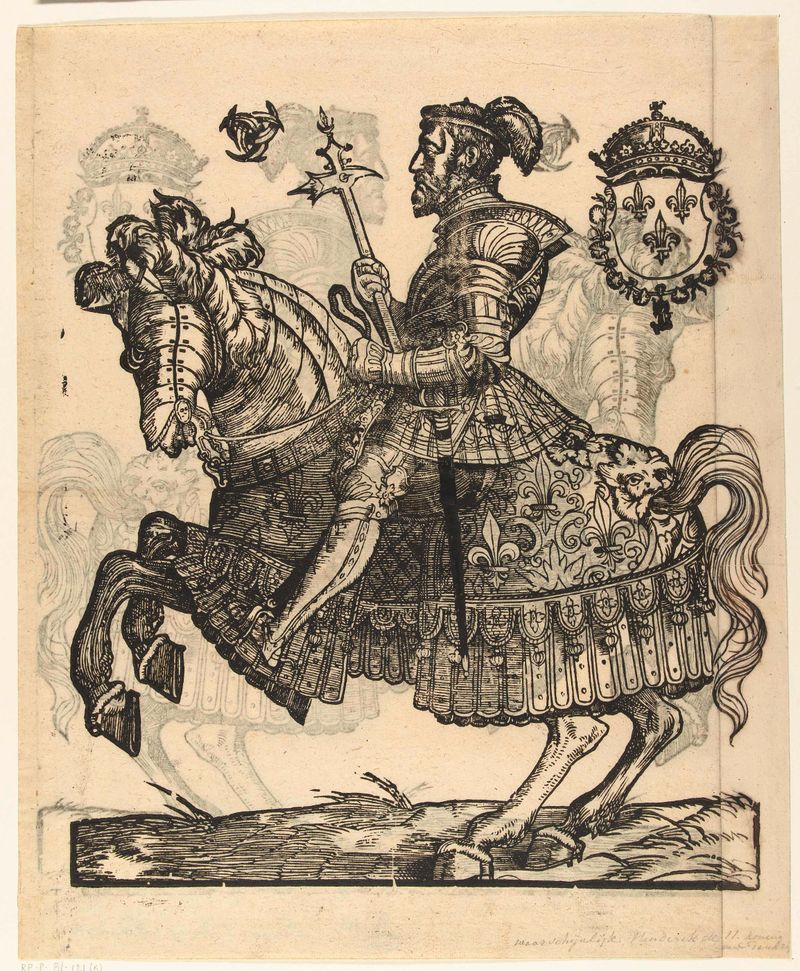
Portret van Hendrik II van Frankrijk te paard
Cornelis Anthonisz.

Portret van hertog Willem van Kleef, Gulik en Berg, graaf van Mark, heer van Ravenstein te paard
Cornelis Anthonisz.

Portret van Karel V te paard
Cornelis Anthonisz.

Portret van Maria van Hongarije te paard
Cornelis Anthonisz.
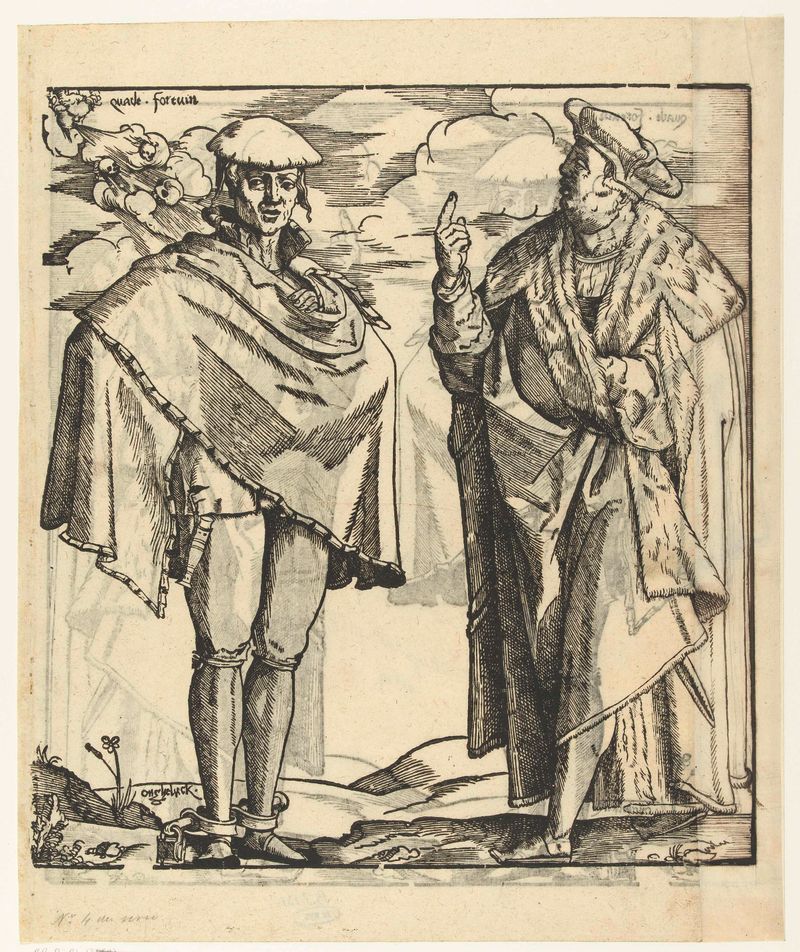
De lichtzinnige jeugd
Cornelis Anthonisz.





