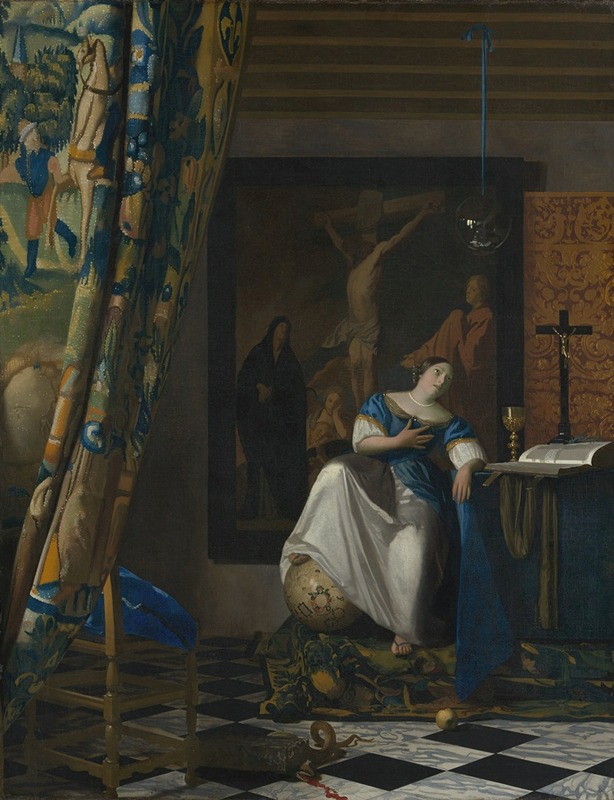
De arts en de Dood — History & Facts
In the delicate interplay between light and shadow, transformation emerges not just as a concept but as a visceral presence. Look closely at the figures in De arts en de Dood, where the artist orchestrates a profound dialogue between vitality and mortality. To the right, the vibrant representation of the arts, personified perhaps as a muse, stands in stark contrast to the skeletal figure of Death looming nearby. The soft pastels of the arts evoke a sense of life, while the darker, muted shades of the skeletal figure suggest inevitability.
Notice how the careful lines create a fluid movement, guiding the eye from the joyful expressions of creation to the haunting visage of oblivion, encapsulating the tension between creation and cessation. Beyond the surface, this piece speaks of the fragility of human achievement. The juxtaposition of the exuberant arts and the foreboding presence of Death suggests that all beauty is ephemeral; every brushstroke, every note composed, is a celebration that stands in defiance of time's relentless advance. The delicate balance between light and dark hints at a deeper truth—every act of creation is intertwined with the specter of its end, a reminder that transformation is an everlasting cycle. Created around 1680, Wenceslaus Hollar was immersed in a time of profound artistic exploration in Europe.
His engravings and etchings reflected the Baroque fascination with the interplay of light and shadow, as well as the emerging interest in allegorical representation. Living in a world shaped by the shifting tides of culture, Hollar’s work embodies a poignant moment where art becomes a vessel for confronting the mysteries of existence and the inevitability of change.
More Artworks by Wenceslaus Hollar
Browse all →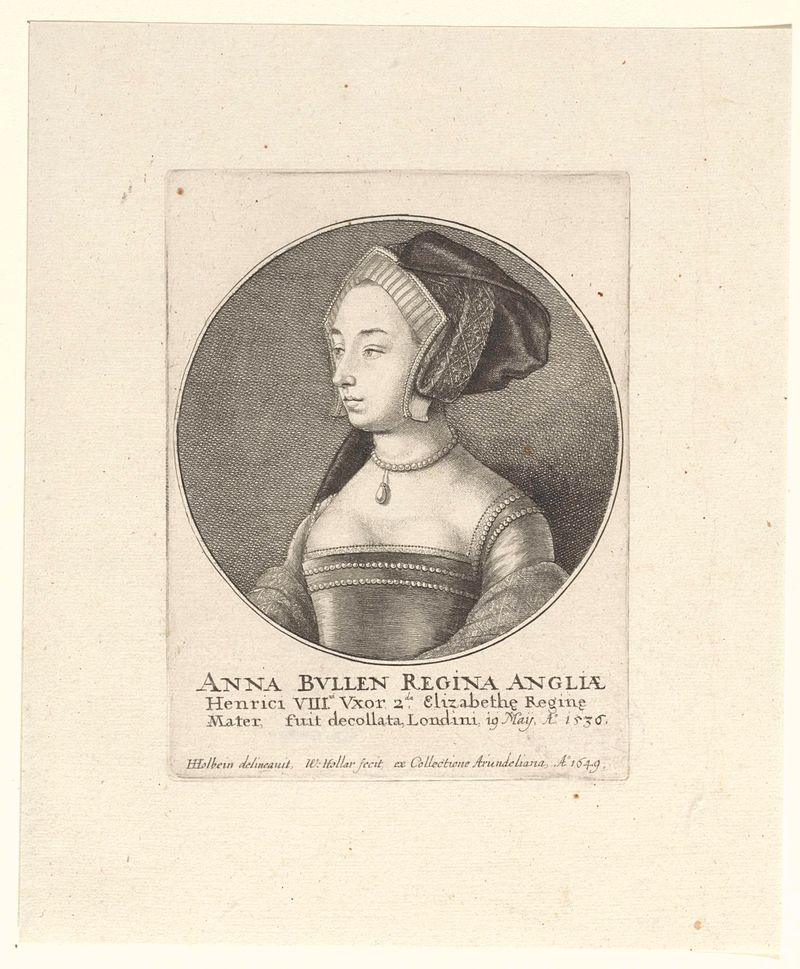
Portret van Anna Boleyn, koningin van Engeland
Wenceslaus Hollar
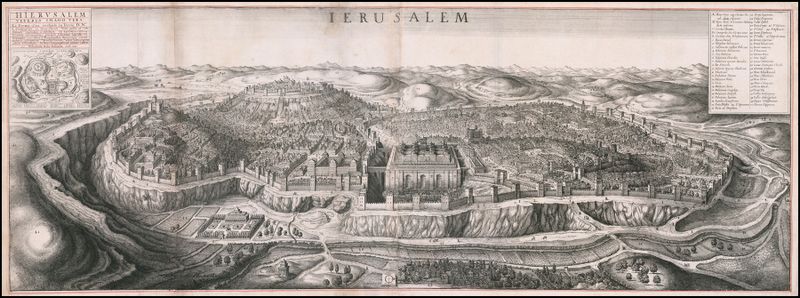
Bird’s eye view of Jerusalem
Wenceslaus Hollar
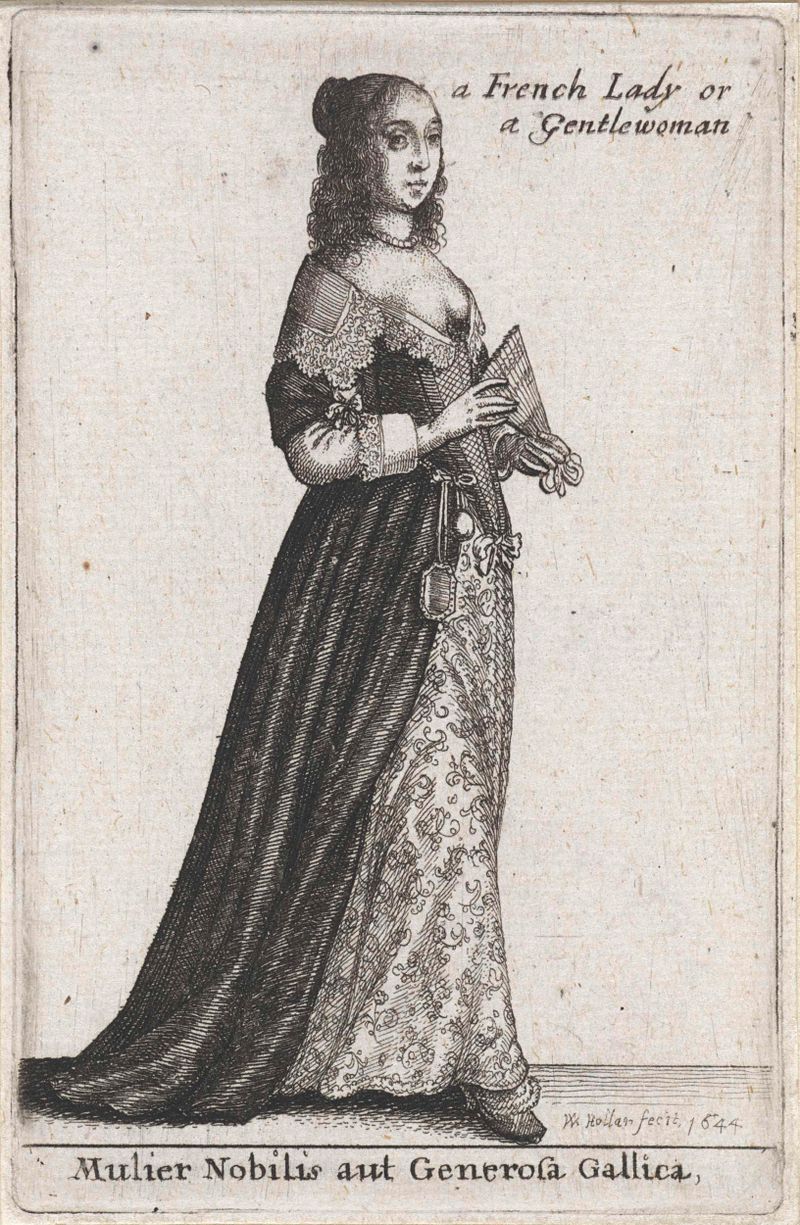
Mulier Nobilis aut Generosa Gallica / a French Lady or Gentlewoman
Wenceslaus Hollar
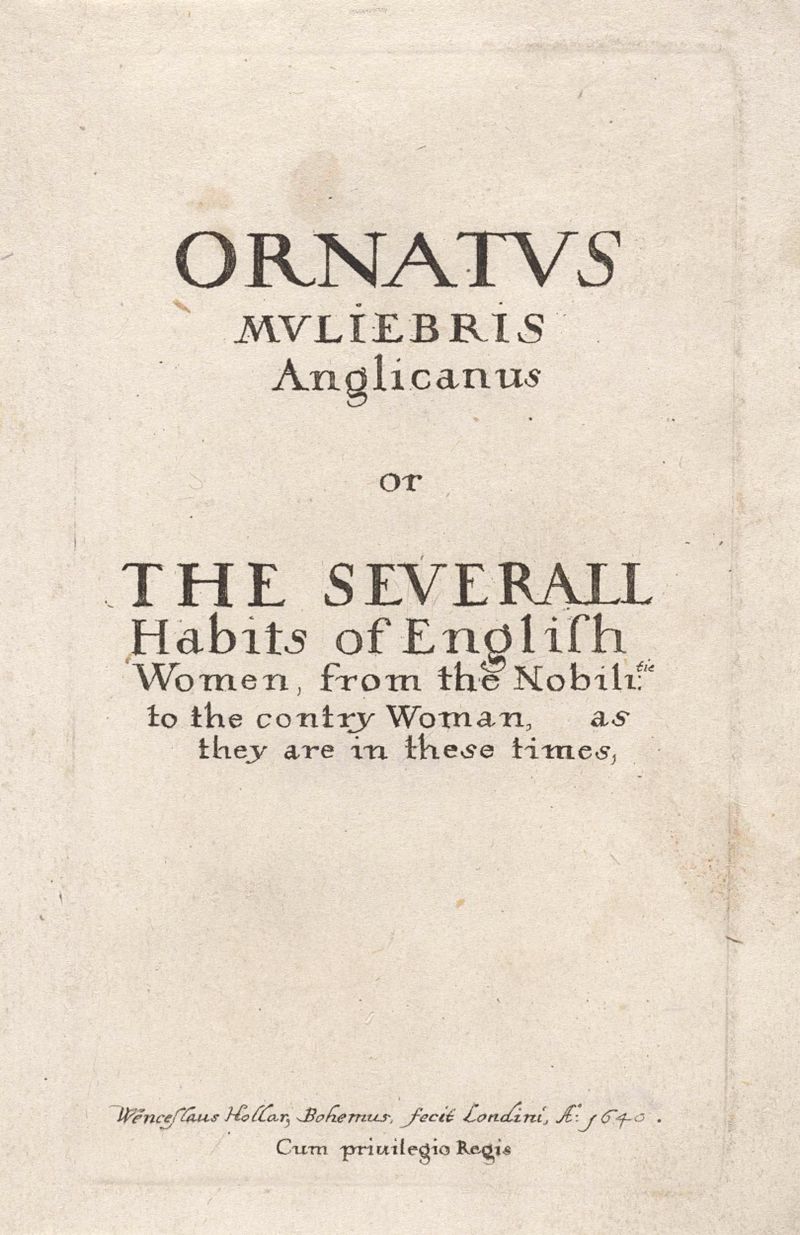
Titelprent voor: Ornatus Muliebris Anglicanus
Wenceslaus Hollar
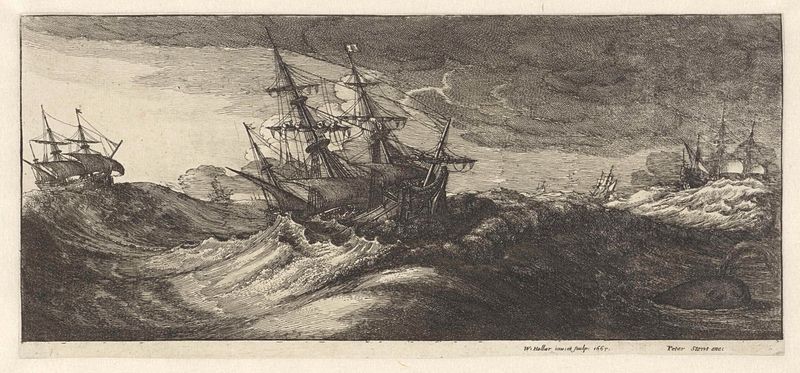
Oorlogsschepen en een walvis in een zeestorm
Wenceslaus Hollar
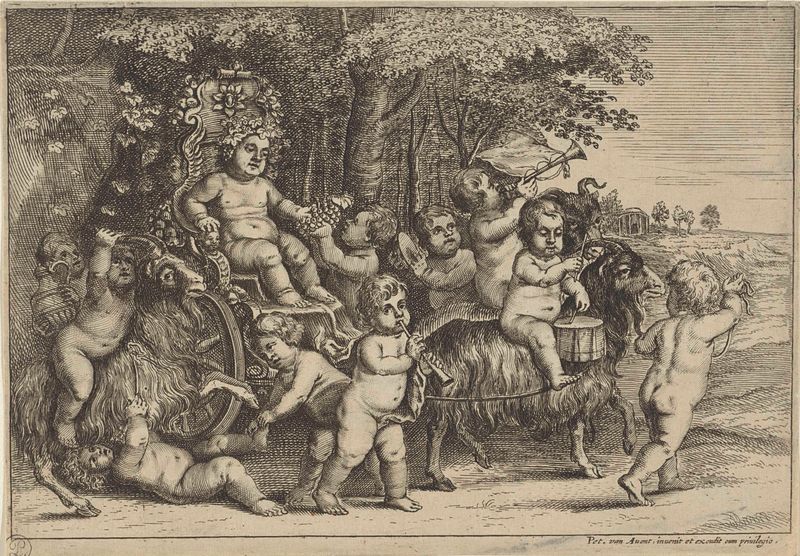
Optocht van bacchant en jongetjes op geiten
Wenceslaus Hollar
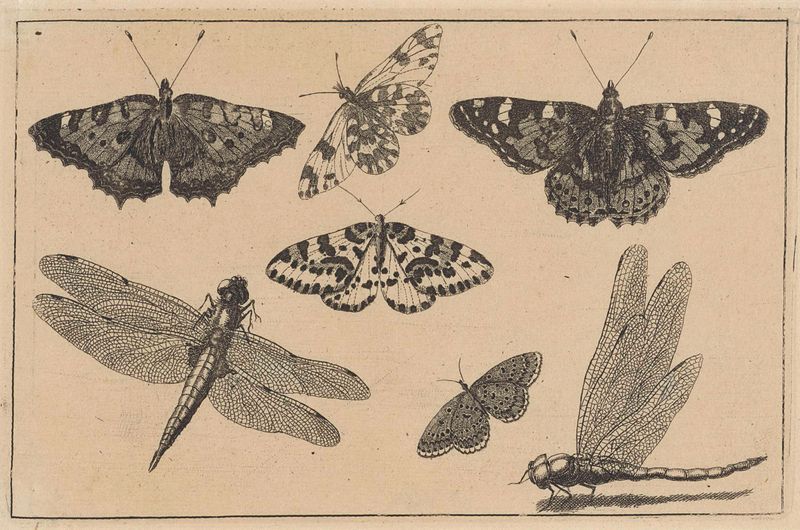
Twee libellen en vijf vlinders
Wenceslaus Hollar
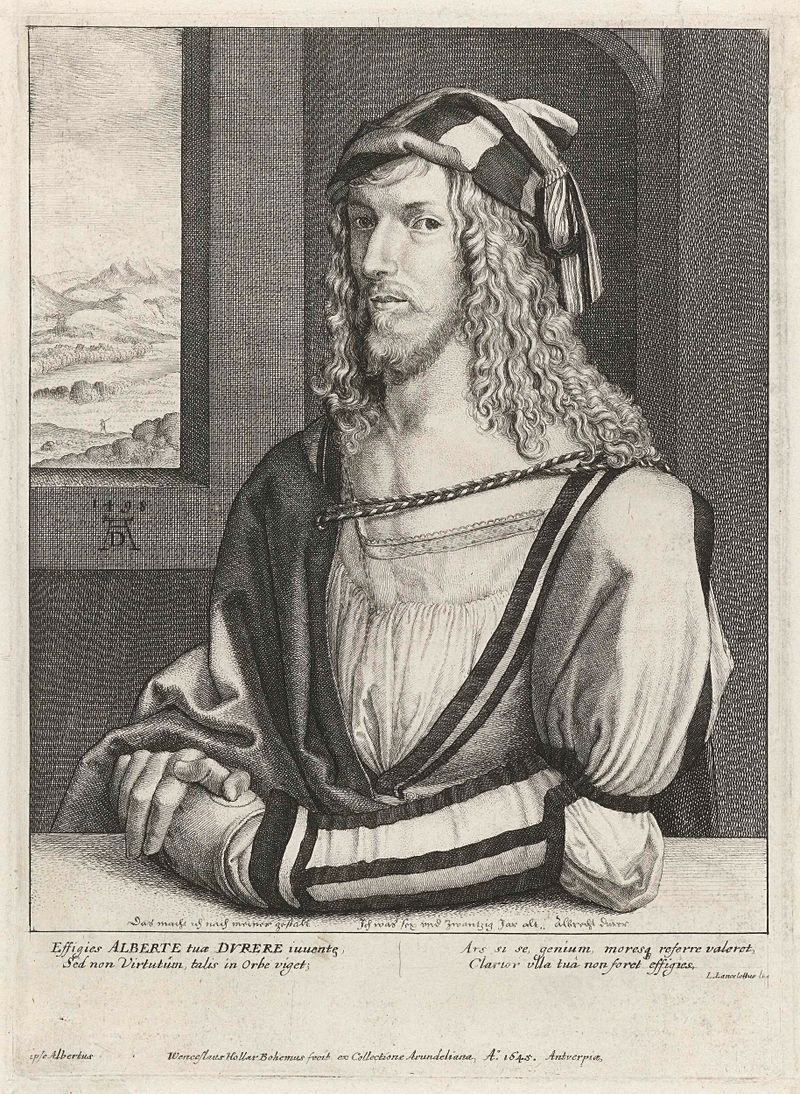
Portret van Albrecht Dürer
Wenceslaus Hollar
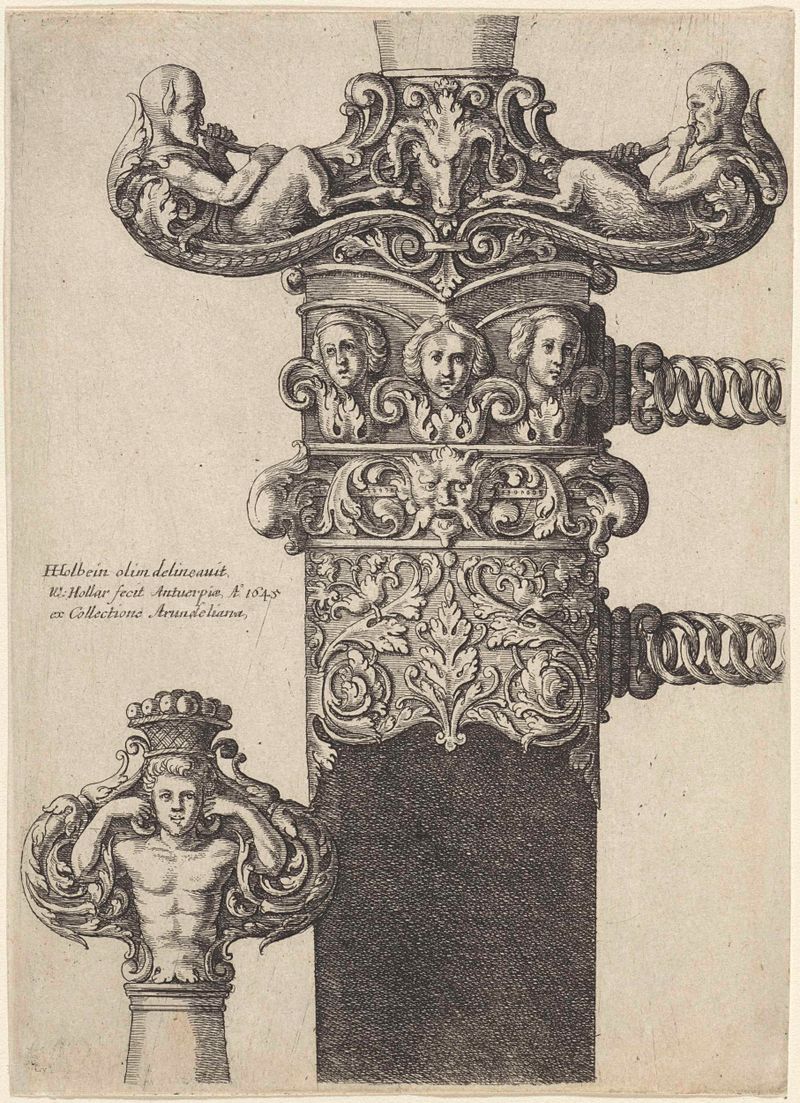
Ornamenteel ontwerp voor een dolk
Wenceslaus Hollar
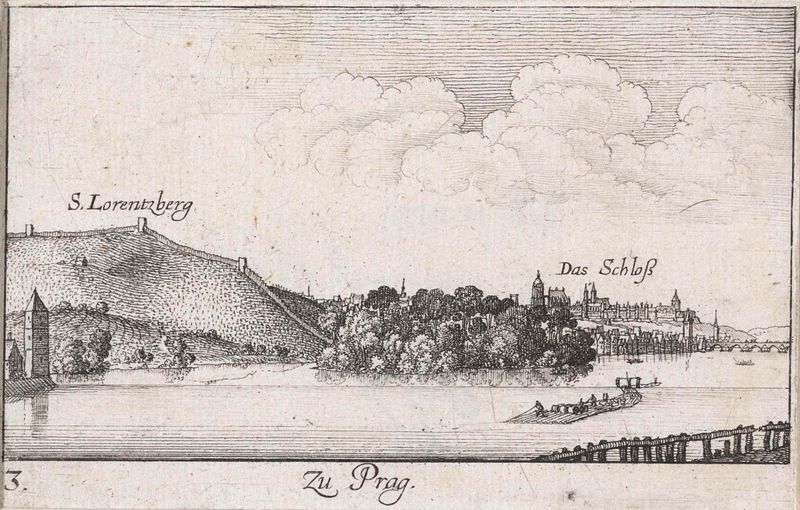
Gezicht op Praag vanaf de Moldau
Wenceslaus Hollar