
De bespotting van Noach en van Elias — History & Facts
Where does light end, and longing begin? In the shadows of the human psyche, we find madness lurking just beneath the surface, as if waiting for the moment to unravel. Focus on the figures in De bespotting van Noach en van Elias, where two groups are poised in stark contrast. To the left, the mocking figures are draped in vibrant garments, their postures exaggerated as they jeer and point with theatrical disdain. Meanwhile, Noah stands composed, his face illuminated by a soft, ethereal light that betrays his inner turmoil, a beacon amidst the chaos.
The muted earth tones of the background deepen the emotional weight of the scene, drawing the eye towards the expressive gestures and contrasting emotions of the figures. The deeply layered work reveals multiple complexities, from the juxtaposition of mockery and dignity to the palpable tension between belief and skepticism. The figures' exaggerated expressions speak to the madness that often accompanies faith, suggesting a profound struggle between rationality and fervor. As the viewer gazes upon the scene, the dichotomy of light and dark becomes a metaphor for the inner conflict of human existence, a reflection of the tumultuous interplay between heart and mind. Jacob Cornelisz van Oostsanen painted this work between 1518 and 1522, during a period marked by religious upheaval and the burgeoning Renaissance art movement.
Living in Amsterdam, the artist was influenced by contemporary thought, navigating the tension between traditional religious themes and the emerging humanist ideas of the time. In this context, the painting not only showcases his mastery of color and form but also encapsulates the era’s anxieties regarding faith, identity, and the madness of societal judgment.
More Artworks by Jacob Cornelisz van Oostsanen
Browse all →
De hemelvaart en Christus voor God de Vader
Jacob Cornelisz van Oostsanen
Het hostiewonder van Amsterdam
Jacob Cornelisz van Oostsanen
The Adoration of the Christ Child
Jacob Cornelisz van Oostsanen
Vlucht naar Egypte
Jacob Cornelisz van Oostsanen
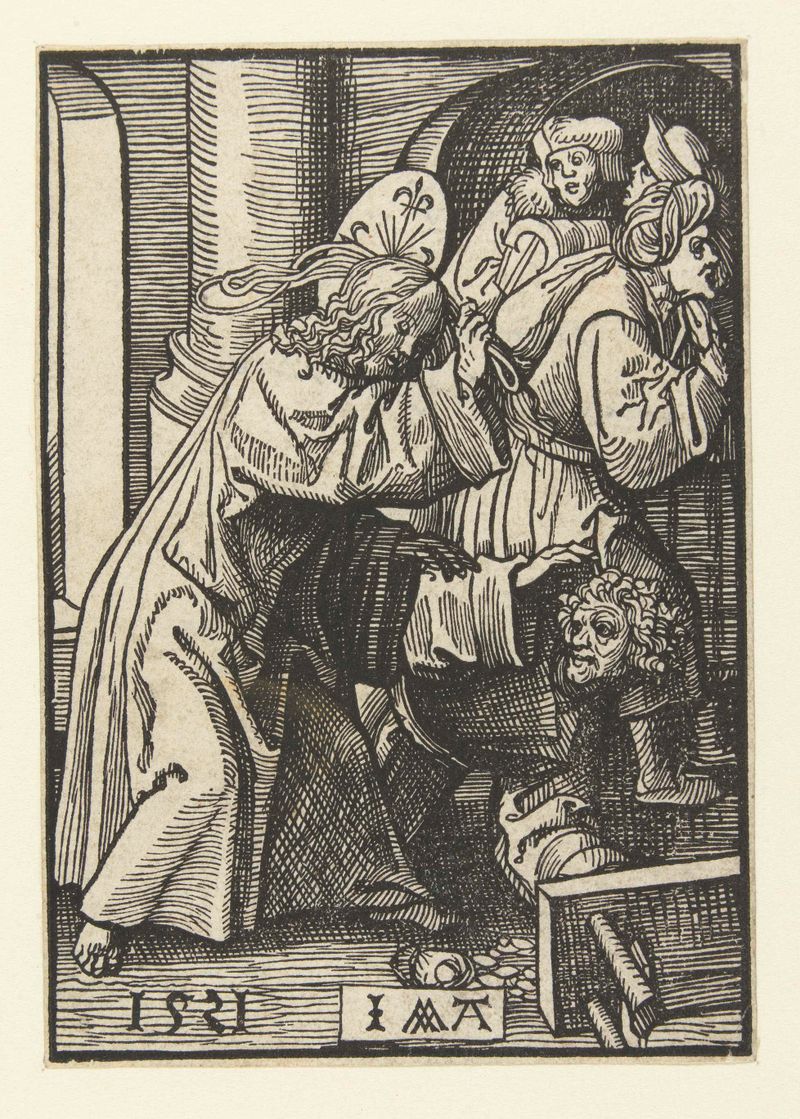
Verdrijving van de handelaren uit de tempel
Jacob Cornelisz van Oostsanen
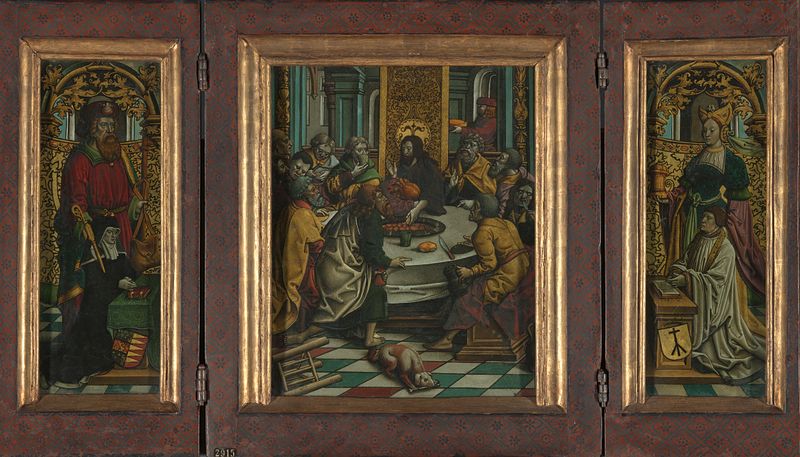
Triptych with the Last Supper and Donors
Jacob Cornelisz van Oostsanen
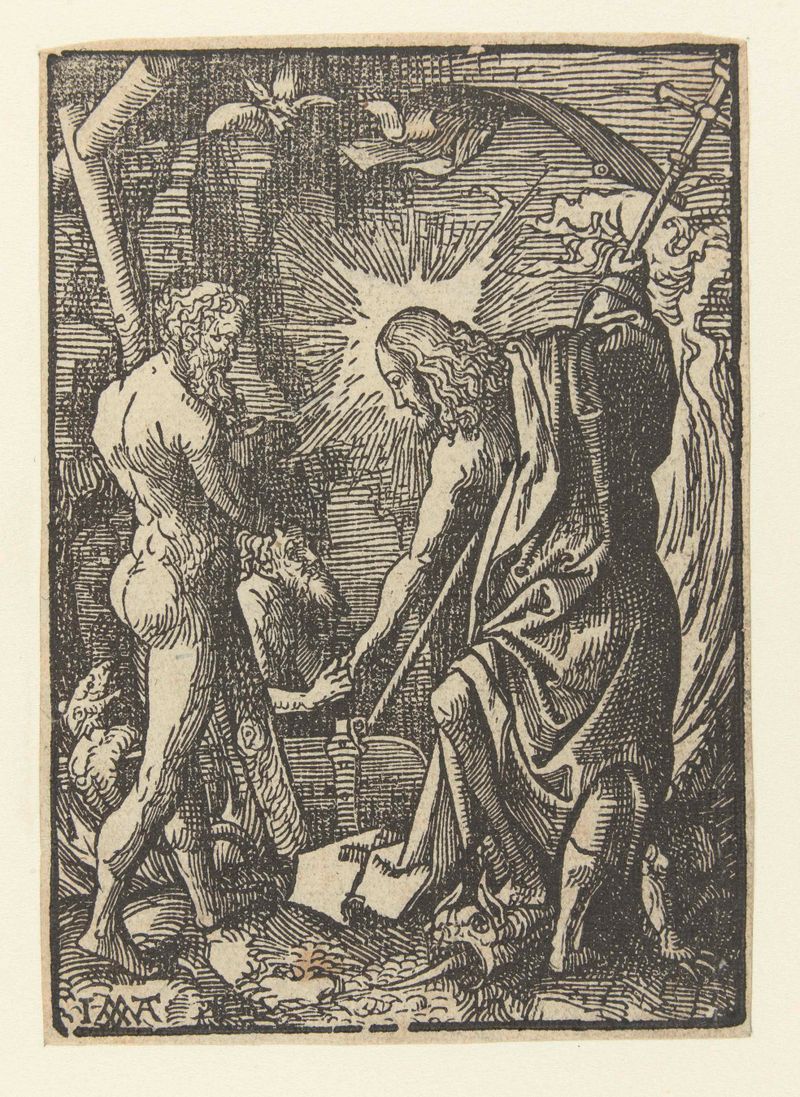
Christus in het voorgeborchte
Jacob Cornelisz van Oostsanen
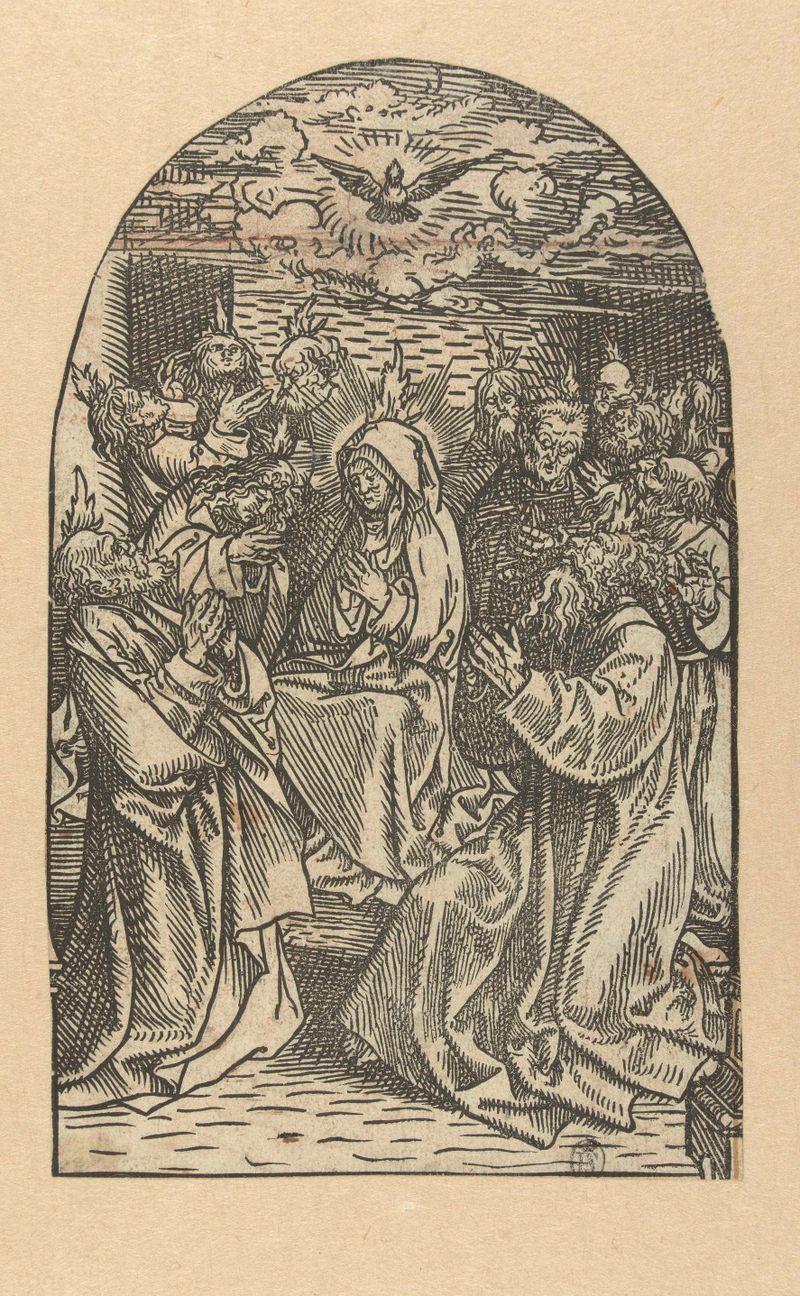
Uitstorting van de Heilige Geest
Jacob Cornelisz van Oostsanen
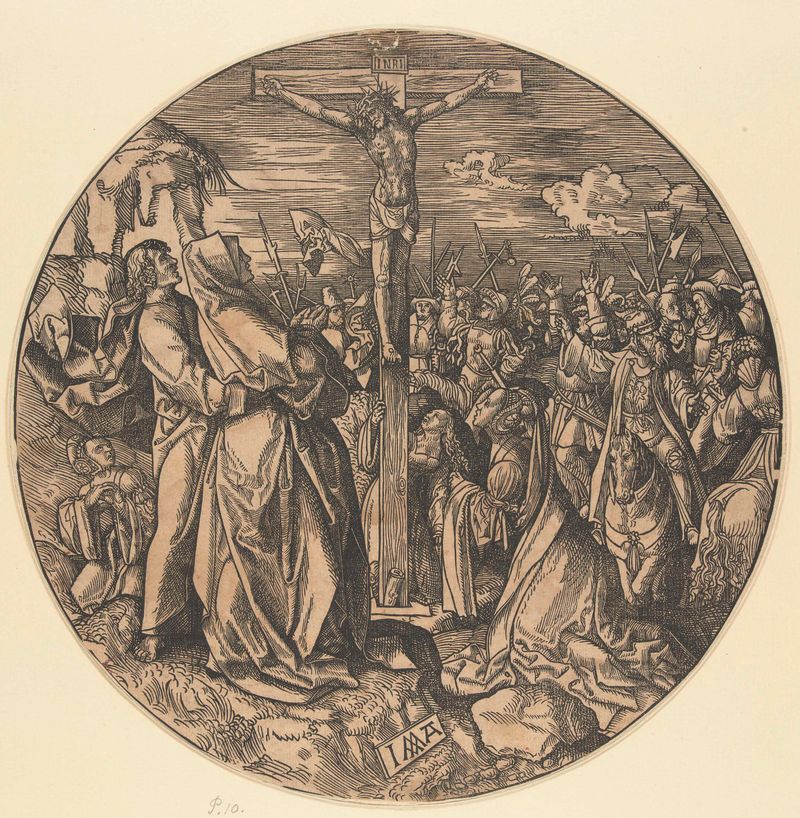
Christus aan het kruis
Jacob Cornelisz van Oostsanen

De kruisiging en de graflegging van Christus
Jacob Cornelisz van Oostsanen
More Religious Art
Browse all →
The Return of the Prodigal Son
Rembrandt van Rijn

The Garden of Earthly Delights
El Bosco

Count Orgaz’ funeral
El Greco

The Hundred Guilder Print: the central piece with Christ preaching, the plate arched
Rembrandt van Rijn

The Descent from the Cross
Rogier van der Weyden

The return of the prodigal son
Rembrandt van Rijn