
De bewening van Gattamelata de Narni — History & Facts
In a world teetering on the brink of chaos, this assertion resonates deeply within the canvas of De bewening van Gattamelata de Narni. Allaert Claesz. captures a moment that invites us to confront the delicate balance between remembrance and oblivion. Look closely at the left side of the painting, where the rich, deep hues of mourning garments envelop the figures in a shroud of grief.
The contrast of sunlight streaming through the archway illuminates their solemn expressions, emphasizing the weight of their sorrow. Notice how the spectral forms of the surrounding architecture seem to lean in, almost as if they are eavesdropping on this intimate farewell. The brushwork is both meticulous and chaotic, with swirling shadows that echo the tumultuous emotions surrounding the deceased. In the foreground, the grieving figures grapple with both personal loss and societal turmoil.
The painter captures a sense of urgency and unrest in their gestures, where clenched fists and downturned heads symbolize the struggle against the passage of time and the inevitability of death. The empty space above Gattamelata hints at the absence left by his life, inviting contemplation on legacy and memory amid the chaos that life entails. Allaert Claesz. created this poignant piece in 1555, a period marked by political strife and shifting alliances in Europe.
Residing in a region where the Reformation was stirring deep divisions, the artist's work reflects the collective grief and turmoil of a society grappling with change. This painting stands not only as a tribute to a fallen soldier but also as a mirror to a world rife with disorder and remembrance.
More Artworks by Allaert Claesz.
Browse all →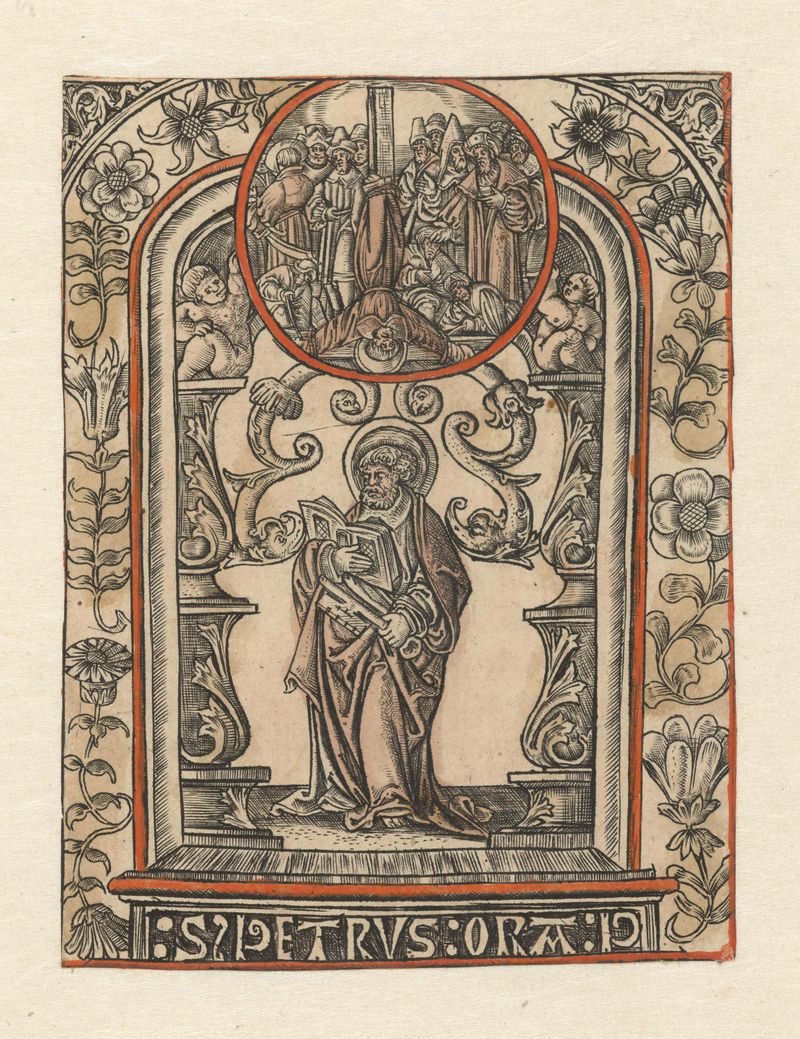
De apostel Petrus en zijn martelaarschap
Allaert Claesz.
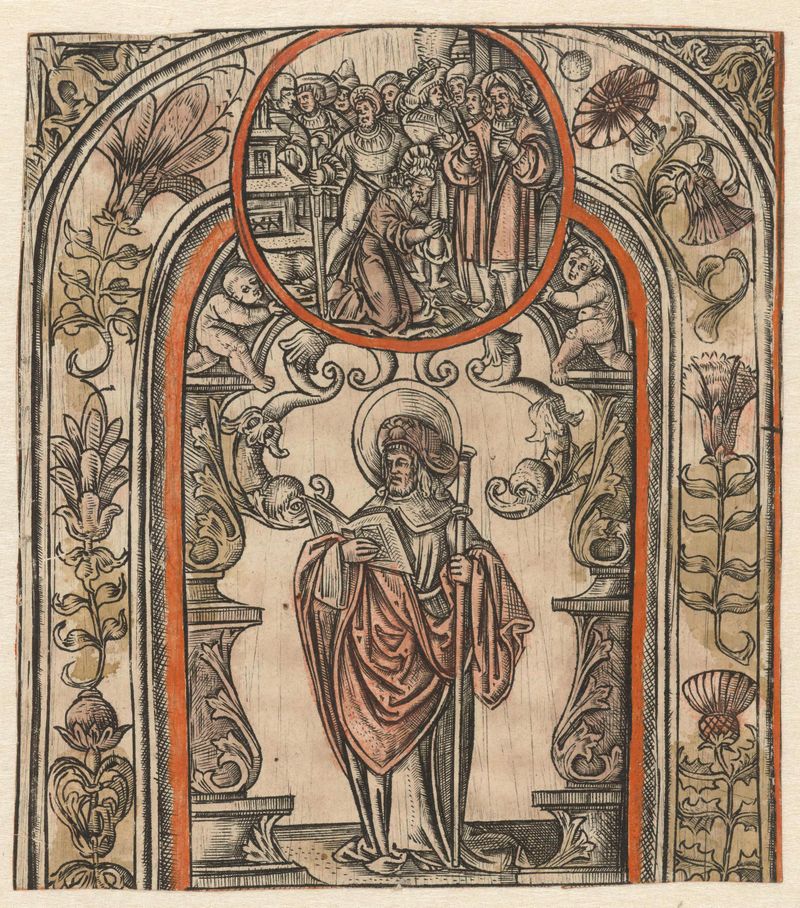
De apostel Jakobus Major en zijn martelaarschap
Allaert Claesz.
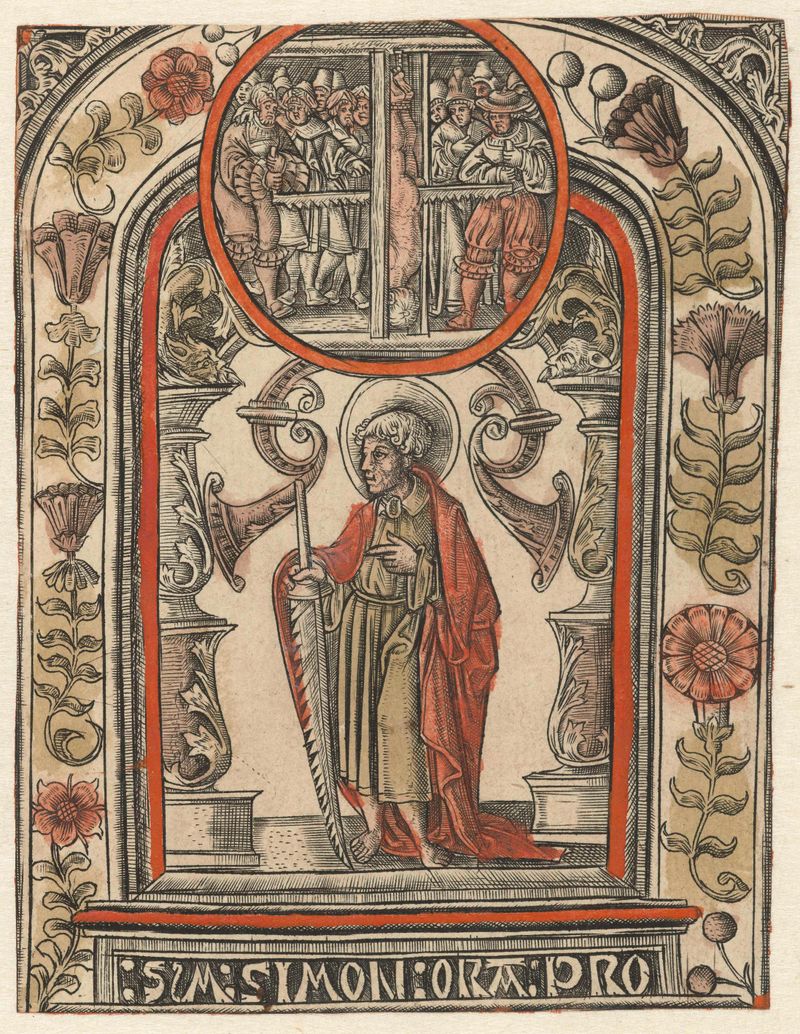
De apostel Simon en zijn martelaarschap
Allaert Claesz.
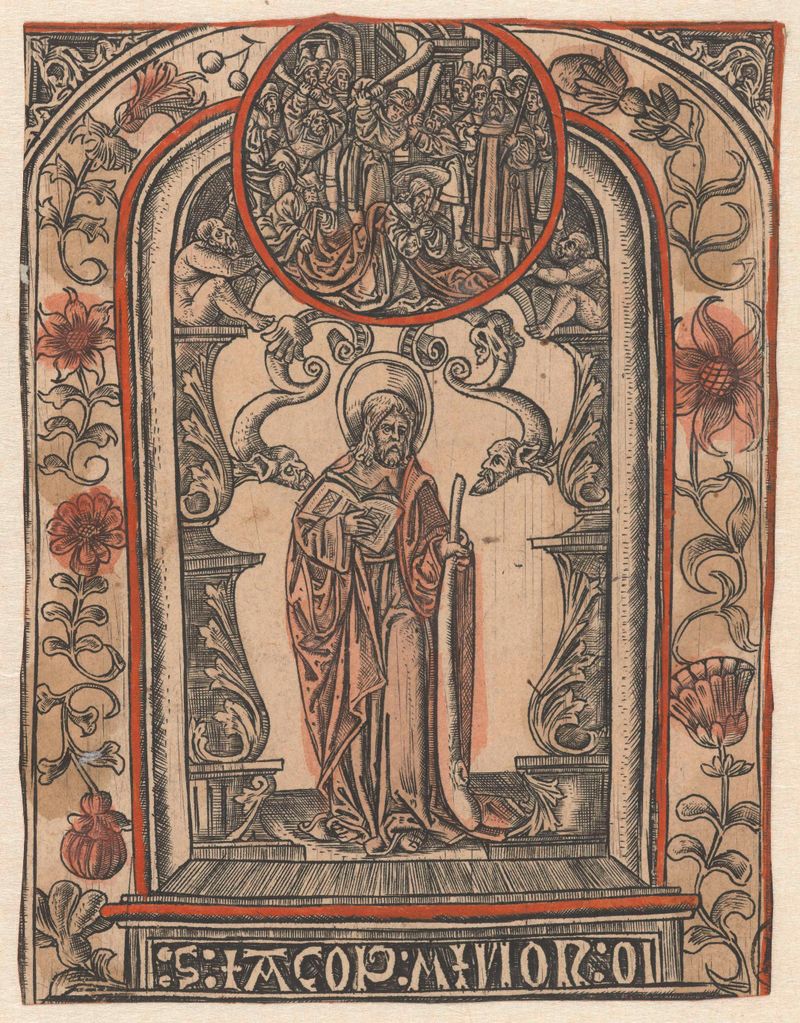
De apostel Jakobus Minor en zijn martelaarschap
Allaert Claesz.
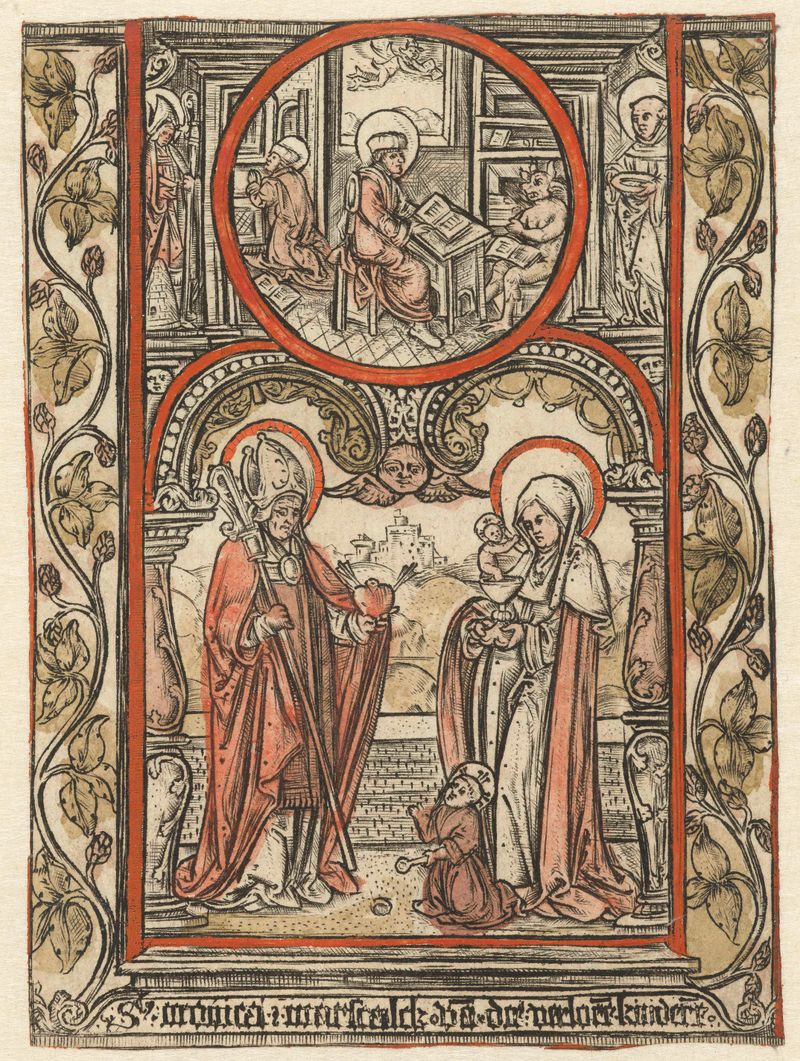
Heilige Augustinus en heilige Monica
Allaert Claesz.
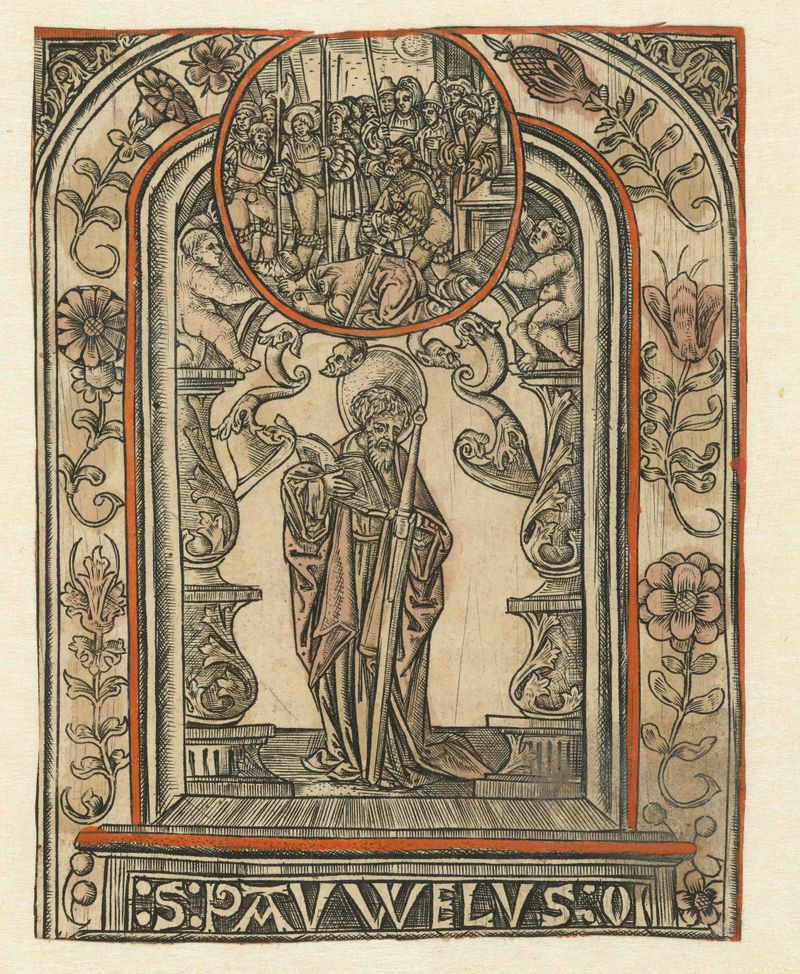
De apostel Paulus en zijn martelaarschap
Allaert Claesz.
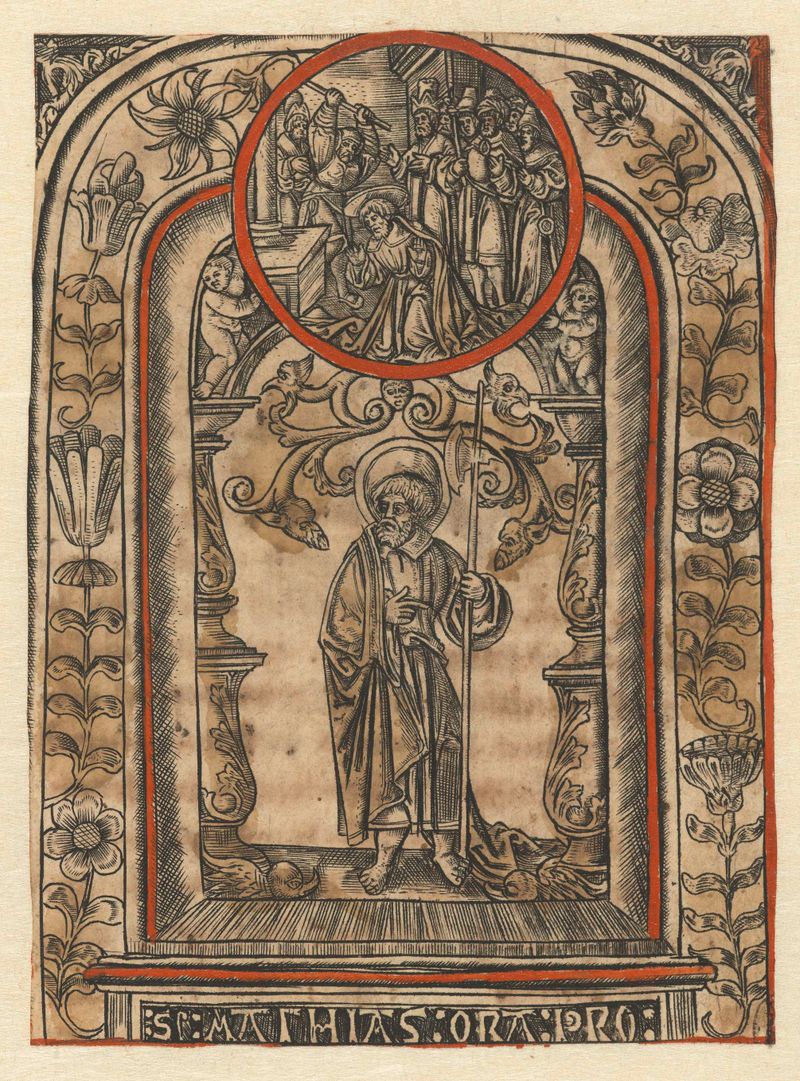
De apostel Matthias en zijn martelaarschap
Allaert Claesz.
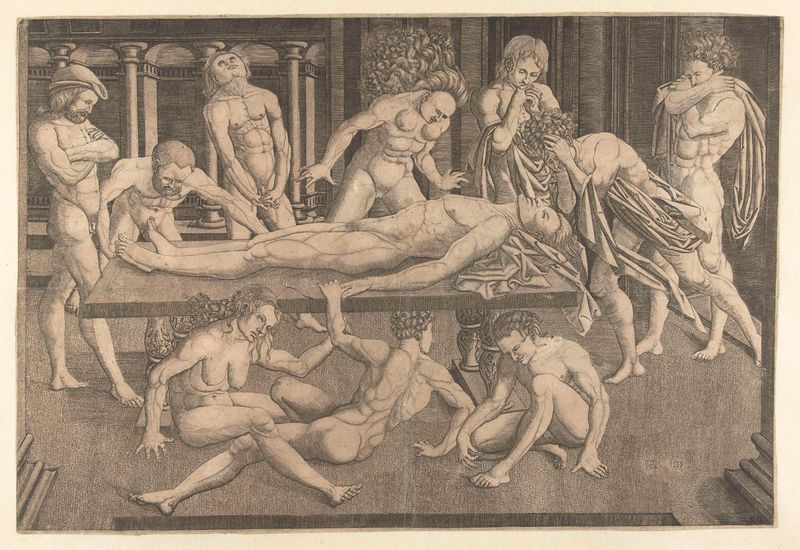
De bewening van Gattamelata de Narni
Allaert Claesz.
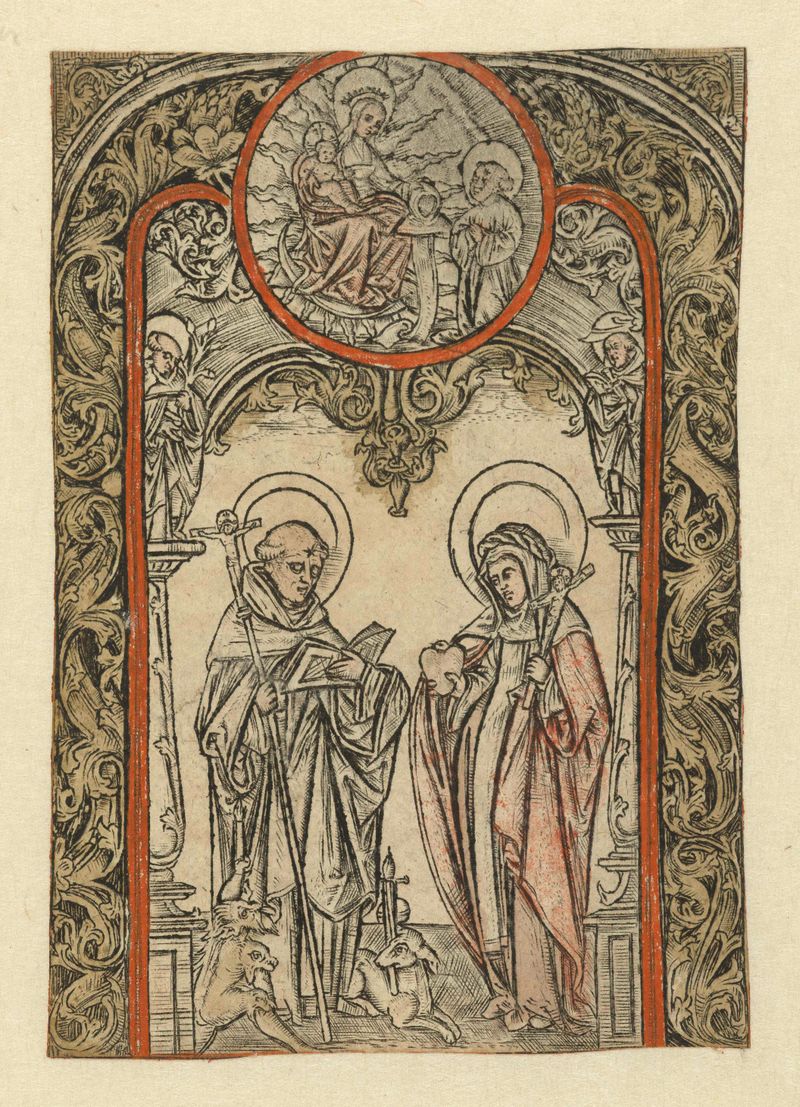
Heiligen Dominicus en Brigitta
Allaert Claesz.
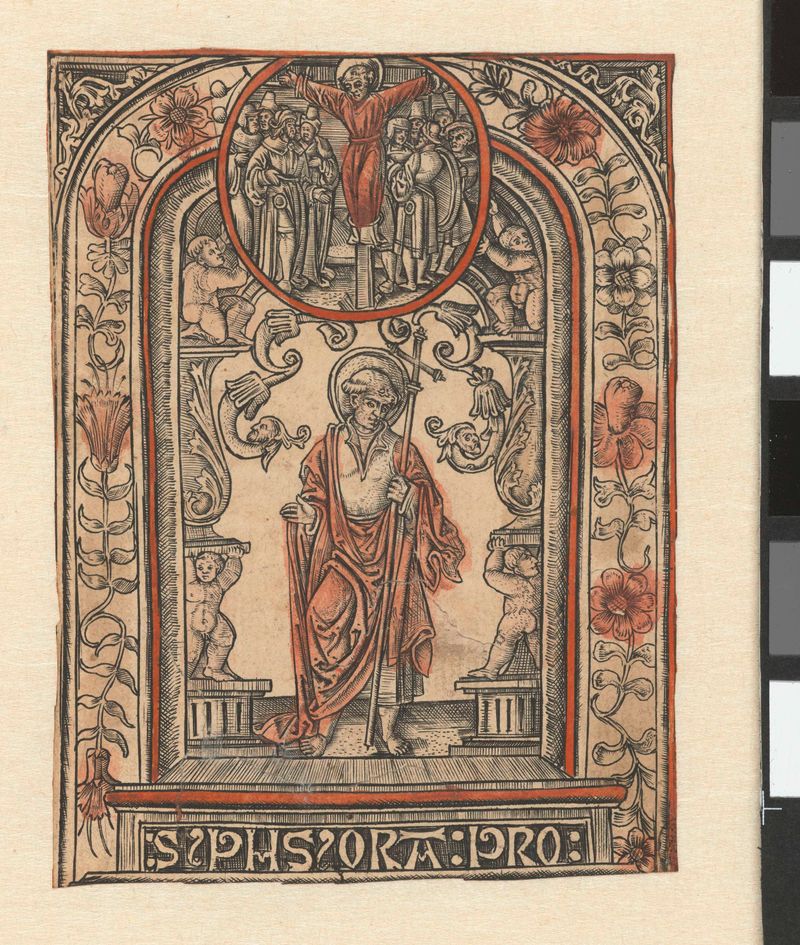
De apostel Philippus en zijn martelaarschap
Allaert Claesz.
More Historical Art
Browse all →
The Night Watch Militia Company of District II under the Command of Captain Frans Banninck Cocq
Rembrandt van Rijn

Lincoln Memorial
Henry Bacon

The Third of May 1808
Francisco de Goya

Isaac and Rebecca, Known as ‘The Jewish Bride’
Rembrandt van Rijn

The Charge of the Mamelukes (1814)
Francisco de Goya

De vier ruiters van de apocalyps
Albrecht Dürer