
De biecht — History & Facts
In the intricate layering of paint, a world emerges where the very act of creation transforms turmoil into beauty, revealing the artist's profound engagement with life. Focus first on the figure at the center, poised in an elaborate gesture of confession. Notice how the rich, earthy tones envelop them, creating a cocoon of intimacy against the backdrop of a bustling, chaotic altar. The contrast of light and shadow not only illuminates their solemn expression but also emphasizes the delicate interplay between vulnerability and strength.
The meticulous details of their garments draw the eye, showcasing the artist's commitment to realism and depth. Delve deeper into the subtle tensions woven throughout the scene. The heavy drapery surrounding the central figure suggests a weight of secrets and burdens, while the surrounding figures, some attentive and others distracted, evoke a spectrum of human experience — from piety to indifference. This tension between the sacred and the mundane captures the complexity of confession itself, where moments of grace coexist with the chaos of everyday life.
Each character embodies a unique response to the act of bewitchment and revelation, underscoring the universal quest for absolution. In 1520, Jacob Cornelisz van Oostsanen created this remarkable piece during a period of artistic transition in the Netherlands. The Renaissance was blooming, and religious themes dominated the canvas, reflecting both the personal and collective struggles of the populace. Amidst this backdrop of shifting beliefs and cultural expansion, the artist sought to capture the essence of human emotion and experience, marking his place in the evolving narrative of Western art.
More Artworks by Jacob Cornelisz van Oostsanen
Browse all →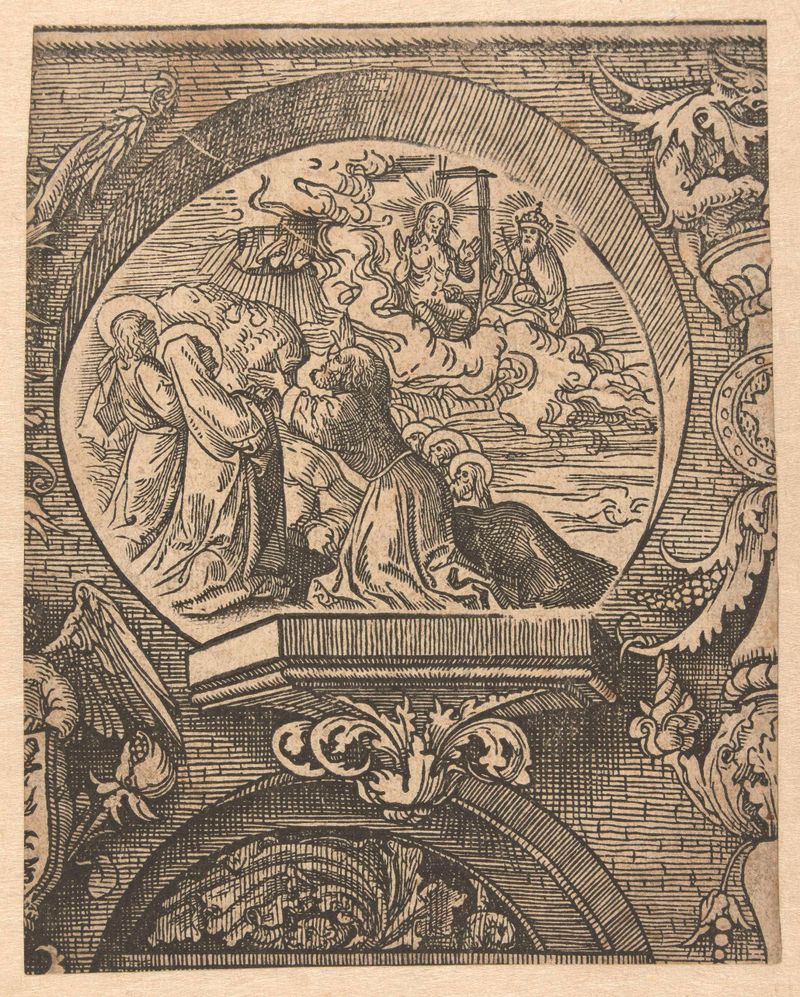
De hemelvaart en Christus voor God de Vader
Jacob Cornelisz van Oostsanen
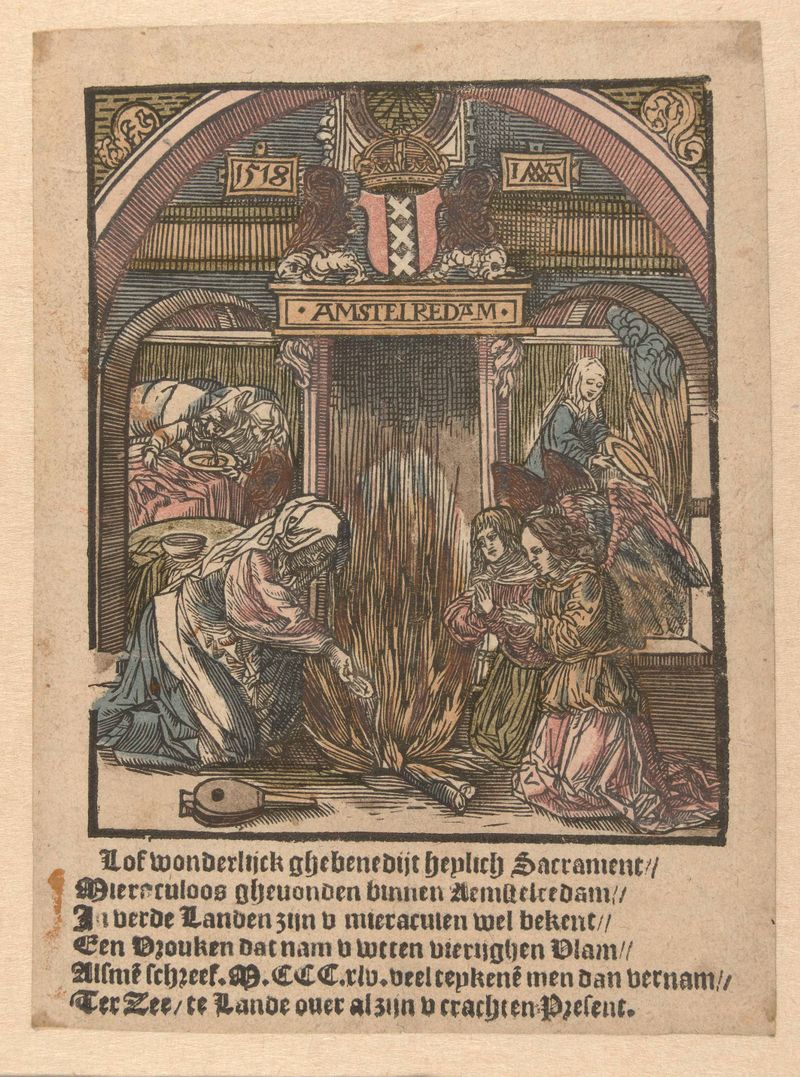
Het hostiewonder van Amsterdam
Jacob Cornelisz van Oostsanen
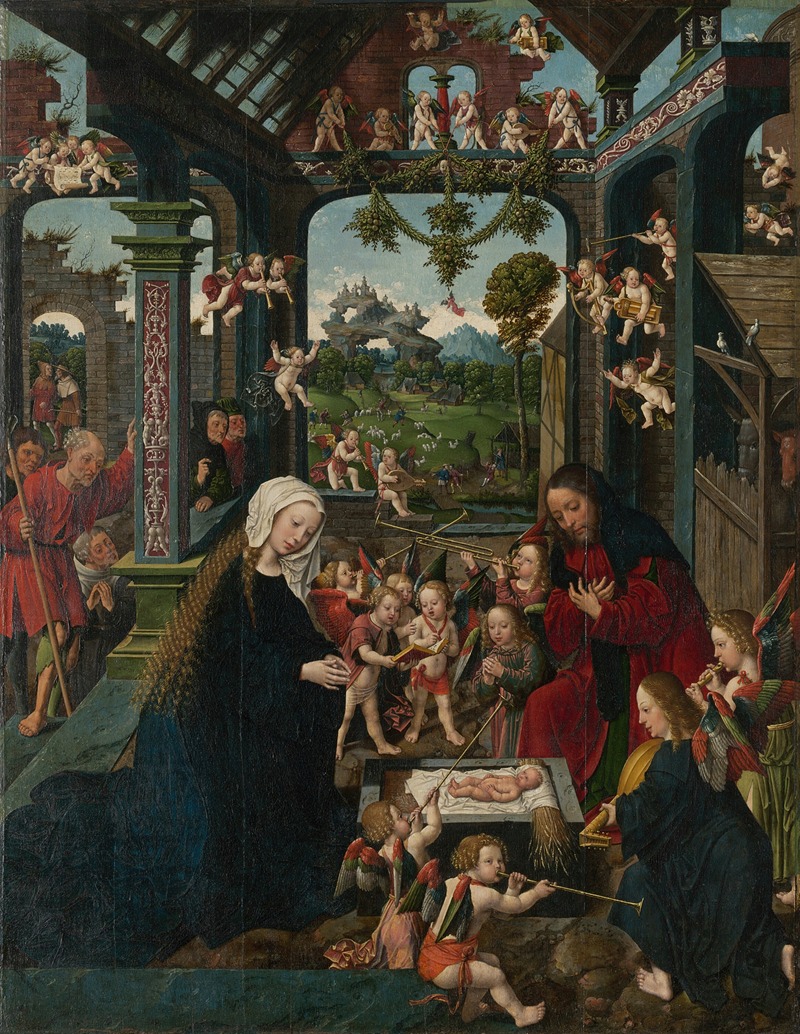
The Adoration of the Christ Child
Jacob Cornelisz van Oostsanen
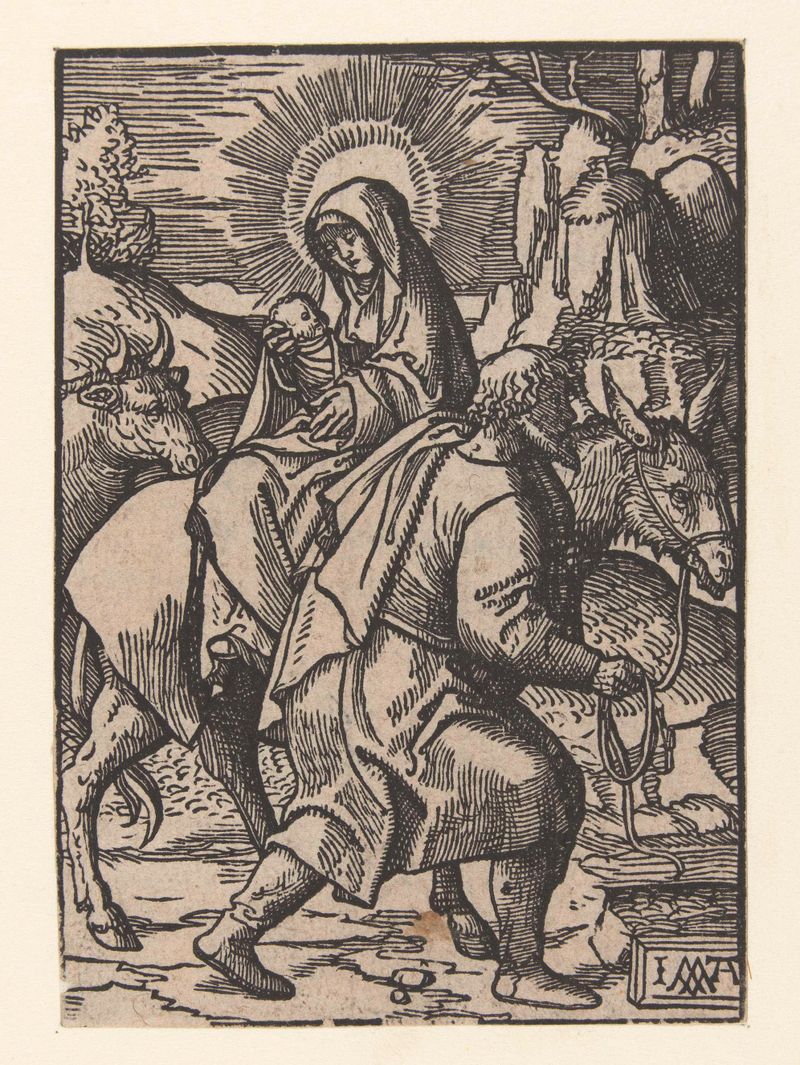
Vlucht naar Egypte
Jacob Cornelisz van Oostsanen
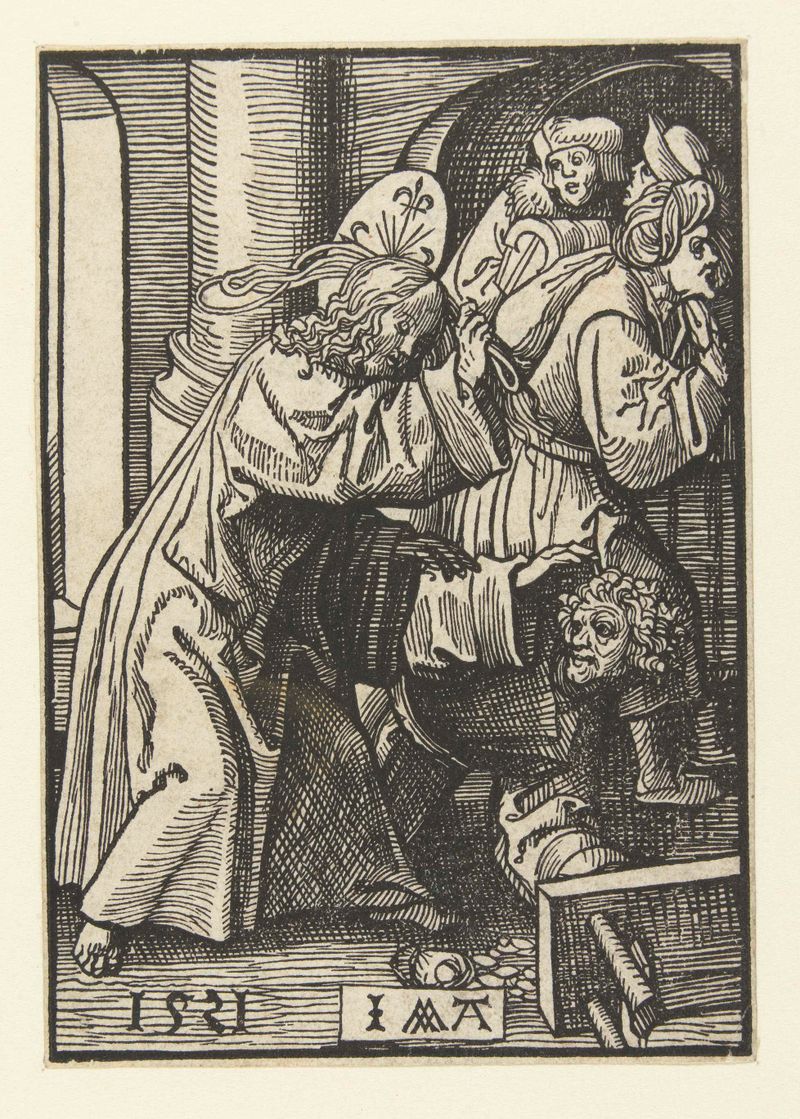
Verdrijving van de handelaren uit de tempel
Jacob Cornelisz van Oostsanen
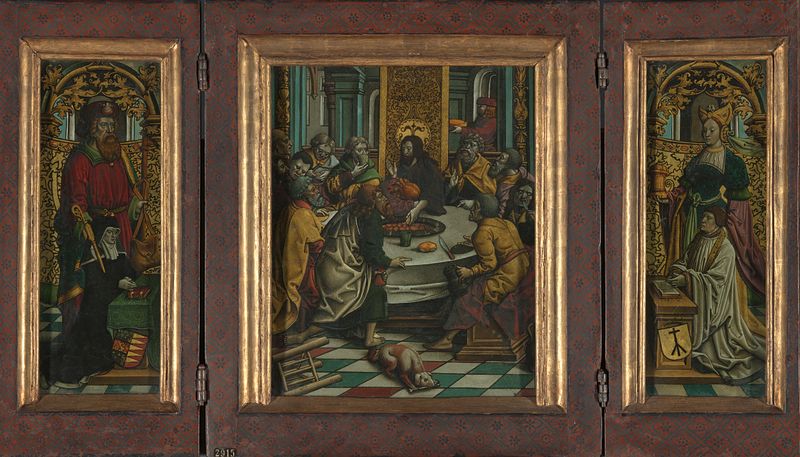
Triptych with the Last Supper and Donors
Jacob Cornelisz van Oostsanen
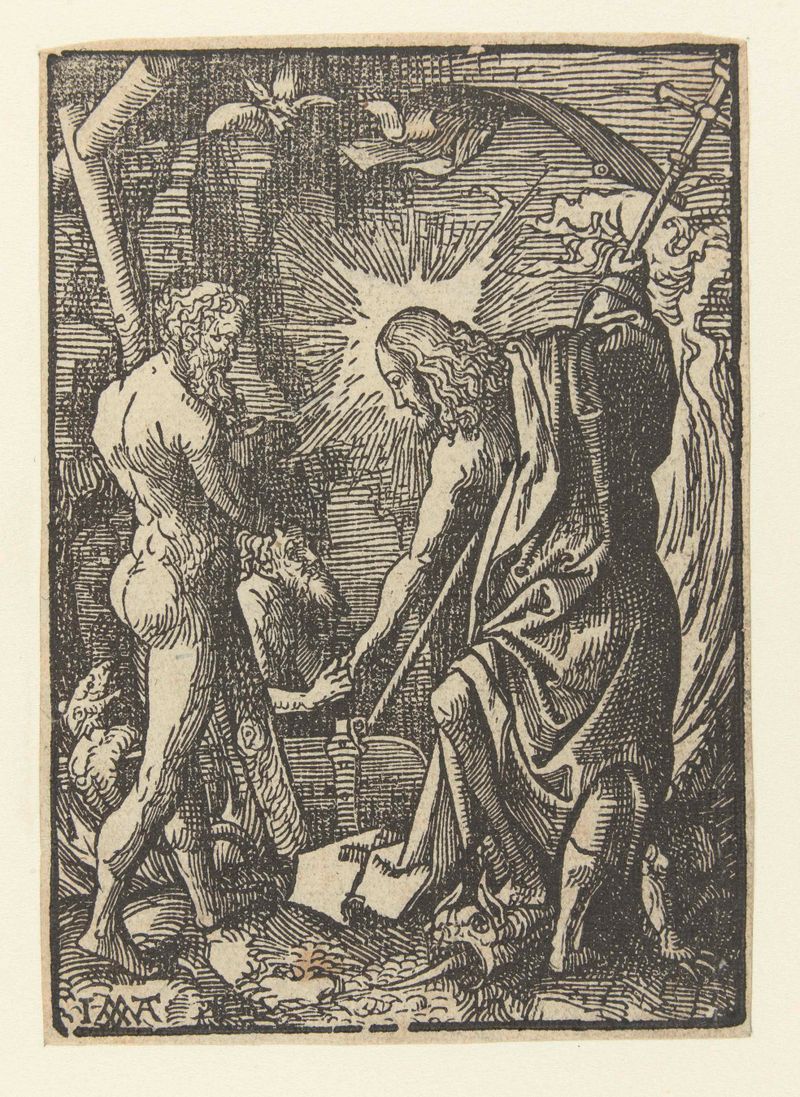
Christus in het voorgeborchte
Jacob Cornelisz van Oostsanen
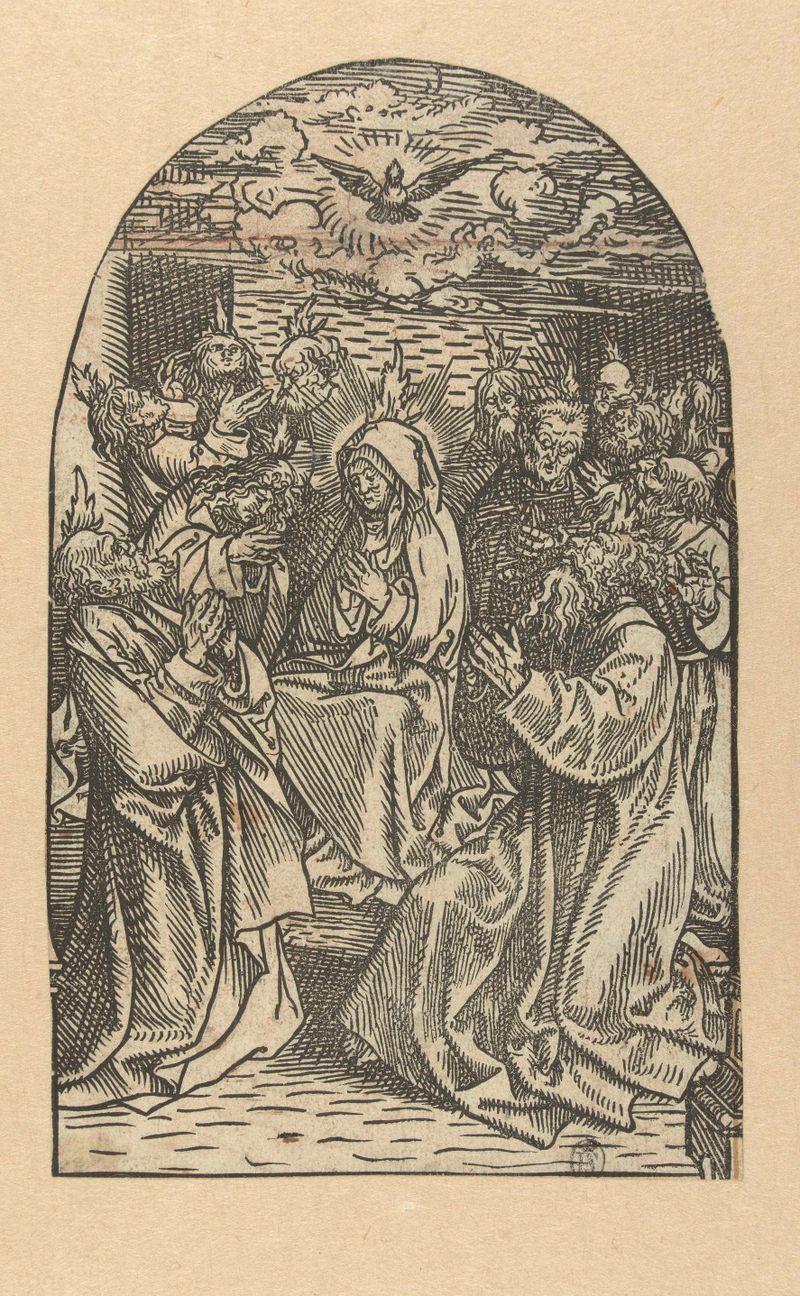
Uitstorting van de Heilige Geest
Jacob Cornelisz van Oostsanen
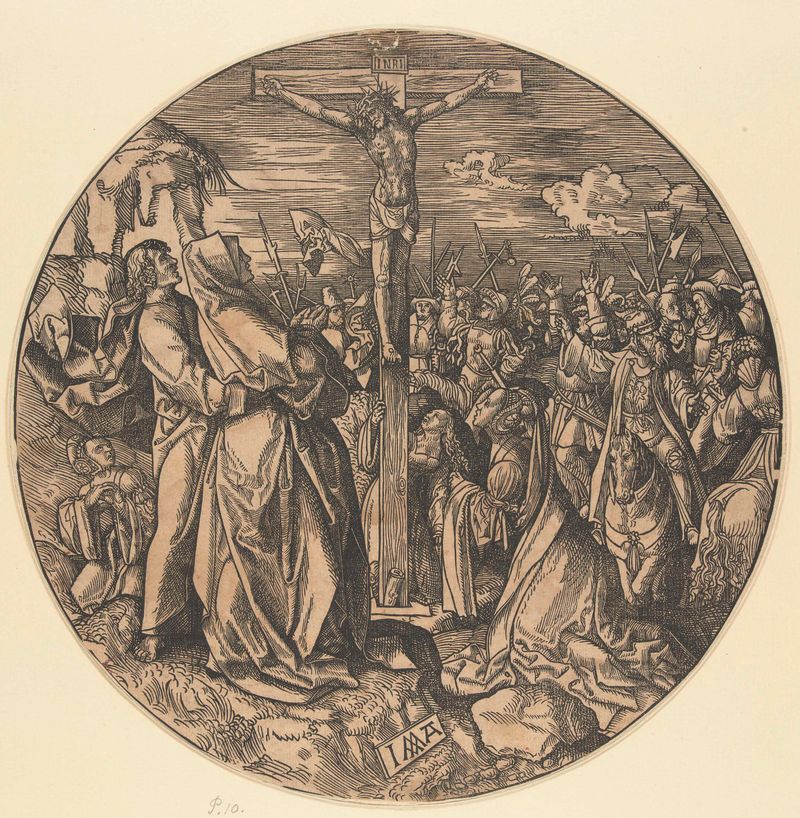
Christus aan het kruis
Jacob Cornelisz van Oostsanen

De kruisiging en de graflegging van Christus
Jacob Cornelisz van Oostsanen
More Religious Art
Browse all →
The Return of the Prodigal Son
Rembrandt van Rijn

The Garden of Earthly Delights
El Bosco

Count Orgaz’ funeral
El Greco

The Hundred Guilder Print: the central piece with Christ preaching, the plate arched
Rembrandt van Rijn

The Descent from the Cross
Rogier van der Weyden

The return of the prodigal son
Rembrandt van Rijn