
De doornenkroning — History & Facts
What secret hides in the quiet of the canvas? Beneath the surface of vibrant colors and intricate detail, the whisper of loneliness echoes through time. Look to the center of the composition, where a solitary figure stands draped in a rich, flowing robe. The artist’s meticulous attention to the texture of the fabric captures the way it catches the light, creating a striking contrast against the muted background. Notice how the figure’s gaze is directed downward, lost in thought, while the crown of thorns rests heavily, both a symbol of suffering and a marker of divine sacrifice.
The surrounding figures fade into the shadows, emphasizing the isolation of the central character amidst the group. Delve deeper into the symbolism: the thorns, sharp and unforgiving, represent the weight of unseen burdens. The serene palette juxtaposes the turmoil of the scene, revealing a poignant tension between faith and despair. Each detail—the soft glow around the figure's face, the delicate hands cradling the crown—invites reflection on the internal struggles that often accompany devotion.
Here, loneliness is not just an absence; it is a profound presence that enshrouds the moment. In 1517, as De doornenkroning took shape, Jacob Cornelisz van Oostsanen was living in Amsterdam, navigating the shifting tides of Renaissance art amidst religious reform. The Netherlands were steeped in spiritual upheaval, and his work reflects both the personal and collective grappling with faith and identity. This piece marks a crucial moment in his career, highlighting his ability to blend emotion with narrative in a way that resonates deeply even today.
More Artworks by Jacob Cornelisz van Oostsanen
Browse all →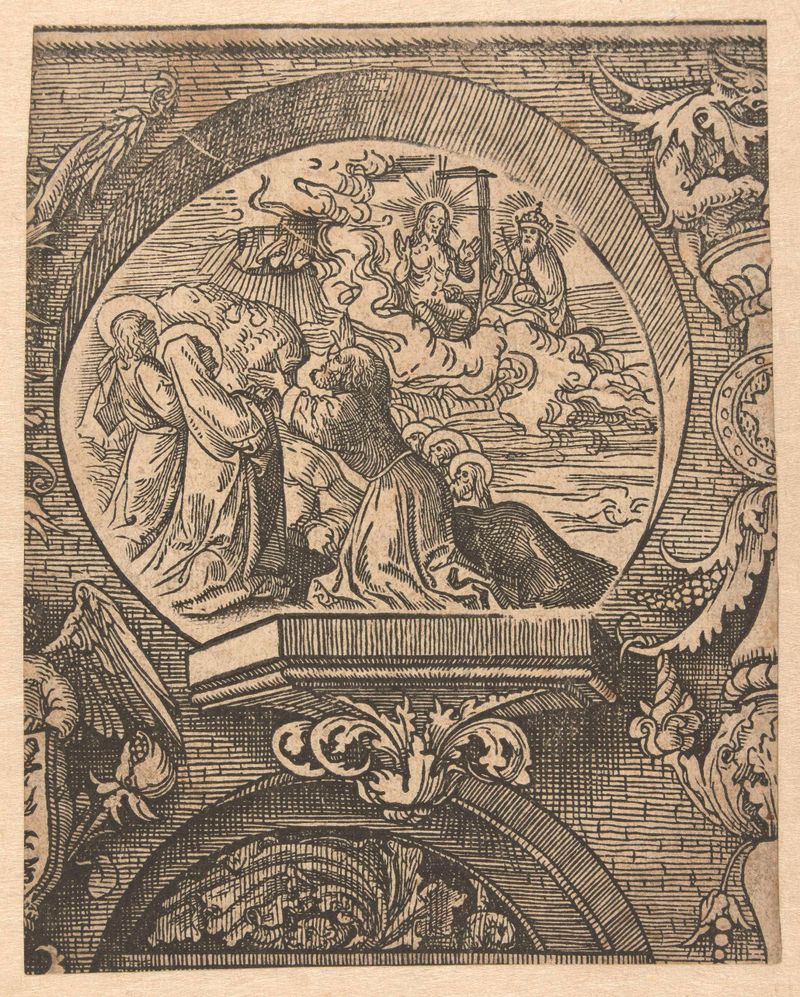
De hemelvaart en Christus voor God de Vader
Jacob Cornelisz van Oostsanen
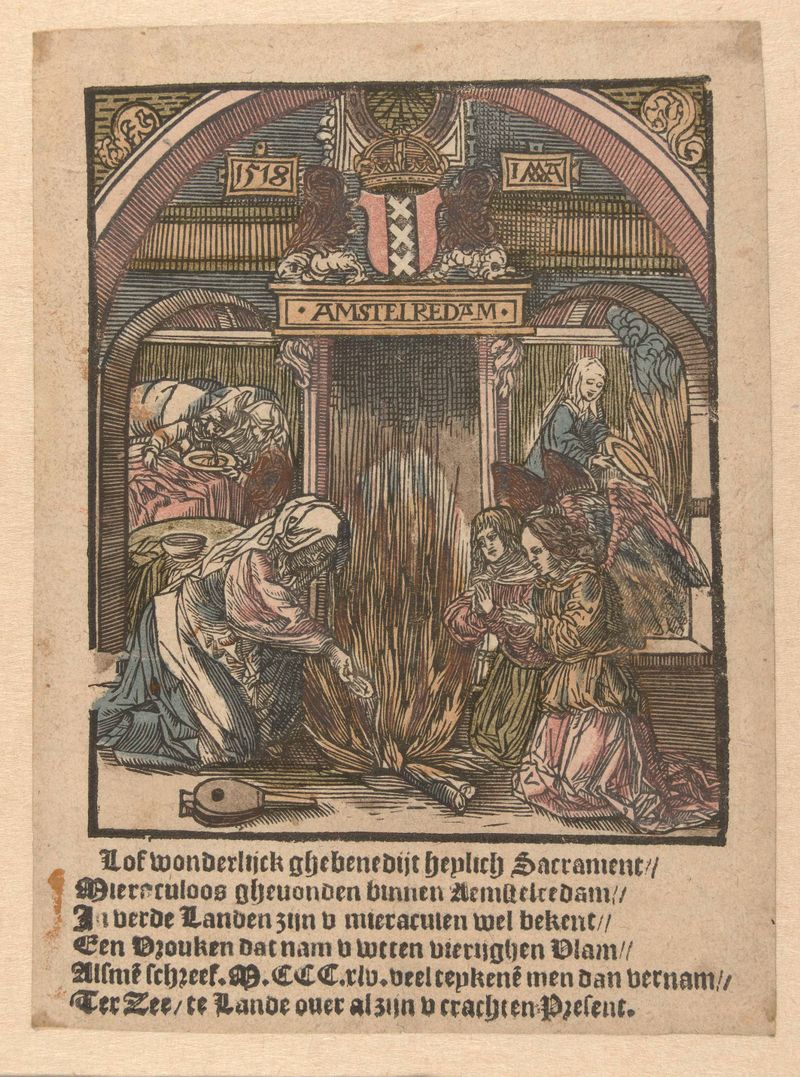
Het hostiewonder van Amsterdam
Jacob Cornelisz van Oostsanen
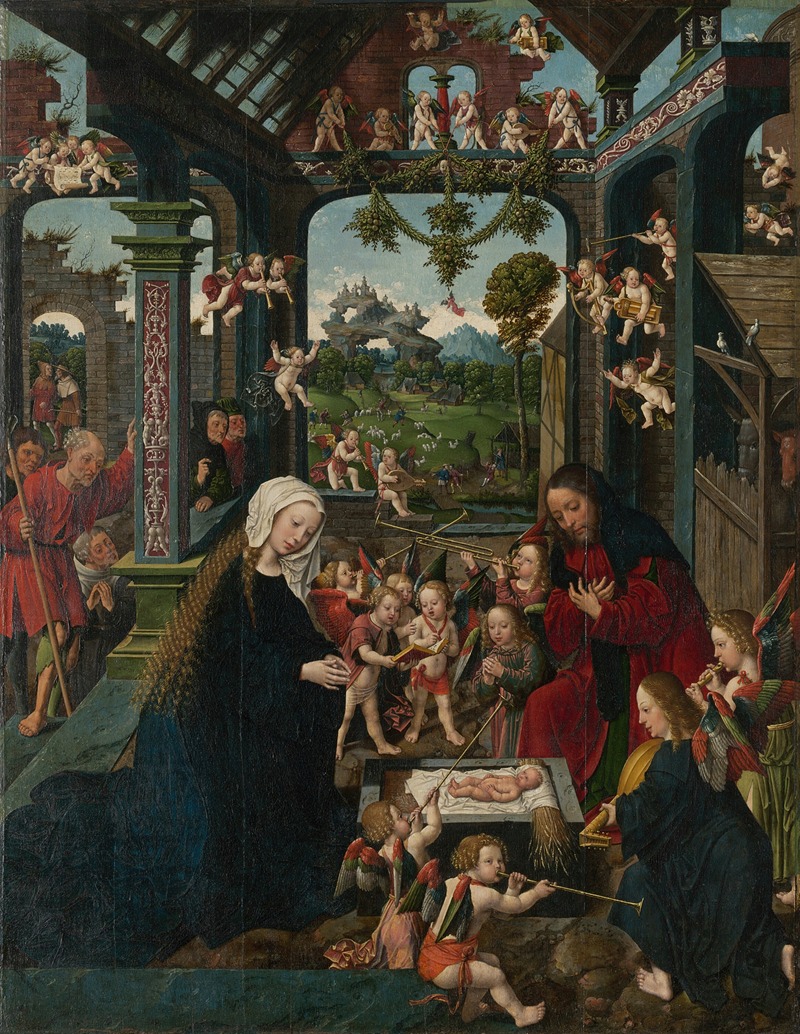
The Adoration of the Christ Child
Jacob Cornelisz van Oostsanen
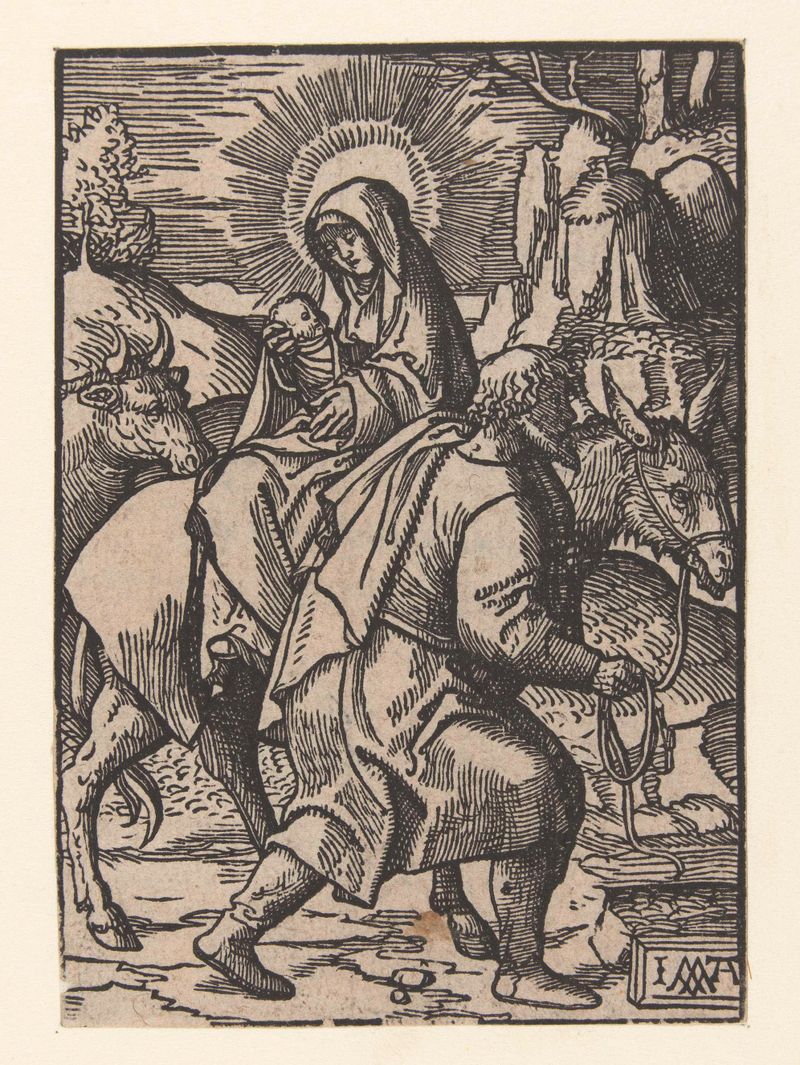
Vlucht naar Egypte
Jacob Cornelisz van Oostsanen
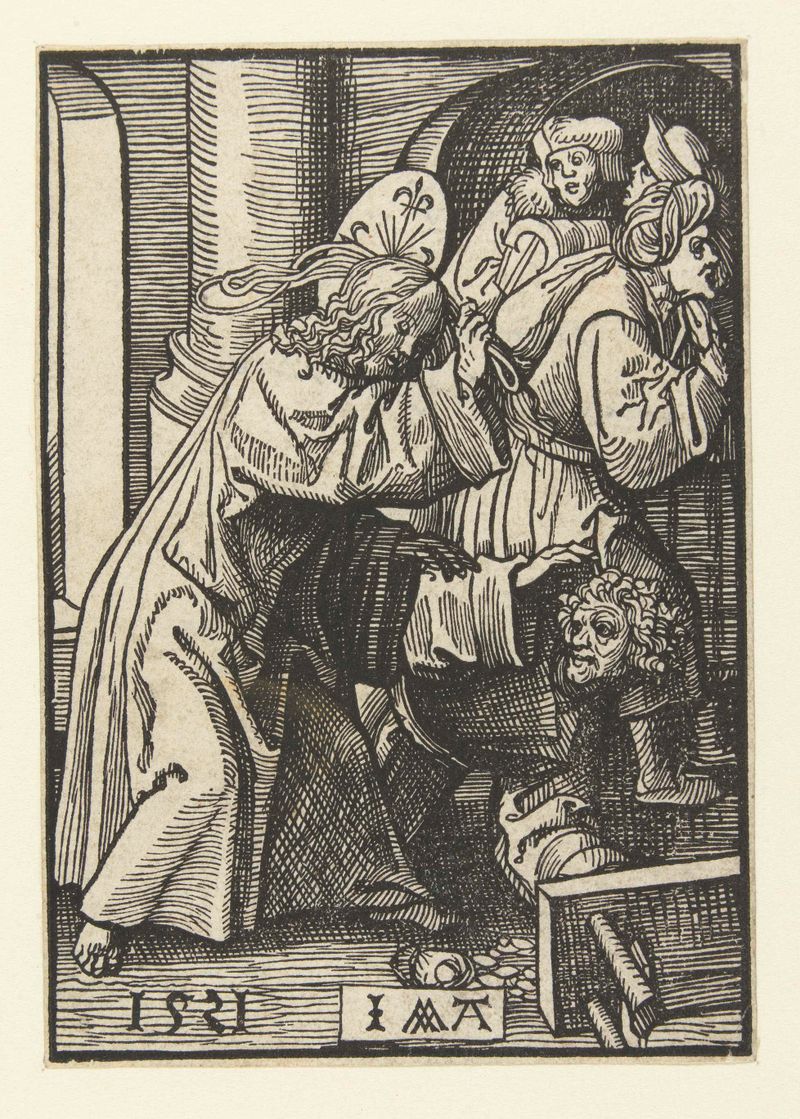
Verdrijving van de handelaren uit de tempel
Jacob Cornelisz van Oostsanen
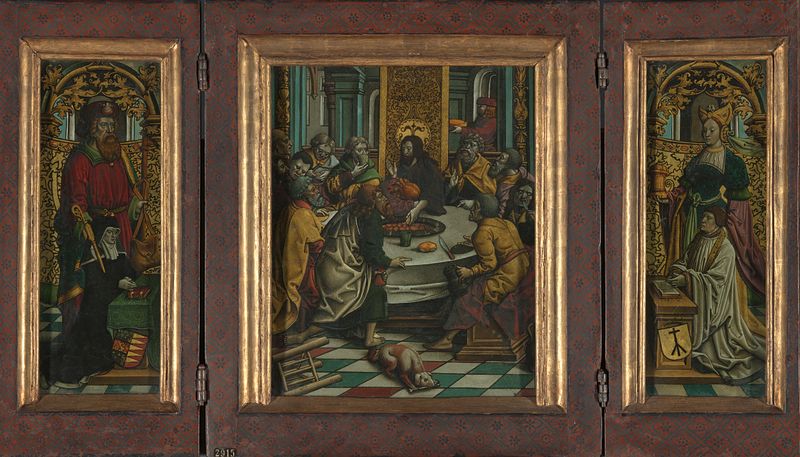
Triptych with the Last Supper and Donors
Jacob Cornelisz van Oostsanen
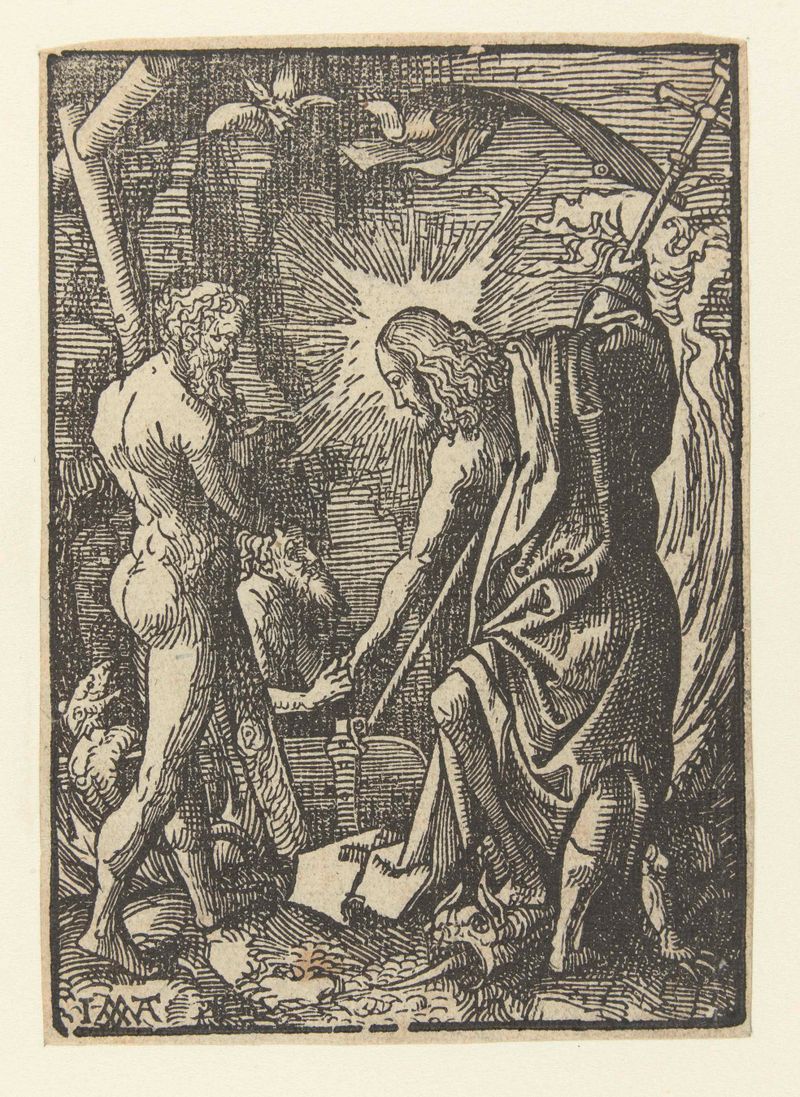
Christus in het voorgeborchte
Jacob Cornelisz van Oostsanen
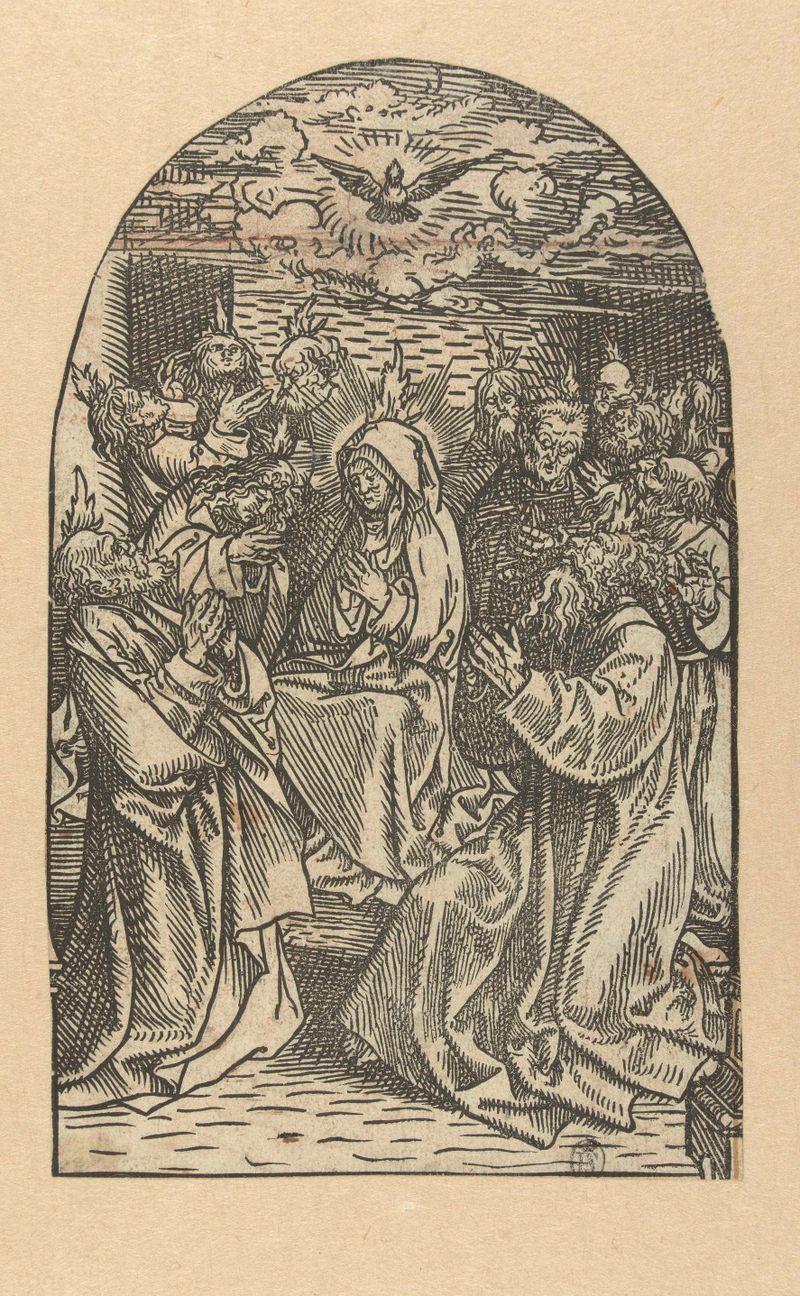
Uitstorting van de Heilige Geest
Jacob Cornelisz van Oostsanen
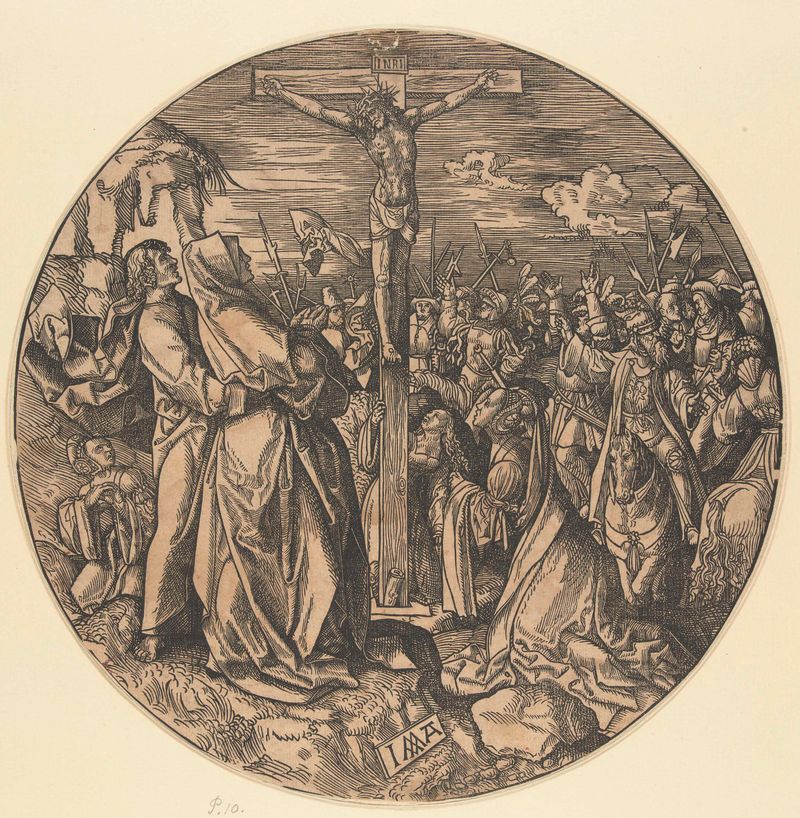
Christus aan het kruis
Jacob Cornelisz van Oostsanen

De kruisiging en de graflegging van Christus
Jacob Cornelisz van Oostsanen
More Religious Art
Browse all →
The Return of the Prodigal Son
Rembrandt van Rijn

The Garden of Earthly Delights
El Bosco

Count Orgaz’ funeral
El Greco

The Hundred Guilder Print: the central piece with Christ preaching, the plate arched
Rembrandt van Rijn

The Descent from the Cross
Rogier van der Weyden

The return of the prodigal son
Rembrandt van Rijn