
De doornenkroning — History & Facts
Where does light end, and longing begin? In an ethereal space where the divine and the earthly intertwine, De doornenkroning invites contemplation of the sublime and the sorrowful. Focus on the central figure, a somber Christ crowned with thorns, captured in the moment of both agony and grace. The radiant halo encircles Him, contrasting sharply with the dark, shadowy background that serves to amplify the emotional weight of the scene. Notice how the delicate brushwork reveals the intricate details of the thorns — each spike a testament to suffering — while soft textures in His robe suggest both vulnerability and nobility.
The light falls tenderly upon His face, illuminating the profound beauty of his expression, inviting viewers to linger and reflect. Within this rich tapestry of imagery lies a poignant juxtaposition of suffering and devotion. The thorns, emblematic of pain, become a symbol of sacrifice, while the gentle play of light conveys hope. Each spectator’s gaze is drawn not only to Christ but also to the subtle figures surrounding Him — their expressions blend reverence and melancholy, embodying the collective grief of the moment.
This dynamic interplay deepens the narrative, transforming a singular event into an everlasting exploration of faith and longing. Painted in the early 16th century, during a time of religious upheaval and artistic innovation in the Netherlands, the artist sought to navigate the complex relationship between spirituality and human experience. Working in or after 1517 and likely influenced by the Protestant Reformation, he was part of a movement that sought to depict sacred themes with greater emotional depth. This work stands as a testament to that evolving dialogue, capturing a moment that resonates through time.
More Artworks by Jacob Cornelisz van Oostsanen
Browse all →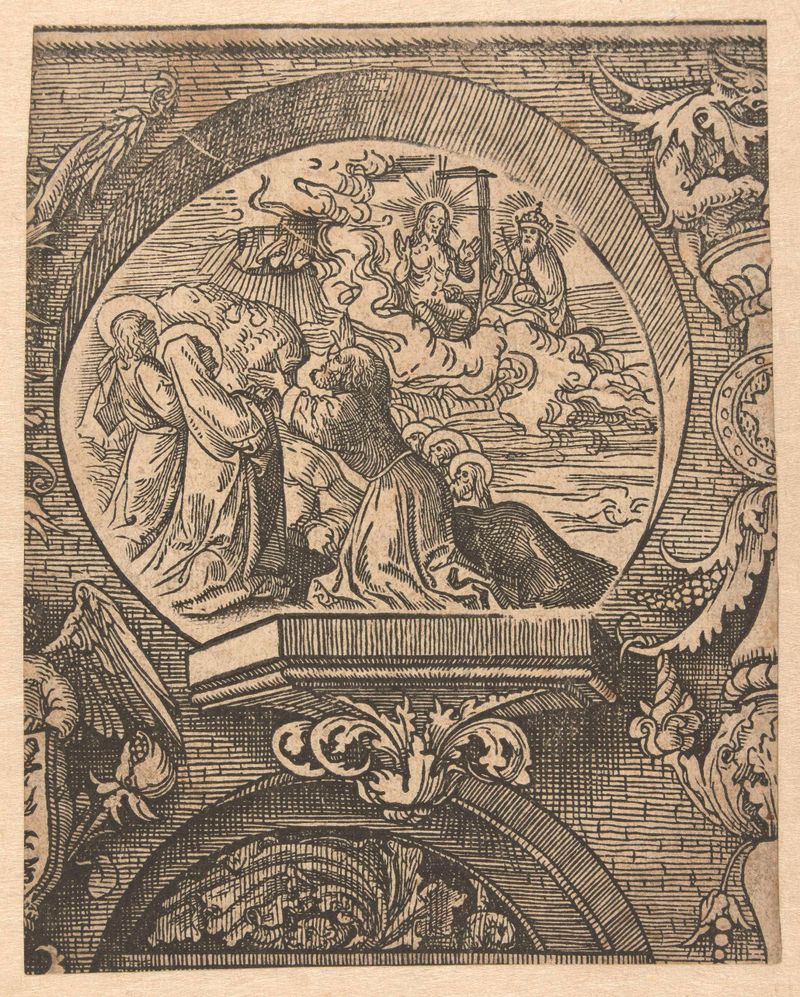
De hemelvaart en Christus voor God de Vader
Jacob Cornelisz van Oostsanen
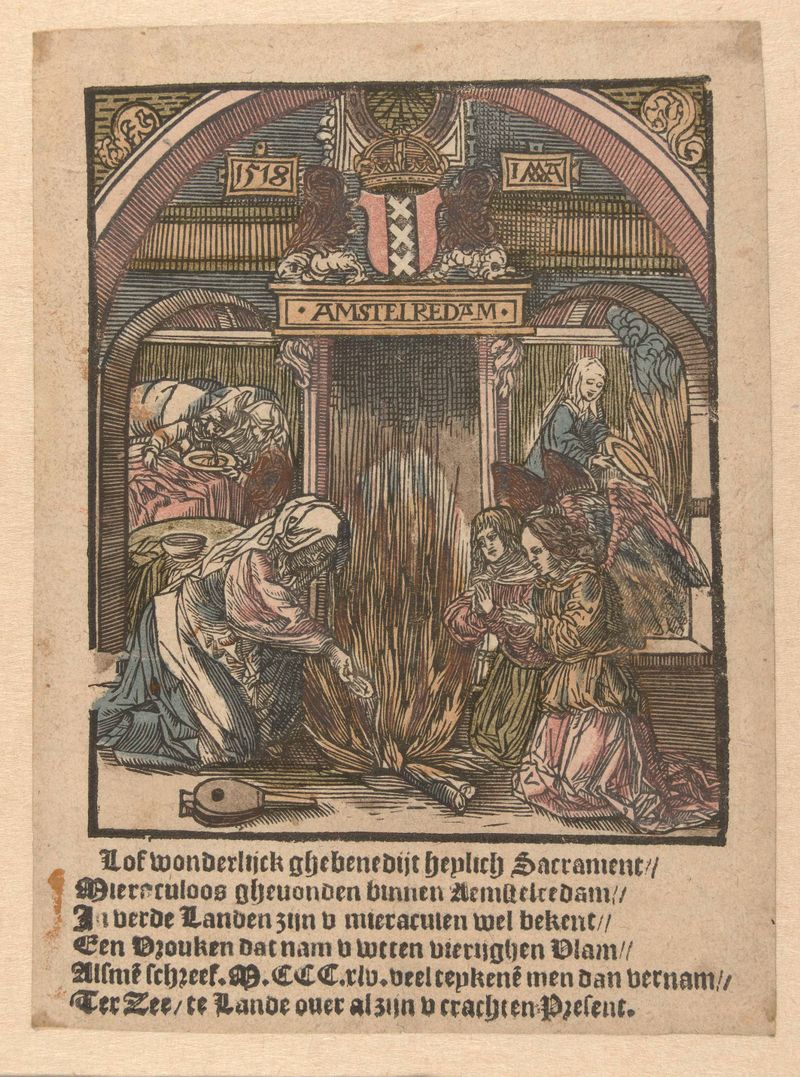
Het hostiewonder van Amsterdam
Jacob Cornelisz van Oostsanen
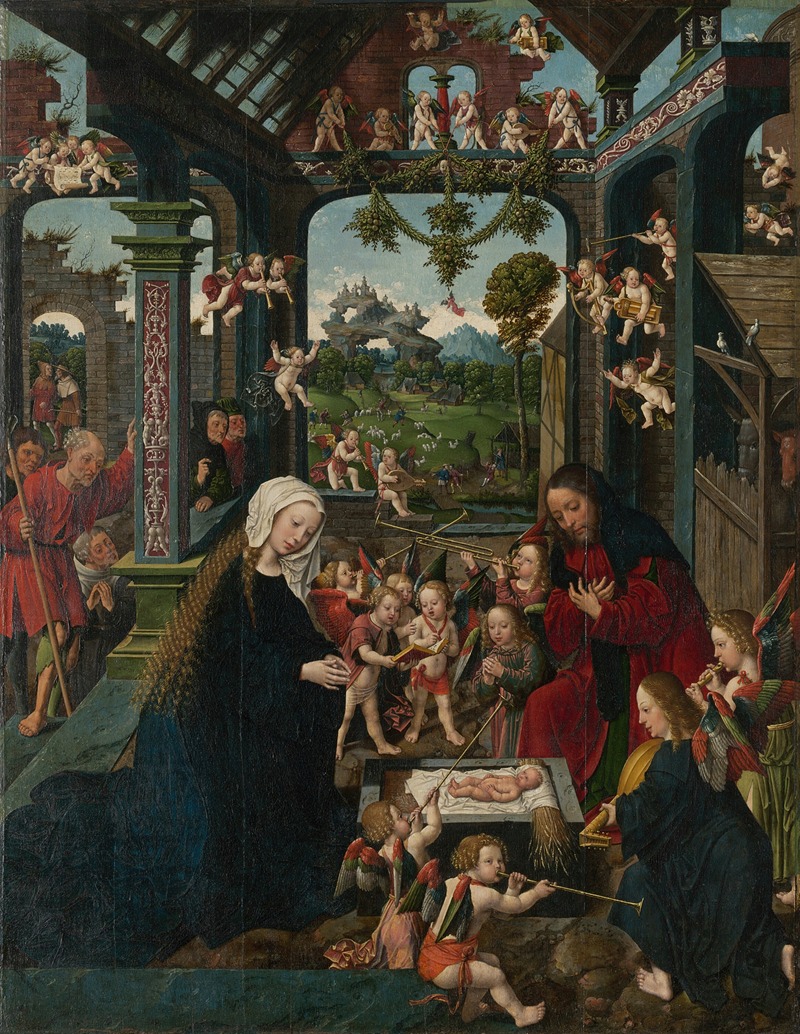
The Adoration of the Christ Child
Jacob Cornelisz van Oostsanen
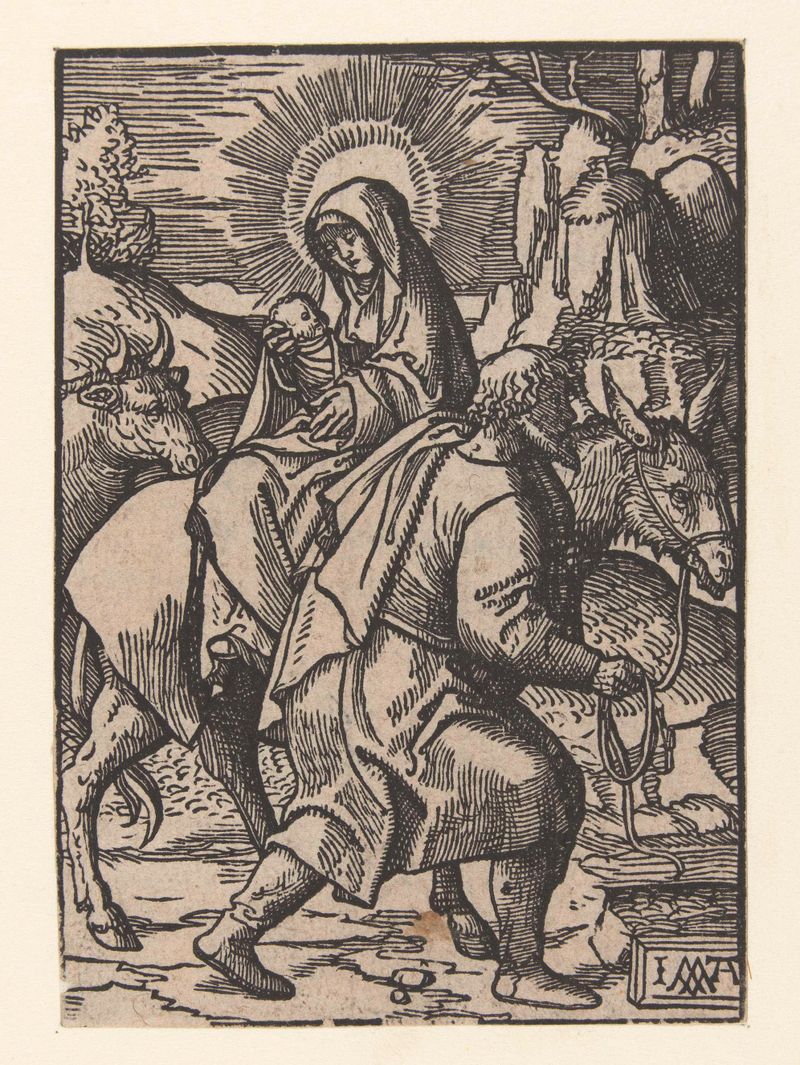
Vlucht naar Egypte
Jacob Cornelisz van Oostsanen
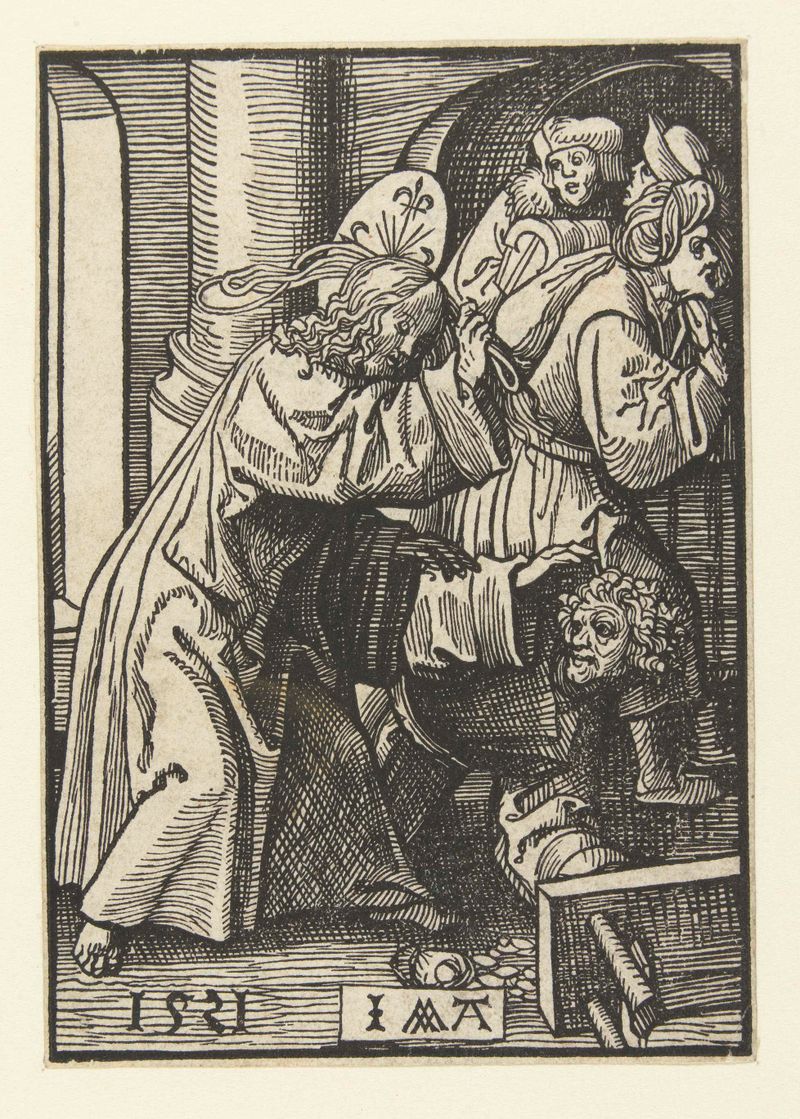
Verdrijving van de handelaren uit de tempel
Jacob Cornelisz van Oostsanen
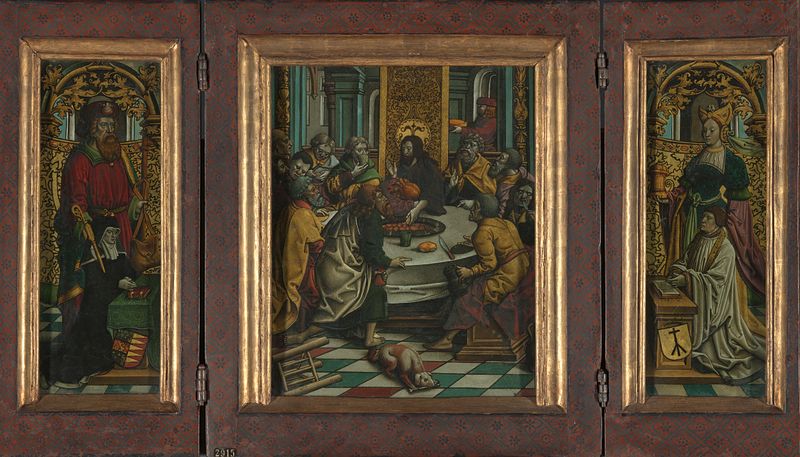
Triptych with the Last Supper and Donors
Jacob Cornelisz van Oostsanen
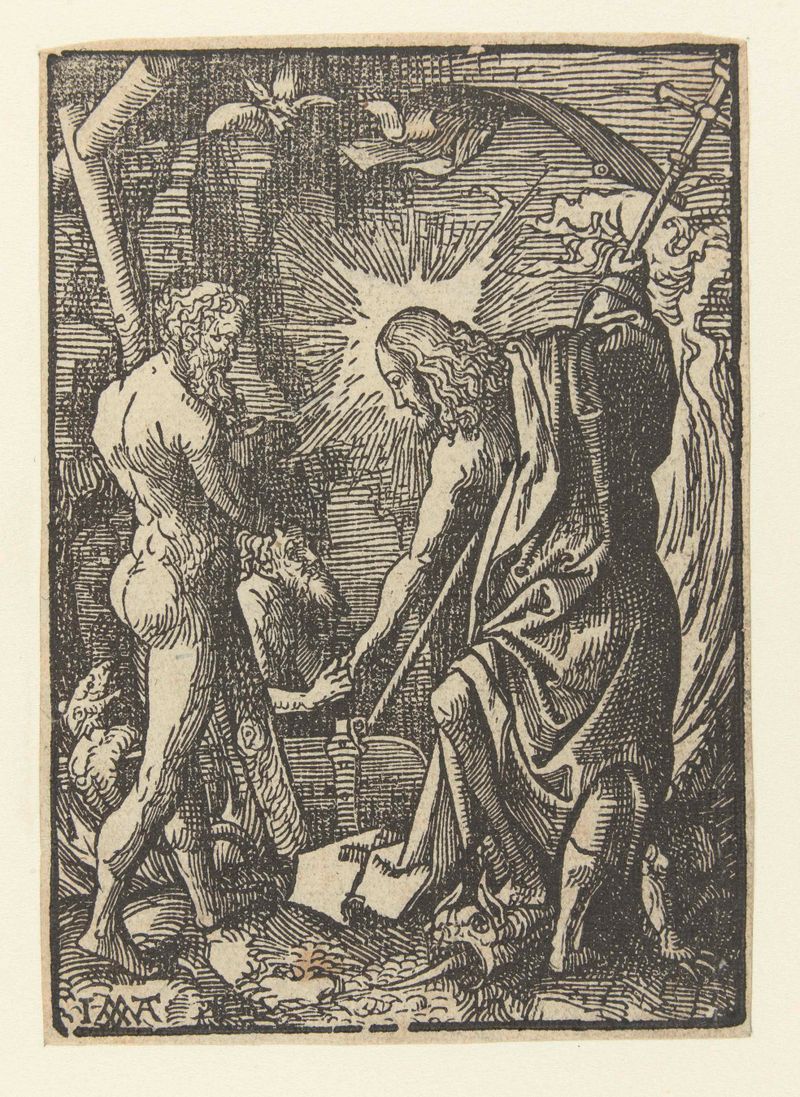
Christus in het voorgeborchte
Jacob Cornelisz van Oostsanen
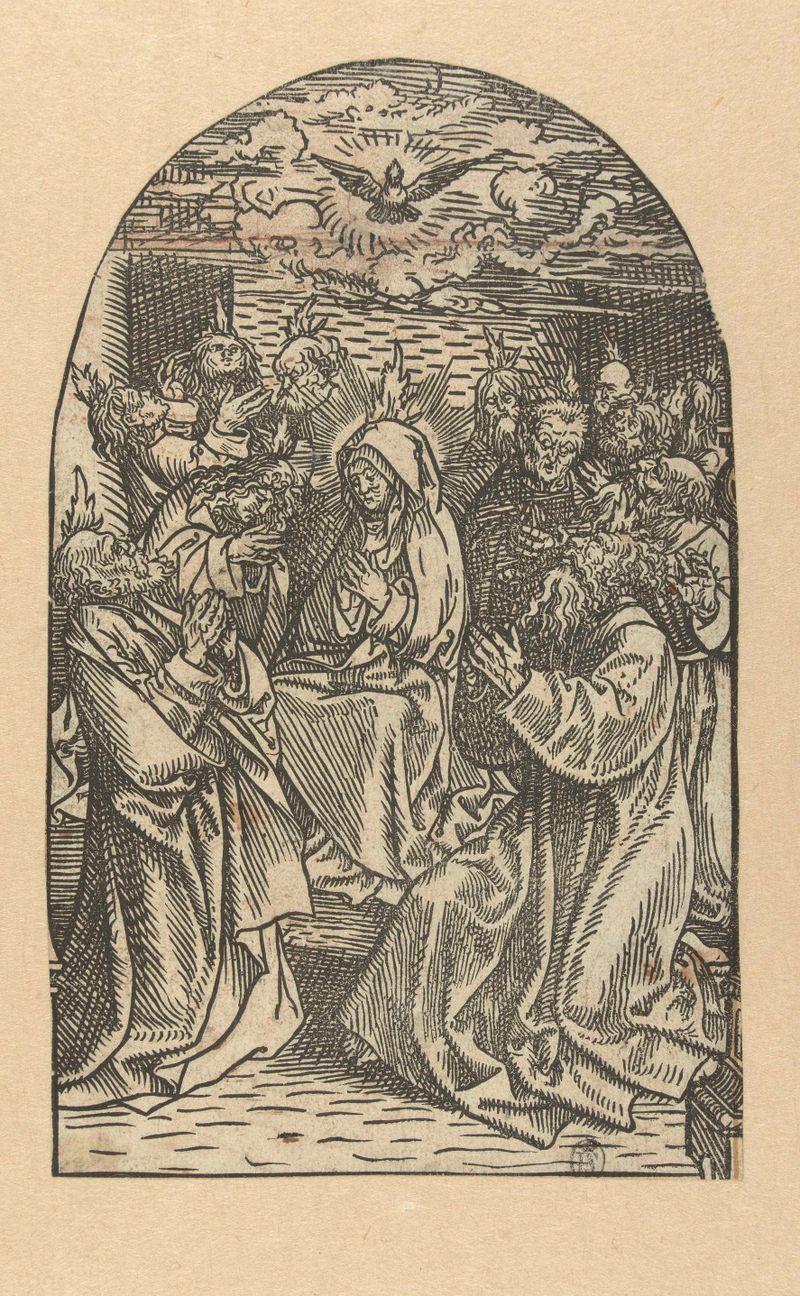
Uitstorting van de Heilige Geest
Jacob Cornelisz van Oostsanen
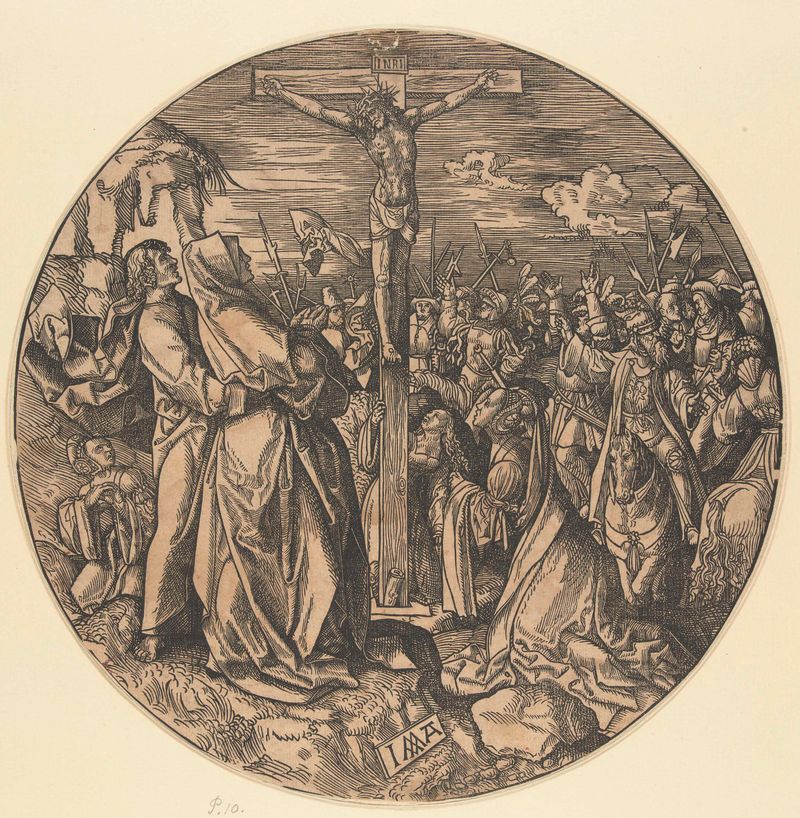
Christus aan het kruis
Jacob Cornelisz van Oostsanen

De kruisiging en de graflegging van Christus
Jacob Cornelisz van Oostsanen
More Religious Art
Browse all →
The Return of the Prodigal Son
Rembrandt van Rijn

The Garden of Earthly Delights
El Bosco

Count Orgaz’ funeral
El Greco

The Hundred Guilder Print: the central piece with Christ preaching, the plate arched
Rembrandt van Rijn

The Descent from the Cross
Rogier van der Weyden

The return of the prodigal son
Rembrandt van Rijn