
De geseling van Christus — History & Facts
What secret hides in the quiet of the canvas? There lies a profound desire beneath the surface of suffering and sacrifice, an emotional current that surges through the brushstrokes. Look to the center of the composition, where the figure of Christ stands bound, his body tense and weary. The stark contrast between his pale skin and the deep, shadowy hues surrounding him draws the eye, emphasizing his vulnerability amidst the crowd. Notice how the figures that encircle him, both tormentors and observers, are rendered in varying degrees of detail, their expressions a mix of malice and indifference.
The play of light highlights both the anguish and the dignity of Christ's face, creating a palpable tension that resonates throughout the piece. Beneath this vivid scene of anguish lies a tension between divine suffering and human cruelty. The subtle interplay of gestures among the onlookers suggests a complex web of desire—some are consumed by hatred, others by a morbid curiosity. The richly textured fabric of their garments contrasts with the starkness of Christ's captivation, symbolizing a world caught between the divine and the mundane.
This duality evokes a deep emotional response, challenging viewers to grapple with themes of sacrifice, empathy, and the longing for redemption. Jacob Cornelisz van Oostsanen painted De geseling van Christus in 1517 during a period marked by religious upheaval and artistic exploration in Europe. As a Dutch artist, he was essential in introducing Renaissance ideals to the Northern Netherlands while grappling with the fervor of the Reformation. This work captures not just a moment from the Passion, but also reflects the era's dynamic tension between faith and human experience, forever inviting contemplation of its deeper meanings.
More Artworks by Jacob Cornelisz van Oostsanen
Browse all →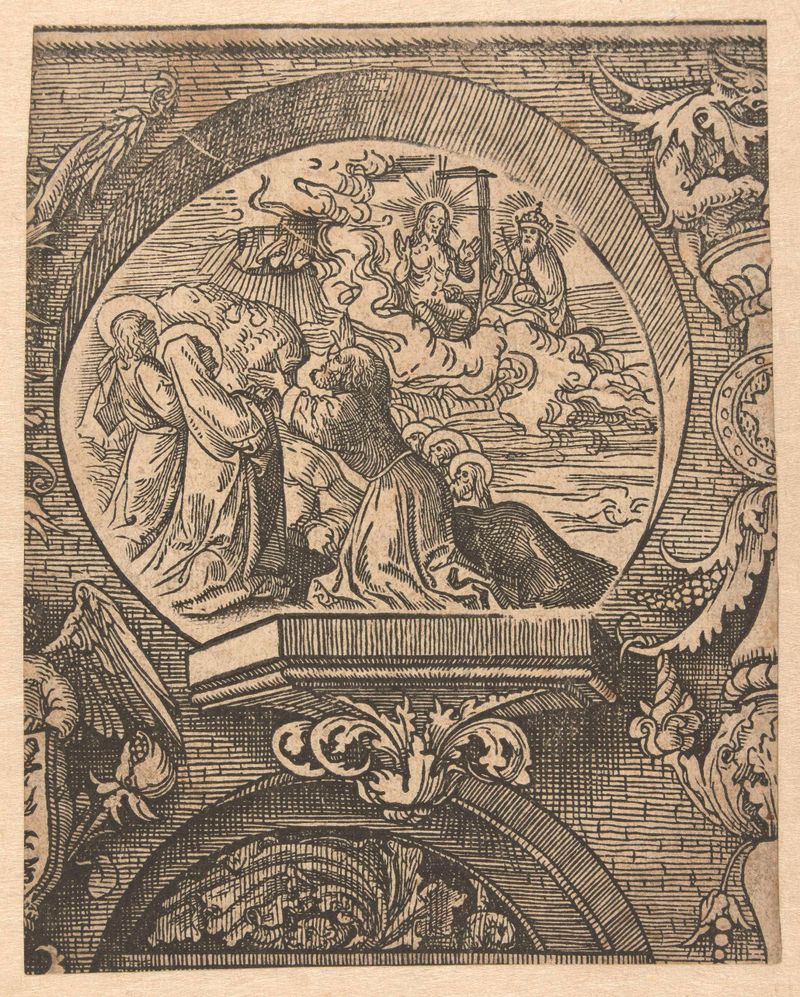
De hemelvaart en Christus voor God de Vader
Jacob Cornelisz van Oostsanen
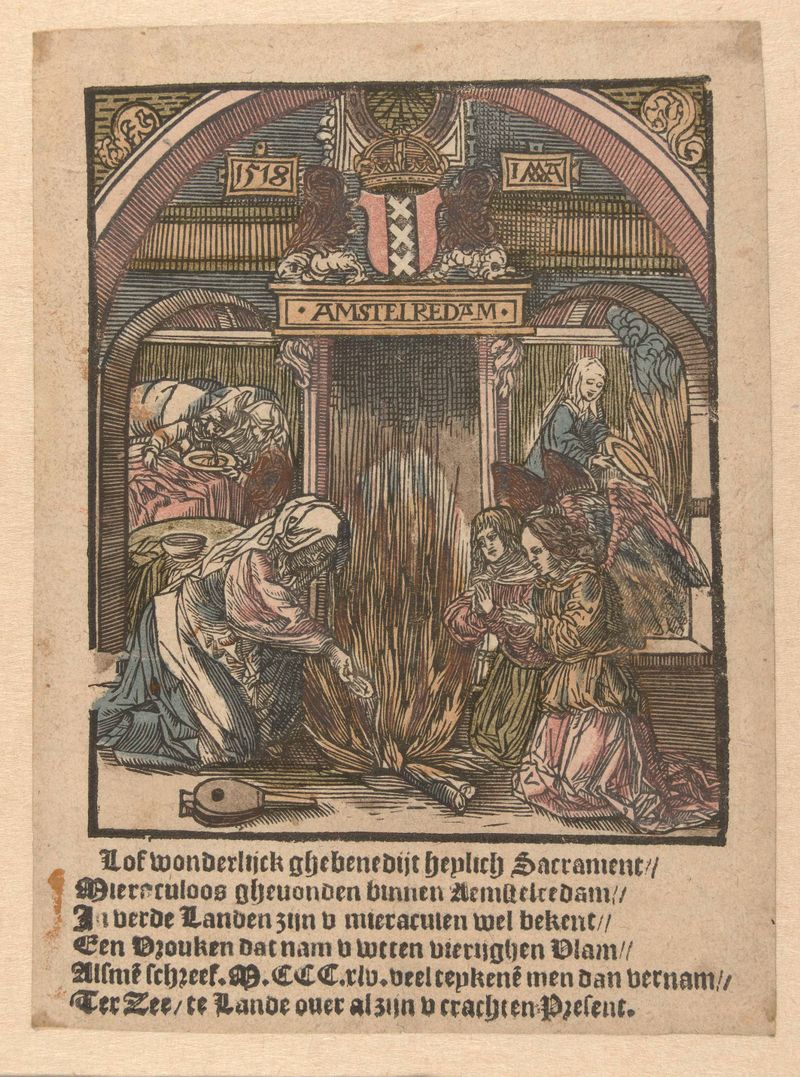
Het hostiewonder van Amsterdam
Jacob Cornelisz van Oostsanen
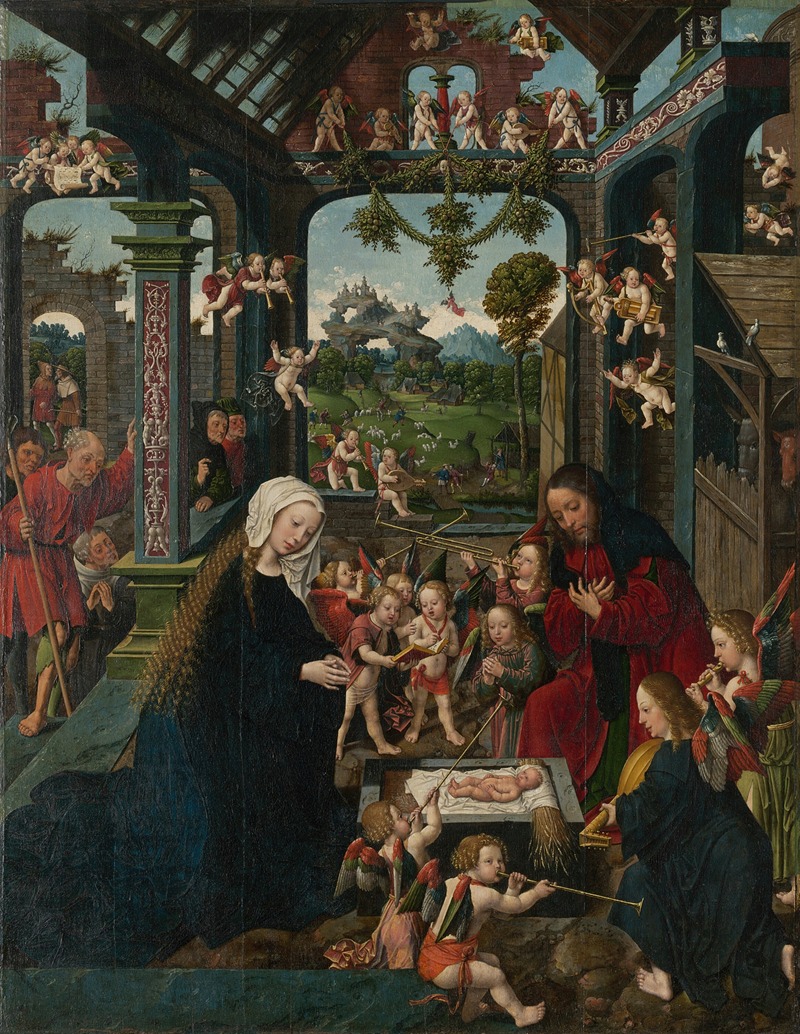
The Adoration of the Christ Child
Jacob Cornelisz van Oostsanen
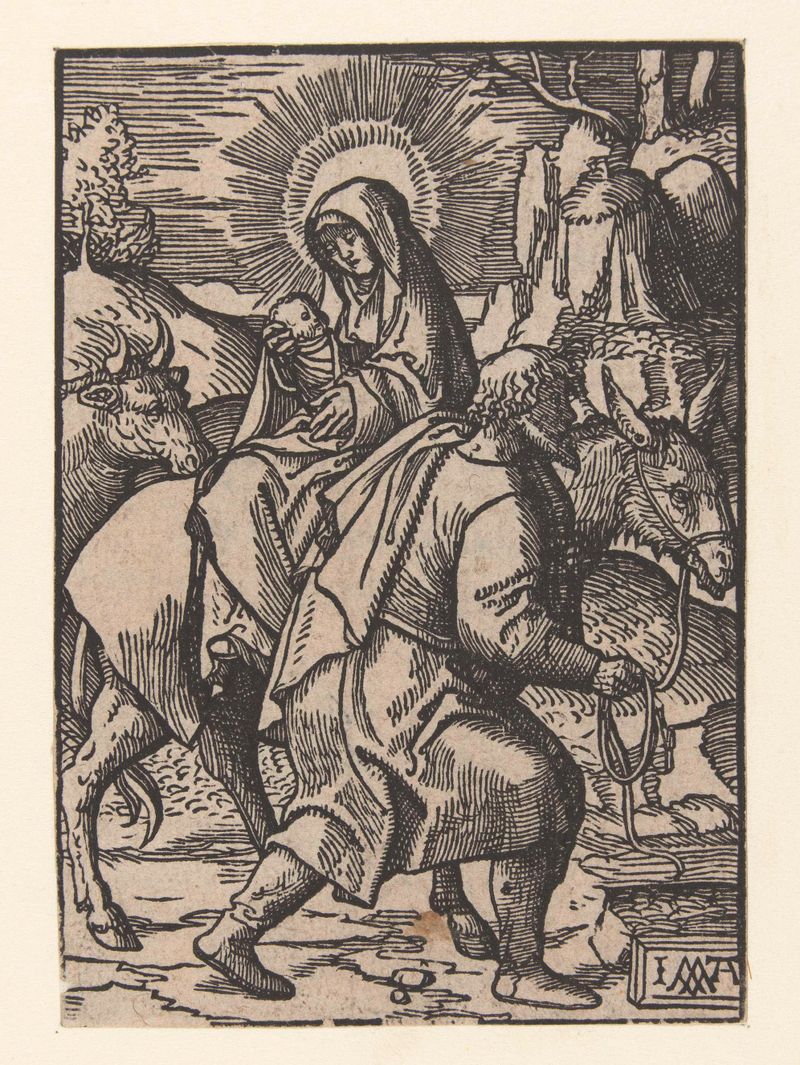
Vlucht naar Egypte
Jacob Cornelisz van Oostsanen
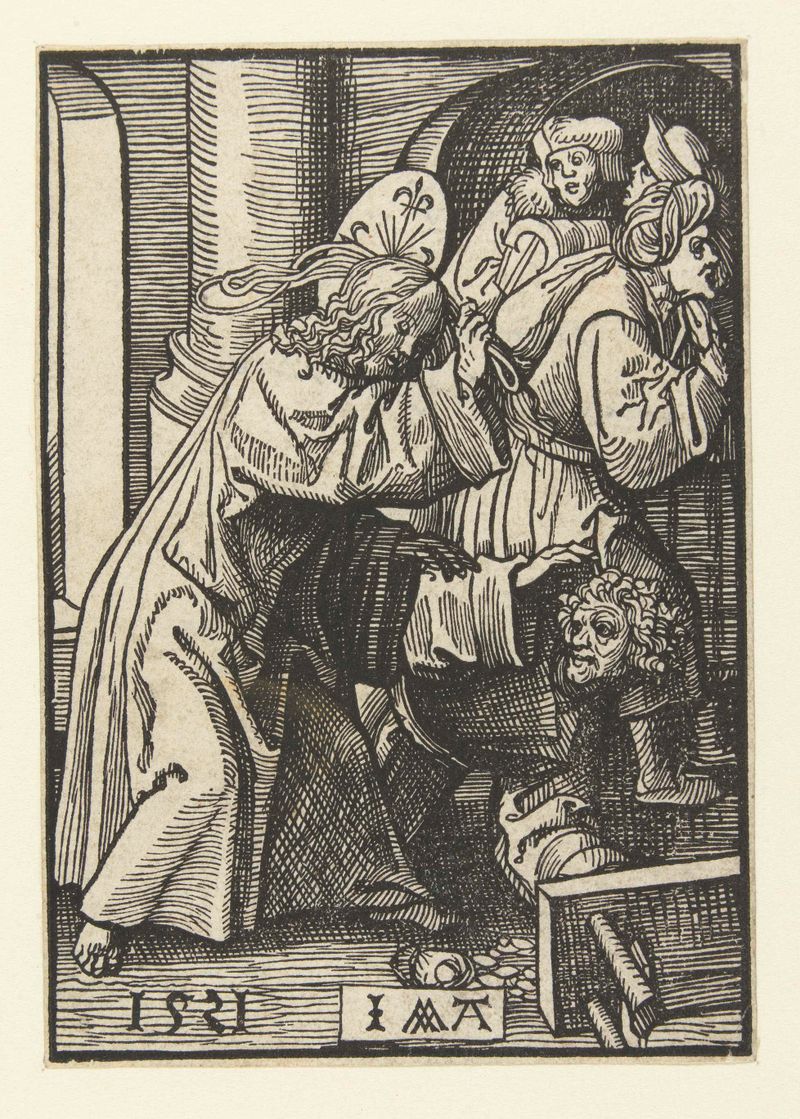
Verdrijving van de handelaren uit de tempel
Jacob Cornelisz van Oostsanen
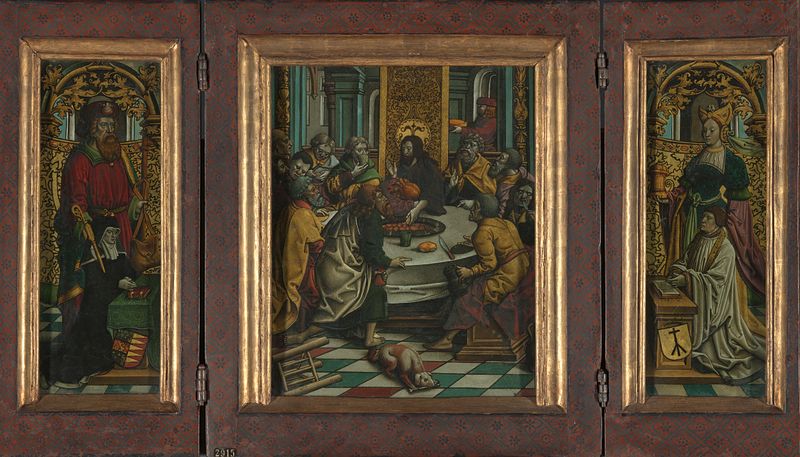
Triptych with the Last Supper and Donors
Jacob Cornelisz van Oostsanen
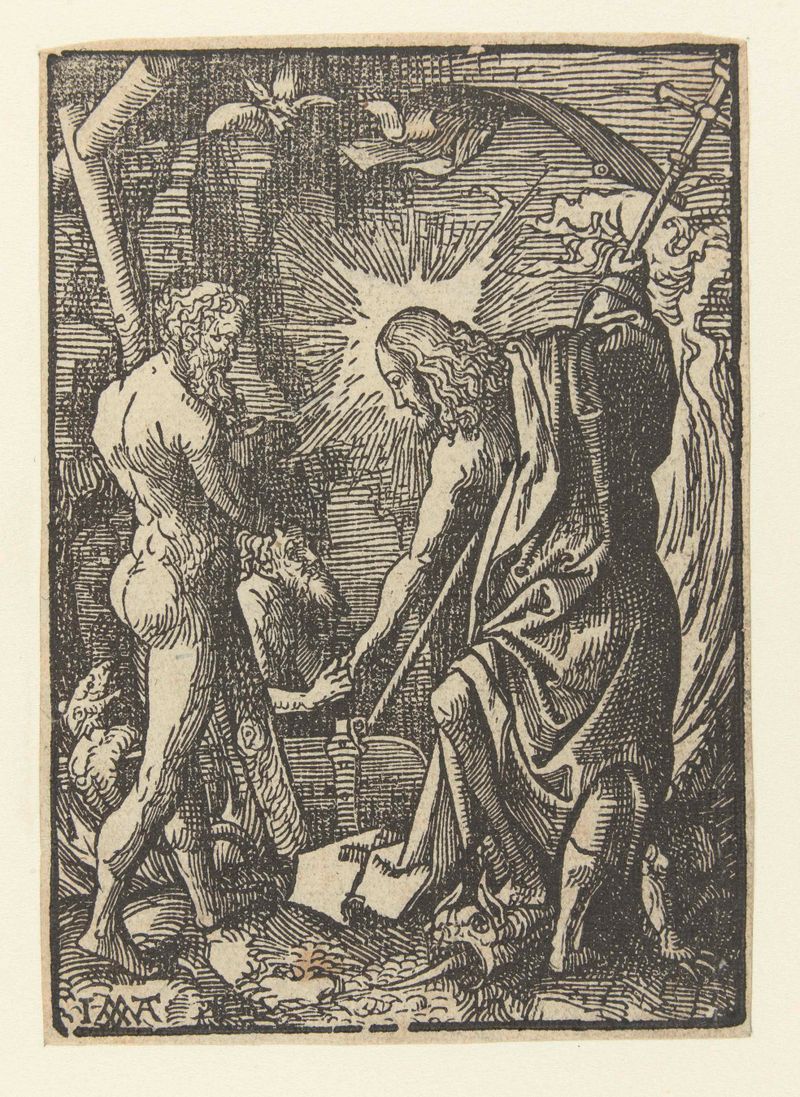
Christus in het voorgeborchte
Jacob Cornelisz van Oostsanen
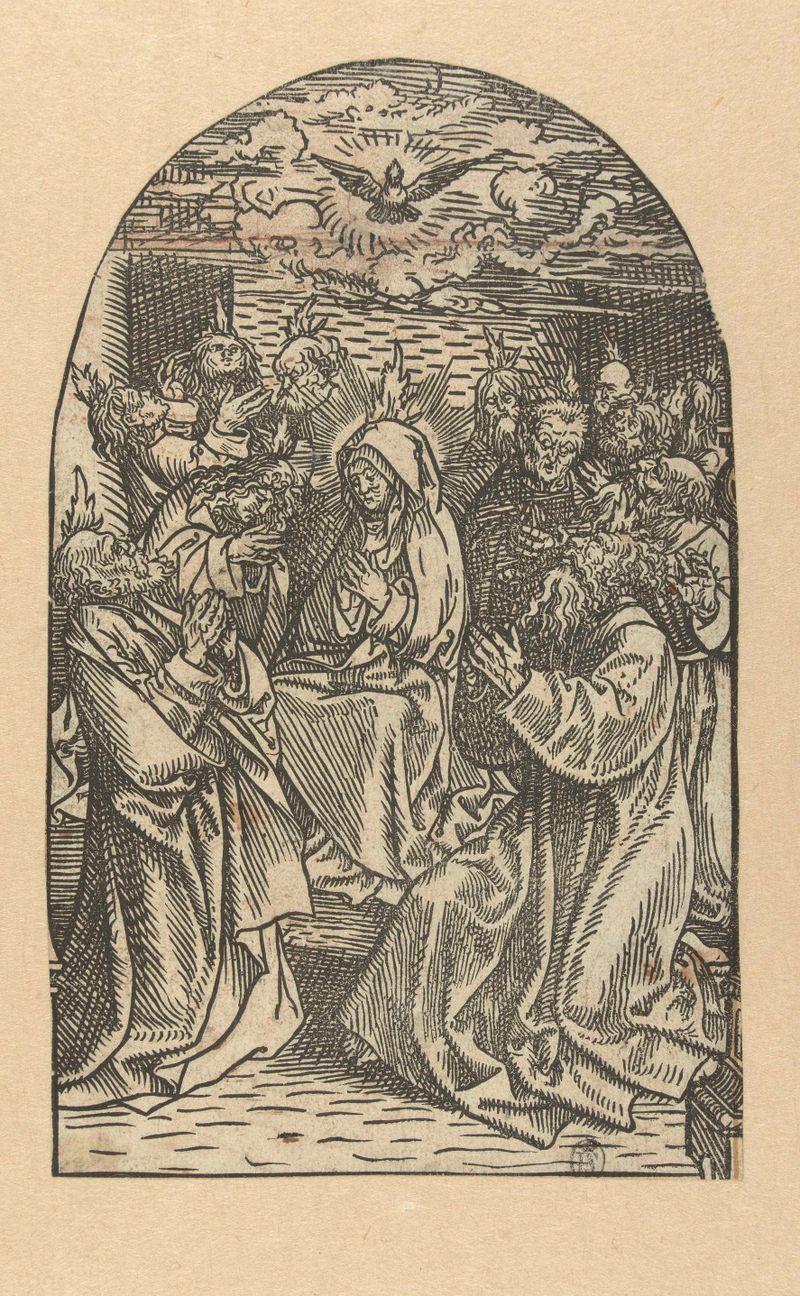
Uitstorting van de Heilige Geest
Jacob Cornelisz van Oostsanen
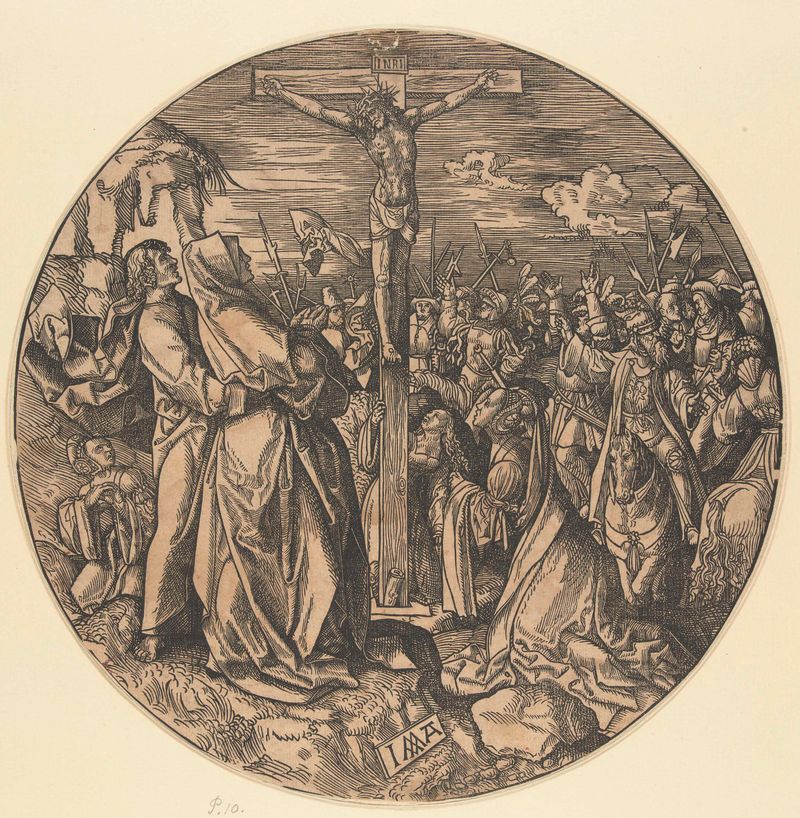
Christus aan het kruis
Jacob Cornelisz van Oostsanen

De kruisiging en de graflegging van Christus
Jacob Cornelisz van Oostsanen
More Religious Art
Browse all →
The Return of the Prodigal Son
Rembrandt van Rijn

The Garden of Earthly Delights
El Bosco

Count Orgaz’ funeral
El Greco

The Hundred Guilder Print: the central piece with Christ preaching, the plate arched
Rembrandt van Rijn

The Descent from the Cross
Rogier van der Weyden

The return of the prodigal son
Rembrandt van Rijn