
De geseling van de zeven broers en Job door zijn vrouw en Satan mishandeld — History & Facts
Who listens when art speaks of silence? In the stillness captured in this work, the absence of sound resonates more profoundly than any cacophony. Look to the left at the grim expressions etched on the faces of the seven brothers, their features taut with anguish and disbelief. The contrasting softness of Job's wife, who stands slightly apart, juxtaposes their despair with an unsettling calm, as if she bears witness to their suffering yet remains untouched. Notice how the somber palette of dark browns and muted grays envelops the figures, while a delicate light casts a harsh glow on Job, illuminating his pain and fortitude. The interplay of despair and loyalty unfolds with each brushstroke; Job’s unwavering gaze hints at a deeper resilience, a fight against the torment he endures.
The presence of Satan, hovering in the background, embodies the insidious nature of doubt, taunting those who believe. Each figure holds a story; the anguish of the brothers reflects societal expectations of masculinity, while Job’s wife represents the complex spectrum of support and betrayal in times of crisis—her relationship with suffering is both intimate and alienating. Jacob Cornelisz van Oostsanen created this powerful piece between 1518 and 1522 in the vibrant cultural climate of the Northern Renaissance. During this time, the artist grappled with the theological contradictions of human suffering, as well as the burgeoning humanist ideals that sought to depict the human condition with authenticity.
The artwork not only reflects van Oostsanen's mastery of emotion through his characters but also reveals the larger discourse on faith, resilience, and the quest for transcendence amid turmoil.
More Artworks by Jacob Cornelisz van Oostsanen
Browse all →
De hemelvaart en Christus voor God de Vader
Jacob Cornelisz van Oostsanen
Het hostiewonder van Amsterdam
Jacob Cornelisz van Oostsanen
The Adoration of the Christ Child
Jacob Cornelisz van Oostsanen
Vlucht naar Egypte
Jacob Cornelisz van Oostsanen
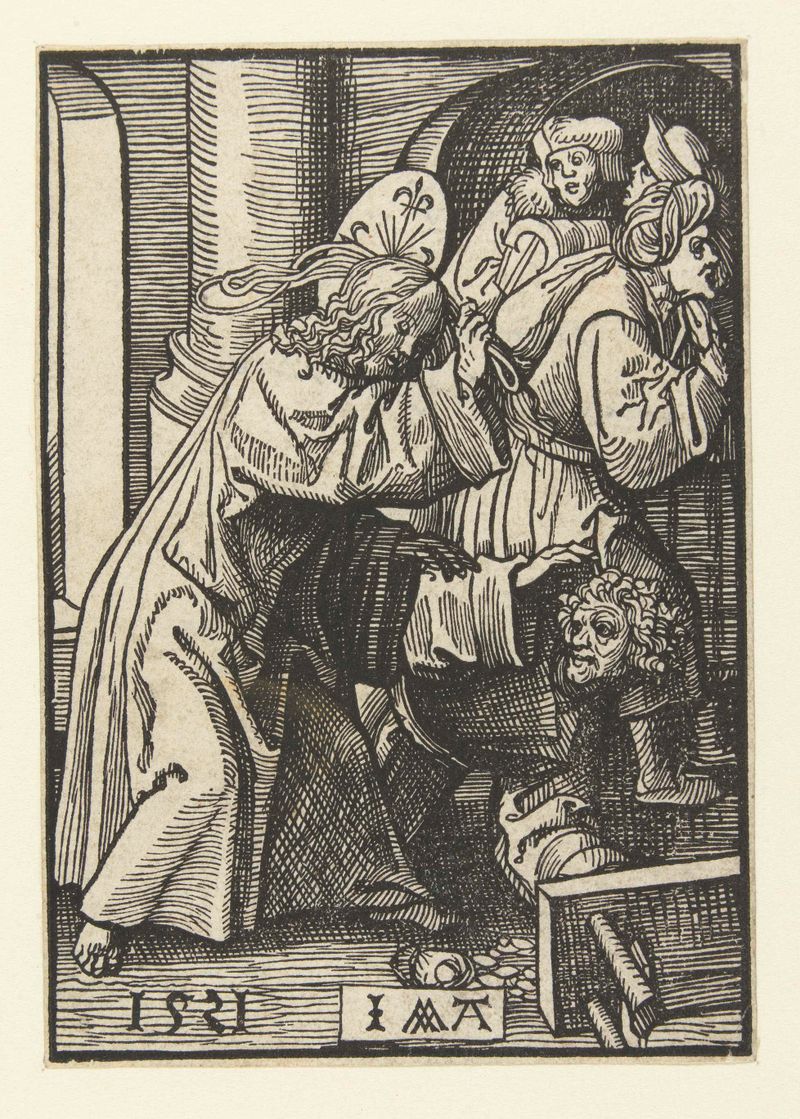
Verdrijving van de handelaren uit de tempel
Jacob Cornelisz van Oostsanen
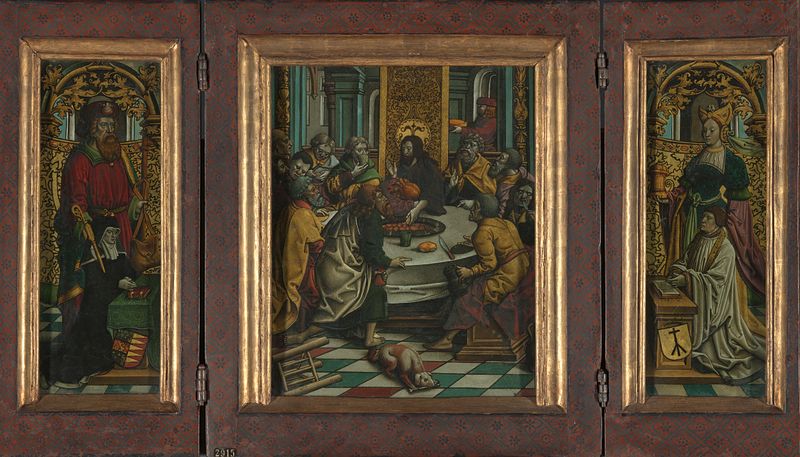
Triptych with the Last Supper and Donors
Jacob Cornelisz van Oostsanen
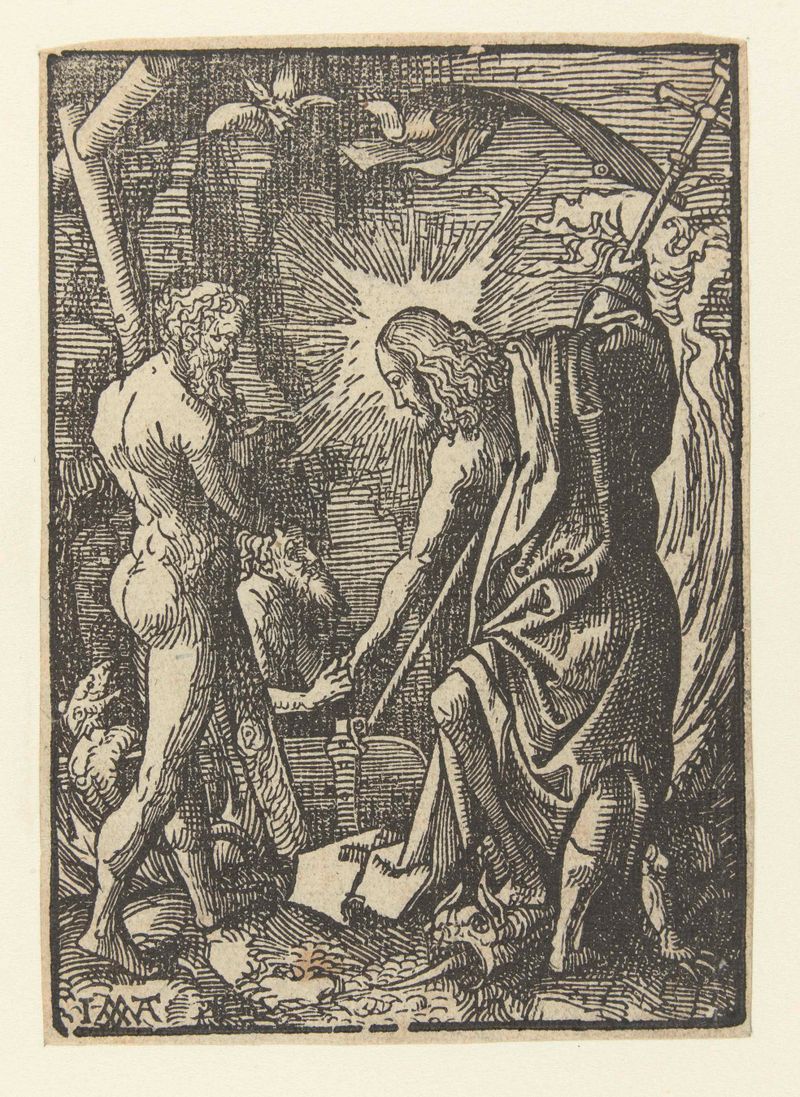
Christus in het voorgeborchte
Jacob Cornelisz van Oostsanen
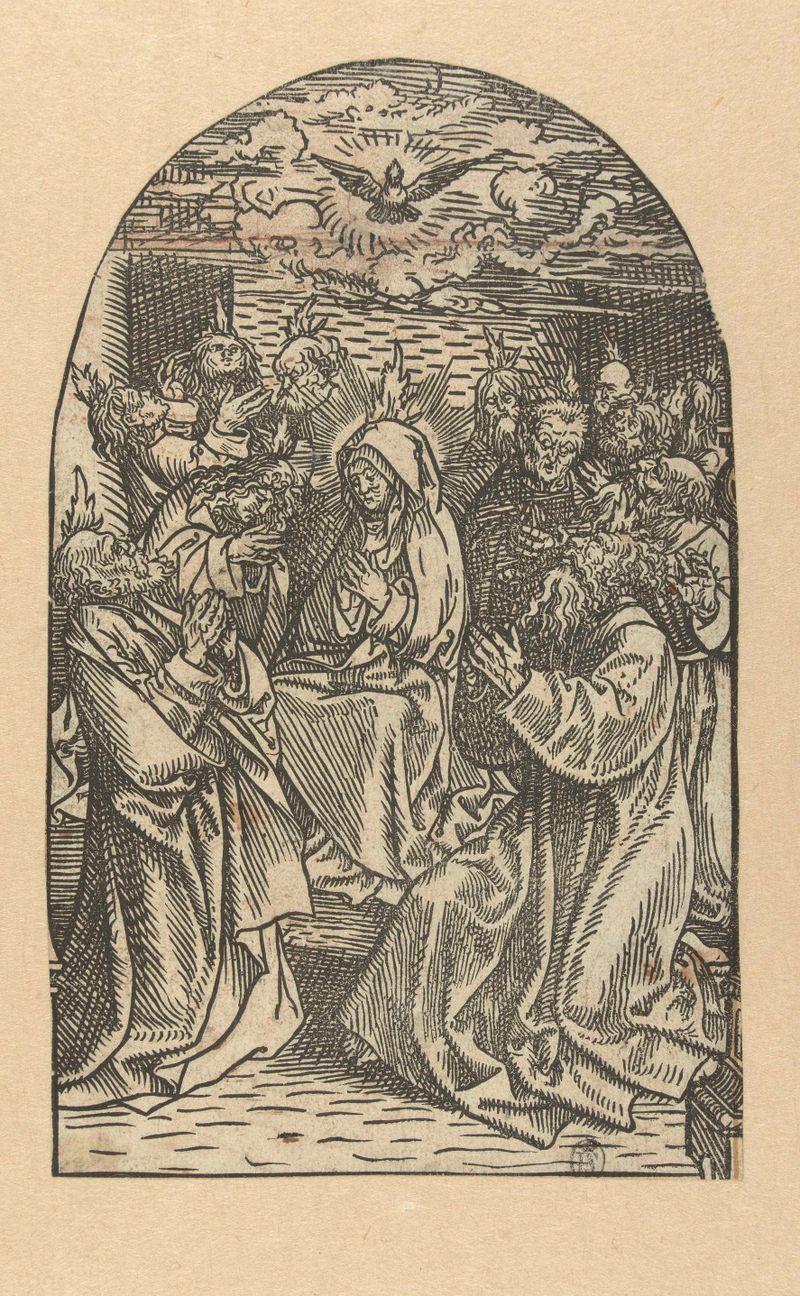
Uitstorting van de Heilige Geest
Jacob Cornelisz van Oostsanen
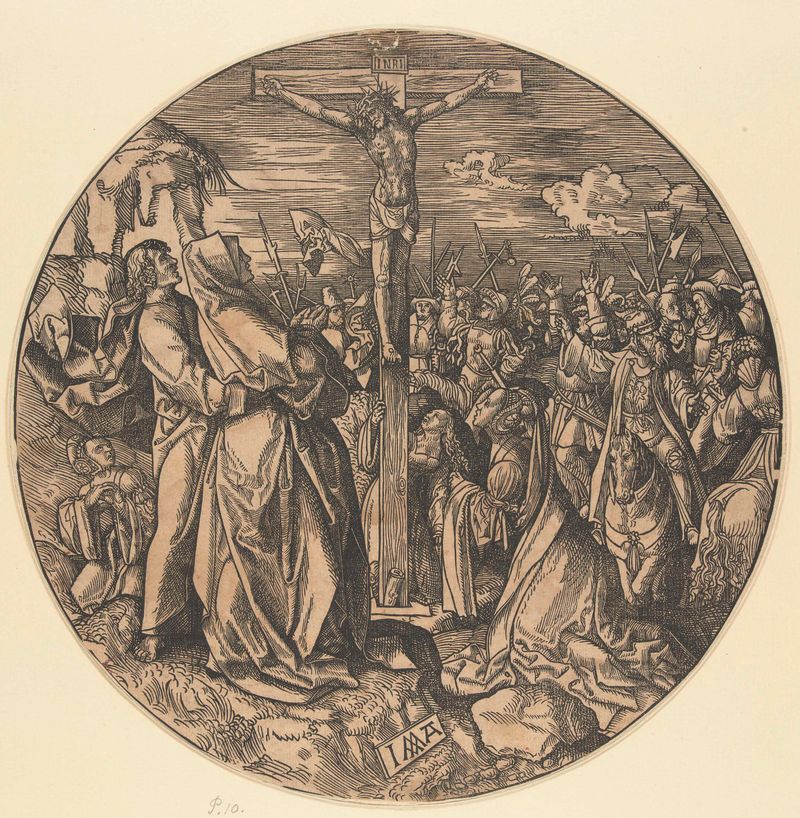
Christus aan het kruis
Jacob Cornelisz van Oostsanen

De kruisiging en de graflegging van Christus
Jacob Cornelisz van Oostsanen
More Religious Art
Browse all →
The Return of the Prodigal Son
Rembrandt van Rijn

The Garden of Earthly Delights
El Bosco

Count Orgaz’ funeral
El Greco

The Hundred Guilder Print: the central piece with Christ preaching, the plate arched
Rembrandt van Rijn

The Descent from the Cross
Rogier van der Weyden

The return of the prodigal son
Rembrandt van Rijn