
De gevangenneming van Christus — History & Facts
Did the painter know this moment would outlive them? In De gevangenneming van Christus, the weight of longing hangs in the air, capturing an essence that transcends time. Look to the left, where the figure of Christ is illuminated by a soft, heavenly light, contrasting the shadowy figures surrounding him. The dynamic composition draws the viewer's gaze towards the tension expressed in the outstretched hands, the gestures of betrayal and hesitation palpable. Notice how the artist employs rich, muted tones to evoke a somber atmosphere, with deep blues and earthy browns punctuated by the bright whites of Christ’s garments, signifying purity amid chaos. Hidden within the theatricality of the scene lies a poignant commentary on fear and sacrifice.
The expressions on the faces of the soldiers reveal a mixture of resolve and uncertainty, each one embodying the struggle between duty and moral conflict. The gentle curve of Christ's body, almost serene in the face of his impending fate, serves as a stark contrast to the aggression of the captors—inviting viewers to reflect on the complexities of betrayal, loyalty, and the human condition. Jacob Cornelisz van Oostsanen painted this work in the early 16th century, during a time of religious upheaval and transition in Europe. As the Protestant Reformation gained momentum, artists like him were exploring themes of faith and humanity, navigating a world where traditional beliefs were increasingly questioned.
This work, created in the aftermath of such changes, stands as a testament to both personal and collective struggles, echoing the yearning for understanding amidst turmoil.
More Artworks by Jacob Cornelisz van Oostsanen
Browse all →
De hemelvaart en Christus voor God de Vader
Jacob Cornelisz van Oostsanen
Het hostiewonder van Amsterdam
Jacob Cornelisz van Oostsanen
The Adoration of the Christ Child
Jacob Cornelisz van Oostsanen
Vlucht naar Egypte
Jacob Cornelisz van Oostsanen
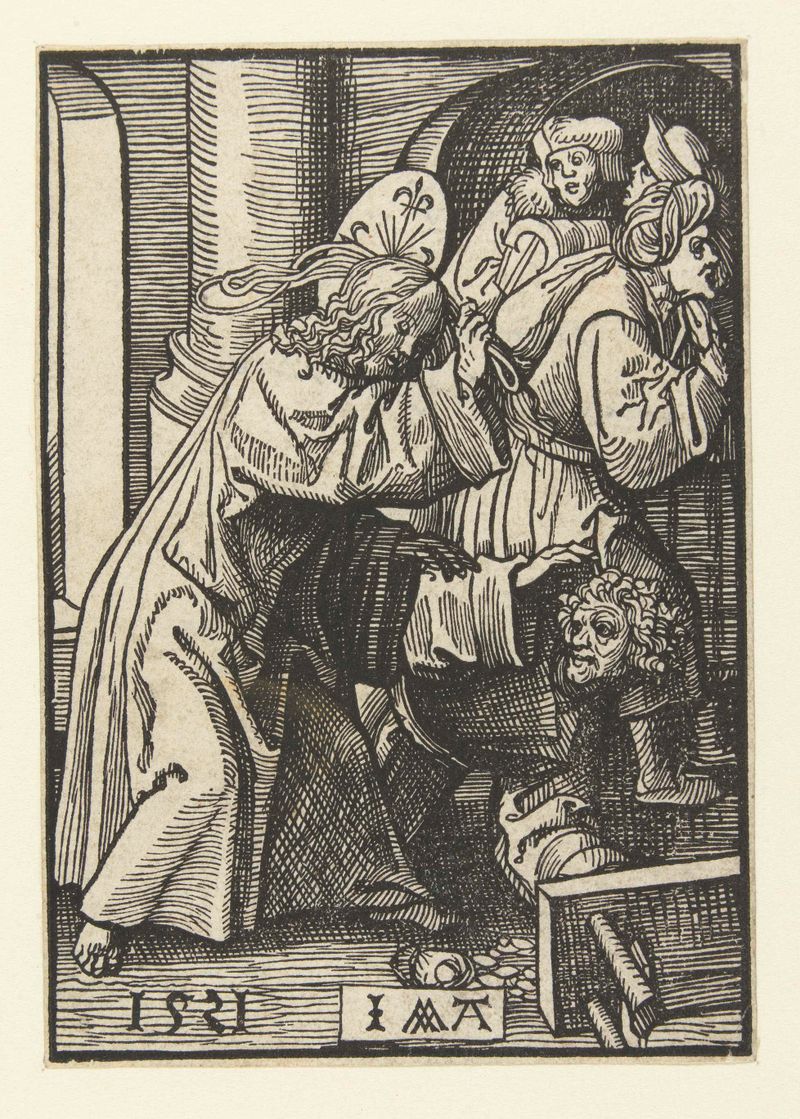
Verdrijving van de handelaren uit de tempel
Jacob Cornelisz van Oostsanen
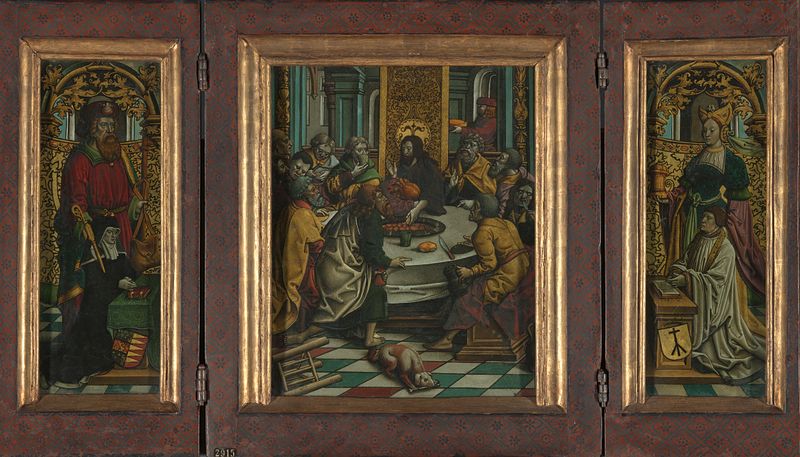
Triptych with the Last Supper and Donors
Jacob Cornelisz van Oostsanen
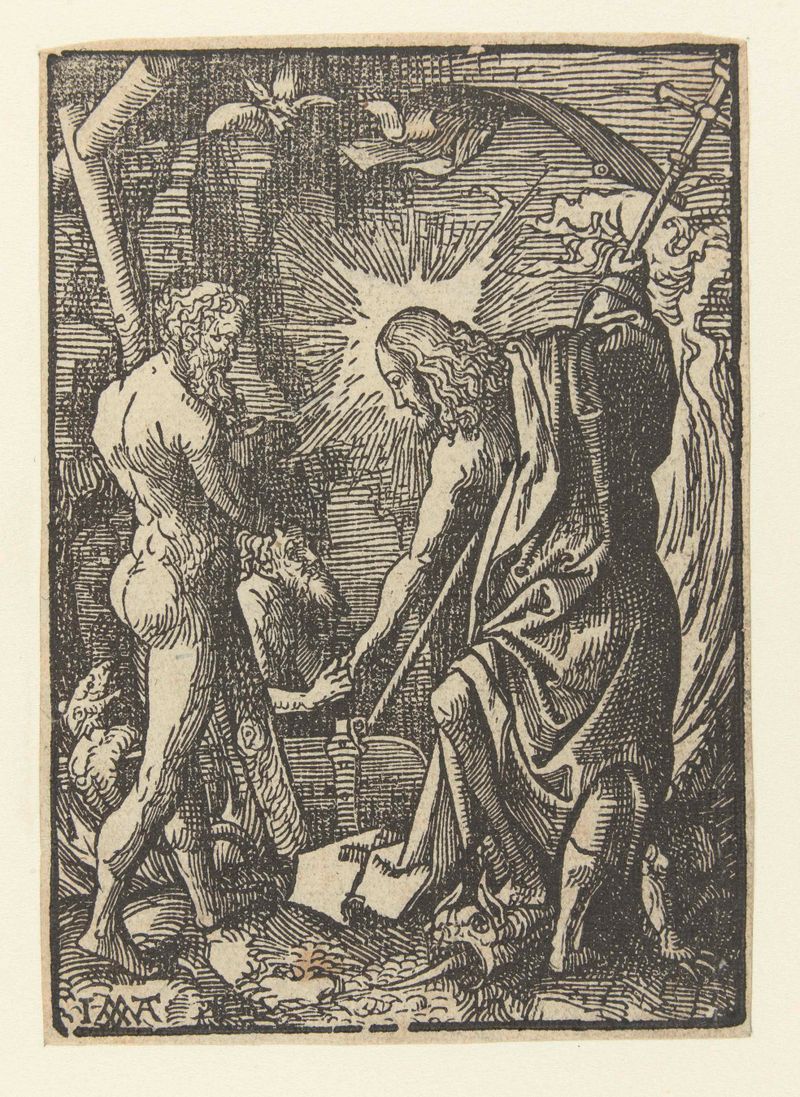
Christus in het voorgeborchte
Jacob Cornelisz van Oostsanen
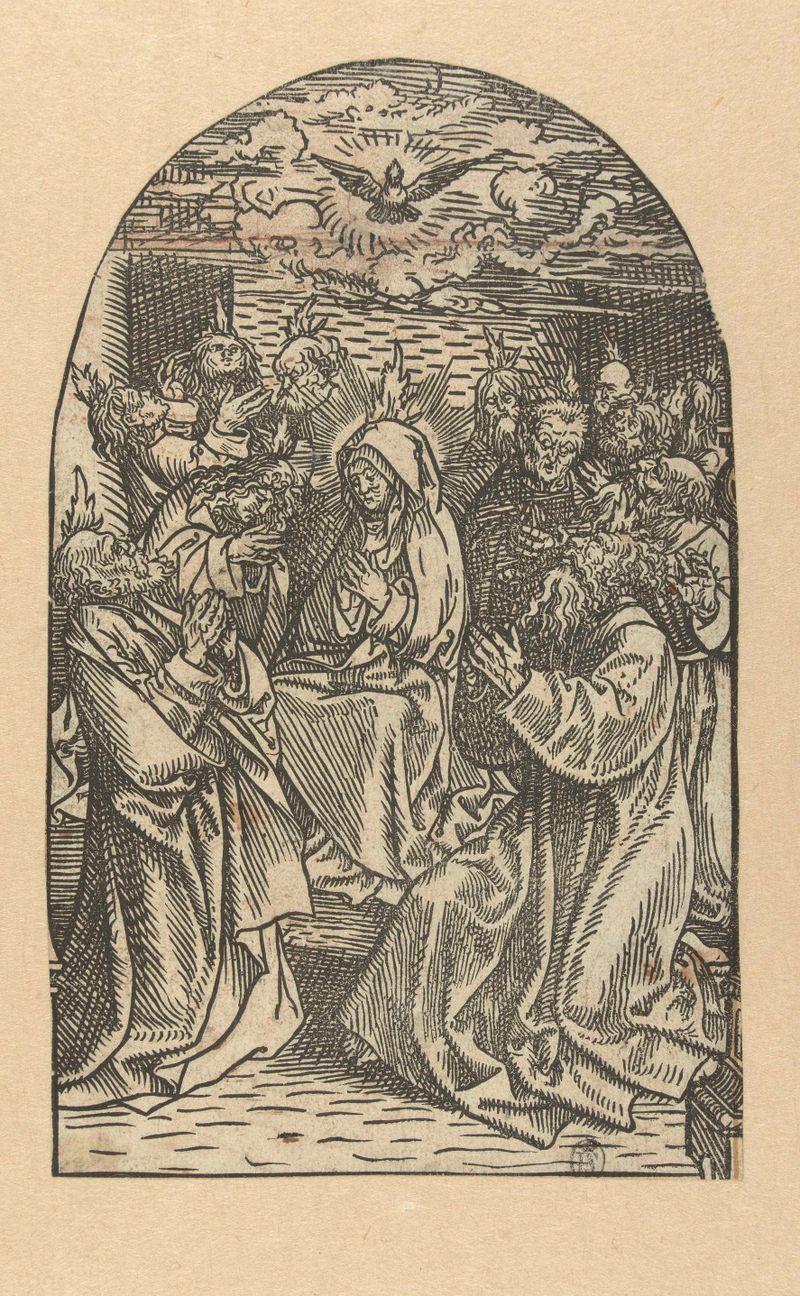
Uitstorting van de Heilige Geest
Jacob Cornelisz van Oostsanen
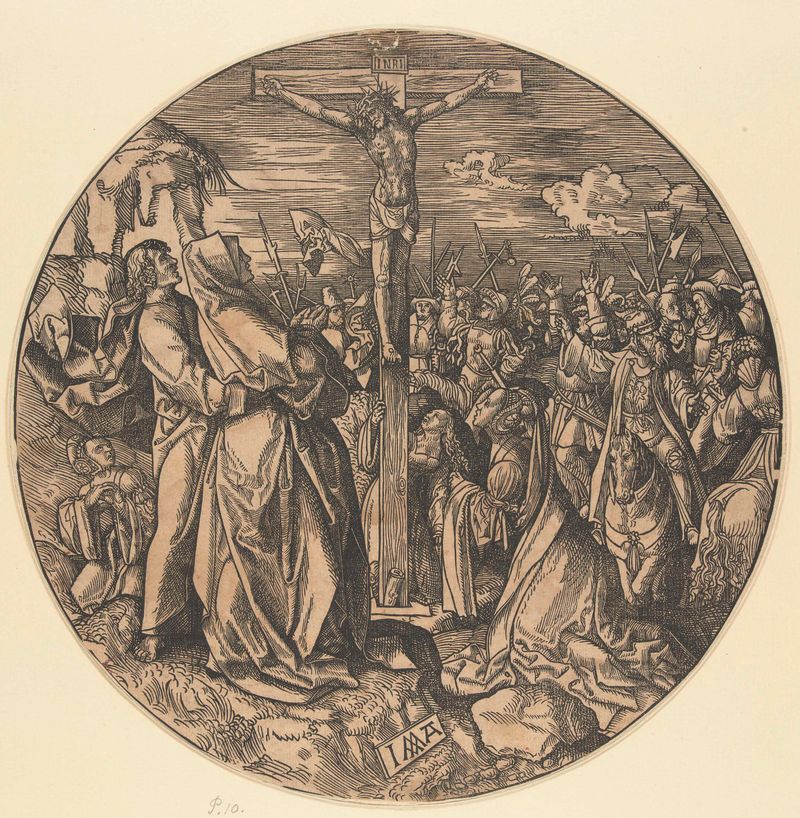
Christus aan het kruis
Jacob Cornelisz van Oostsanen

De kruisiging en de graflegging van Christus
Jacob Cornelisz van Oostsanen
More Religious Art
Browse all →
The Return of the Prodigal Son
Rembrandt van Rijn

The Garden of Earthly Delights
El Bosco

Count Orgaz’ funeral
El Greco

The Hundred Guilder Print: the central piece with Christ preaching, the plate arched
Rembrandt van Rijn

The Descent from the Cross
Rogier van der Weyden

The return of the prodigal son
Rembrandt van Rijn