
De gevangenneming van Christus, gevangenneming van Simson en de vlucht van David — History & Facts
In the quiet resonance of artistry, hope finds its voice amidst the struggle of despair and redemption. This painting lies at the intersection of faith and resilience, offering a narrative that transcends mere depiction. Look to the left of the canvas, where the figures of Christ and Samson stand intertwined in a gripping moment of capture. The masterful use of chiaroscuro illuminates their faces, revealing a spectrum of emotions—from sorrow to defiance.
Notice how the deep reds and somber blues surround them, creating a stark contrast that heightens the tension of their plight. The composition draws your gaze towards the central figures, while the surrounding characters, cast in shadows, hint at a world swirling with chaos. Delve deeper into the subtle details: the anguished expressions of the onlookers, the tension in the grasp of the captors, and the serene calm of David's silhouette in the background. Each element is carefully placed, revealing the emotional undercurrents at play.
The juxtaposition of the violent act against the steadfast hope embodied in David’s stance evokes the complexities of faith in the face of adversity. Here, the artist captures a moment where despair battles the flickering flame of hope, reminding us that light can emerge even in the darkest confines. During the years 1525 to 1530, the artist was immersed in a transitional period for Northern Renaissance art. Working in Amsterdam, he was influenced by both religious fervor and the burgeoning humanist ideas of the time.
The focus on biblical narratives in his work reflects the socio-political landscape, where personal and collective struggles informed artistic expression. This painting stands as a testament not only to his skill but also to the enduring themes of sacrifice and redemption that resonate through centuries.
More Artworks by Jacob Cornelisz van Oostsanen
Browse all →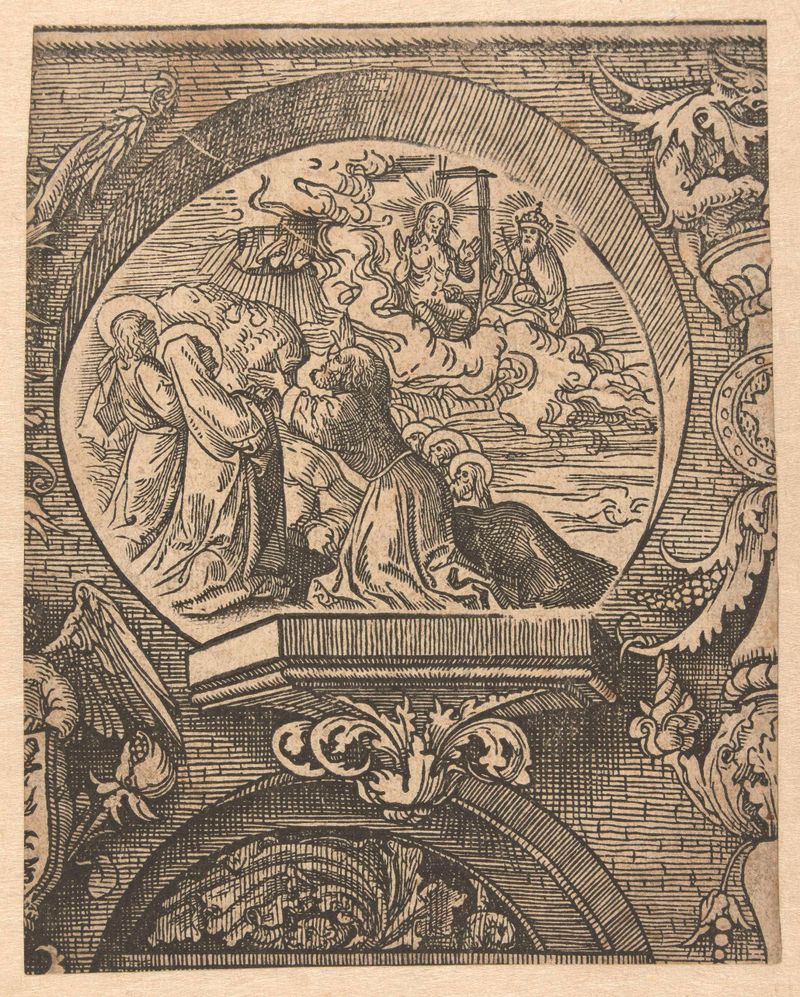
De hemelvaart en Christus voor God de Vader
Jacob Cornelisz van Oostsanen
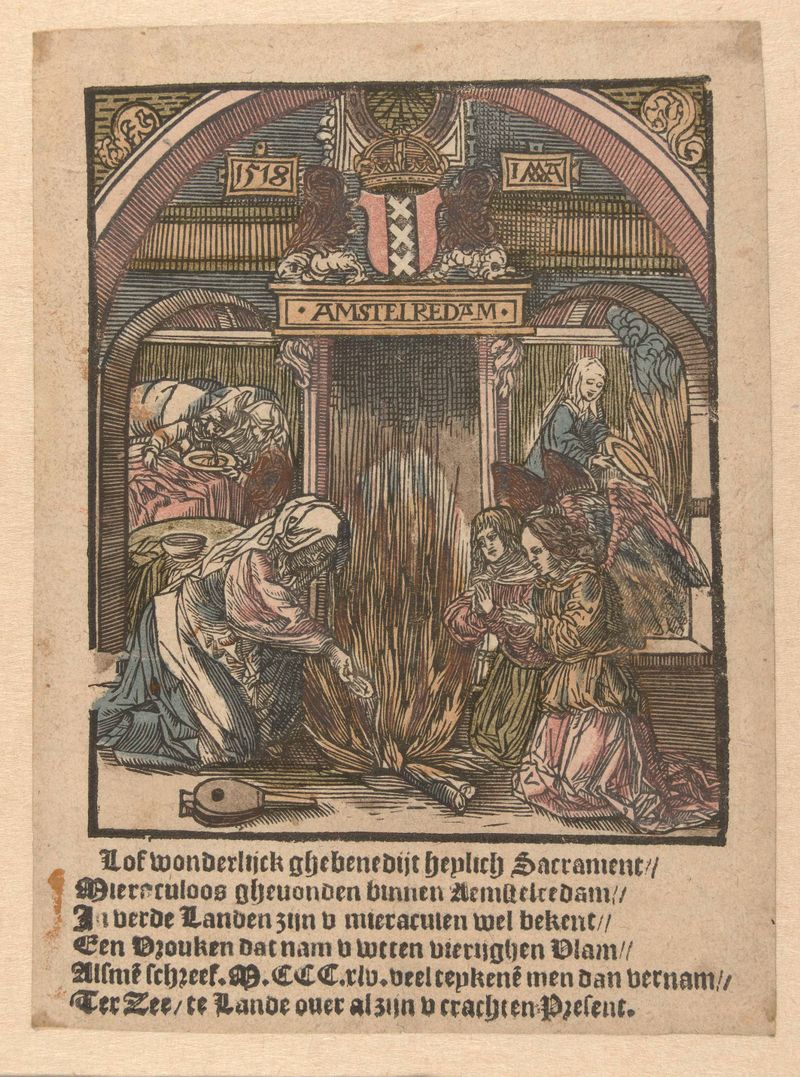
Het hostiewonder van Amsterdam
Jacob Cornelisz van Oostsanen
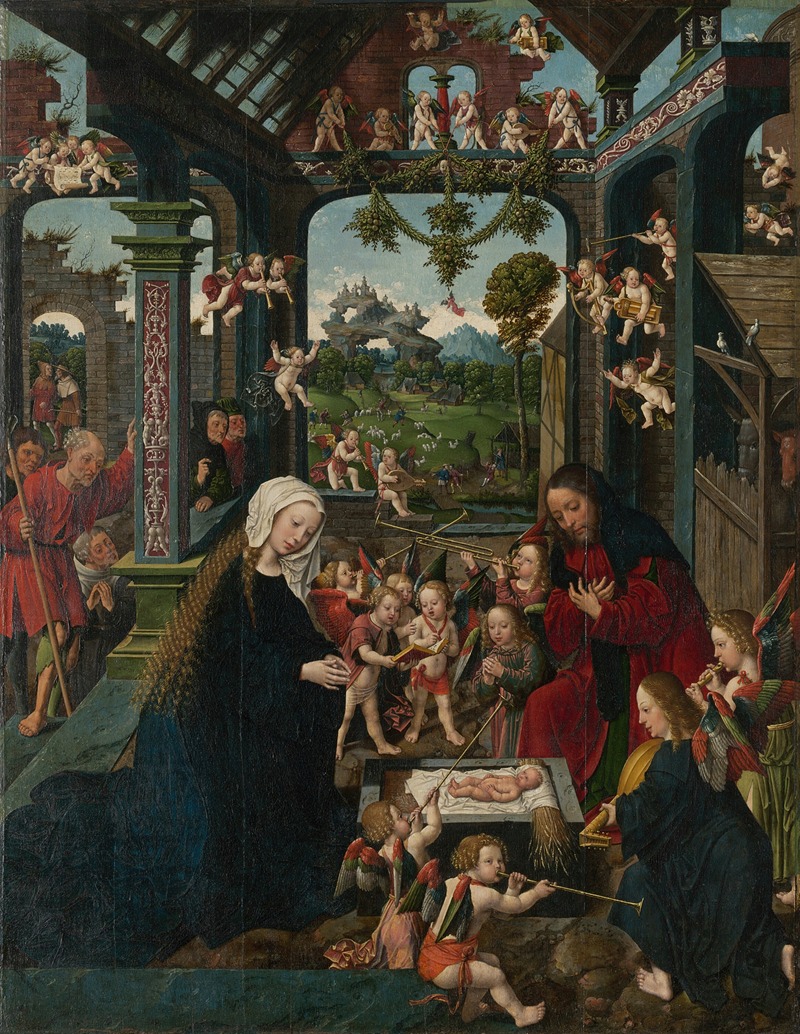
The Adoration of the Christ Child
Jacob Cornelisz van Oostsanen
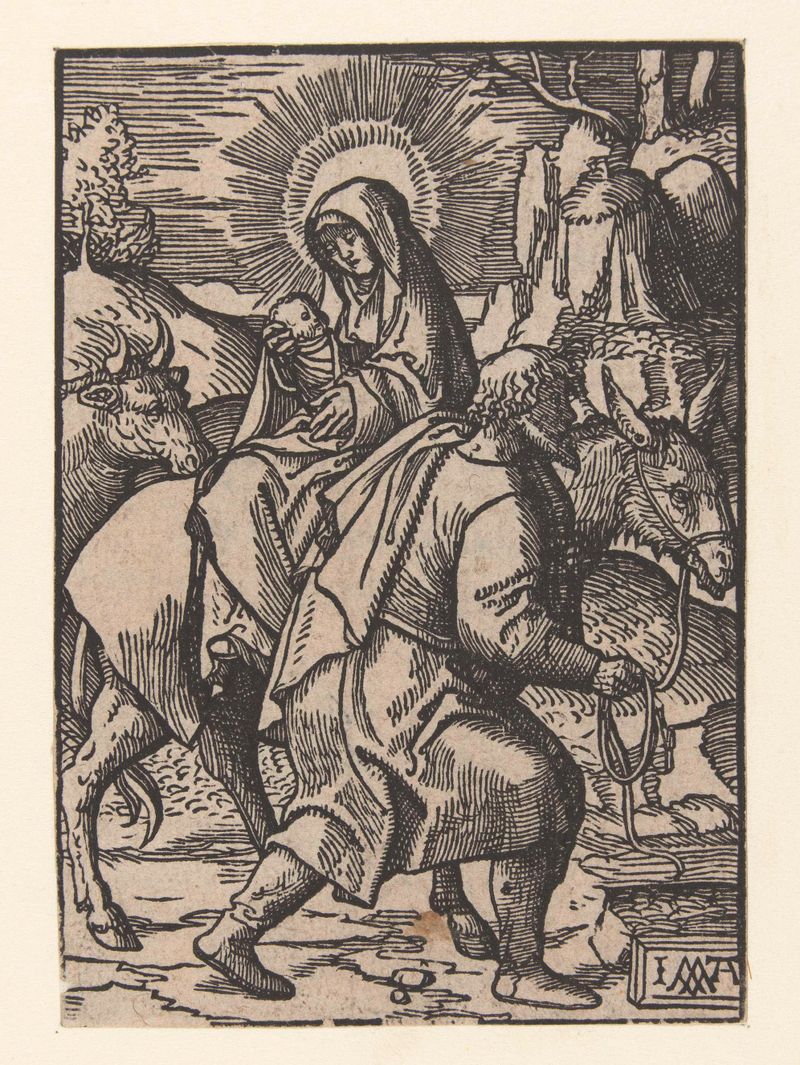
Vlucht naar Egypte
Jacob Cornelisz van Oostsanen
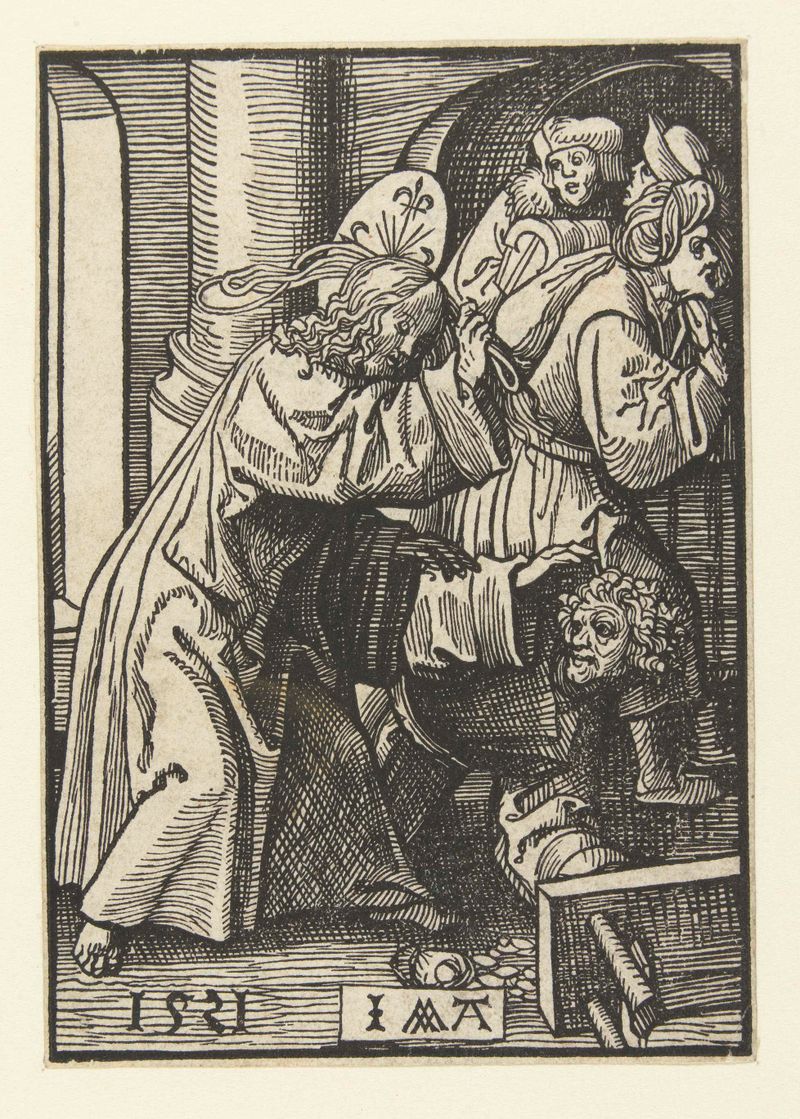
Verdrijving van de handelaren uit de tempel
Jacob Cornelisz van Oostsanen
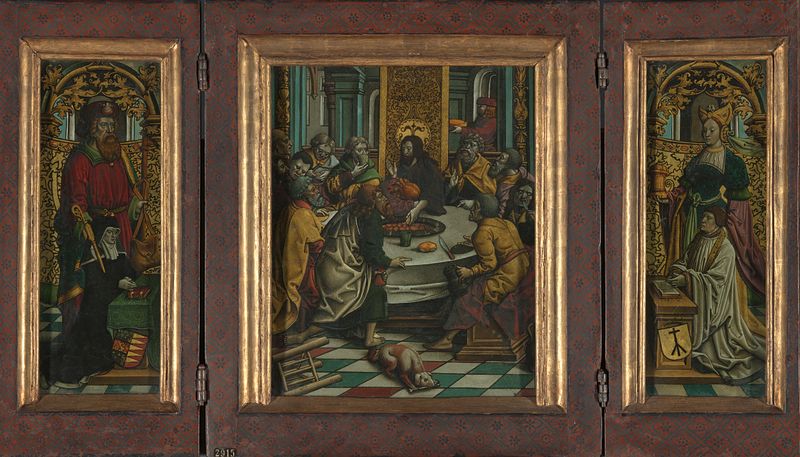
Triptych with the Last Supper and Donors
Jacob Cornelisz van Oostsanen
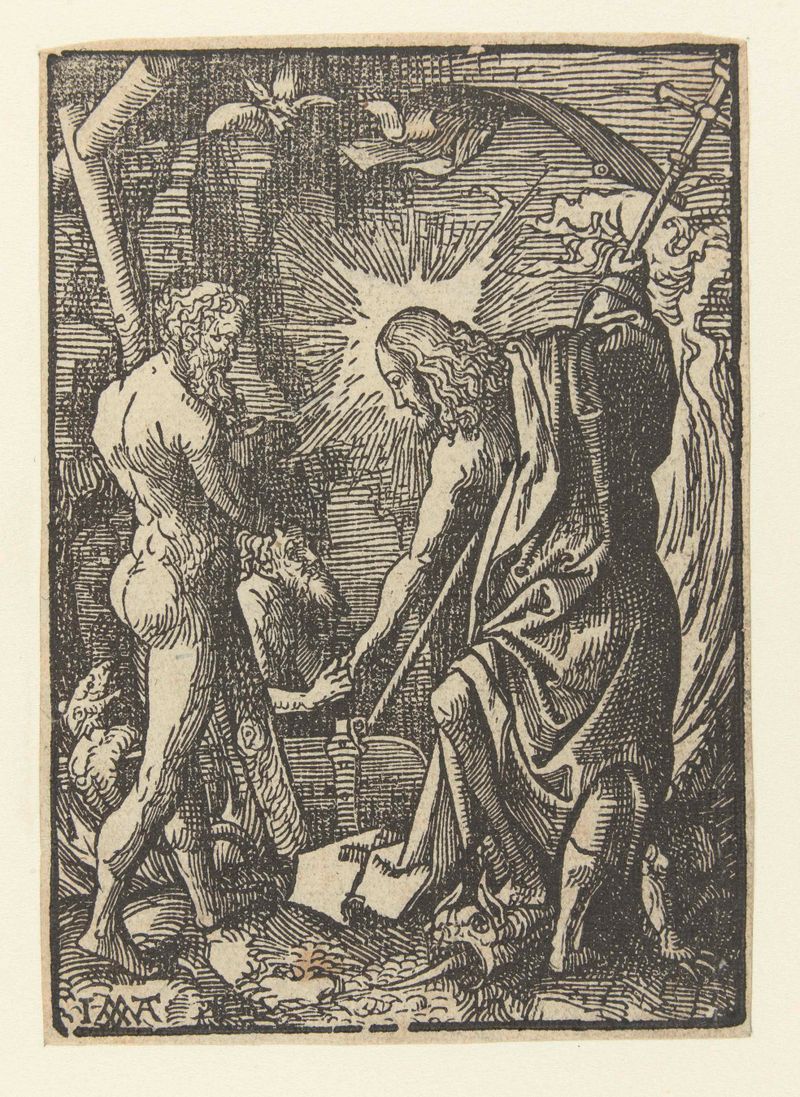
Christus in het voorgeborchte
Jacob Cornelisz van Oostsanen
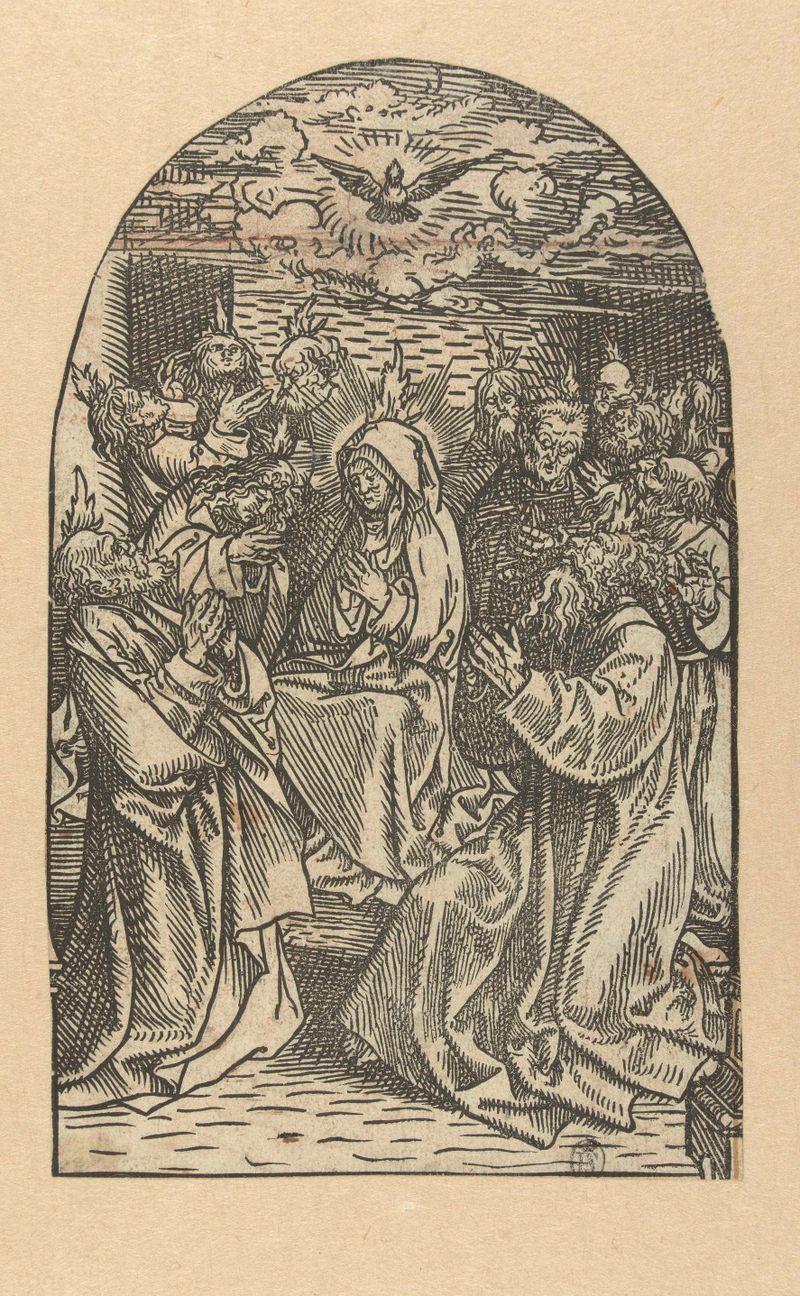
Uitstorting van de Heilige Geest
Jacob Cornelisz van Oostsanen
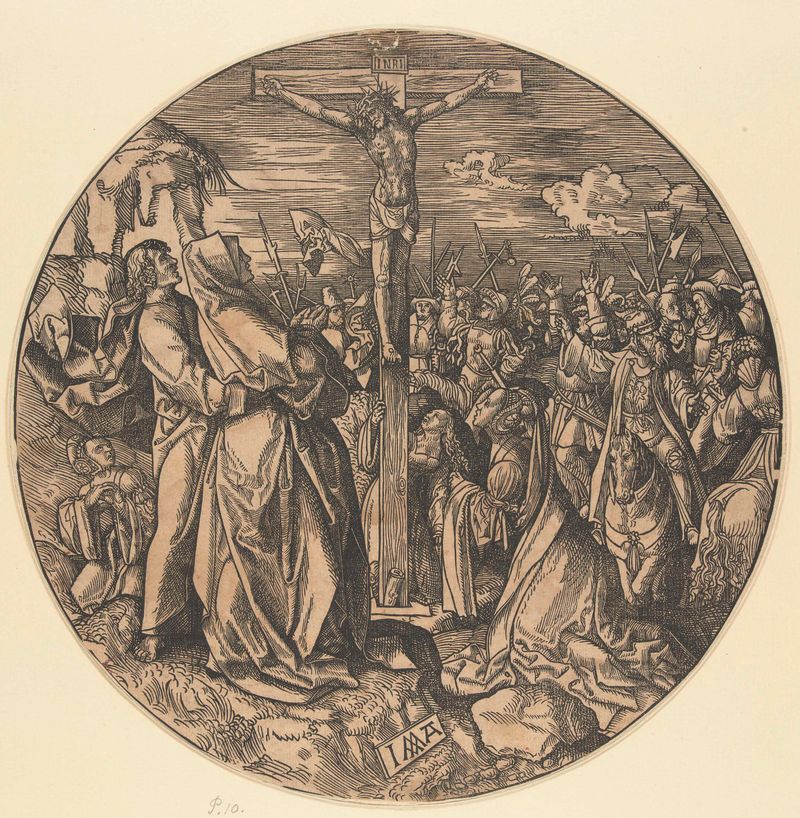
Christus aan het kruis
Jacob Cornelisz van Oostsanen

De kruisiging en de graflegging van Christus
Jacob Cornelisz van Oostsanen
More Religious Art
Browse all →
The Return of the Prodigal Son
Rembrandt van Rijn

The Garden of Earthly Delights
El Bosco

Count Orgaz’ funeral
El Greco

The Hundred Guilder Print: the central piece with Christ preaching, the plate arched
Rembrandt van Rijn

The Descent from the Cross
Rogier van der Weyden

The return of the prodigal son
Rembrandt van Rijn