
De gevangenneming van Simson en David op de vlucht voor Saul — History & Facts
In the stillness of De gevangenneming van Simson en David op de vlucht voor Saul, the weight of violence simmers beneath the surface, urging viewers to confront the unspoken truths of human conflict. It is a moment suspended between action and inaction, where the tension is palpable, and every gaze carries a burden of history. Look to the left at the powerful figure of Simson, his muscles taut and defiant, a stark contrast to the chaos surrounding him. The rich palette of deep reds and shadowy blues creates a tumultuous atmosphere, drawing your eye toward the intricate details of his captors' expressions—each face etched with determination and the promise of brutality.
Notice how the light illuminates the tension in their postures, highlighting the impending clash and the emotional stakes of this historical narrative. As you delve deeper, consider the juxtaposition of strength and vulnerability present in both Simson and David. The violence of the scene is not just physical; it resonates on an emotional level, reflecting the precarious nature of power and the weight of betrayal. The duality of heroic virtue and impending doom invites reflection on the moral complexities of their fates, revealing layers of conflict that transcend the canvas. Jacob Cornelisz van Oostsanen painted this work between 1518 and 1522 during a period marked by the Northern Renaissance's exploration of humanism and biblical themes.
As he navigated his career in Amsterdam, the city was alive with artistic innovation, yet marked by political unrest. This environment influenced his depiction of biblical narratives, utilizing them as avenues to explore timeless human struggles against the backdrop of contemporary issues.
More Artworks by Jacob Cornelisz van Oostsanen
Browse all →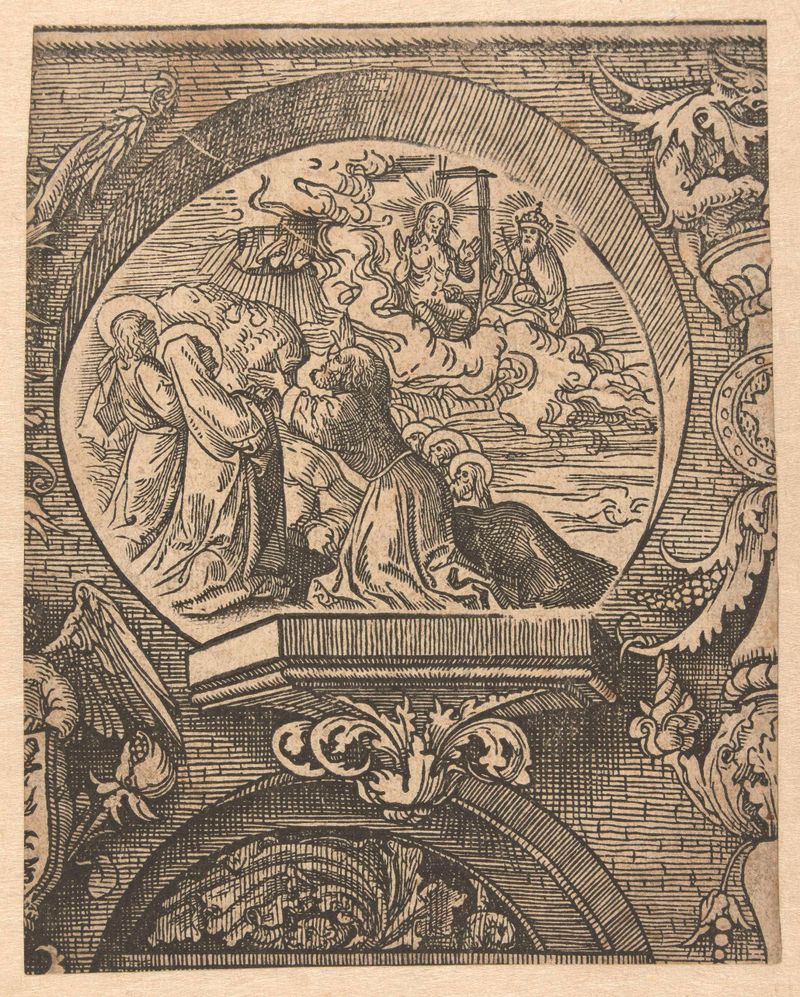
De hemelvaart en Christus voor God de Vader
Jacob Cornelisz van Oostsanen
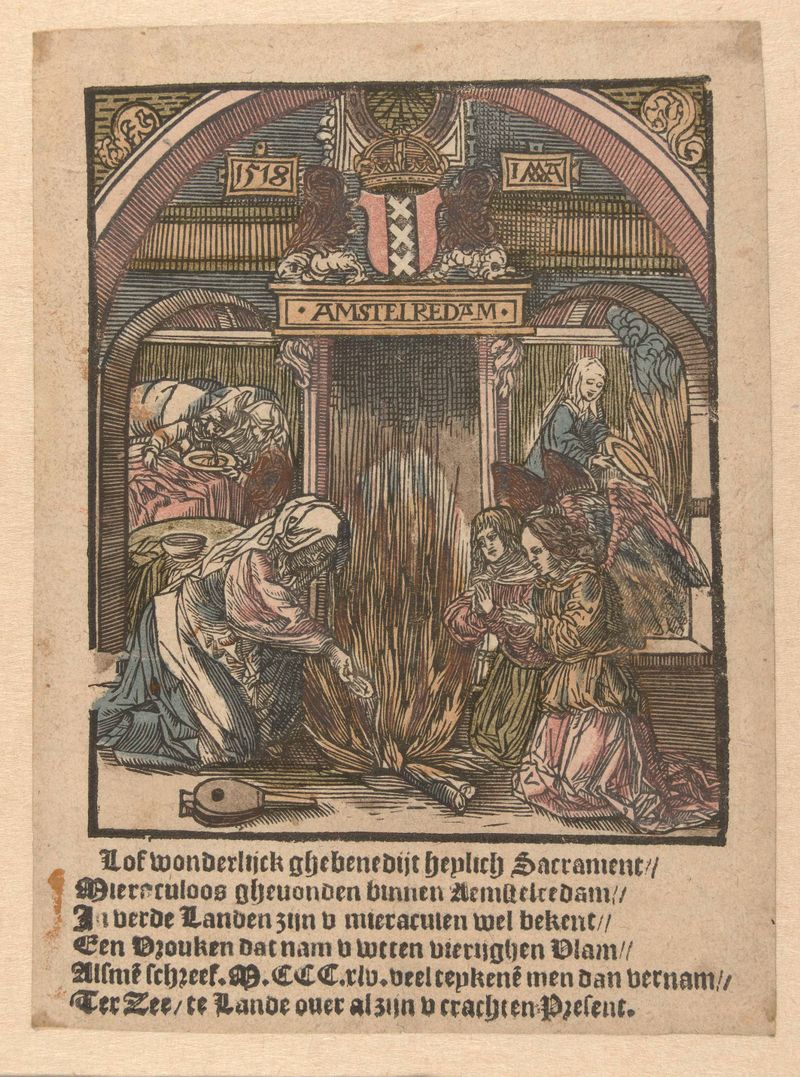
Het hostiewonder van Amsterdam
Jacob Cornelisz van Oostsanen
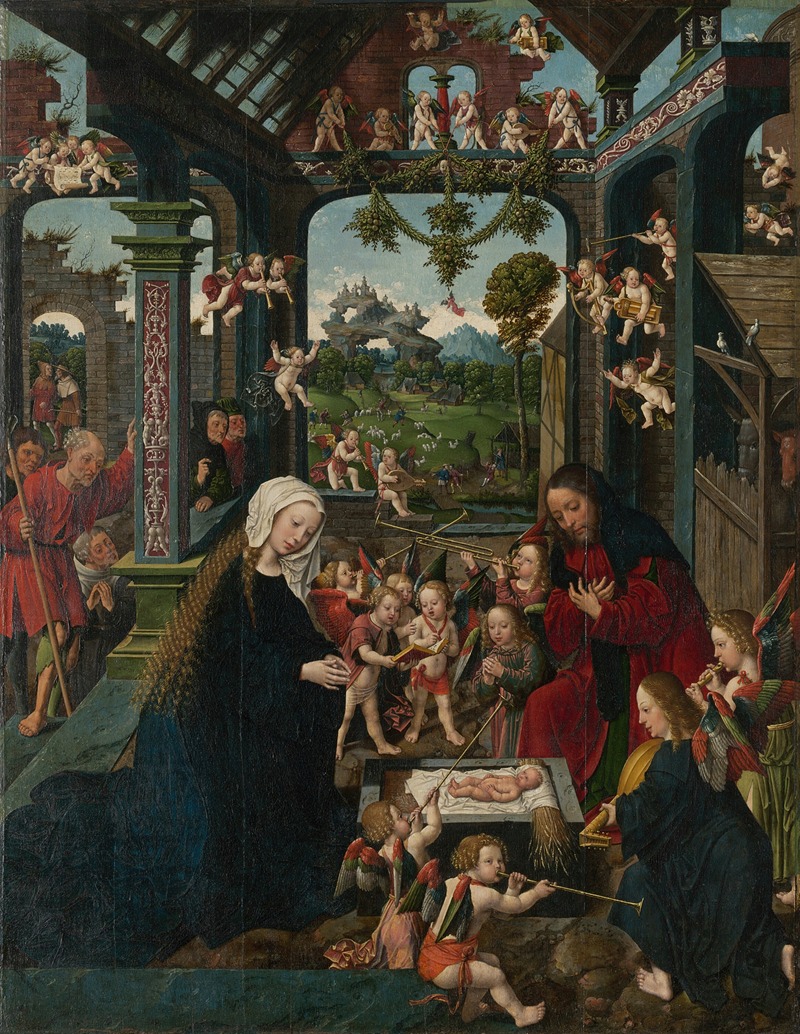
The Adoration of the Christ Child
Jacob Cornelisz van Oostsanen
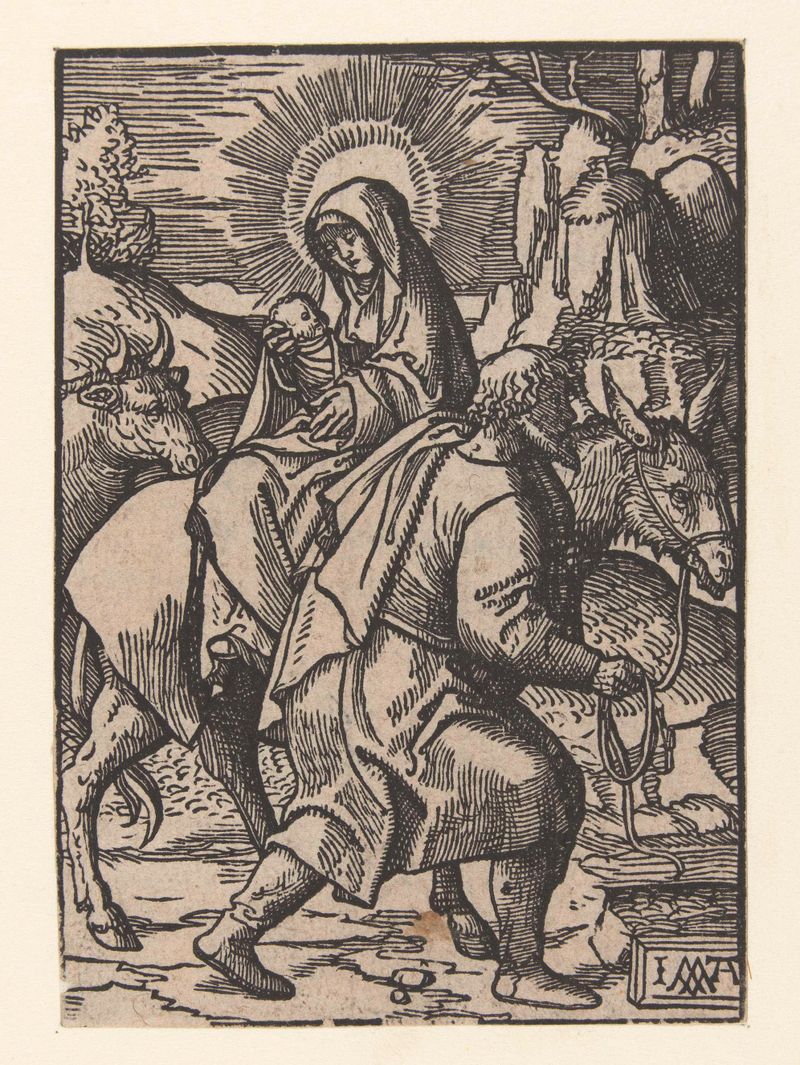
Vlucht naar Egypte
Jacob Cornelisz van Oostsanen
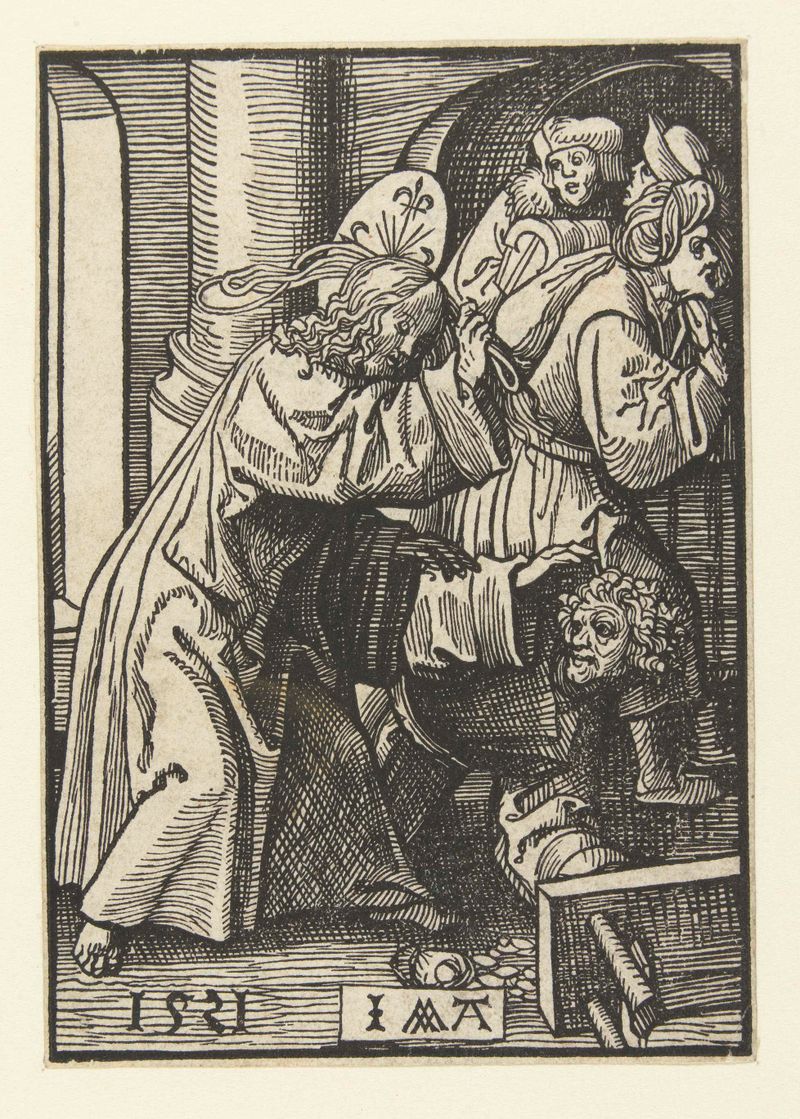
Verdrijving van de handelaren uit de tempel
Jacob Cornelisz van Oostsanen
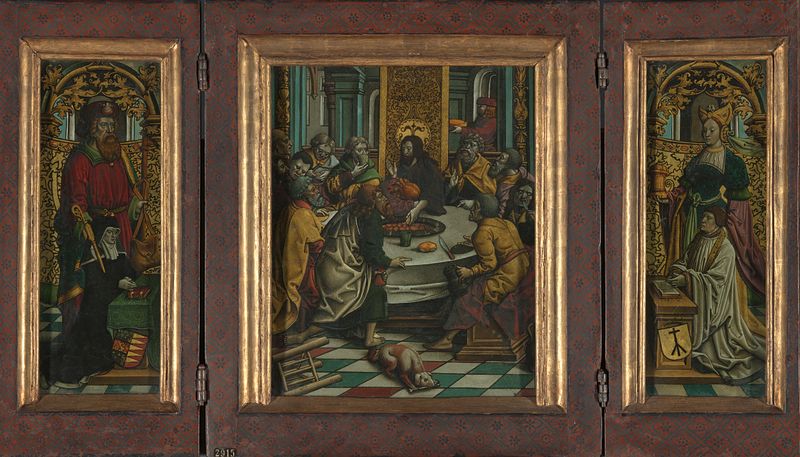
Triptych with the Last Supper and Donors
Jacob Cornelisz van Oostsanen
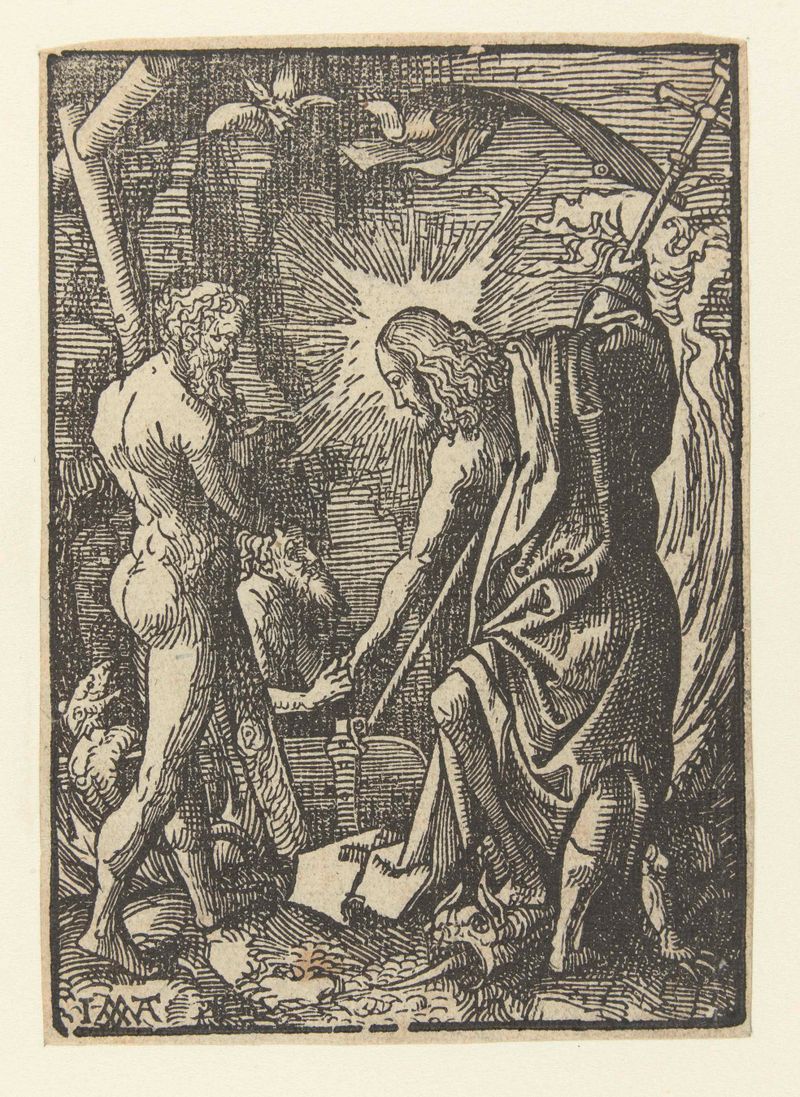
Christus in het voorgeborchte
Jacob Cornelisz van Oostsanen
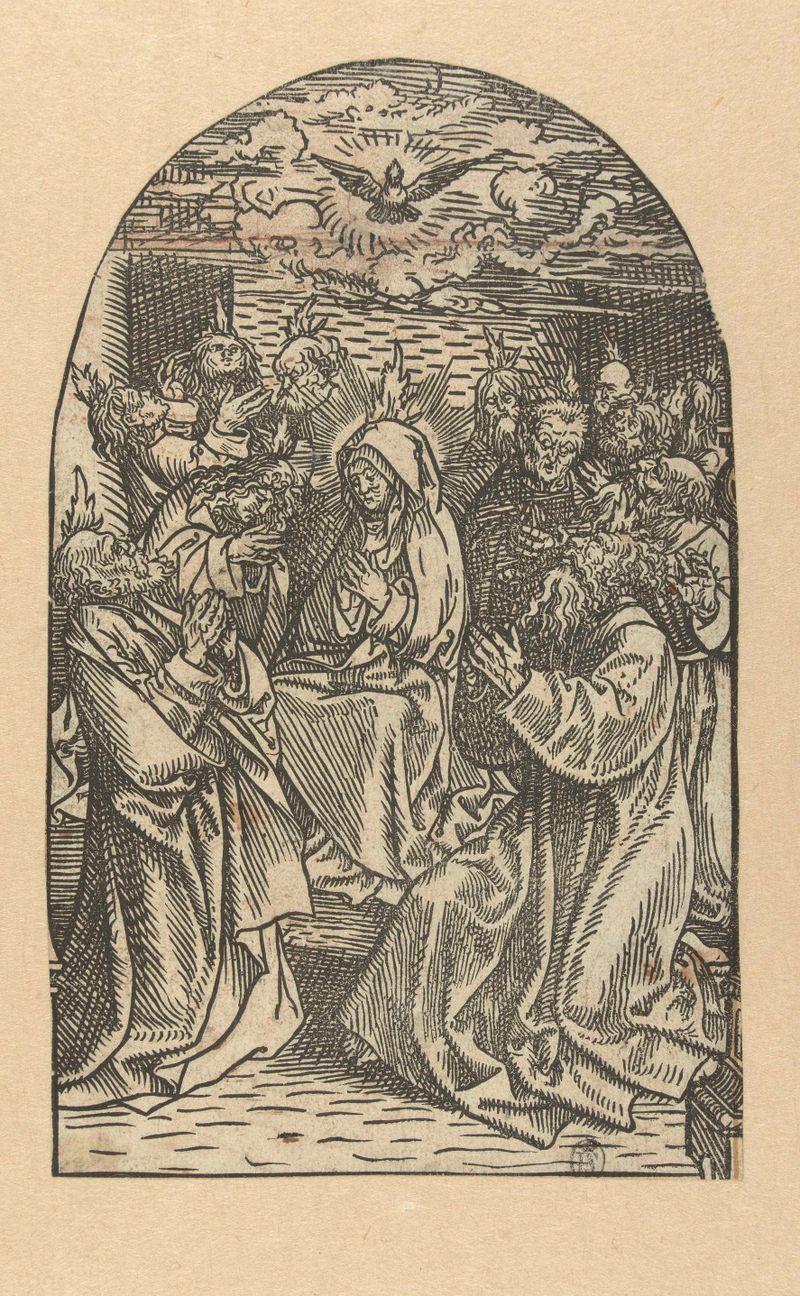
Uitstorting van de Heilige Geest
Jacob Cornelisz van Oostsanen
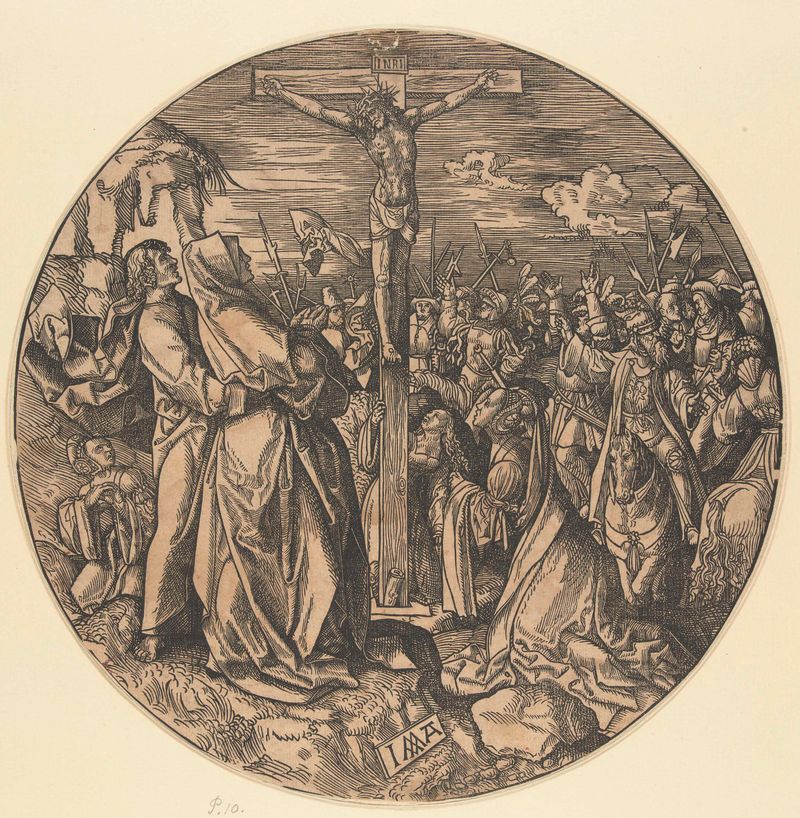
Christus aan het kruis
Jacob Cornelisz van Oostsanen

De kruisiging en de graflegging van Christus
Jacob Cornelisz van Oostsanen
More Religious Art
Browse all →
The Return of the Prodigal Son
Rembrandt van Rijn

The Garden of Earthly Delights
El Bosco

Count Orgaz’ funeral
El Greco

The Hundred Guilder Print: the central piece with Christ preaching, the plate arched
Rembrandt van Rijn

The Descent from the Cross
Rogier van der Weyden

The return of the prodigal son
Rembrandt van Rijn