De graaf en de Dood — History & Facts
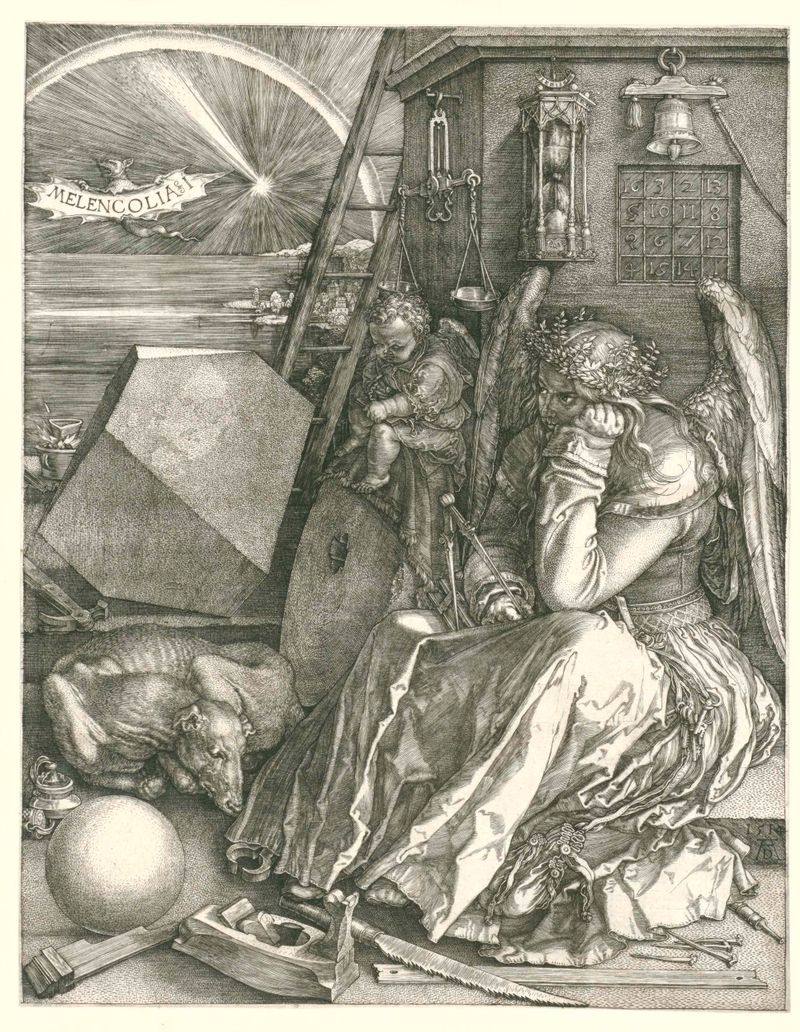
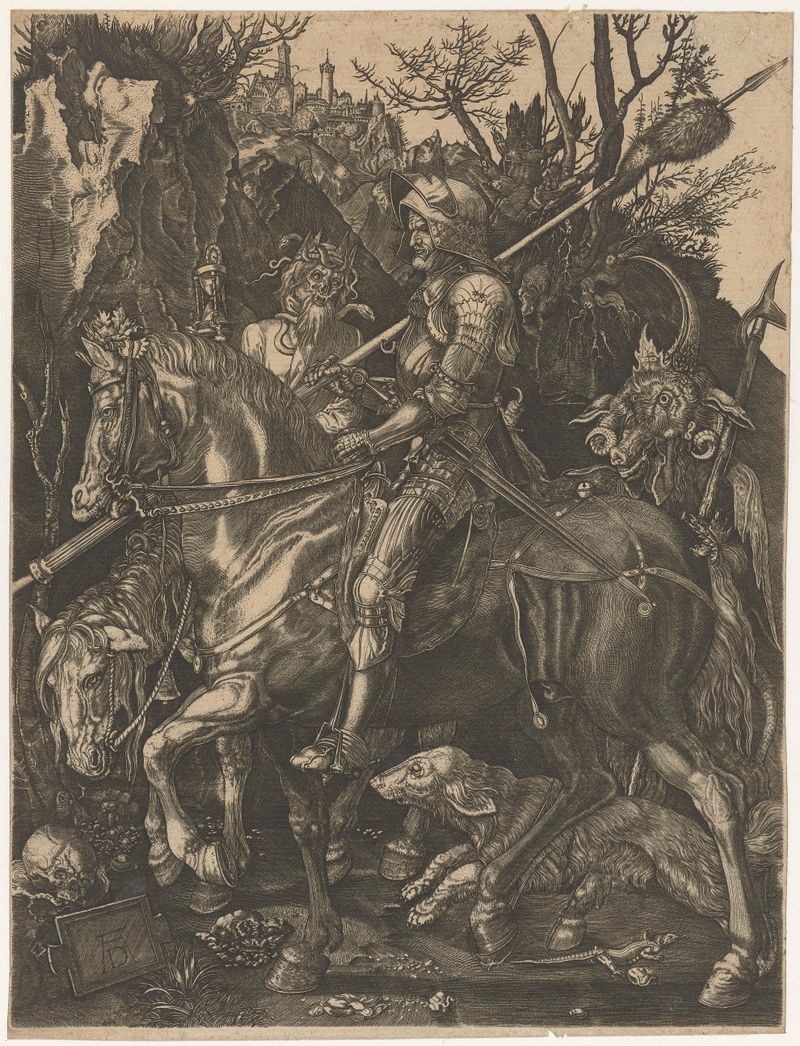
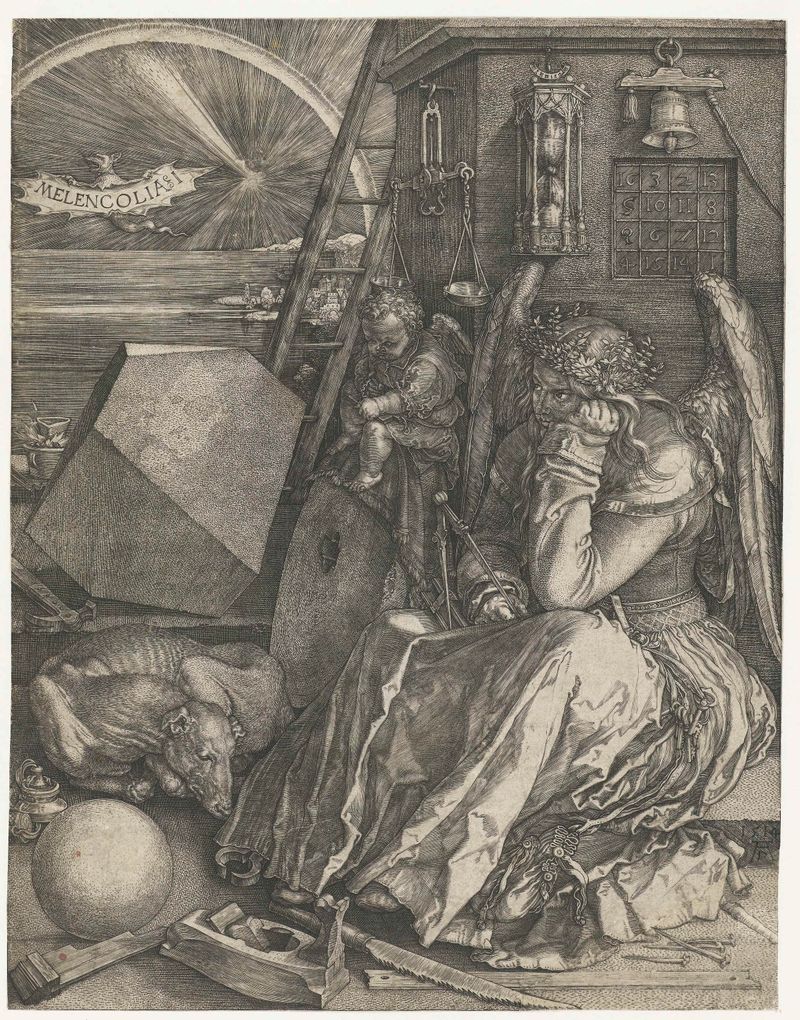
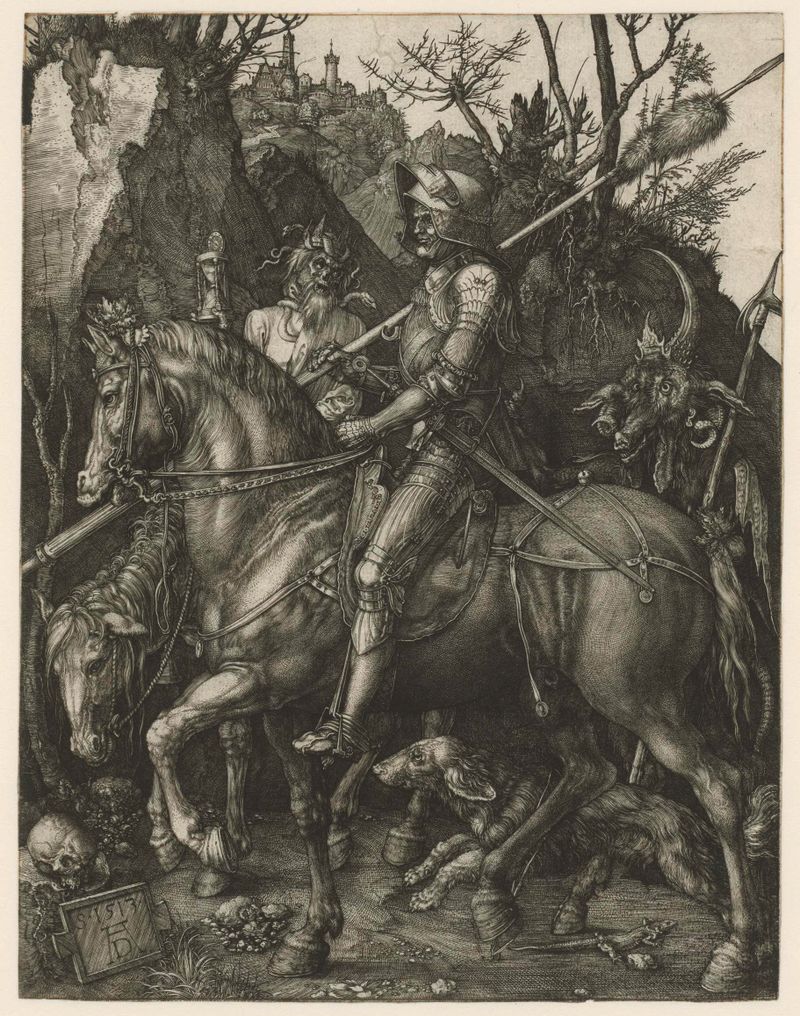
In the chaos of life, we find moments that challenge the very fabric of our existence. It's in these visceral encounters that art speaks, echoing the tumultuous emotions we often struggle to articulate. Start by focusing on the intricate details of the figures in De graaf en de Dood. The nobleman stands stoically, his face a mask of contemplation, while the skeletal embodiment of Death hovers ominously beside him.
Notice how the chiaroscuro technique renders a stark contrast between light and shadow, with pale illumination highlighting the nobleman's attire and deepening the shadow around Death. This interplay of light creates a palpable tension, emphasizing the inevitability of mortality against the backdrop of human ambition. Dive deeper into the symbolism of the composition: the lavish garments of the nobleman clash with the stark, bony figure of Death. This juxtaposition serves as a poignant reminder of life's fleeting splendor in the face of eternal demise.
The delicate details of the fabric and the grotesque simplicity of the skeletal form invite contemplation on status, power, and the inescapable fate that awaits all. Additionally, the grimace on Death’s face, both haunting and strangely empathetic, compels viewers to confront their own mortality. Created around 1680, this piece emerges from a period when Wenceslaus Hollar, a celebrated etcher, lived in exile in London, grappling with the tumult of his surroundings and the artistic shifts of the time. The Baroque influence is evident as he navigated a world increasingly fascinated by the interplay between life and death, a theme that resonated profoundly in the socio-political climate of Europe.
More Artworks by Wenceslaus Hollar
Browse all →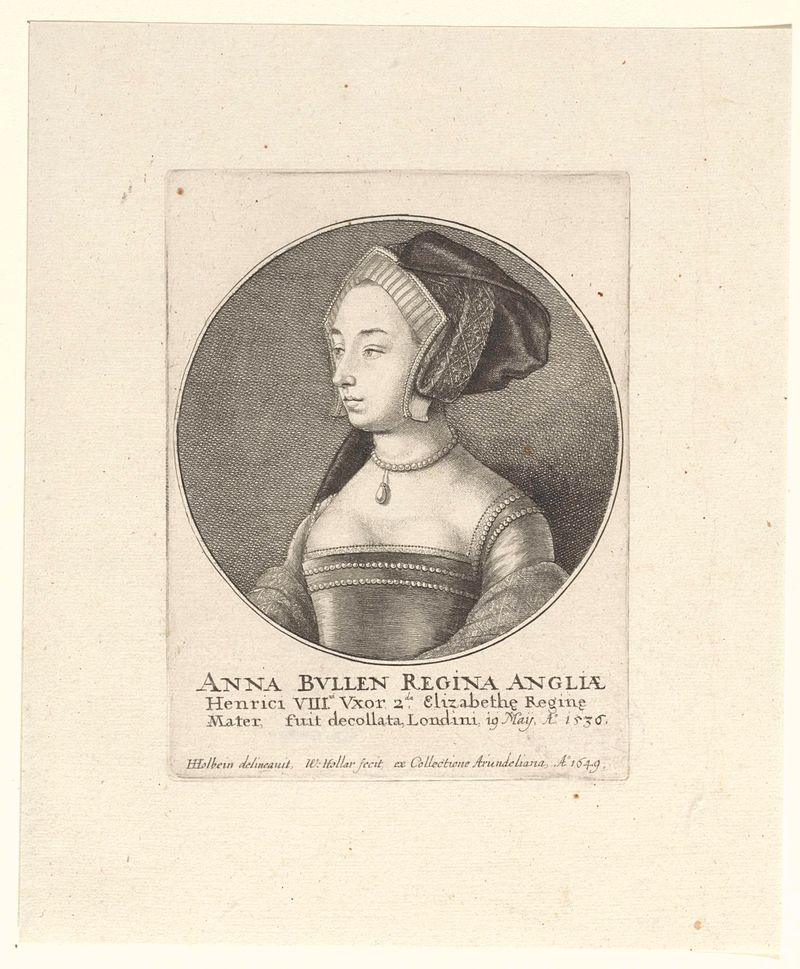
Portret van Anna Boleyn, koningin van Engeland
Wenceslaus Hollar
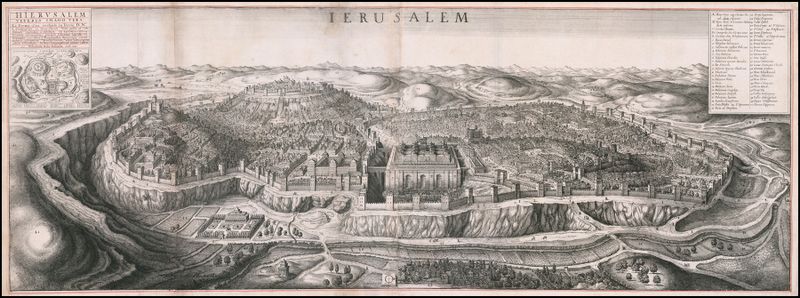
Bird’s eye view of Jerusalem
Wenceslaus Hollar
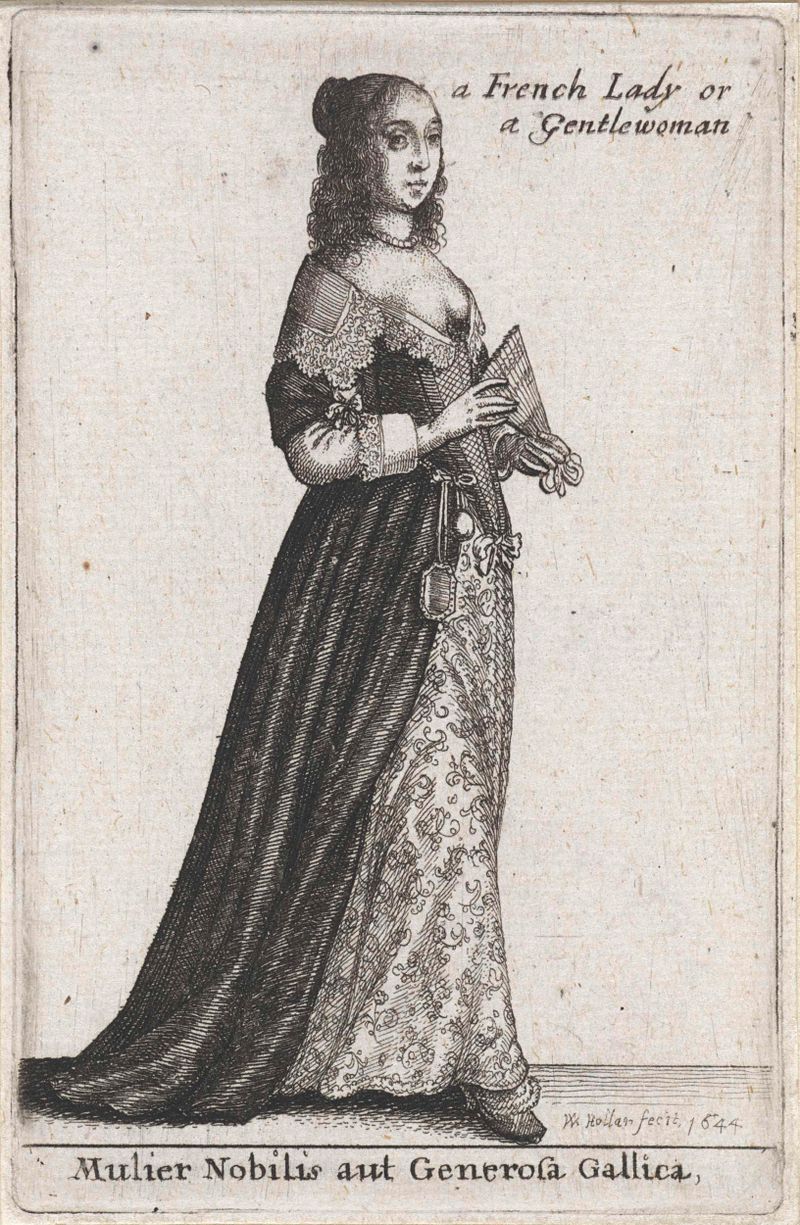
Mulier Nobilis aut Generosa Gallica / a French Lady or Gentlewoman
Wenceslaus Hollar
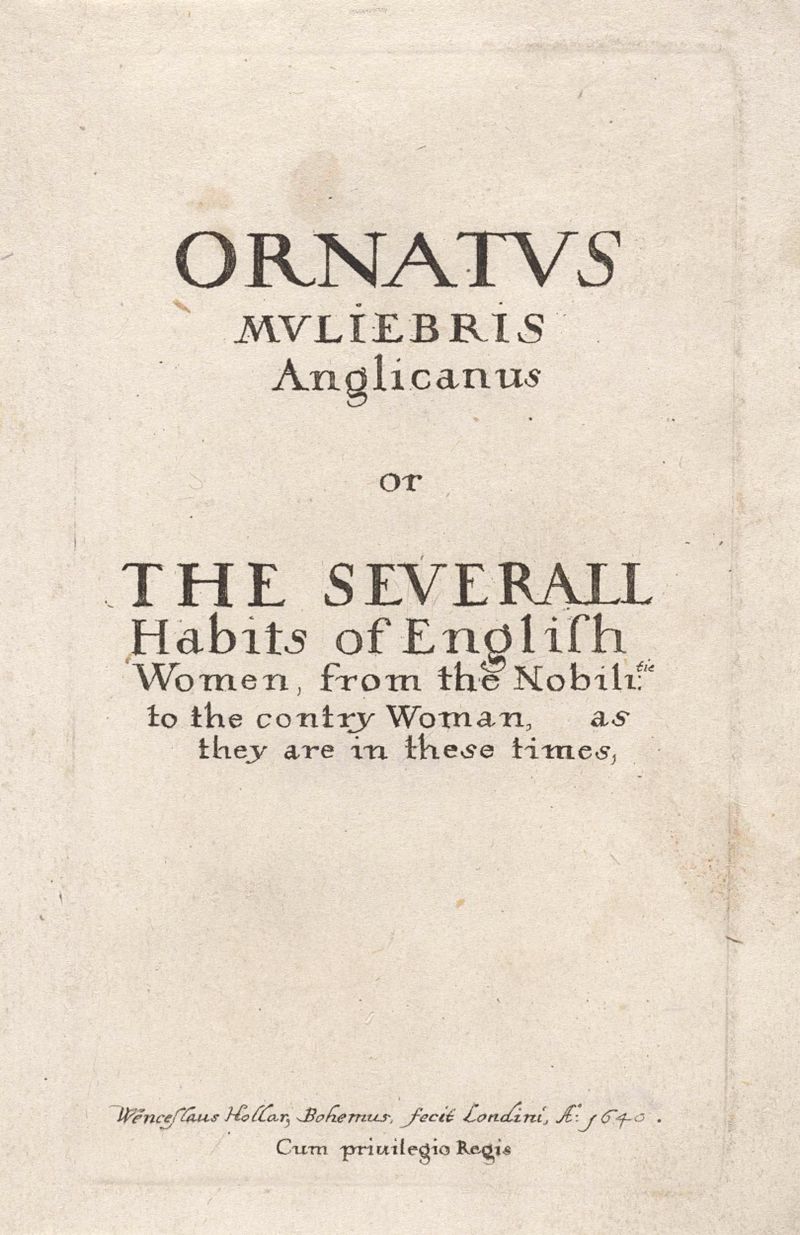
Titelprent voor: Ornatus Muliebris Anglicanus
Wenceslaus Hollar
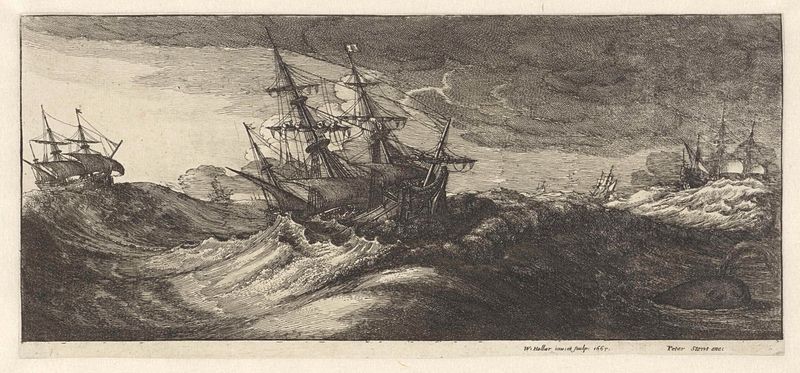
Oorlogsschepen en een walvis in een zeestorm
Wenceslaus Hollar
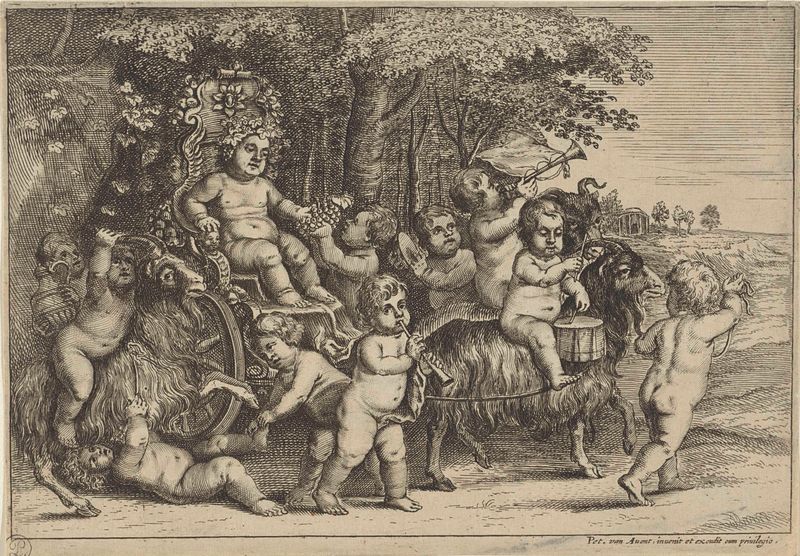
Optocht van bacchant en jongetjes op geiten
Wenceslaus Hollar
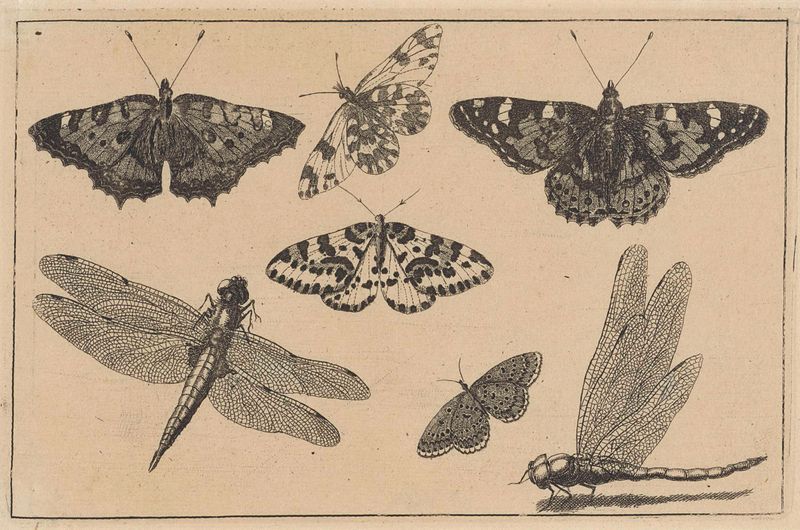
Twee libellen en vijf vlinders
Wenceslaus Hollar
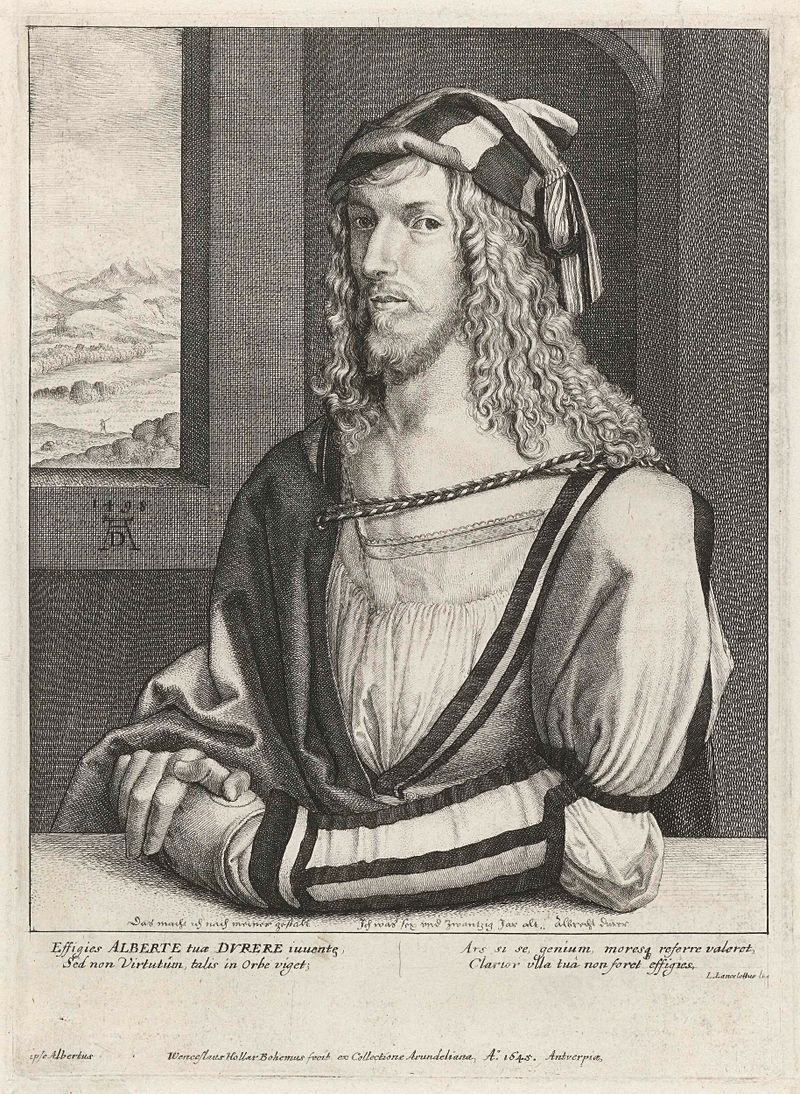
Portret van Albrecht Dürer
Wenceslaus Hollar
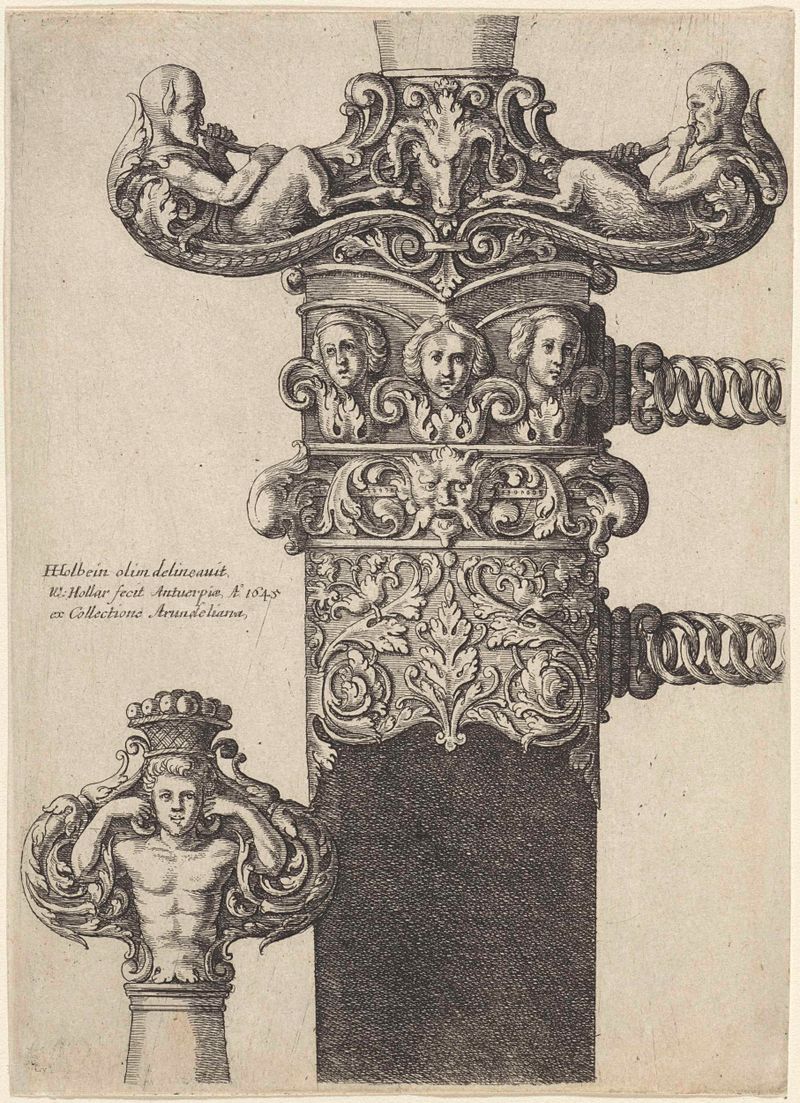
Ornamenteel ontwerp voor een dolk
Wenceslaus Hollar
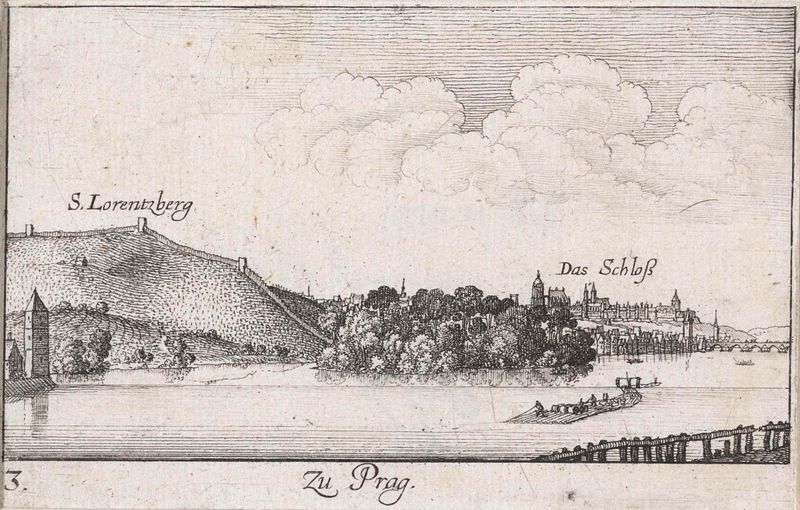
Gezicht op Praag vanaf de Moldau
Wenceslaus Hollar