De graaf en de Dood — History & Facts
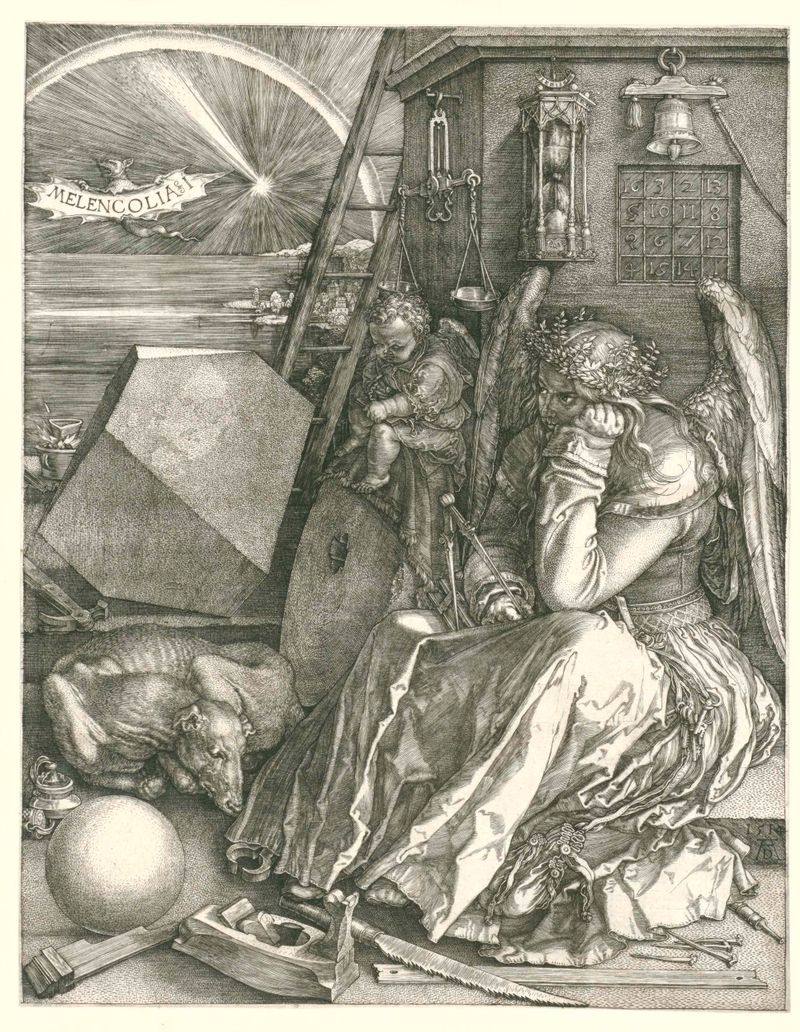
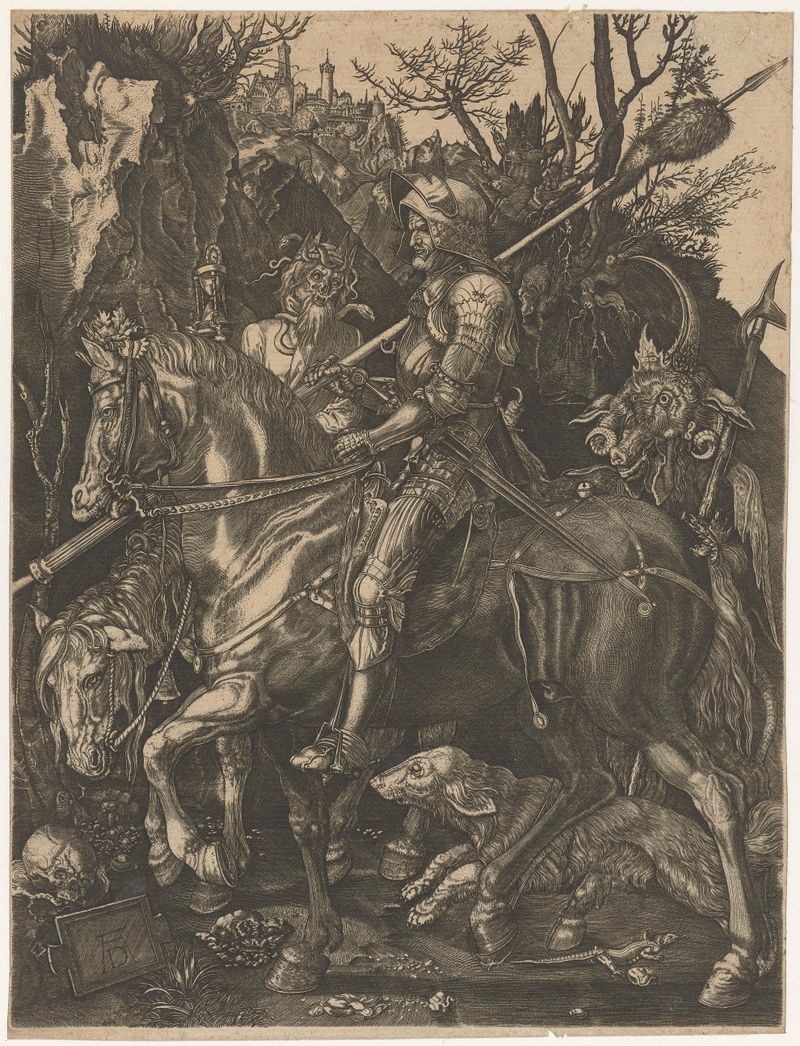
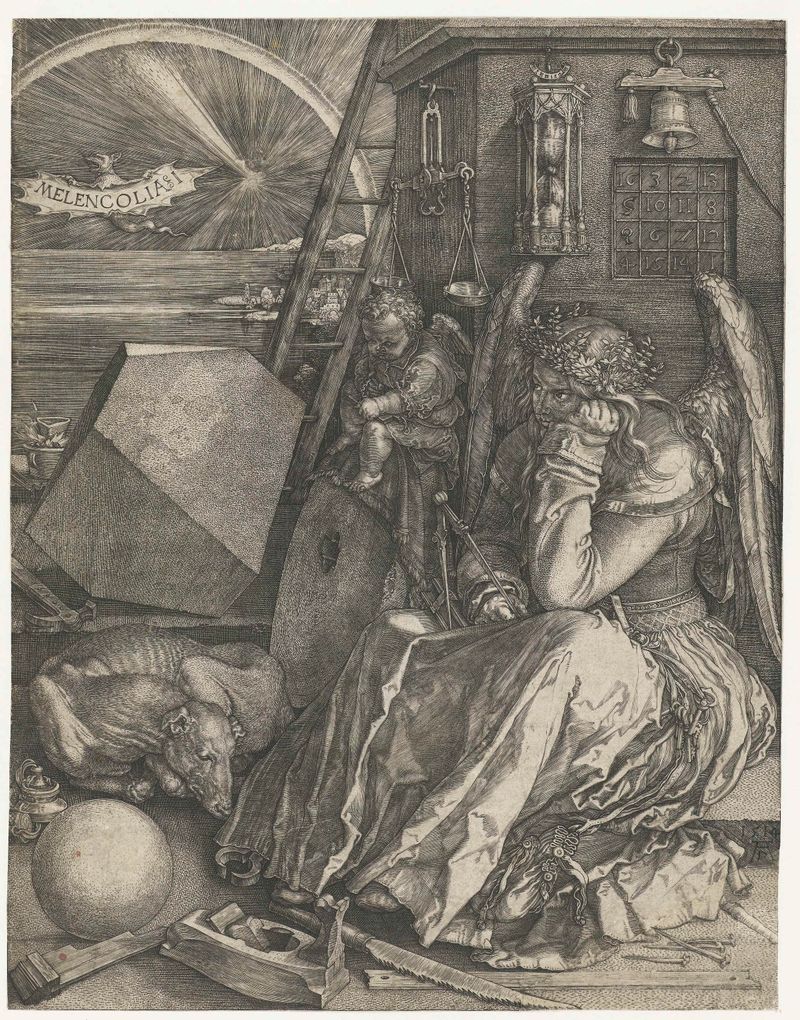
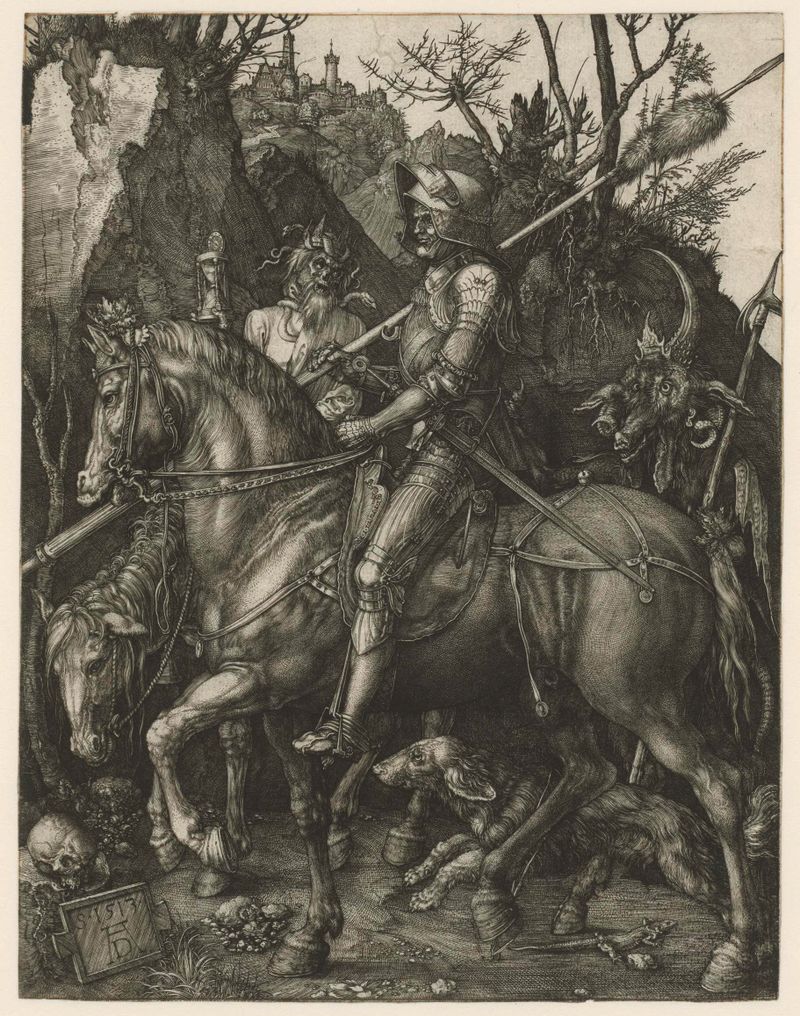
Did the painter know this moment would outlive them? In De graaf en de Dood, destiny stands poised between the living and the inevitable, a poignant reminder of our transience. Look closely at the somber figure of Death, who commands attention with a skeletal hand resting lightly on the shoulder of the count. The stark contrast of pale bone against the dark, flowing robes of the nobleman emphasizes the impending doom lurking at the edges of life. Notice the delicate interplay of light and shadow; it draws your gaze to the grave marker at the background, perhaps indicating the count's fate, while the muted palette of earthy tones reinforces the gravity of the moment. This artwork encapsulates profound emotional tensions: the frailty of existence, the inevitability of mortality, and the fleeting nature of power.
The count’s expression—caught between resignation and contemplation—evokes a deep sense of empathy. Meanwhile, the menacing presence of Death stands not in rage, but in a haunting stillness, reminding us that it is not the fear of dying that burdens us, but the knowledge of what we leave behind. Wenceslaus Hollar created this engraving in 1651 during a turbulent period in art, marked by the transition from the Baroque to a more individualistic approach in Europe. Living in the aftermath of the Thirty Years’ War, Hollar's works often reflected themes of mortality and existence, mirroring the uncertainties faced by society at the time.
The artist’s own life was shaped by displacement and loss, perhaps lending an intimate urgency to his exploration of themes that resonate even today.
More Artworks by Wenceslaus Hollar
Browse all →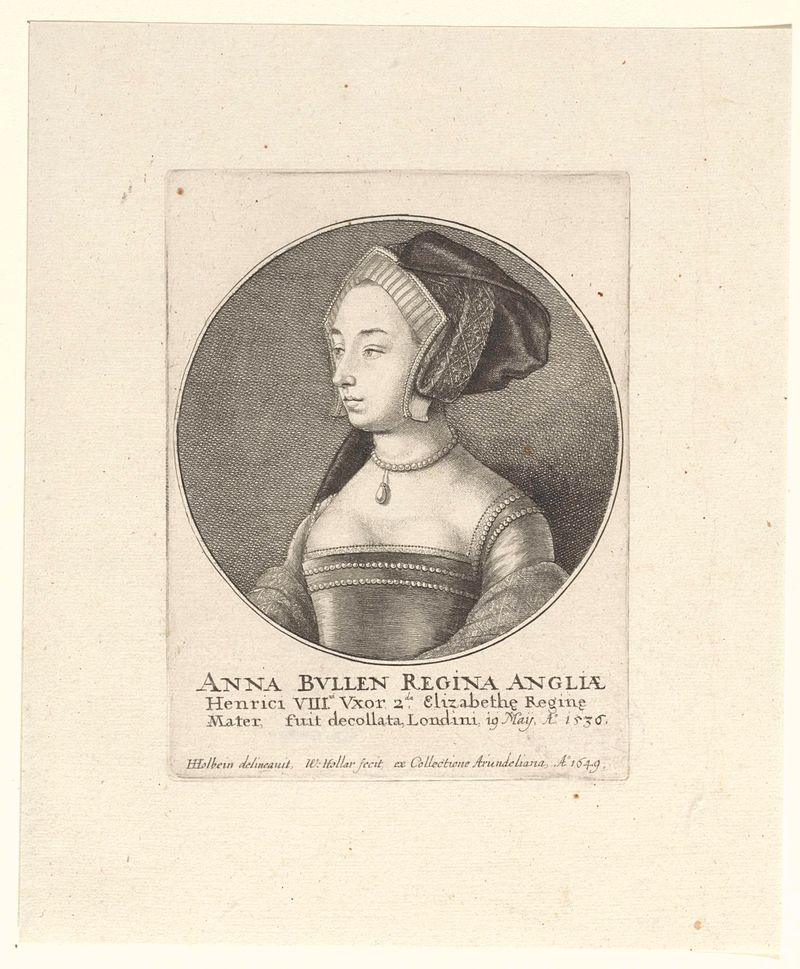
Portret van Anna Boleyn, koningin van Engeland
Wenceslaus Hollar
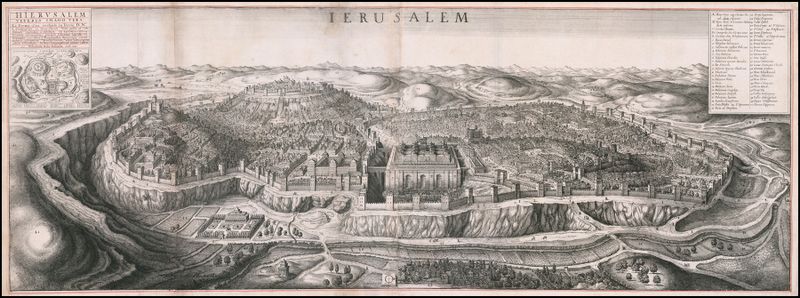
Bird’s eye view of Jerusalem
Wenceslaus Hollar
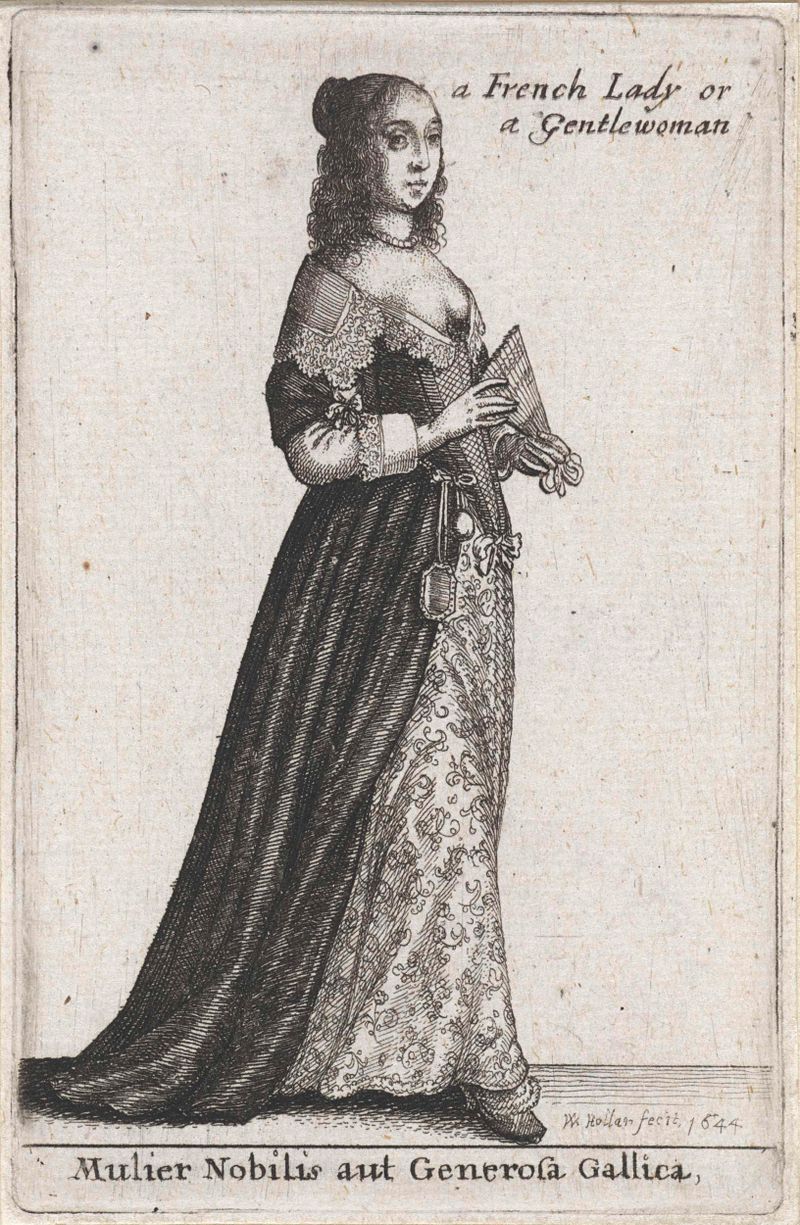
Mulier Nobilis aut Generosa Gallica / a French Lady or Gentlewoman
Wenceslaus Hollar
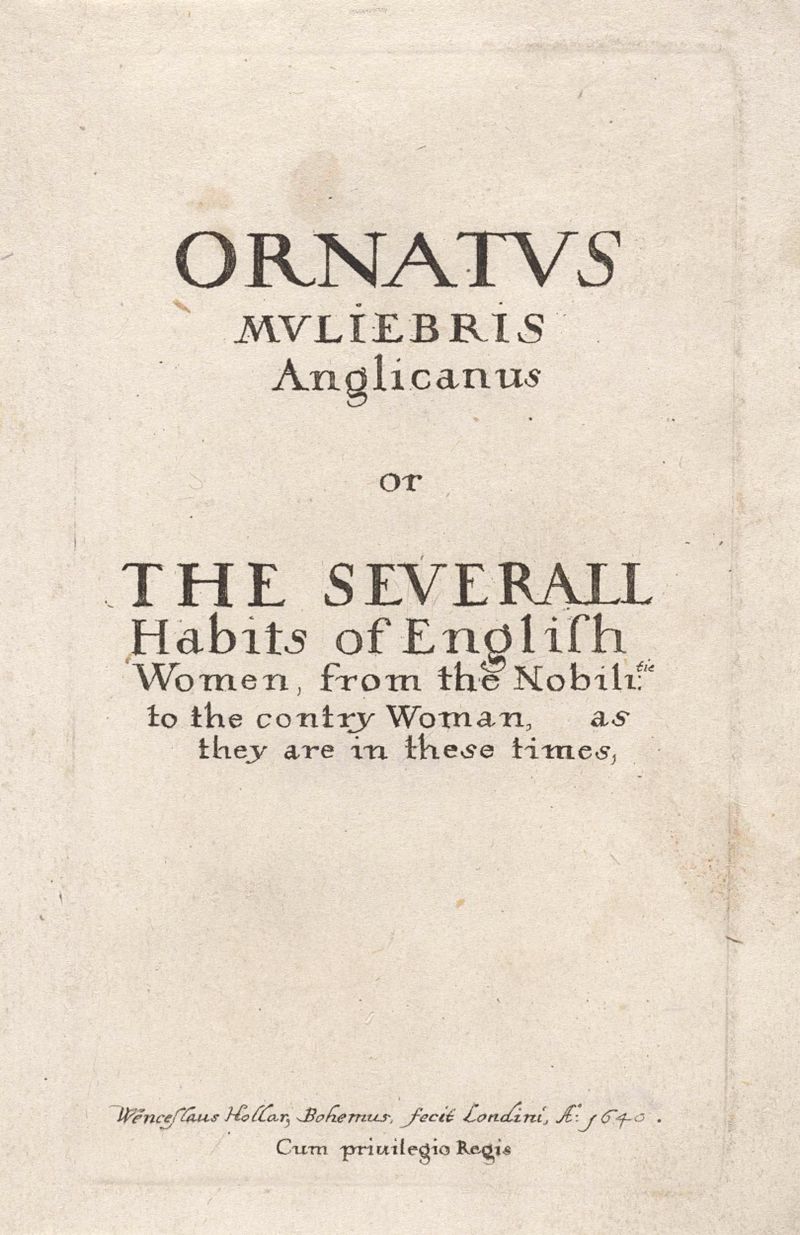
Titelprent voor: Ornatus Muliebris Anglicanus
Wenceslaus Hollar
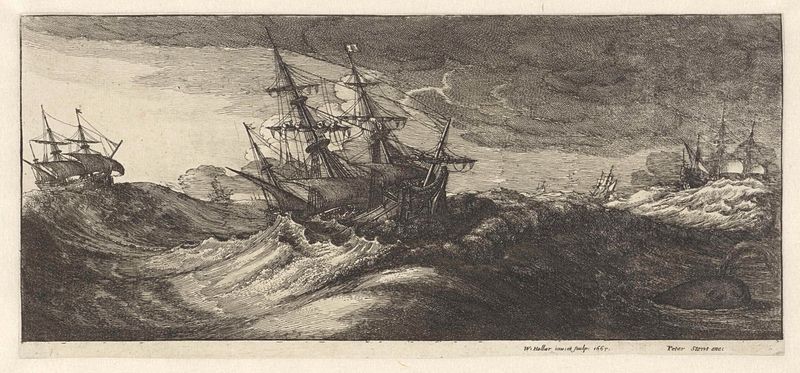
Oorlogsschepen en een walvis in een zeestorm
Wenceslaus Hollar
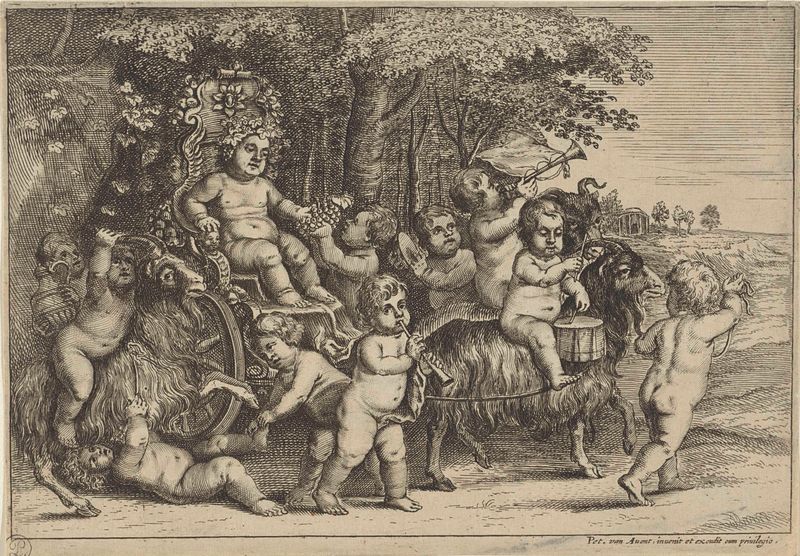
Optocht van bacchant en jongetjes op geiten
Wenceslaus Hollar
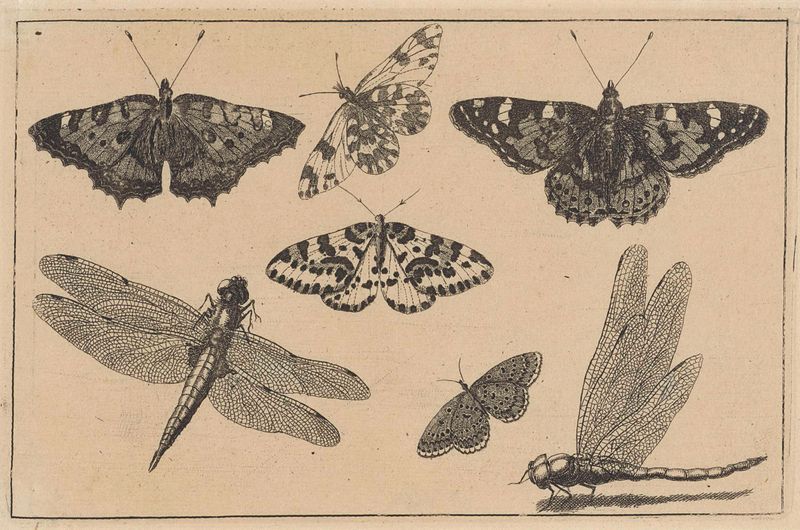
Twee libellen en vijf vlinders
Wenceslaus Hollar
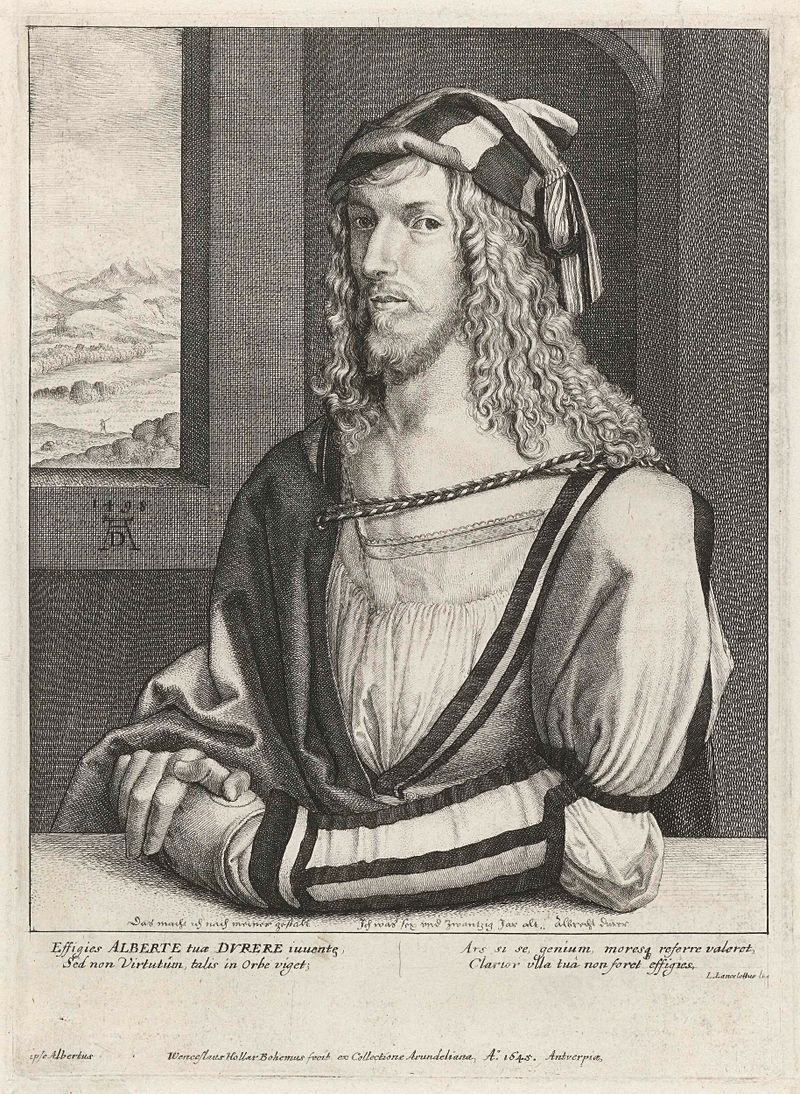
Portret van Albrecht Dürer
Wenceslaus Hollar
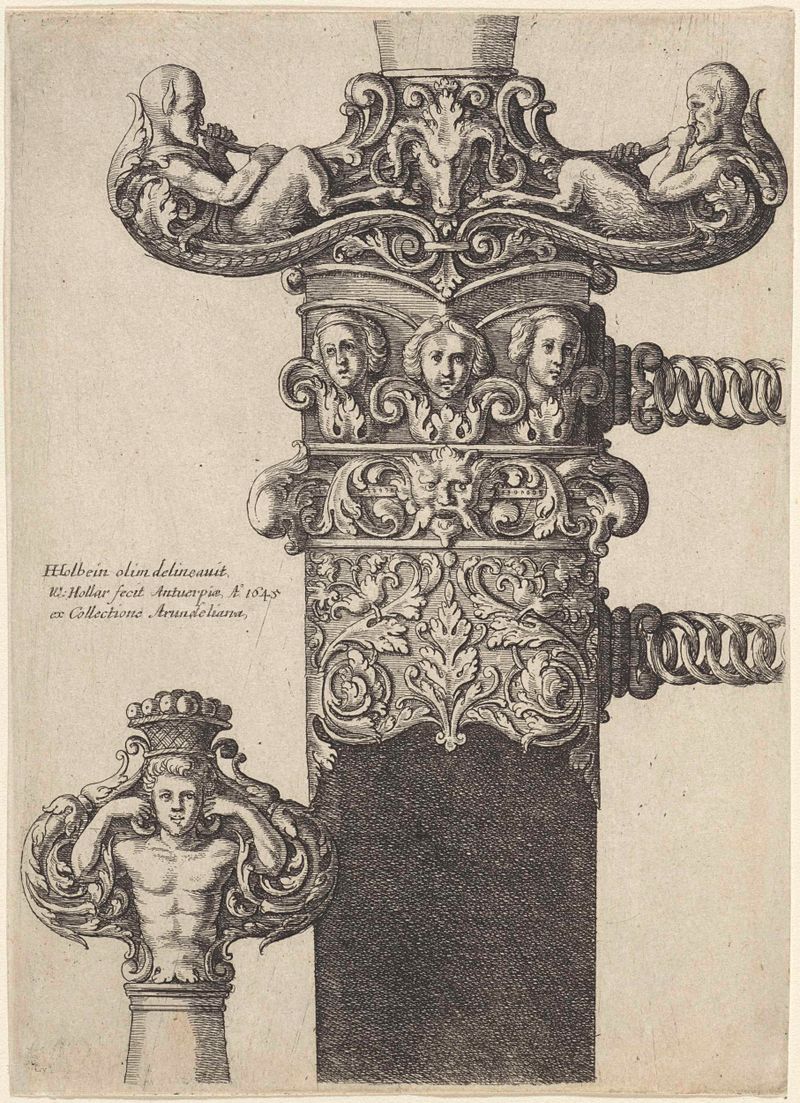
Ornamenteel ontwerp voor een dolk
Wenceslaus Hollar
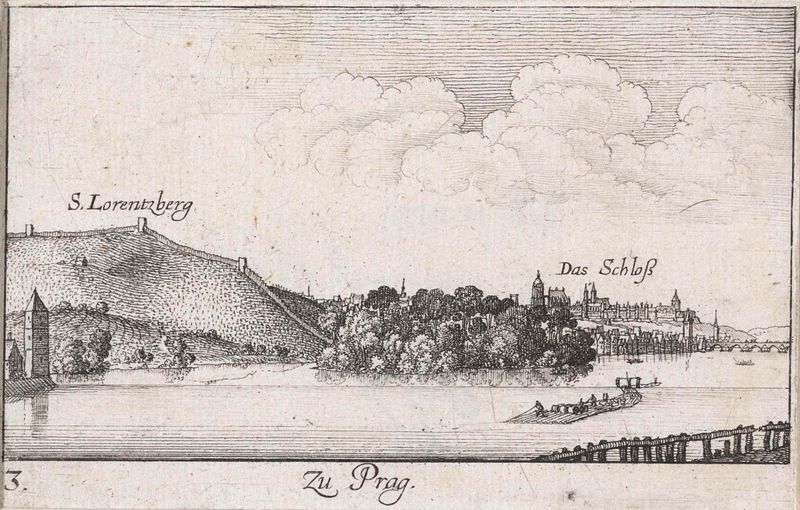
Gezicht op Praag vanaf de Moldau
Wenceslaus Hollar