
De graaf en gravin von Thurn und Taxis brengen een bezoek aan het kasteel van Alexander Roelants te Hemiksem, 1650 — History & Facts
The elegance captured in this artwork reveals a world where privilege dances with the shadows of life’s impermanence. Look closely at the figures in the foreground; notice how the delicate interplay of light and shadow accentuates the intricate lace of the lady’s gown, while the contours of the gentleman’s attire flow like a river of silk. The composition invites your gaze to flow from the ornate architecture in the background to the graceful gestures of the subjects, all framed under a sky that hints at a fleeting moment. Hollar’s meticulous line work and soft color palette breathe life into this scene of nobility, creating an atmosphere that feels both celebratory and contemplative. Yet, beyond the surface beauty lies a deeper narrative.
The tension between the luxurious garments and the austere castle hints at the contrast between earthly splendor and the transient nature of existence. The figures’ poised demeanor may mask underlying anxieties about their status, suggesting that their wealth comes with an emotional weight. Each detail, from the expressive faces to the carefully arranged flora, evokes a rich tapestry of social dynamics and human experience. In 1650, Wenceslaus Hollar was residing in London after fleeing from the turmoil of the Thirty Years' War.
This period marked a flourishing of art despite the surrounding chaos, as artists sought to capture not only beauty but the human condition itself. Hollar’s visit to Hemiksem, where he painted this work, reflects the melding of personal history and artistic exploration during a time when the sublime and the sorrowful coexisted in a delicate balance.
More Artworks by Wenceslaus Hollar
Browse all →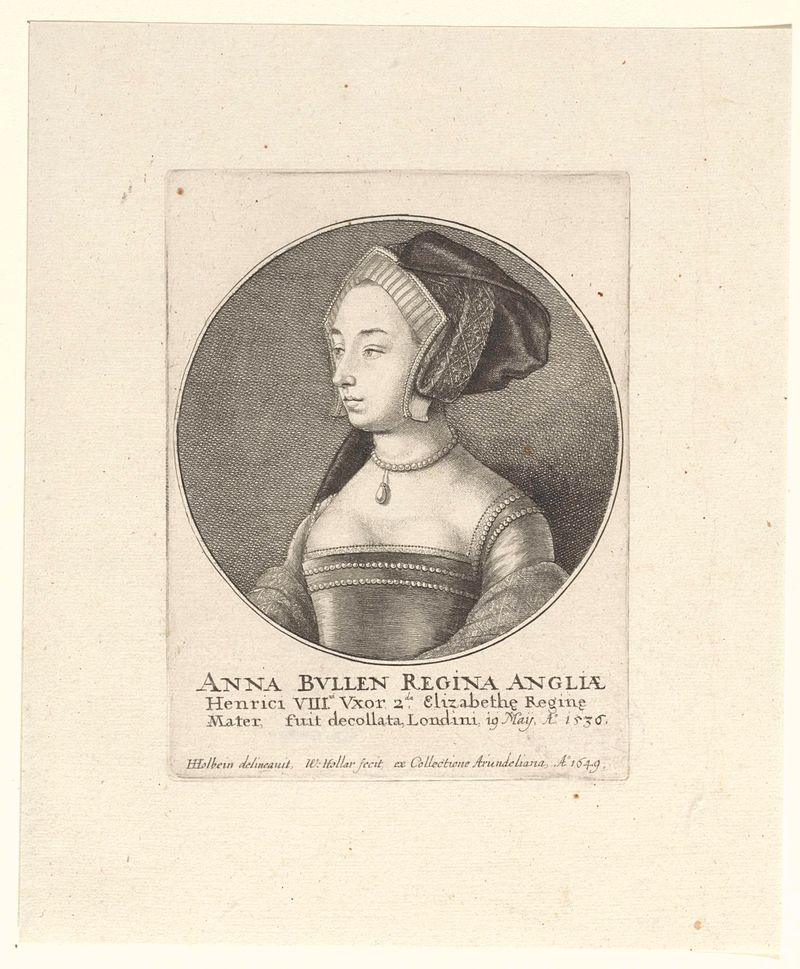
Portret van Anna Boleyn, koningin van Engeland
Wenceslaus Hollar
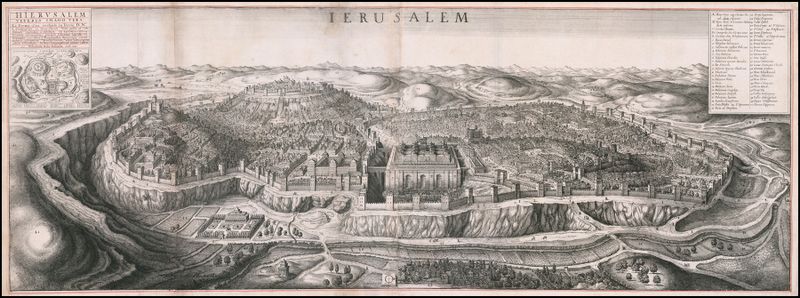
Bird’s eye view of Jerusalem
Wenceslaus Hollar
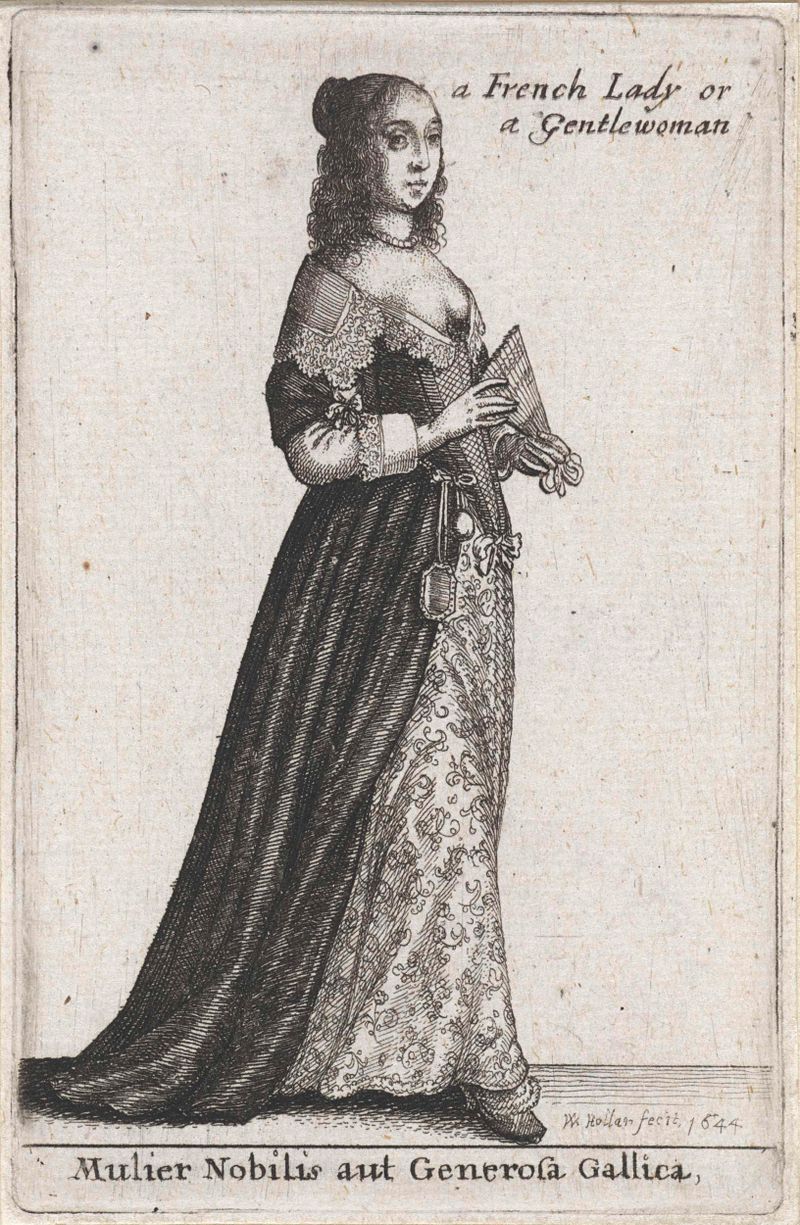
Mulier Nobilis aut Generosa Gallica / a French Lady or Gentlewoman
Wenceslaus Hollar
Titelprent voor: Ornatus Muliebris Anglicanus
Wenceslaus Hollar
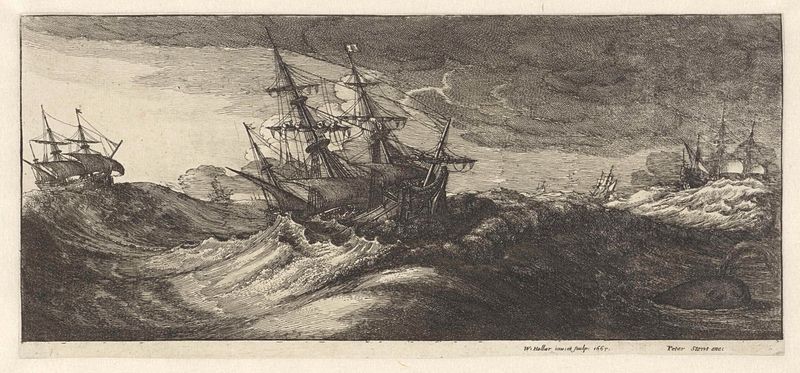
Oorlogsschepen en een walvis in een zeestorm
Wenceslaus Hollar
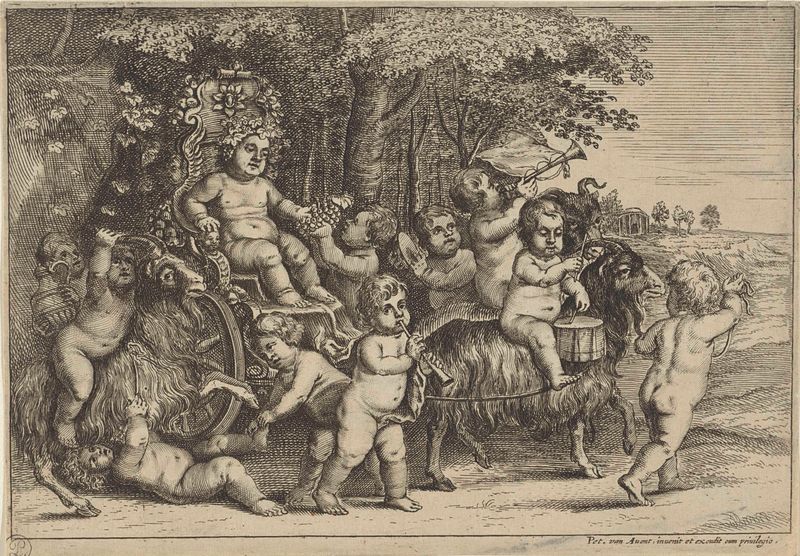
Optocht van bacchant en jongetjes op geiten
Wenceslaus Hollar
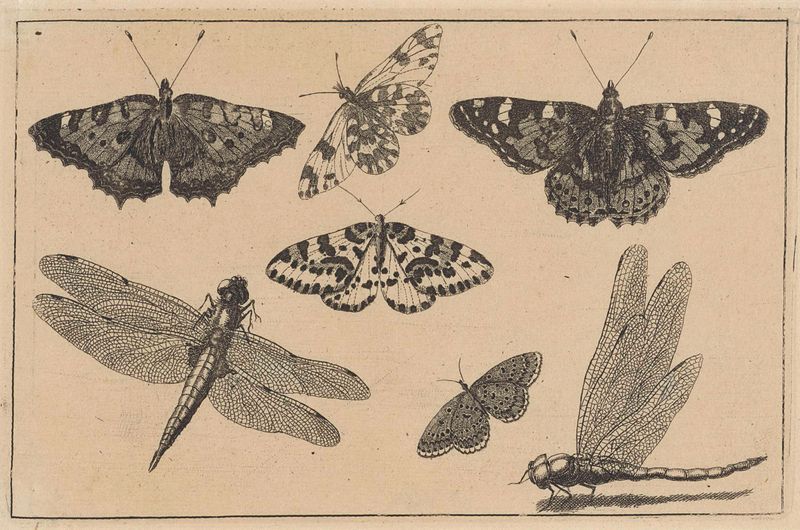
Twee libellen en vijf vlinders
Wenceslaus Hollar
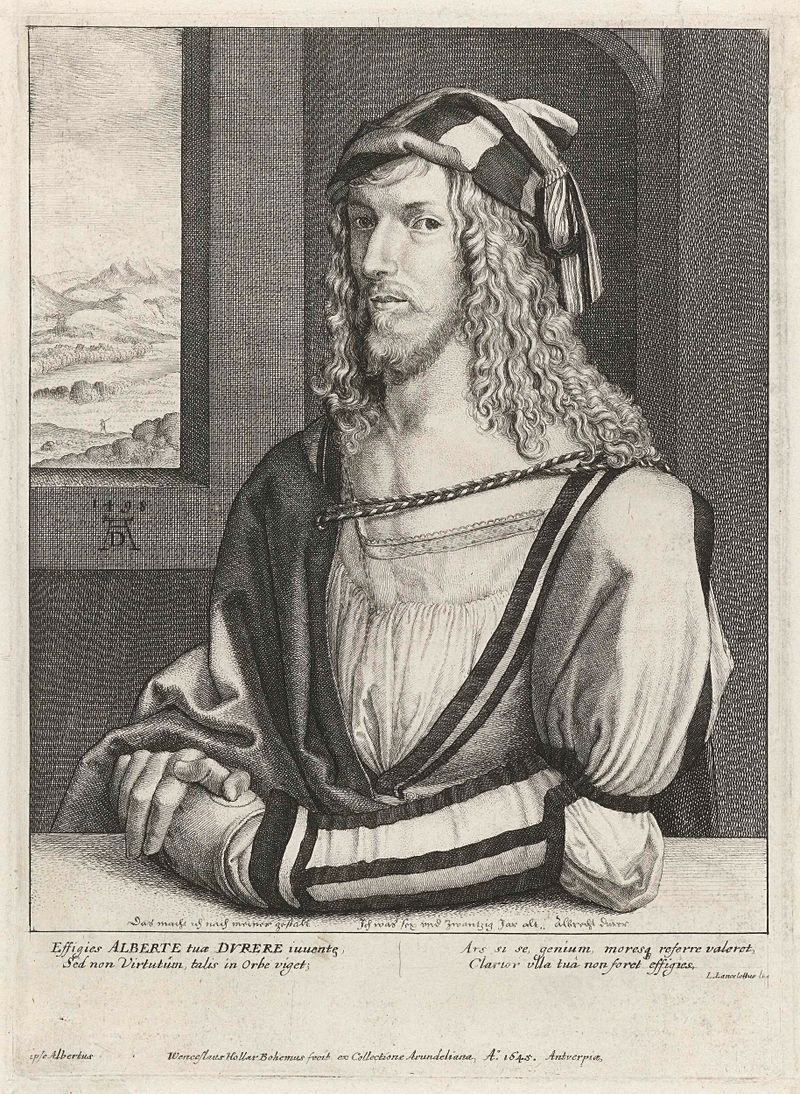
Portret van Albrecht Dürer
Wenceslaus Hollar
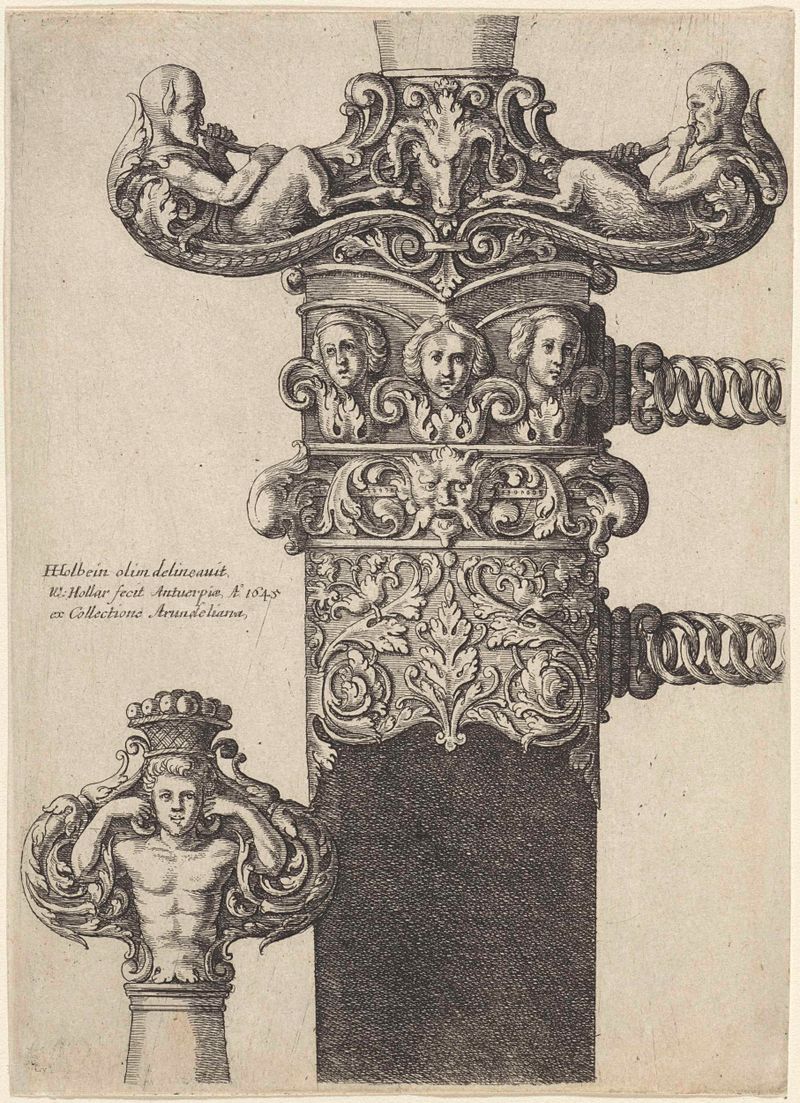
Ornamenteel ontwerp voor een dolk
Wenceslaus Hollar
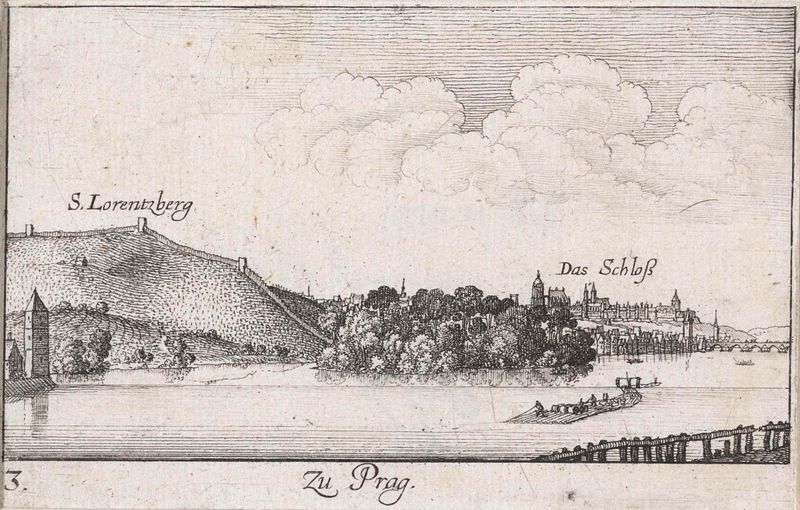
Gezicht op Praag vanaf de Moldau
Wenceslaus Hollar
More Historical Art
Browse all →
The Night Watch Militia Company of District II under the Command of Captain Frans Banninck Cocq
Rembrandt van Rijn

Lincoln Memorial
Henry Bacon

The Third of May 1808
Francisco de Goya

Isaac and Rebecca, Known as ‘The Jewish Bride’
Rembrandt van Rijn

The Charge of the Mamelukes (1814)
Francisco de Goya

De vier ruiters van de apocalyps
Albrecht Dürer