
De graaf en gravin von Thurn und Taxis gaan ter kerke, 1650 — History & Facts
Could beauty survive in a century of chaos? In the delicate yet striking etching, De graaf en gravin von Thurn und Taxis gaan ter kerke, we find ourselves at a moment where elegance and turmoil converge. Focus on the figures at the center of the work: the count and countess, adorned in their finery, walk purposefully toward the church, enveloped by an intricate backdrop of architectural splendor. Look closely at the textures of their garments, the fine lines capturing the embroidery and lace, which contrast sharply with the roughness of the surrounding crowd. The way light plays upon their elaborate attire highlights their status and the gravity of the occasion, inviting you to ponder their thoughts on this sacred journey. Yet, the scene brims with tension.
The somber expressions of the onlookers, juxtaposed against the opulence of the couple, whisper of societal strife lurking beneath the surface. The church looms as a symbol of refuge and order, yet its towering presence suggests an impending storm. This duality reflects the broader conflicts of 17th-century Europe, where personal grandeur coexisted with the chaos of political and religious upheaval. Wenceslaus Hollar created this work in 1651, a period marked by the Thirty Years' War's aftermath, which had left Europe fragmented and weary.
Living in Antwerp, he was part of a vibrant artistic community that grappled with the transition from Baroque exuberance to a more introspective aesthetic. His etchings often captured the tension of his time, reflecting both the beauty and the chaos surrounding him in a world transformed by conflict.
More Artworks by Wenceslaus Hollar
Browse all →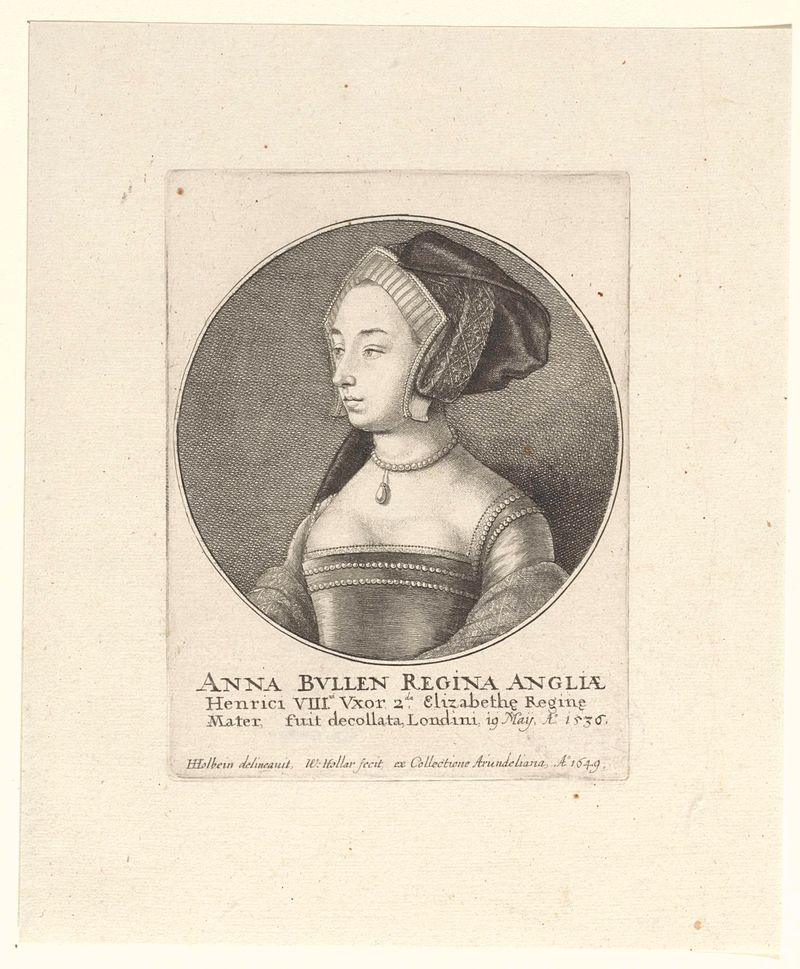
Portret van Anna Boleyn, koningin van Engeland
Wenceslaus Hollar
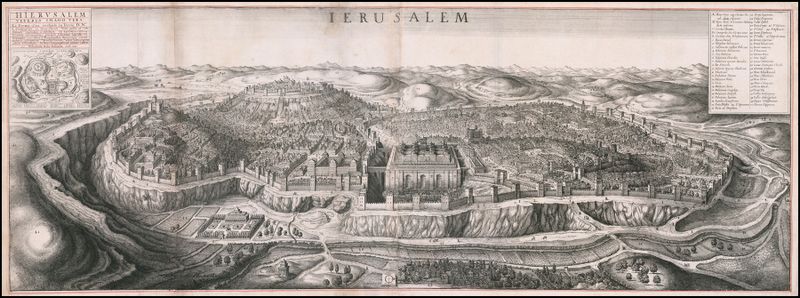
Bird’s eye view of Jerusalem
Wenceslaus Hollar
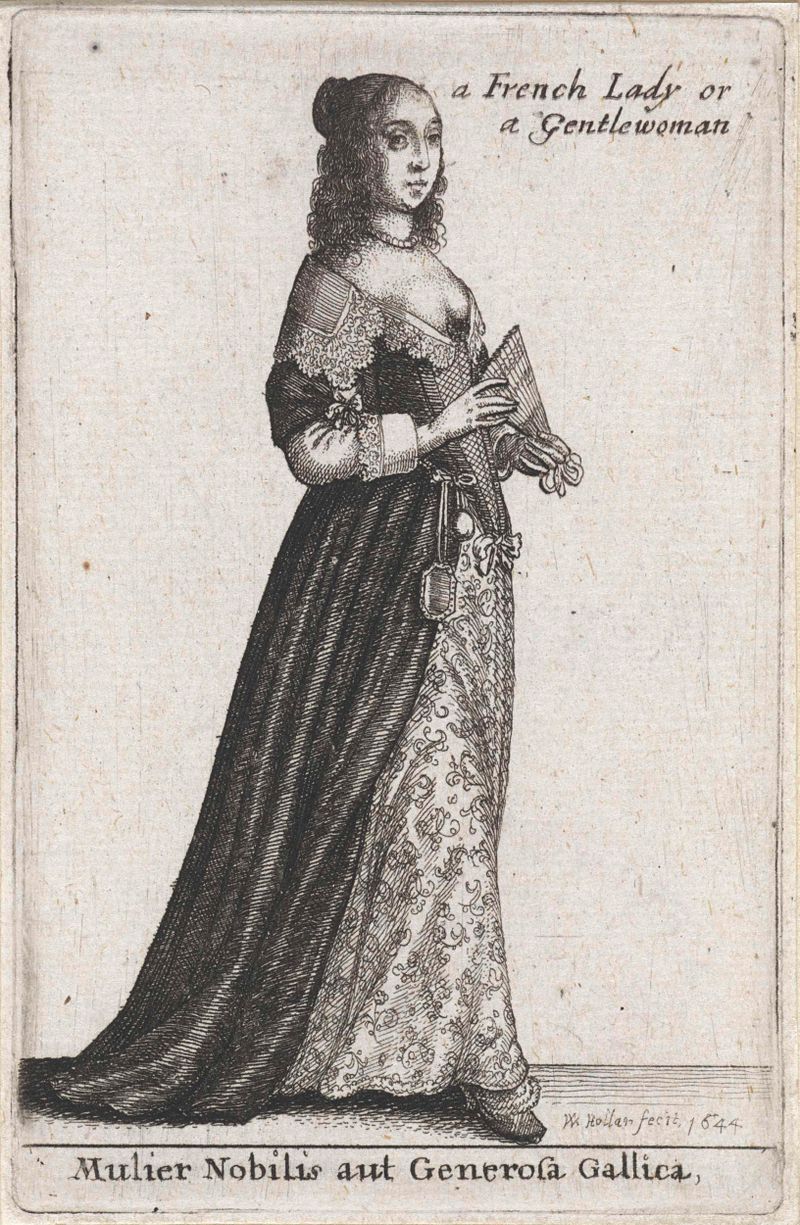
Mulier Nobilis aut Generosa Gallica / a French Lady or Gentlewoman
Wenceslaus Hollar
Titelprent voor: Ornatus Muliebris Anglicanus
Wenceslaus Hollar
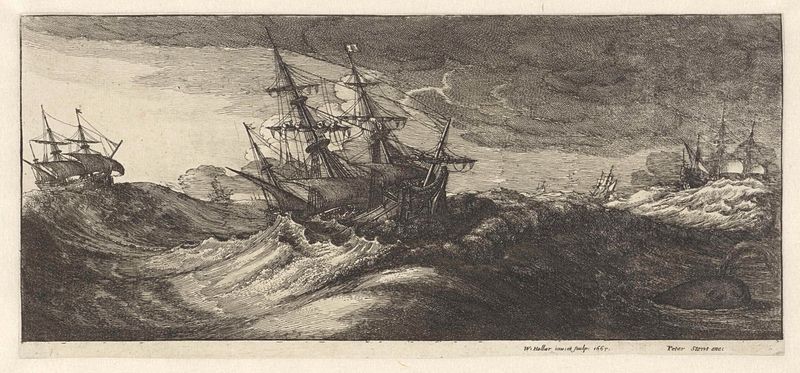
Oorlogsschepen en een walvis in een zeestorm
Wenceslaus Hollar
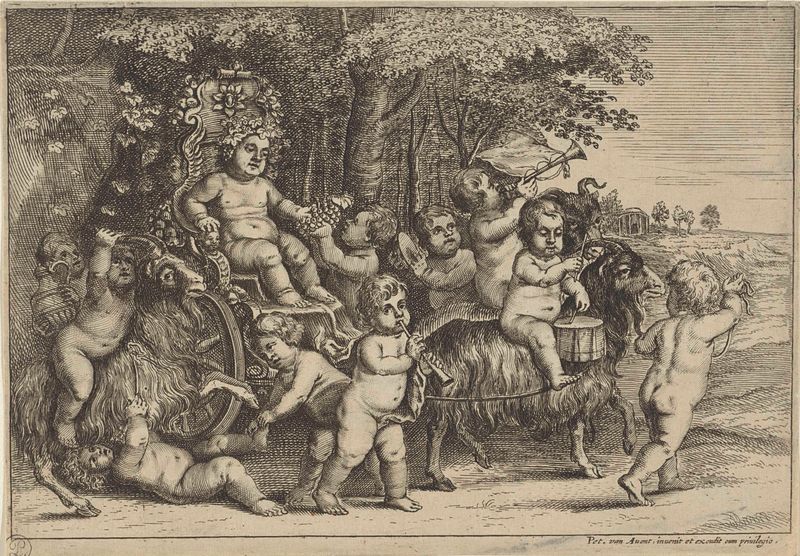
Optocht van bacchant en jongetjes op geiten
Wenceslaus Hollar
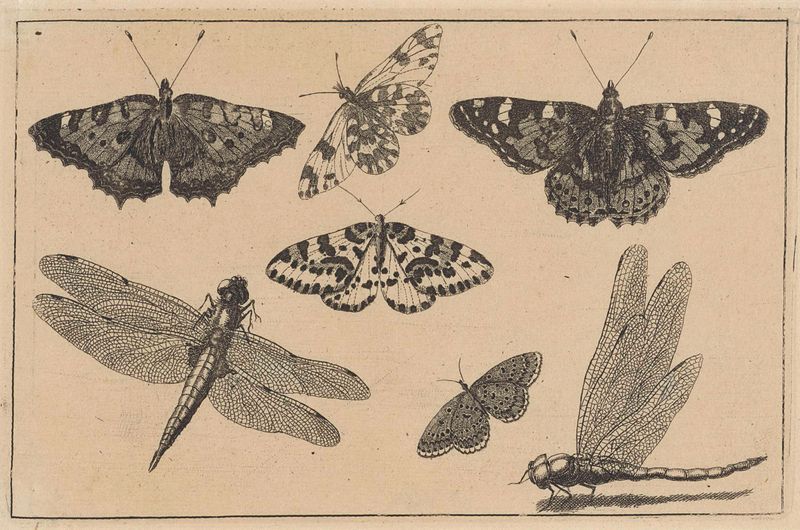
Twee libellen en vijf vlinders
Wenceslaus Hollar
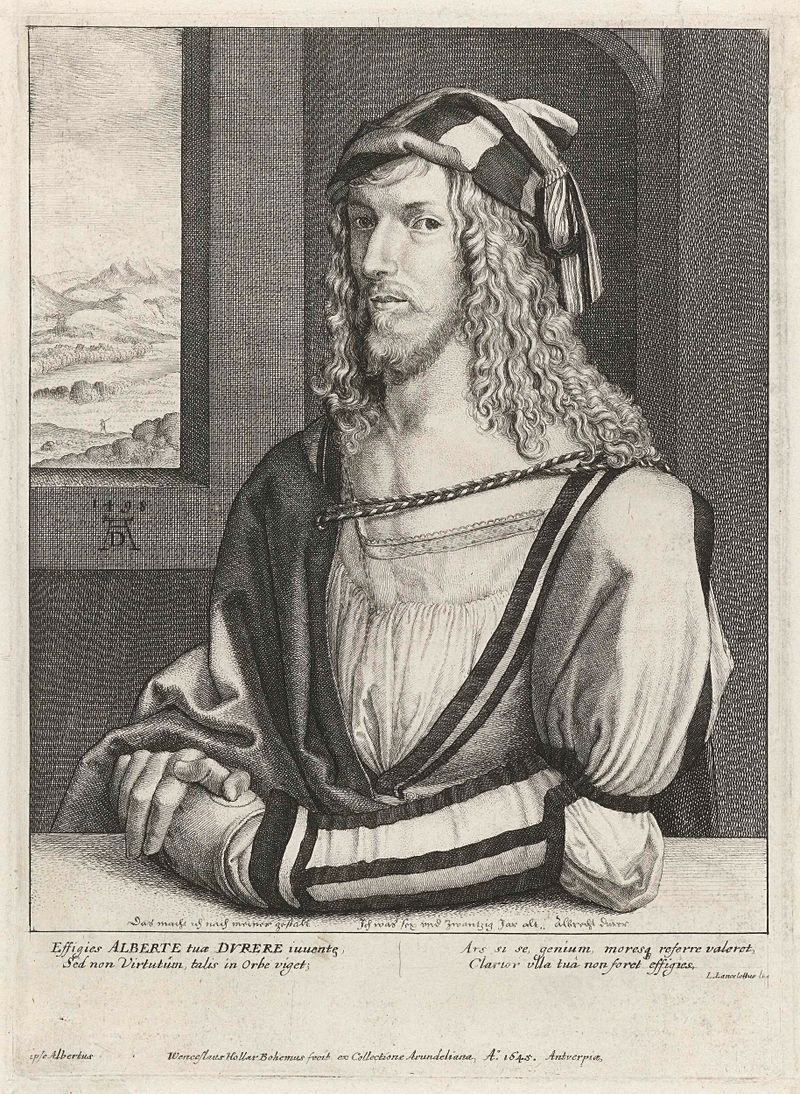
Portret van Albrecht Dürer
Wenceslaus Hollar
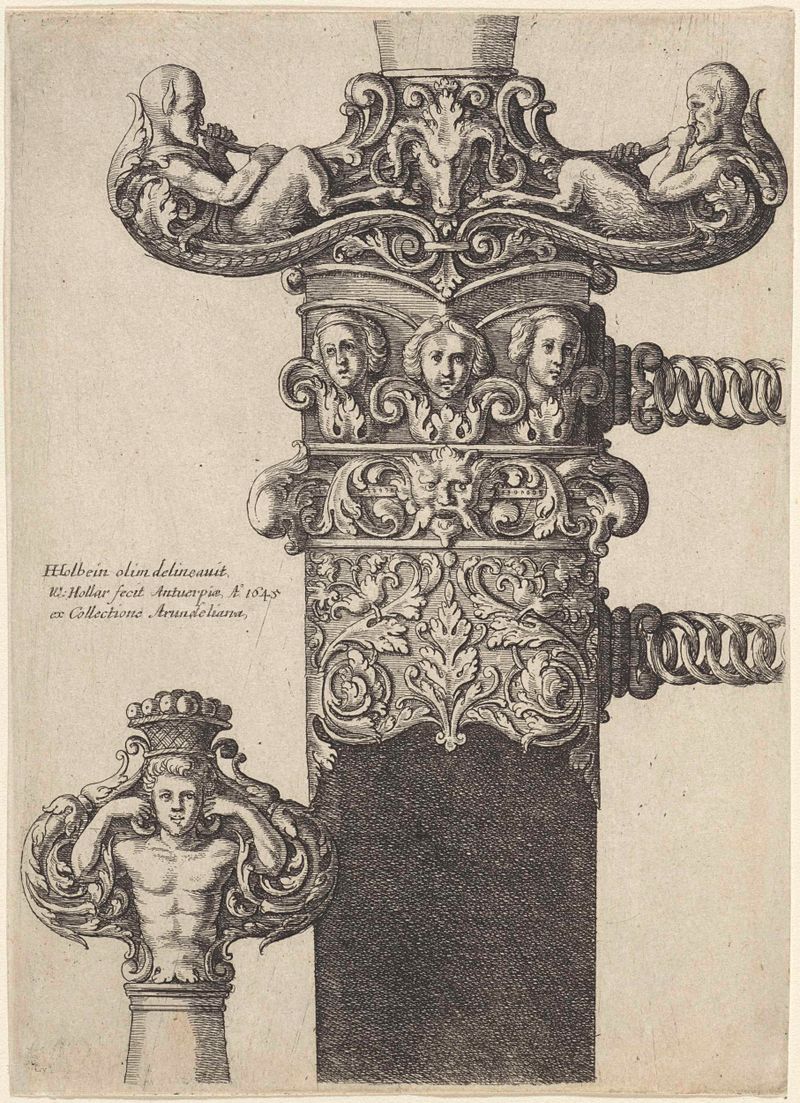
Ornamenteel ontwerp voor een dolk
Wenceslaus Hollar
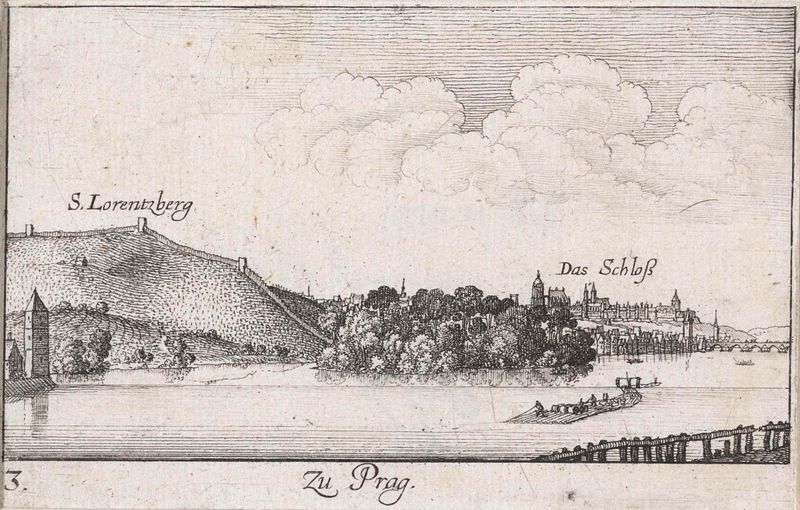
Gezicht op Praag vanaf de Moldau
Wenceslaus Hollar
More Historical Art
Browse all →
The Night Watch Militia Company of District II under the Command of Captain Frans Banninck Cocq
Rembrandt van Rijn

Lincoln Memorial
Henry Bacon

The Third of May 1808
Francisco de Goya

Isaac and Rebecca, Known as ‘The Jewish Bride’
Rembrandt van Rijn

The Charge of the Mamelukes (1814)
Francisco de Goya

De vier ruiters van de apocalyps
Albrecht Dürer