
De heilige drie-eenheid — History & Facts
Could beauty survive in a century of chaos? In a world teetering on the brink of transformation, art remains a testament to resilience and the eternal pursuit of transcendence. Look closely at the central figures, the Holy Trinity, rendered with meticulous detail. Notice how the vibrant colors contrast against the muted background, creating a profound sense of depth and focus. The positioning of the figures draws your eye from the serene countenance of God the Father at the top, radiating authority, to the compassionate gaze of Christ in the middle, and finally to the dove of the Holy Spirit, symbolizing divine intervention.
Each character is imbued with a sense of movement, a dynamic interplay of gestures that infuses the painting with life. The intricacies of this work invite deeper reflection. The harmonious arrangement of figures suggests unity, but the underlying tension speaks to the struggles of faith in an era marked by upheaval. The drapery of the garments flows with an almost ethereal quality, evoking the idea of spiritual ascent amidst earthly turmoil.
Subtle details, like the soft glow of haloes and the delicate rendering of hands, accentuate the emotional weight of the scene, urging the viewer to contemplate the fragility of belief. Jacob Cornelisz van Oostsanen painted this significant piece in 1520 during a time when the Northern Renaissance was flourishing, yet simultaneously challenged by social upheaval and religious reform. Living in Amsterdam, he was part of a vibrant artistic community that sought to balance tradition with innovation, reflecting the complexities of a world undergoing vast change through the lens of sacred imagery.
More Artworks by Jacob Cornelisz van Oostsanen
Browse all →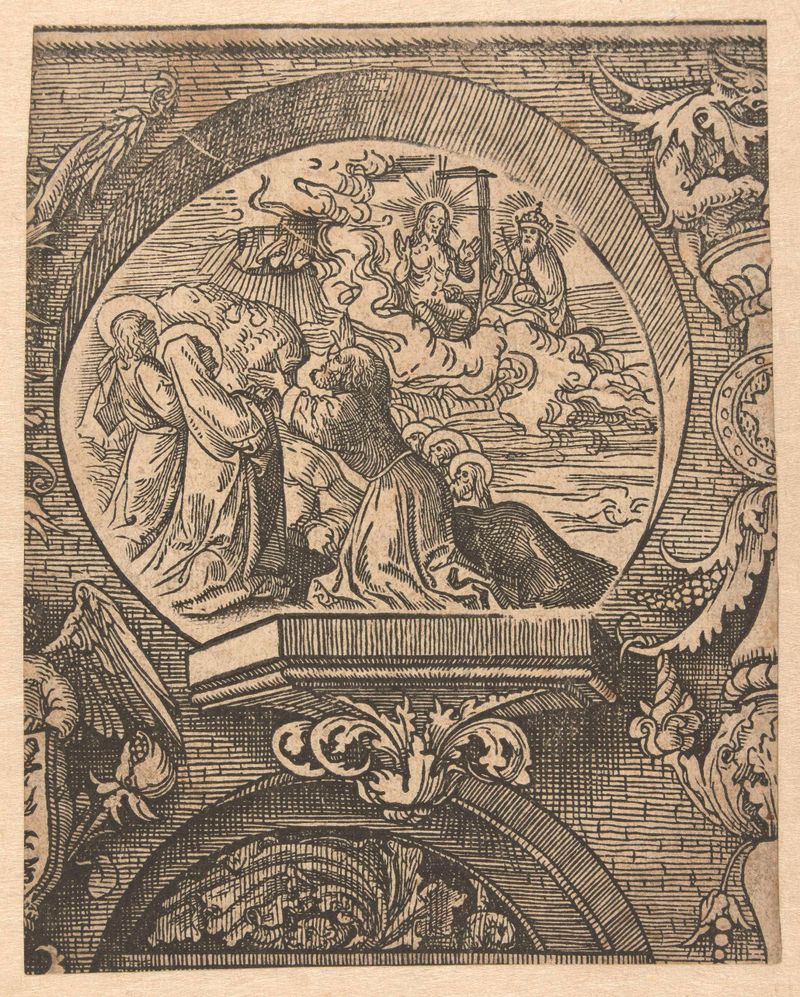
De hemelvaart en Christus voor God de Vader
Jacob Cornelisz van Oostsanen
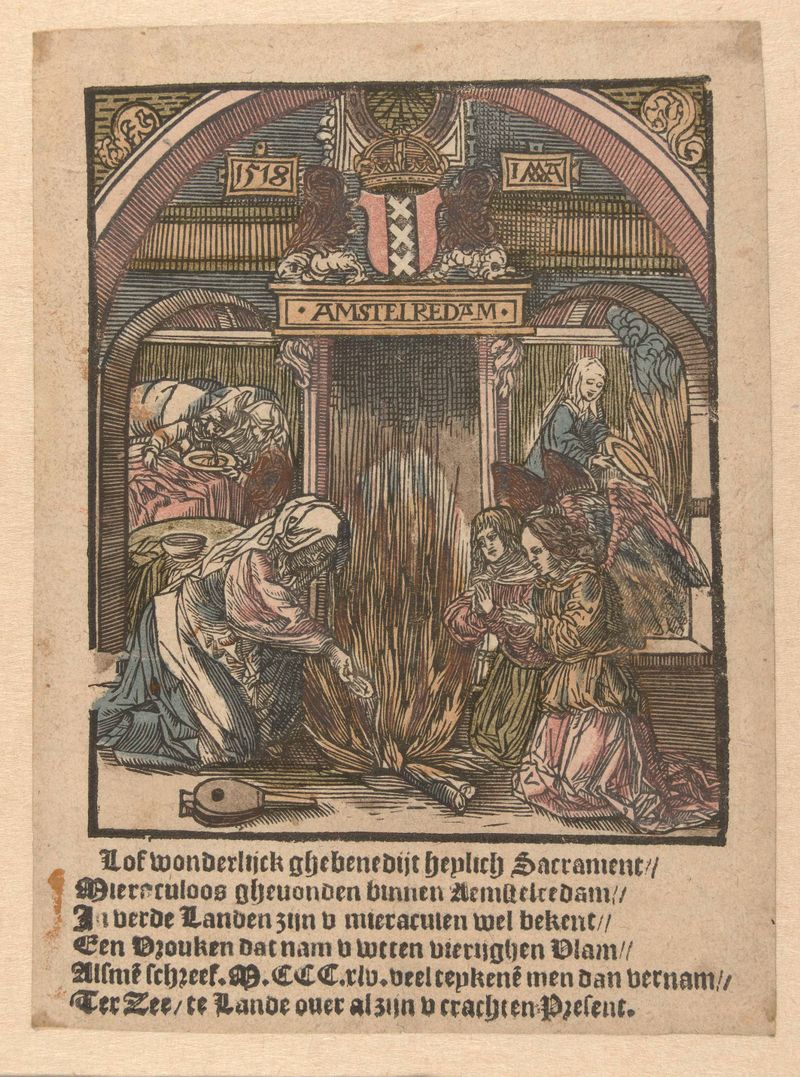
Het hostiewonder van Amsterdam
Jacob Cornelisz van Oostsanen
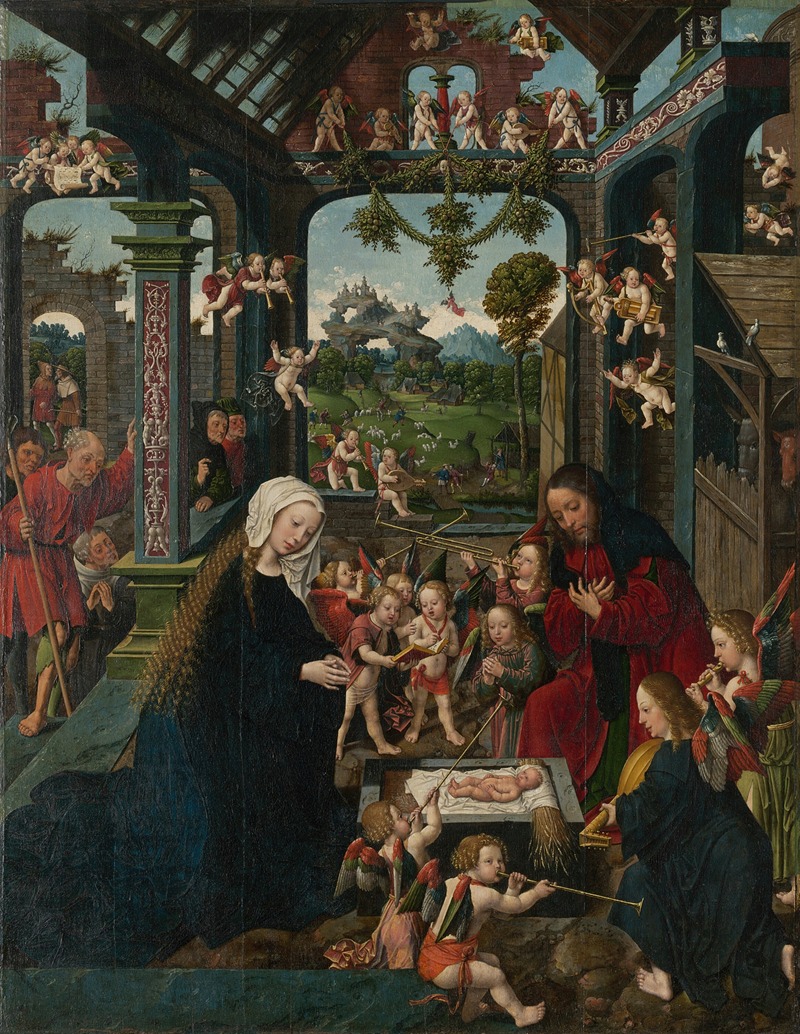
The Adoration of the Christ Child
Jacob Cornelisz van Oostsanen
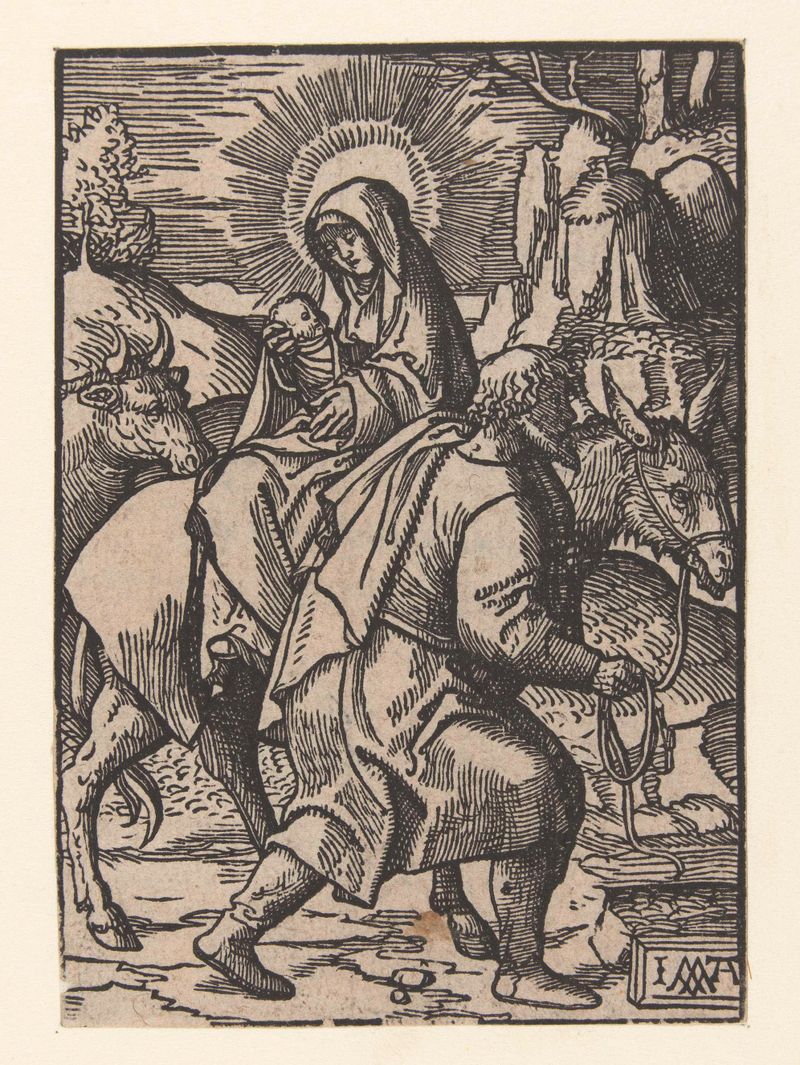
Vlucht naar Egypte
Jacob Cornelisz van Oostsanen
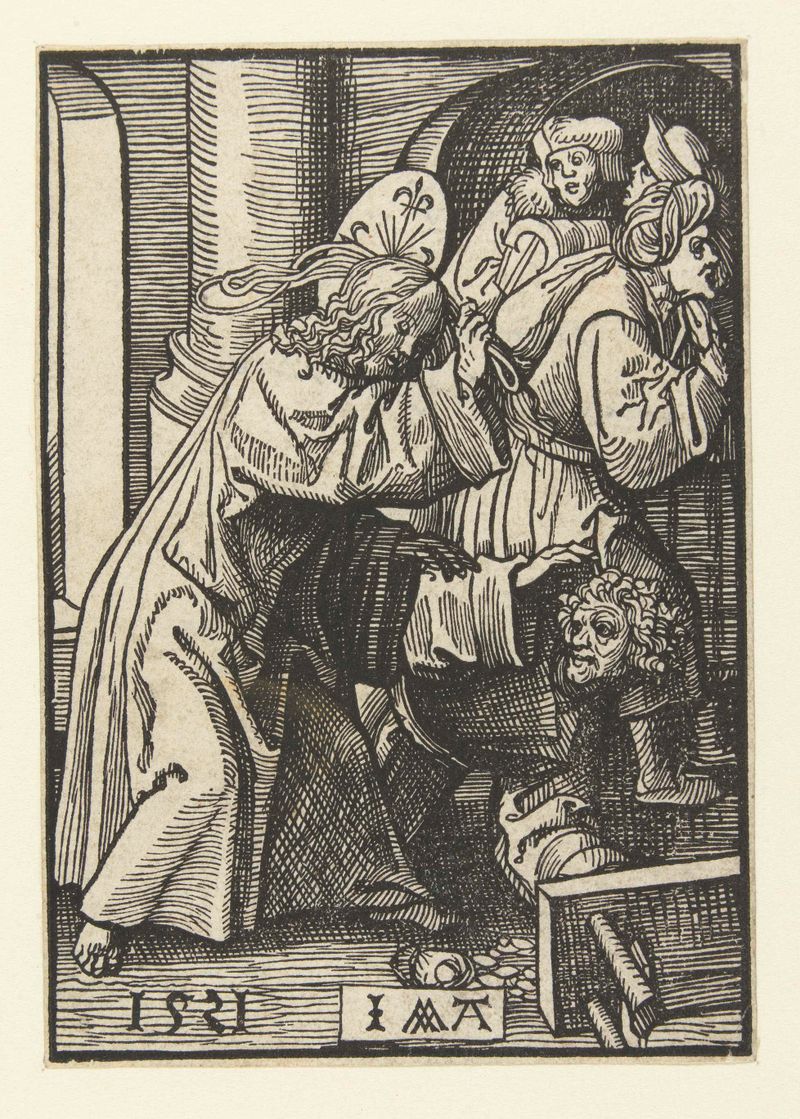
Verdrijving van de handelaren uit de tempel
Jacob Cornelisz van Oostsanen
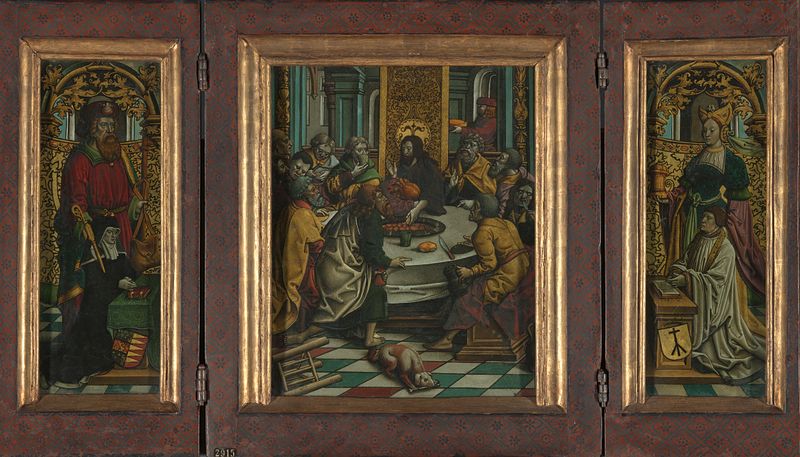
Triptych with the Last Supper and Donors
Jacob Cornelisz van Oostsanen
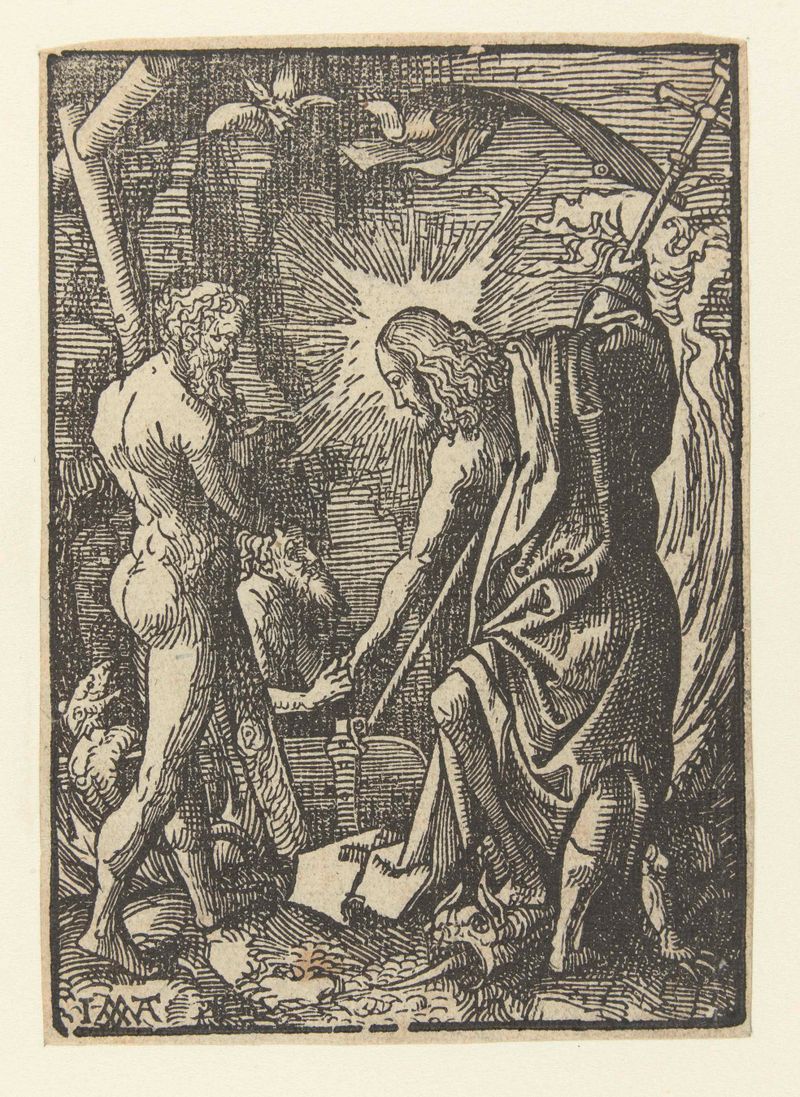
Christus in het voorgeborchte
Jacob Cornelisz van Oostsanen
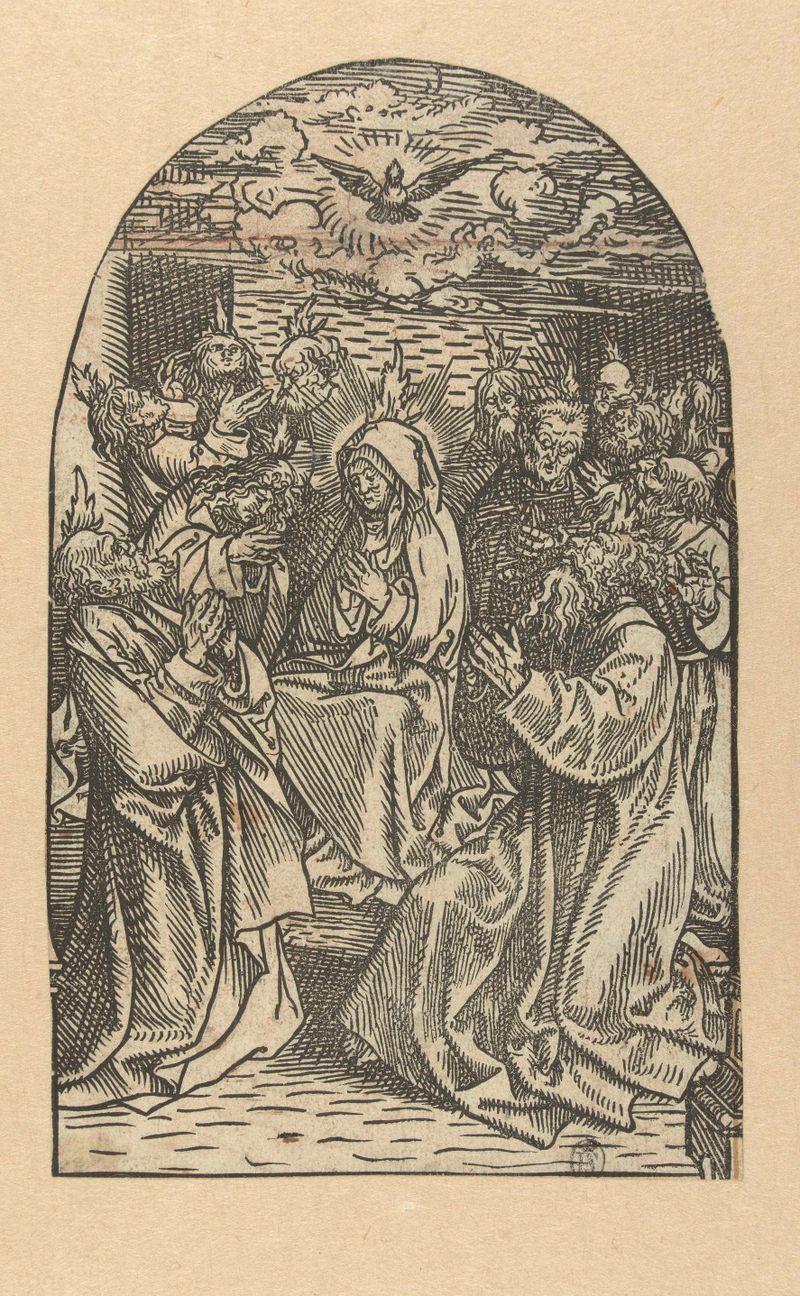
Uitstorting van de Heilige Geest
Jacob Cornelisz van Oostsanen
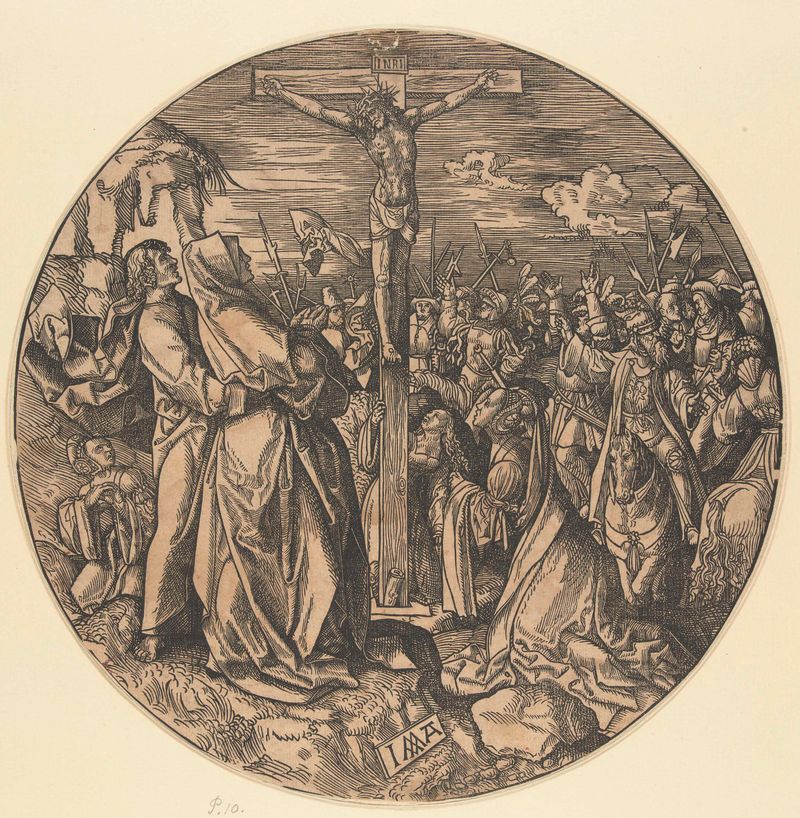
Christus aan het kruis
Jacob Cornelisz van Oostsanen

De kruisiging en de graflegging van Christus
Jacob Cornelisz van Oostsanen
More Religious Art
Browse all →
The Return of the Prodigal Son
Rembrandt van Rijn

The Garden of Earthly Delights
El Bosco

Count Orgaz’ funeral
El Greco

The Hundred Guilder Print: the central piece with Christ preaching, the plate arched
Rembrandt van Rijn

The Descent from the Cross
Rogier van der Weyden

The return of the prodigal son
Rembrandt van Rijn