
De Heilige Geest — History & Facts
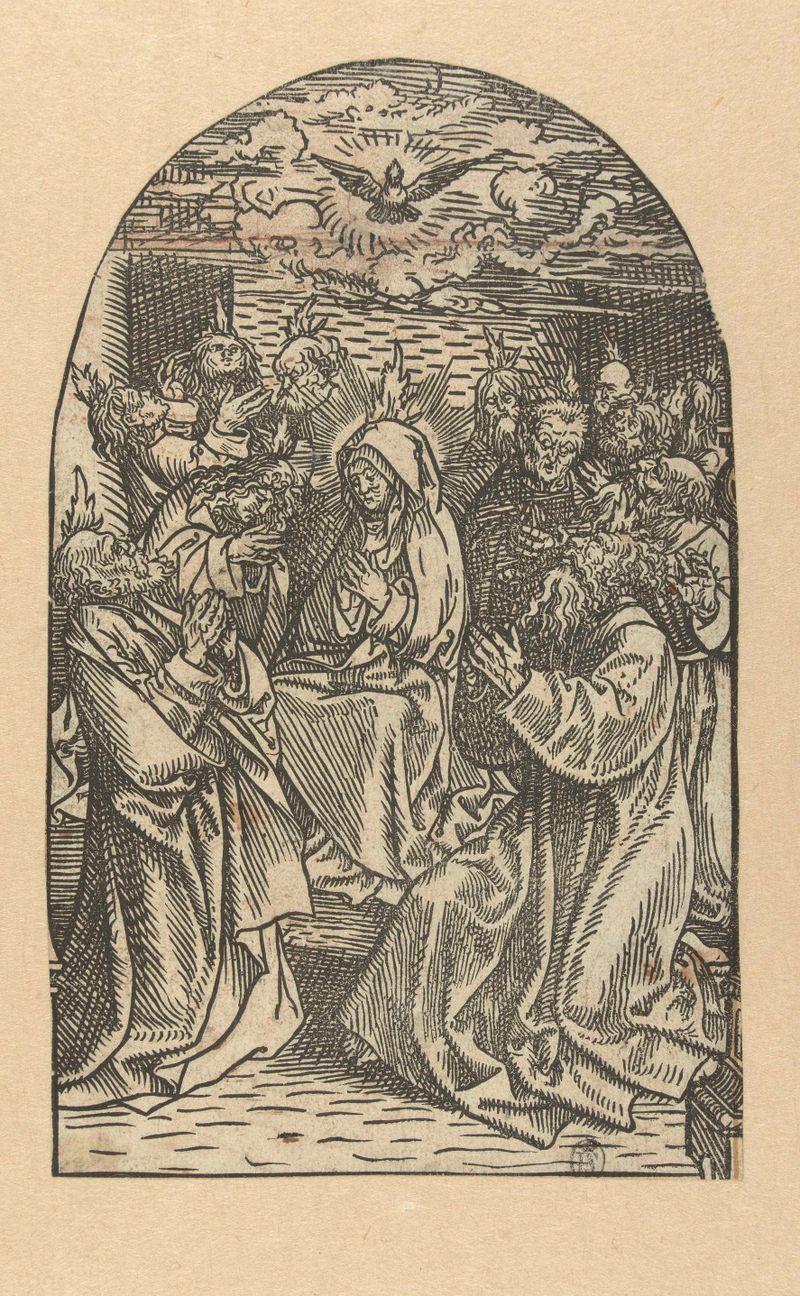
Can beauty exist without sorrow? In De Heilige Geest, the delicate interplay of elegance and melancholy suggests that they are eternally intertwined. Begin by focusing on the ethereal figure of the Holy Spirit, depicted as a dove at the center of the composition. Notice how the artist employs soft, muted colors, creating an aura of serenity that envelops the scene. The subtle gradations of light draw your gaze toward the dove’s outstretched wings, emphasizing its graceful movement, while the surrounding figures and elements seem to converge as if in quiet reverence. As you delve deeper, observe the contrasting expressions of those depicted: a blend of awe and contemplation.
The ethereal light illuminating the dove contrasts sharply with the heavier, darker tones of the surrounding figures, reflecting the dual nature of faith and doubt. Each figure’s gesture—some reaching out while others bow their heads—captures the diverse responses to divine presence, hinting at the personal struggles inherent in the pursuit of spirituality. Created in 1520, De Heilige Geest emerged during a period of profound religious change in Europe, as the Renaissance flourished and the Reformation began to take root. Jacob Cornelisz van Oostsanen, who painted this work in the Northern Netherlands, was deeply influenced by both the humanist ideals of his time and the spiritual fervor of the age.
This painting reflects not only his artistic mastery but also a society grappling with the complexities of faith and human emotion.
More Artworks by Jacob Cornelisz van Oostsanen
Browse all →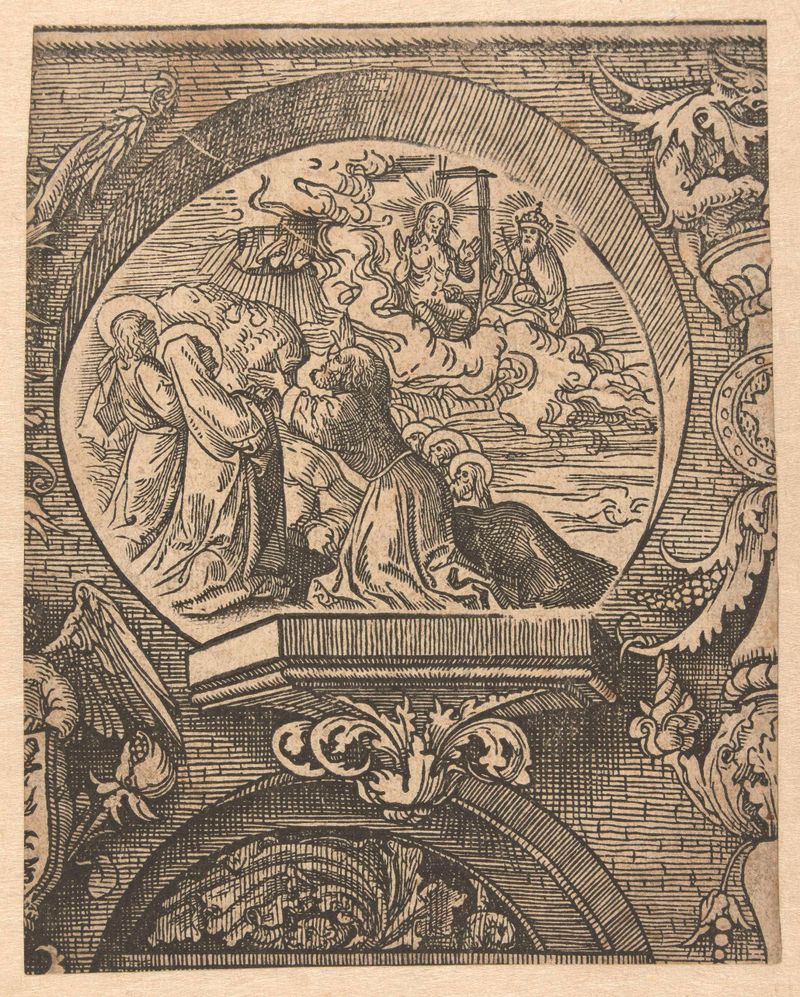
De hemelvaart en Christus voor God de Vader
Jacob Cornelisz van Oostsanen
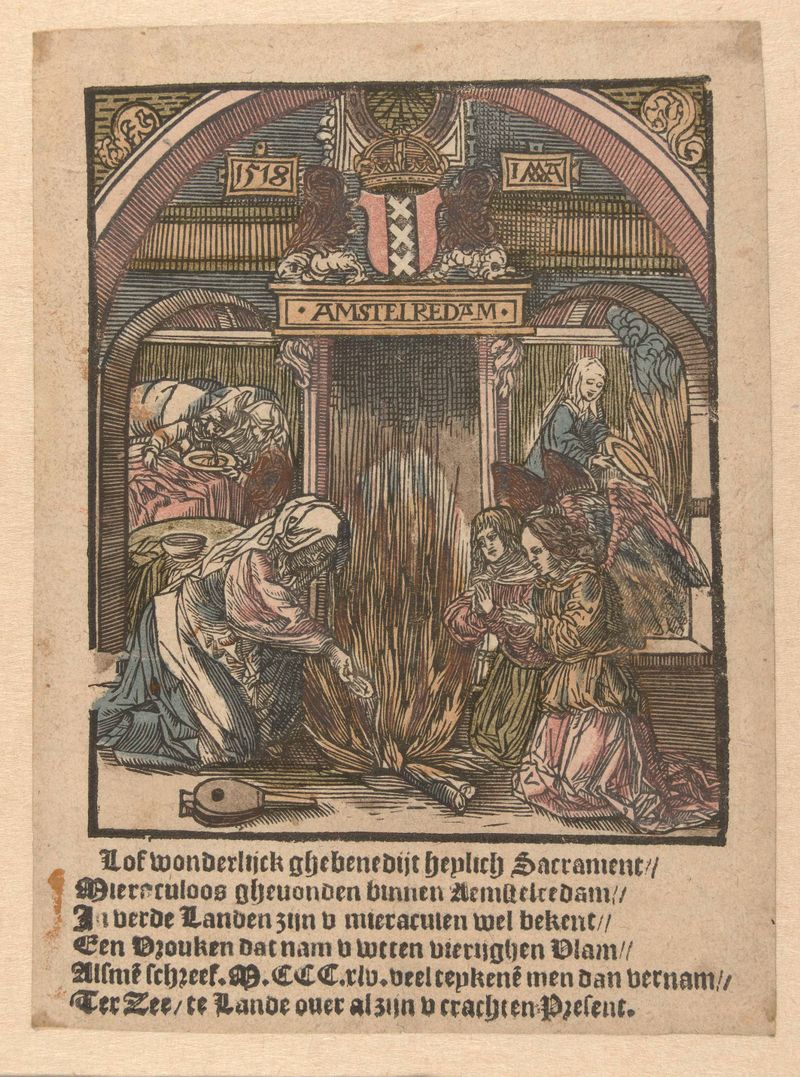
Het hostiewonder van Amsterdam
Jacob Cornelisz van Oostsanen
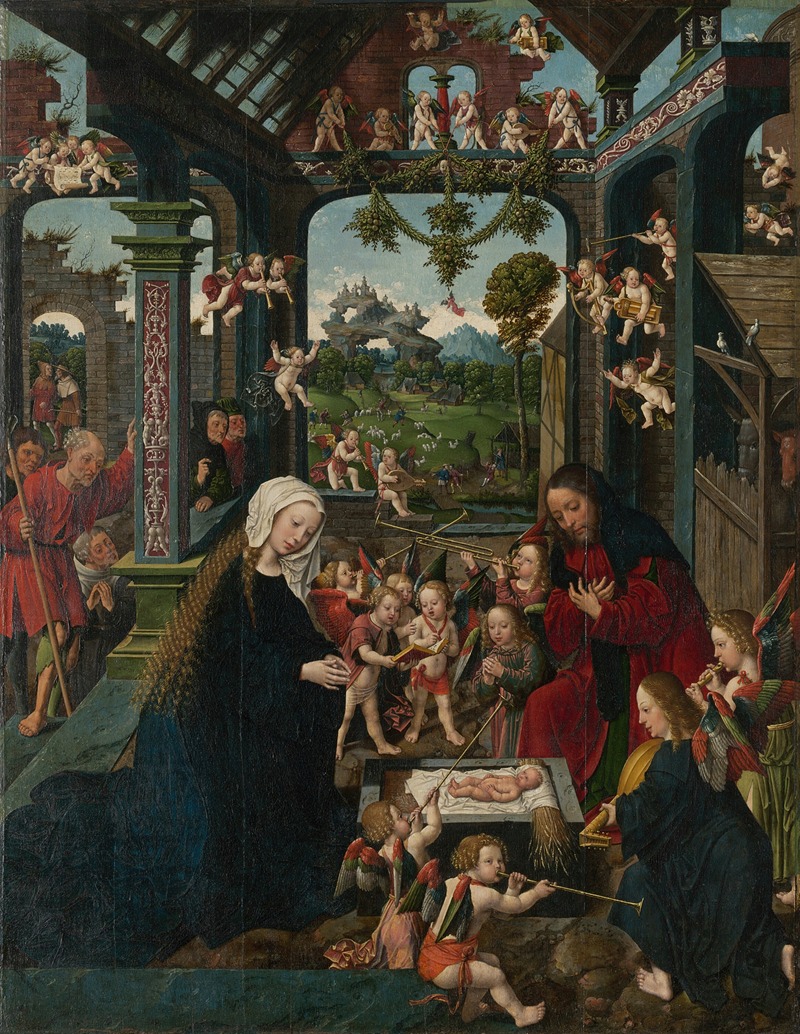
The Adoration of the Christ Child
Jacob Cornelisz van Oostsanen
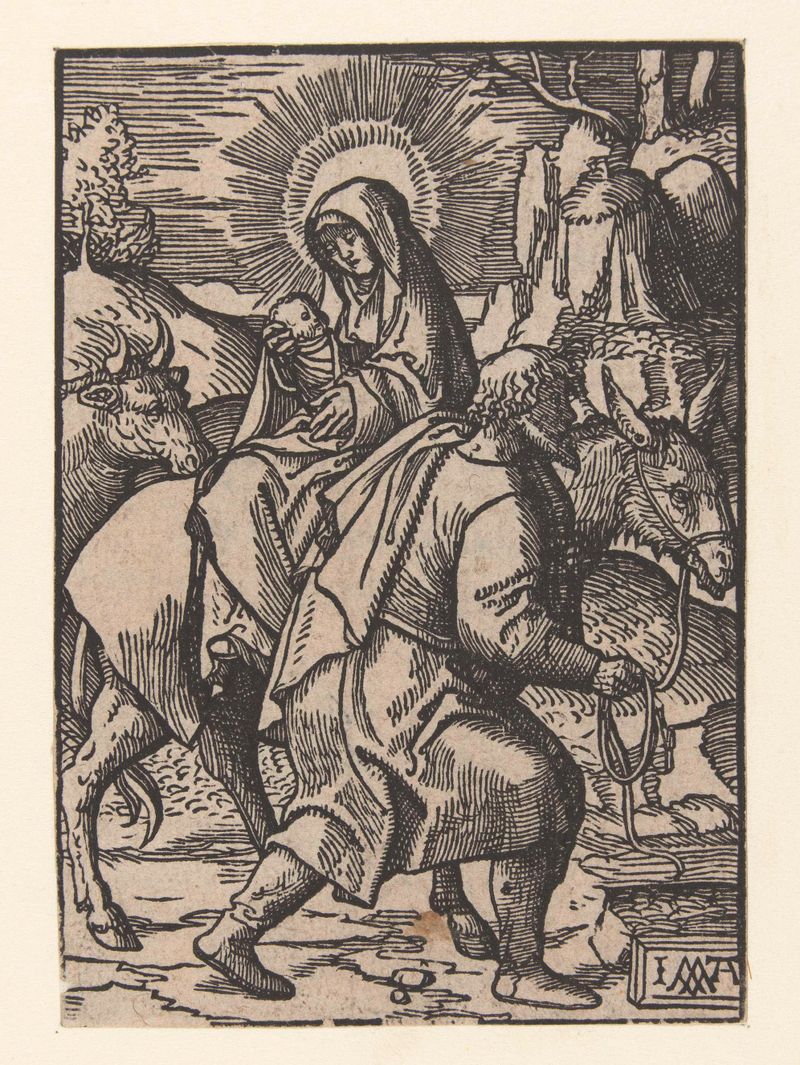
Vlucht naar Egypte
Jacob Cornelisz van Oostsanen
Verdrijving van de handelaren uit de tempel
Jacob Cornelisz van Oostsanen
Triptych with the Last Supper and Donors
Jacob Cornelisz van Oostsanen
Christus in het voorgeborchte
Jacob Cornelisz van Oostsanen
Uitstorting van de Heilige Geest
Jacob Cornelisz van Oostsanen
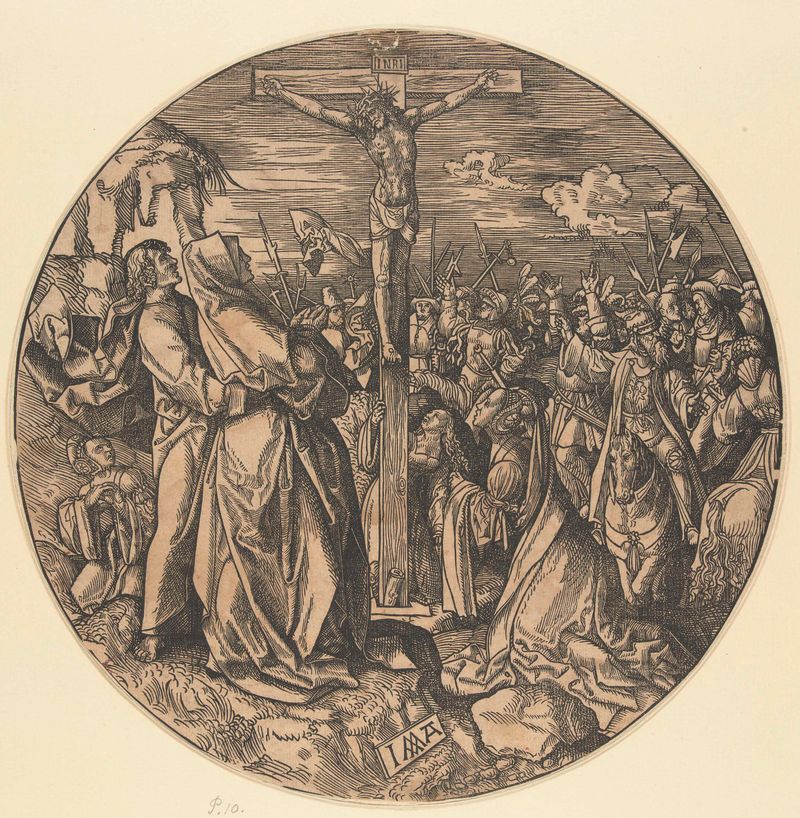
Christus aan het kruis
Jacob Cornelisz van Oostsanen

De kruisiging en de graflegging van Christus
Jacob Cornelisz van Oostsanen
More Religious Art
Browse all →
The Return of the Prodigal Son
Rembrandt van Rijn

The Garden of Earthly Delights
El Bosco

Count Orgaz’ funeral
El Greco

The Hundred Guilder Print: the central piece with Christ preaching, the plate arched
Rembrandt van Rijn

The Descent from the Cross
Rogier van der Weyden

The return of the prodigal son
Rembrandt van Rijn