
De heilige Michaël — History & Facts
When did color learn to lie? In the heart of the Renaissance, a dream unfolds, woven with golden threads of light and shadow, capturing a moment where the ethereal collides with the earthly. Look to the center of the canvas, where Saint Michael stands triumphant, his powerful figure framed by a swirling expanse of rich blues and radiant golds. The intricate detailing of his armor glimmers under an unseen sun, while the contrasting softness of his flowing drapery invites tenderness amidst the ferocity of battle. Notice how the vibrant hues of the background coalesce, enveloping him in a celestial glow that seems to pulse with divine energy, commanding your gaze to linger. Yet, beyond the surface spectacle lies a narrative steeped in duality.
The contrast between the saint’s fierce determination and the vulnerability of his adversary—a fallen angel—deepens the emotional resonance of the piece. Each stroke of paint conveys an unspoken tension; the balance of light and dark suggests an eternal struggle between good and evil. A subtle interplay of gestures and expressions reveals the fragility of victory and the cost that often accompanies it. Jacob Cornelisz van Oostsanen painted this work in 1510 during a time of religious fervor and change across Europe.
As a prominent figure in Dutch painting, he was influenced by the growing humanist movement and the emerging Northern Renaissance style. While artists began to explore new techniques, van Oostsanen's commitment to religious themes offered a window into the spiritual anxieties of his era, bridging the divine with the human experience in a captivating narrative.
More Artworks by Jacob Cornelisz van Oostsanen
Browse all →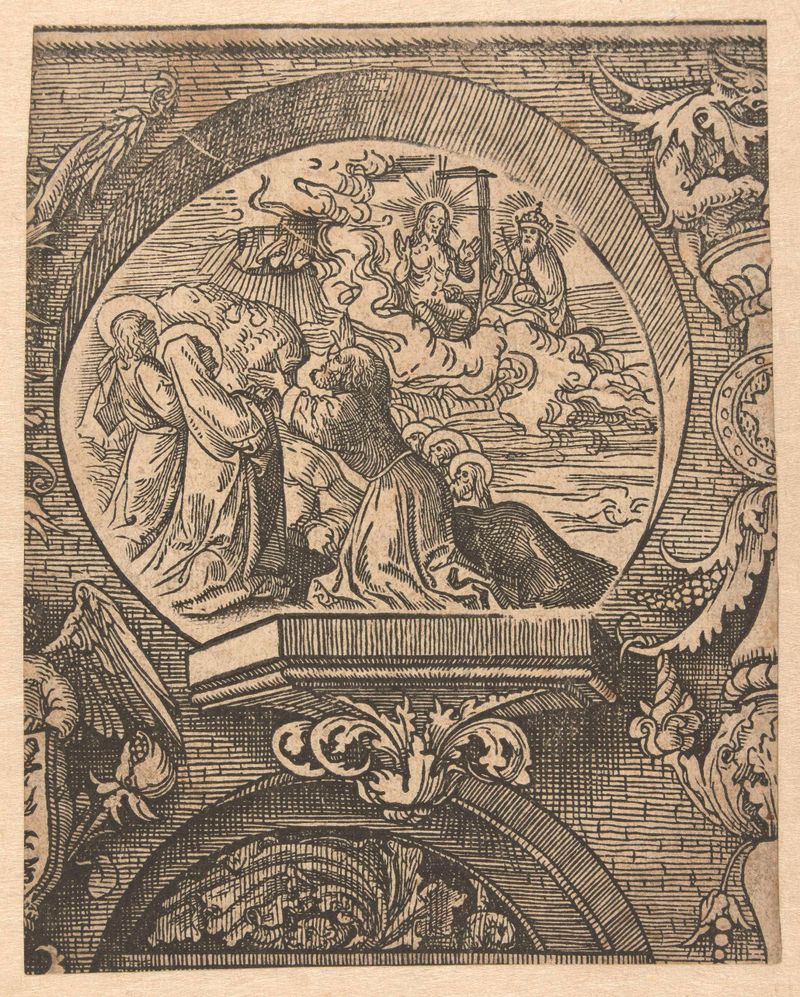
De hemelvaart en Christus voor God de Vader
Jacob Cornelisz van Oostsanen
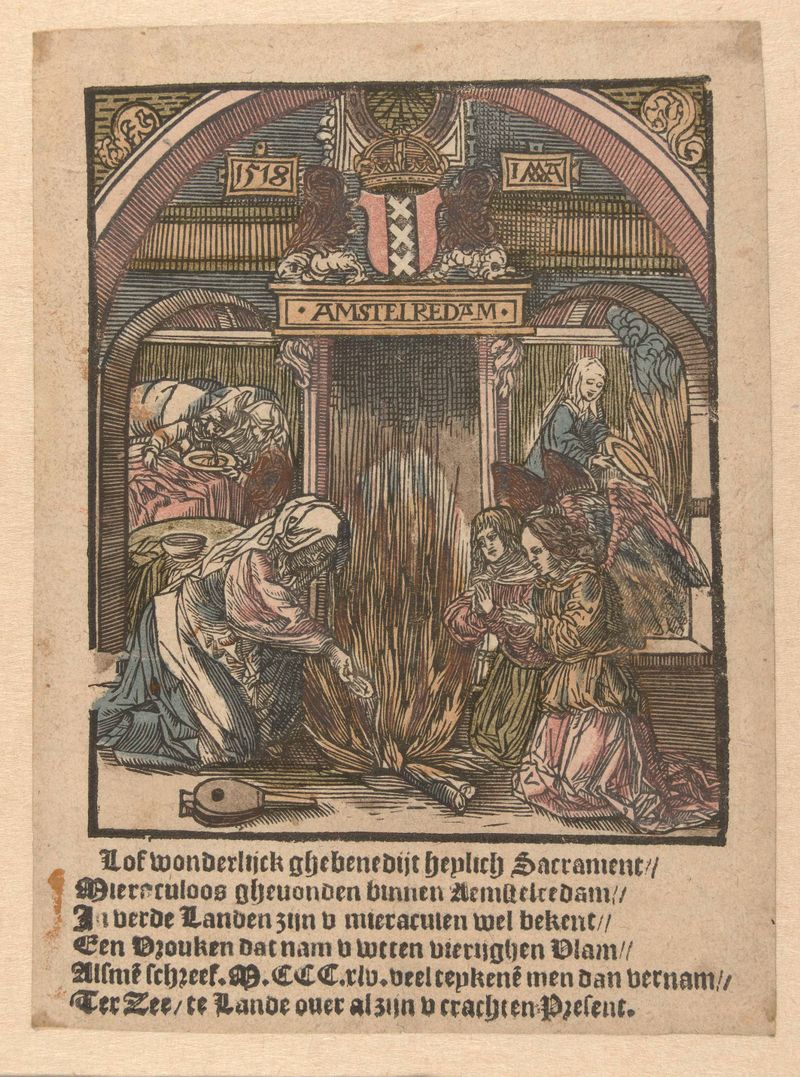
Het hostiewonder van Amsterdam
Jacob Cornelisz van Oostsanen
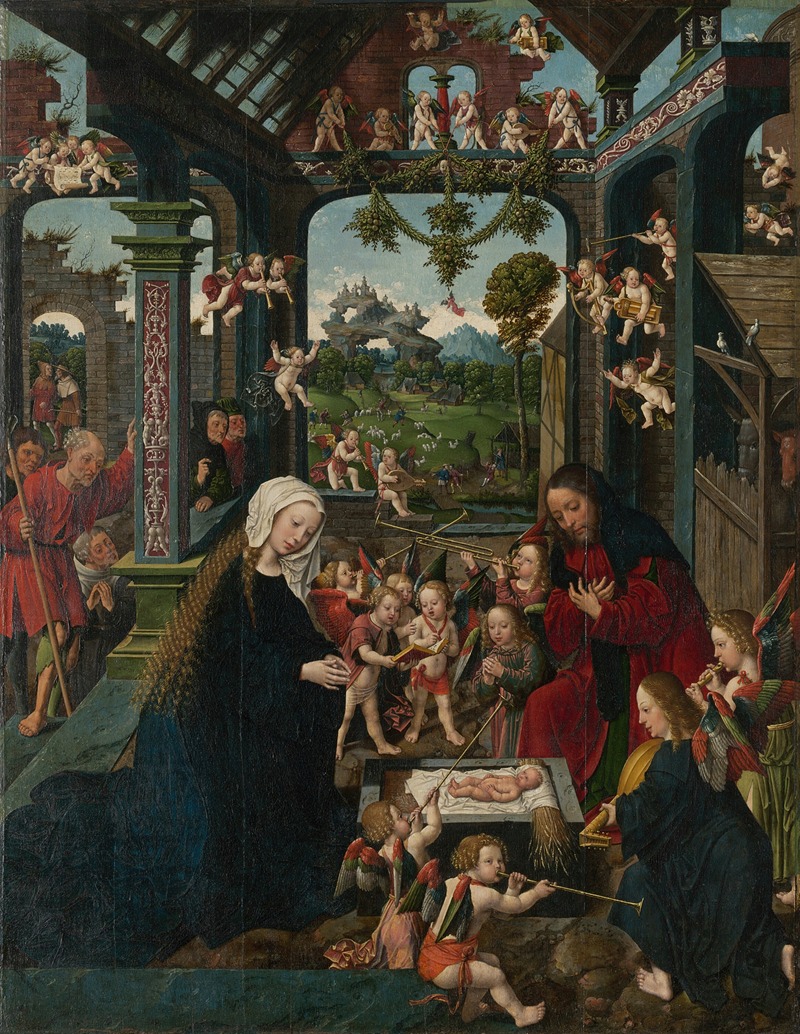
The Adoration of the Christ Child
Jacob Cornelisz van Oostsanen
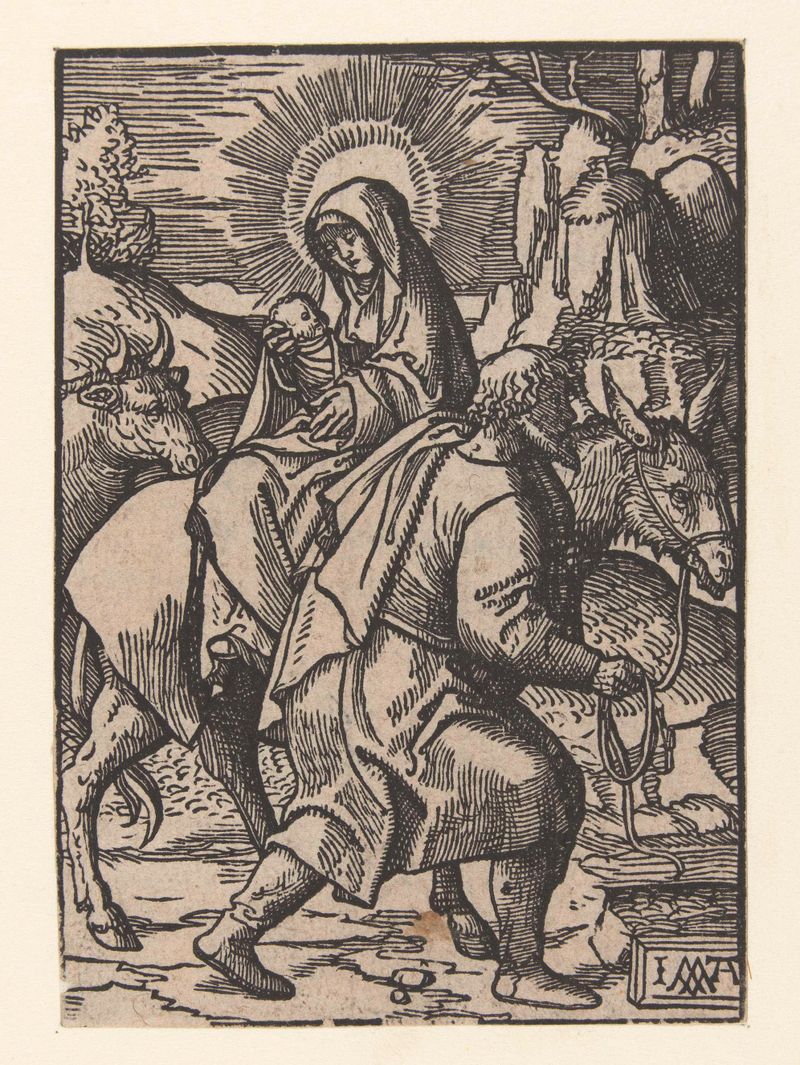
Vlucht naar Egypte
Jacob Cornelisz van Oostsanen
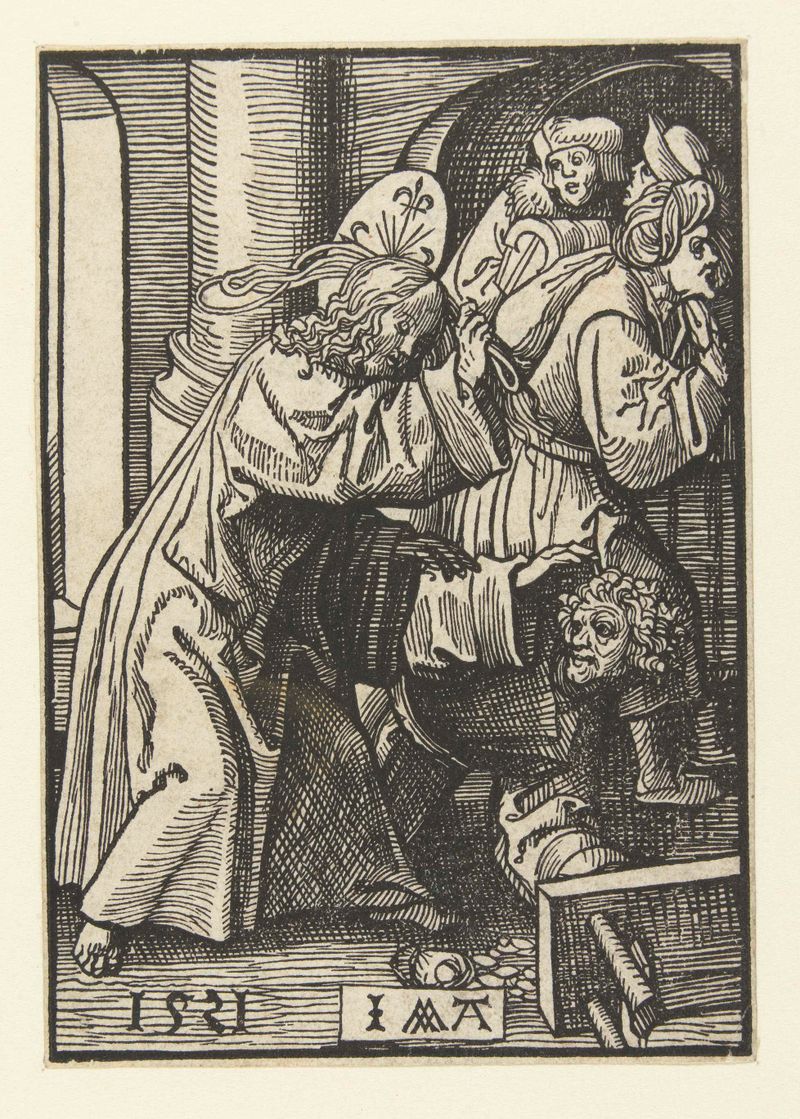
Verdrijving van de handelaren uit de tempel
Jacob Cornelisz van Oostsanen
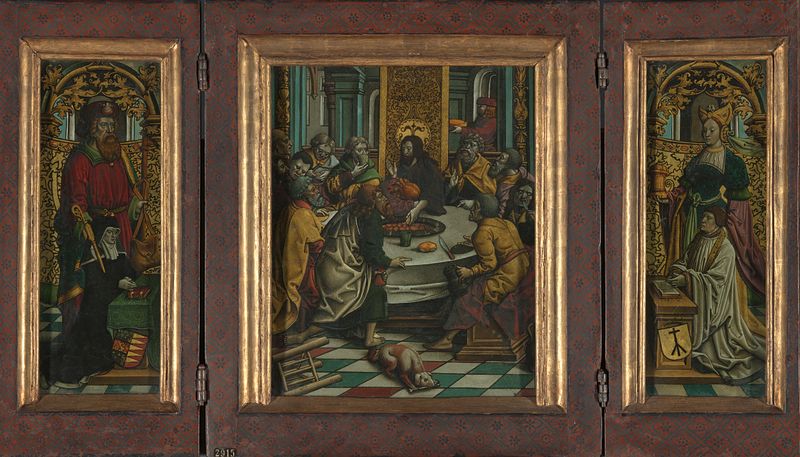
Triptych with the Last Supper and Donors
Jacob Cornelisz van Oostsanen
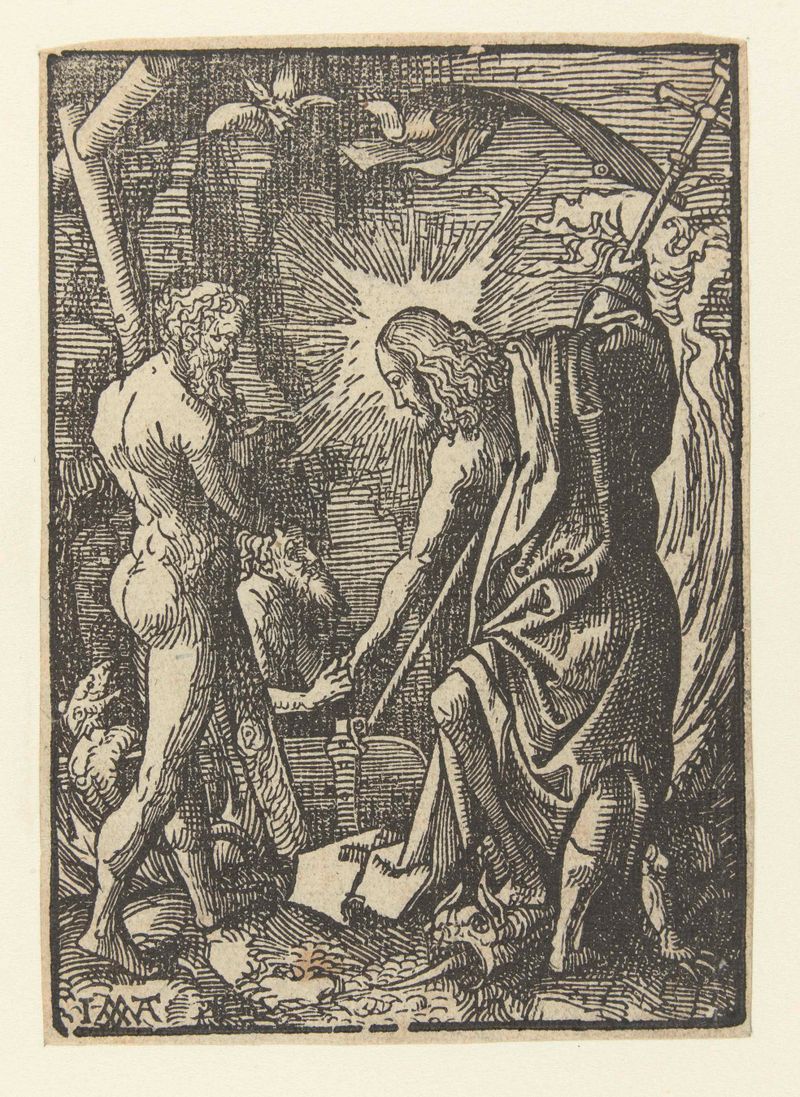
Christus in het voorgeborchte
Jacob Cornelisz van Oostsanen
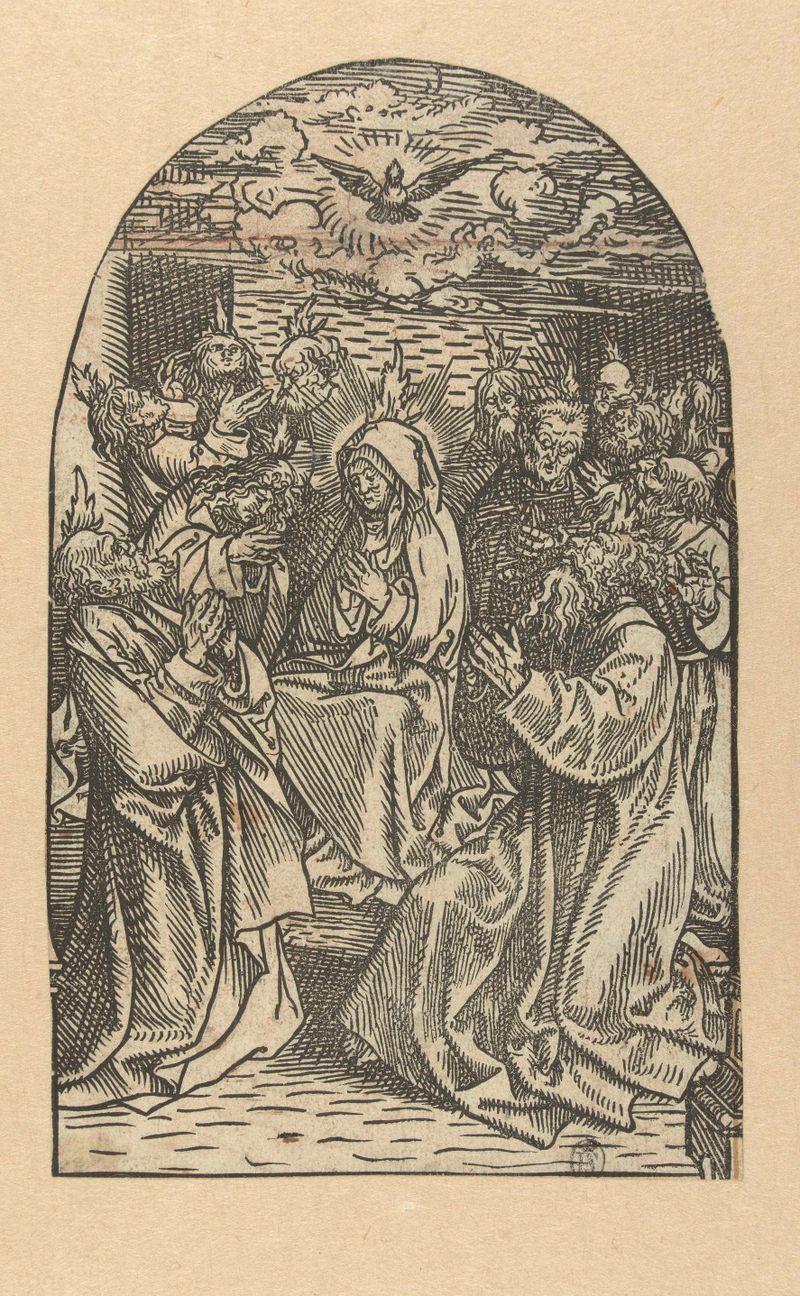
Uitstorting van de Heilige Geest
Jacob Cornelisz van Oostsanen
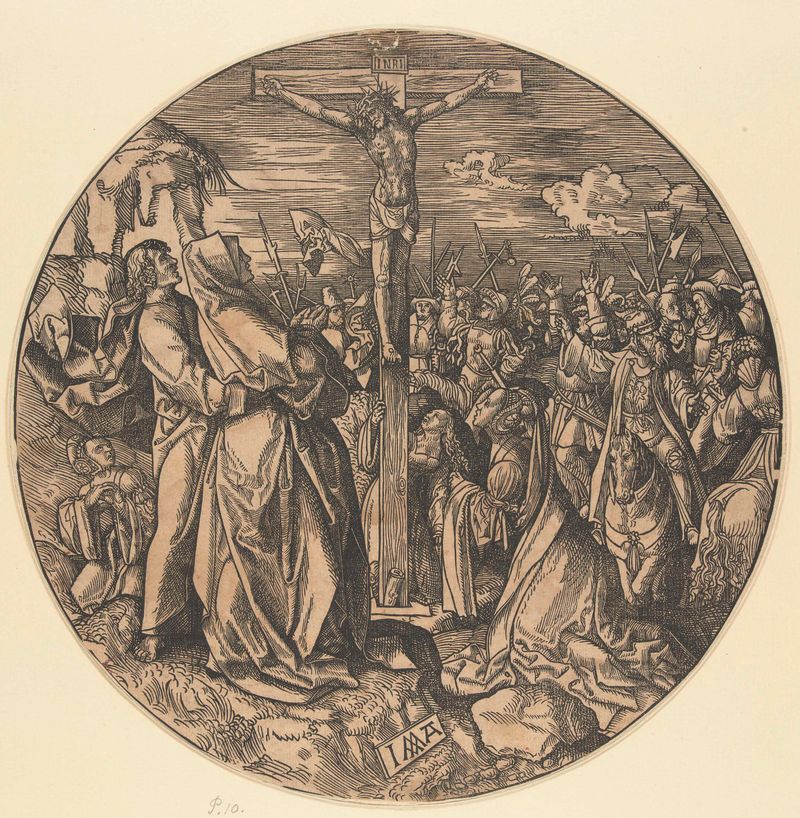
Christus aan het kruis
Jacob Cornelisz van Oostsanen

De kruisiging en de graflegging van Christus
Jacob Cornelisz van Oostsanen
More Religious Art
Browse all →
The Return of the Prodigal Son
Rembrandt van Rijn

The Garden of Earthly Delights
El Bosco

Count Orgaz’ funeral
El Greco

The Hundred Guilder Print: the central piece with Christ preaching, the plate arched
Rembrandt van Rijn

The Descent from the Cross
Rogier van der Weyden

The return of the prodigal son
Rembrandt van Rijn