
De heiligen Silvester en Martinus — History & Facts
In the hands of an artist, the past converges with the present, leaving a legacy that echoes through time. To understand the intricate layers of De heiligen Silvester en Martinus, first direct your gaze to the central figures of Silvester and Martinus, their serene expressions contrasting with the vibrant hues of their garments. The artist employs a rich palette of blues and reds, the colors almost pulsating with life, while the gold detailing adds a divine shimmer. Notice how the light cascades across their faces, illuminating not only their features but also the devotion they embody, placing them at the heart of the composition. The painting evokes a delicate interplay of faith and authority.
The juxtaposition of Silvester, a pope, and Martinus, a soldier turned saint, speaks to the harmony between the sacred and the secular. In the background, abstract figures shadow the holy duo, perhaps representing the believers who find solace in their gaze. This contrast amplifies the weight of their legacy, suggesting that while individual paths may diverge, they ultimately converge in a shared pursuit of grace. Created between 1509 and 1513, this piece reflects the transitional period in Jacob Cornelisz van Oostsanen's career, as he began to embrace Renaissance ideals while still rooted in Gothic traditions.
Living in Amsterdam during an era of burgeoning humanism and artistic innovation, he contributed significantly to the development of Dutch art. This painting captures not only the saints’ eternal significance but also the artist's commitment to establishing a lasting impact on patrons and viewers alike.
More Artworks by Jacob Cornelisz van Oostsanen
Browse all →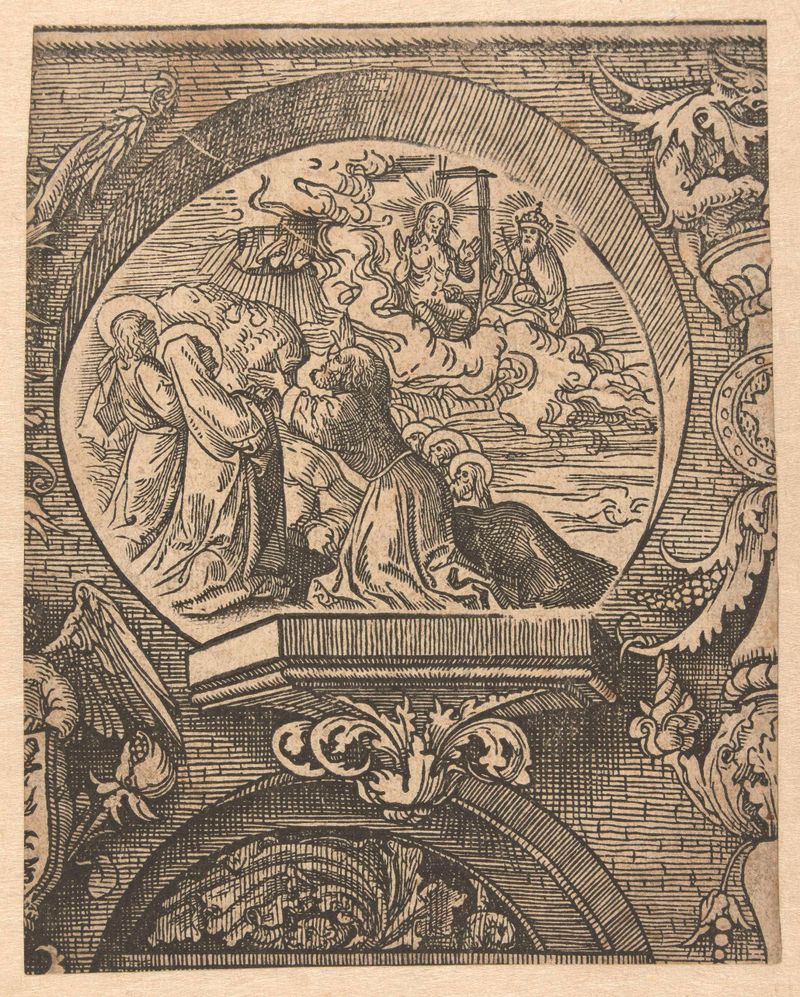
De hemelvaart en Christus voor God de Vader
Jacob Cornelisz van Oostsanen
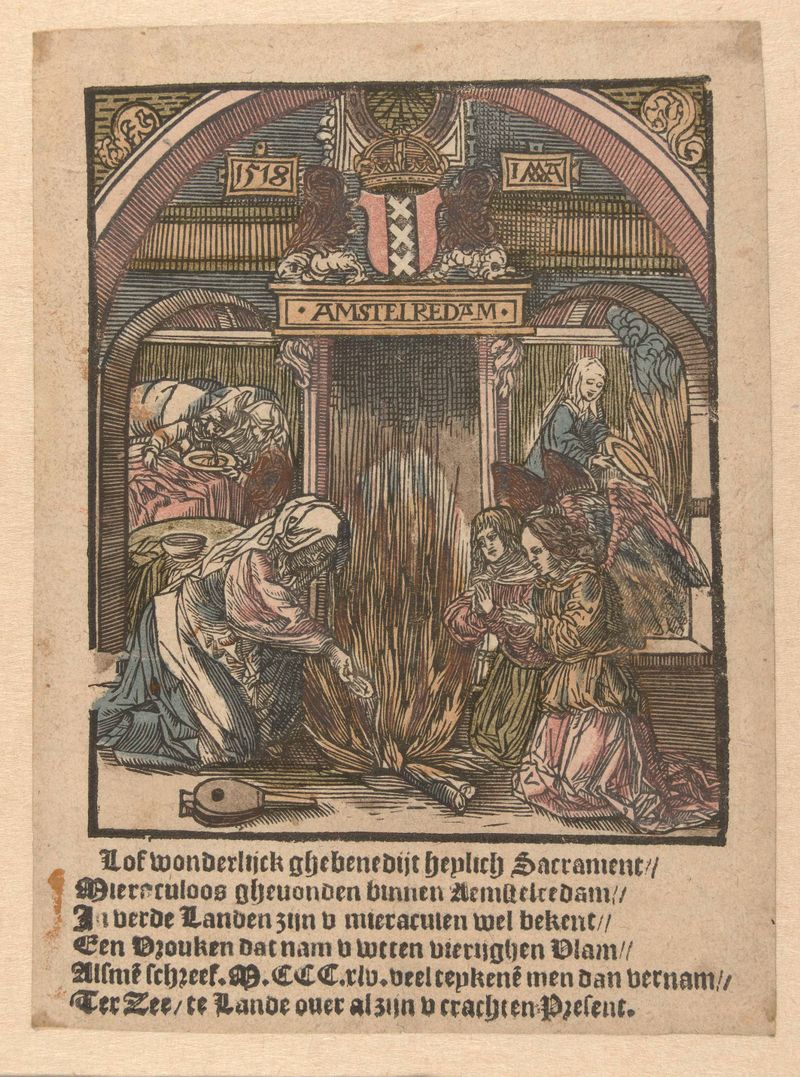
Het hostiewonder van Amsterdam
Jacob Cornelisz van Oostsanen
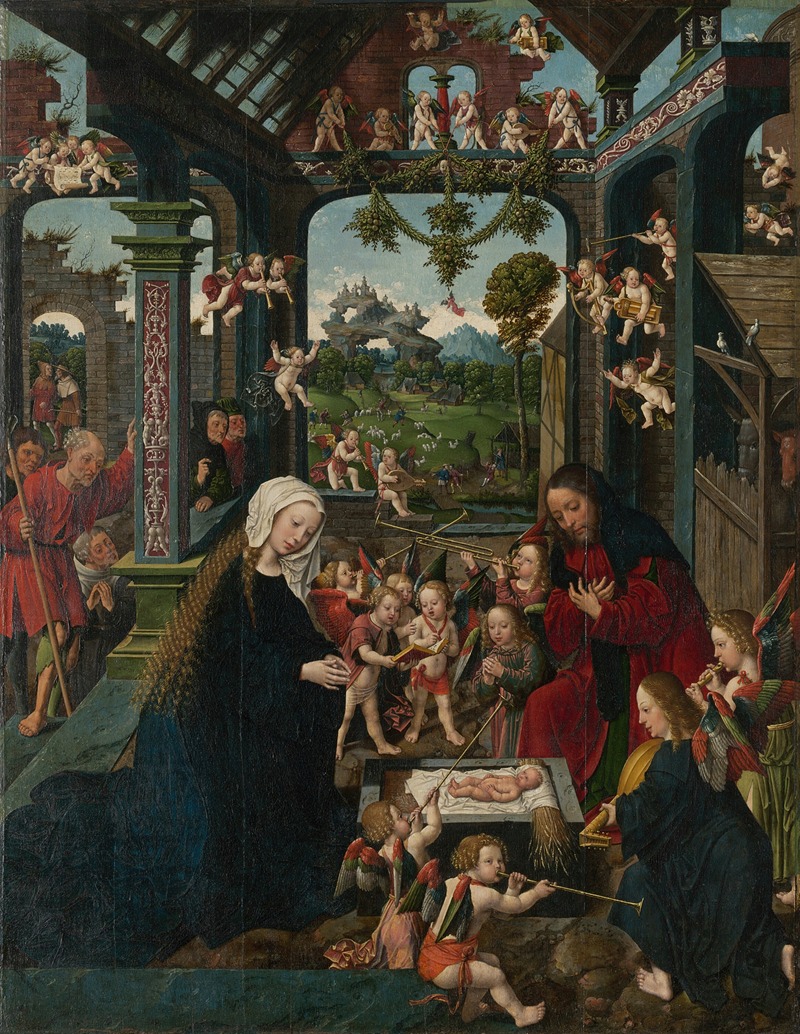
The Adoration of the Christ Child
Jacob Cornelisz van Oostsanen
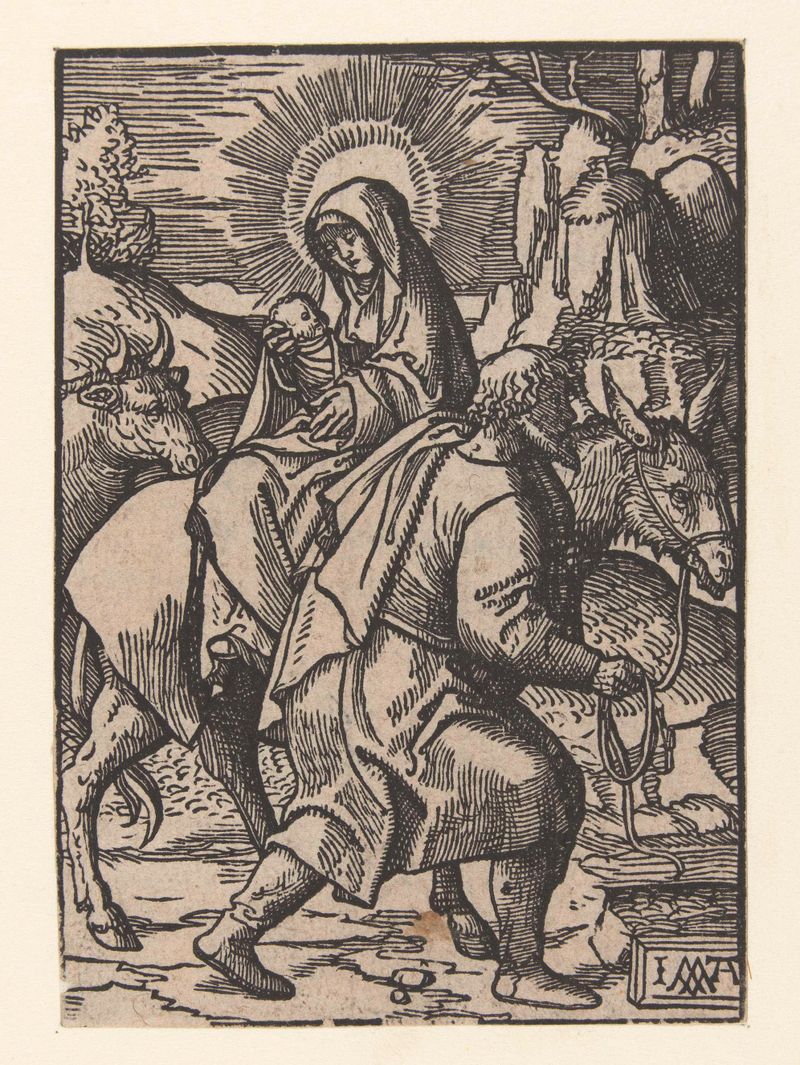
Vlucht naar Egypte
Jacob Cornelisz van Oostsanen
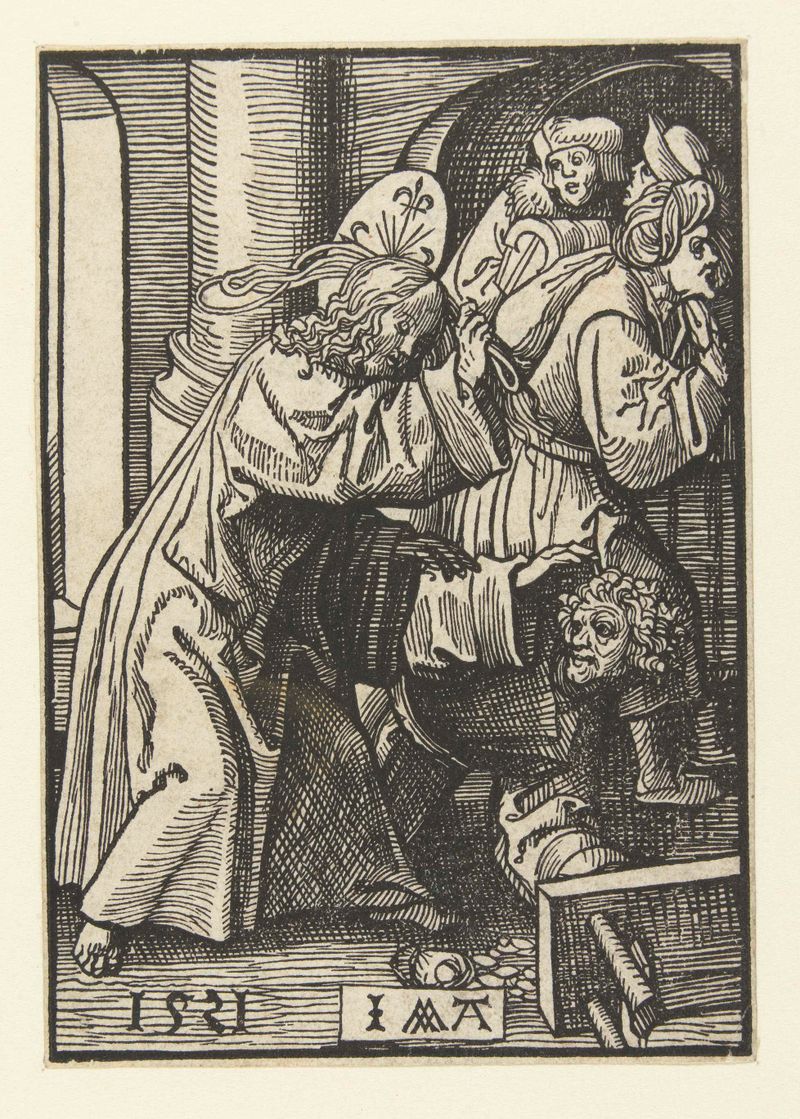
Verdrijving van de handelaren uit de tempel
Jacob Cornelisz van Oostsanen
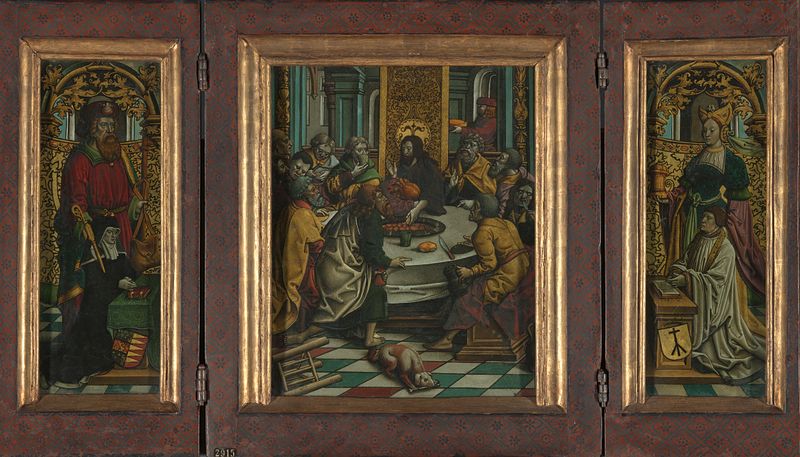
Triptych with the Last Supper and Donors
Jacob Cornelisz van Oostsanen
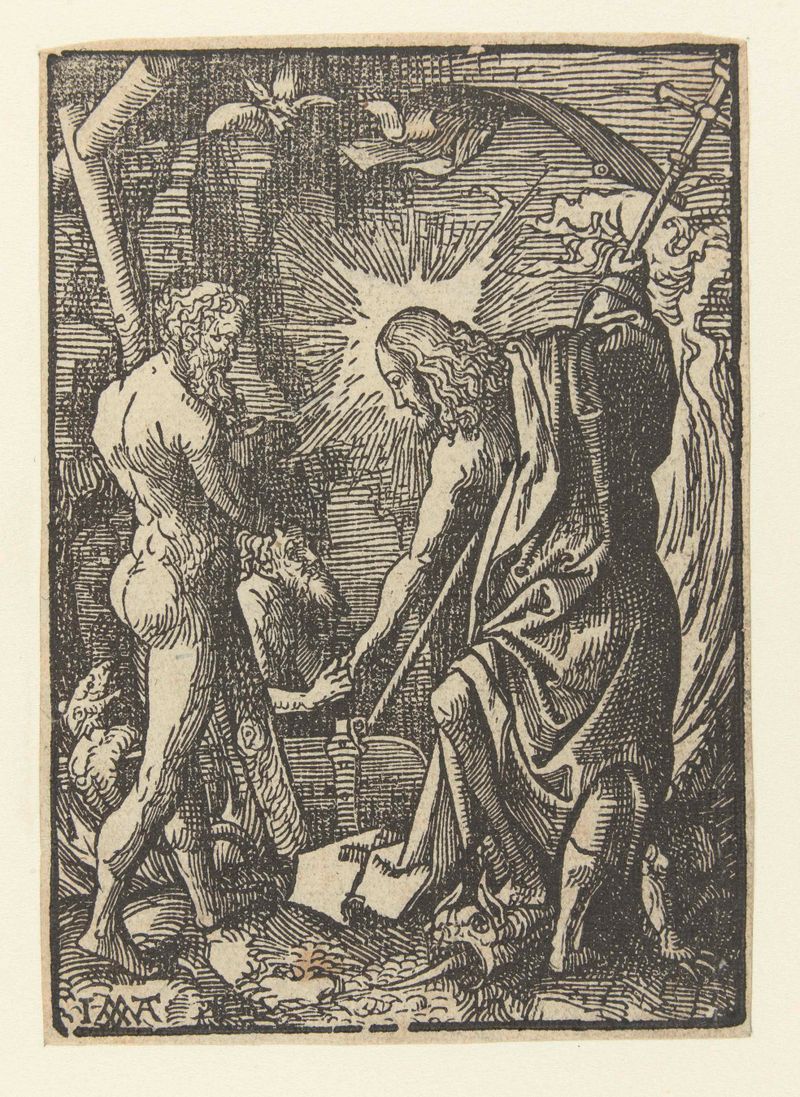
Christus in het voorgeborchte
Jacob Cornelisz van Oostsanen
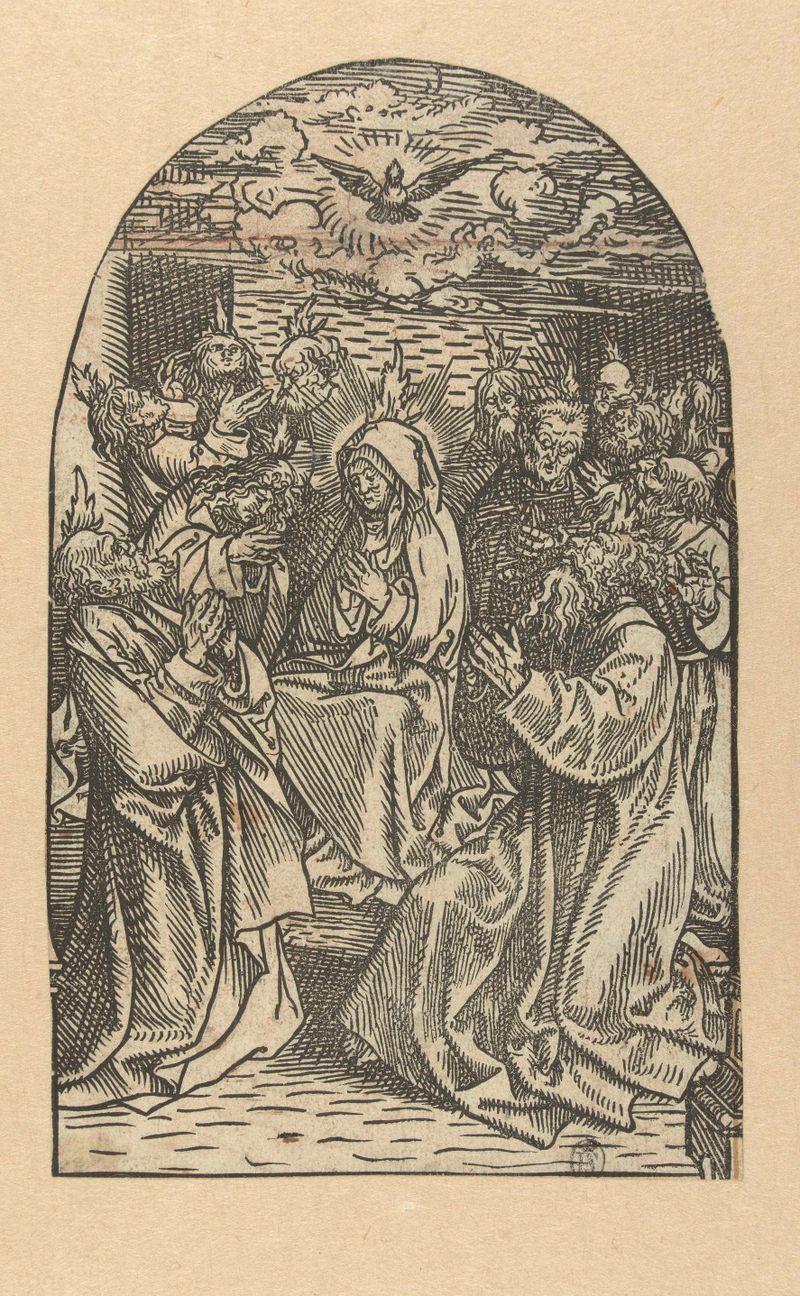
Uitstorting van de Heilige Geest
Jacob Cornelisz van Oostsanen
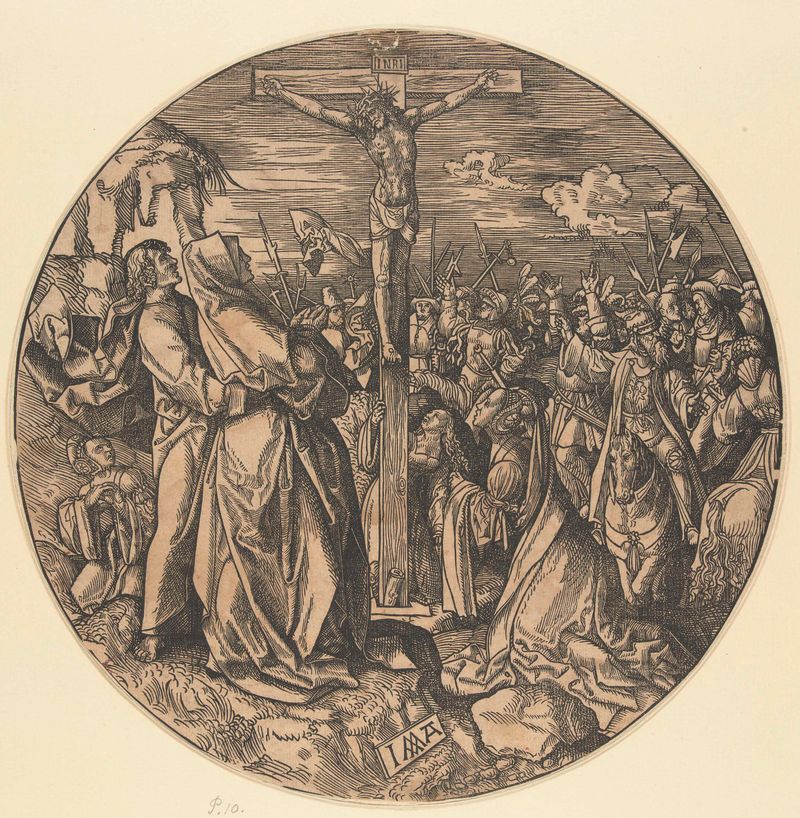
Christus aan het kruis
Jacob Cornelisz van Oostsanen

De kruisiging en de graflegging van Christus
Jacob Cornelisz van Oostsanen
More Religious Art
Browse all →
The Return of the Prodigal Son
Rembrandt van Rijn

The Garden of Earthly Delights
El Bosco

Count Orgaz’ funeral
El Greco

The Hundred Guilder Print: the central piece with Christ preaching, the plate arched
Rembrandt van Rijn

The Descent from the Cross
Rogier van der Weyden

The return of the prodigal son
Rembrandt van Rijn