
De hellevaart en de opstanding van Christus — History & Facts
This sentiment resonates profoundly within the evocative layers of this Renaissance masterpiece, where the interplay of light and shadow invites contemplation on the nature of resurrection and grace. Focus first on the central figure of Christ, illuminated against a dark background. The delicate brushwork captures every nuance of His expression, radiating both suffering and serenity. The use of gold leaf in the halos and divine light emphasizes not just holiness but the overwhelming contrast between earthly anguish and heavenly promise.
Look closely at the surrounding figures—each face tells a story, from the mournful to the hopeful, creating a tapestry of emotion that draws the viewer deeper into the narrative. In this artwork, the tension between death and resurrection is palpably felt. Notice how the subtle gesture of hands extended towards Christ reflects both desperation and faith, evoking a complex emotional response. The soft hues of the drapery contrast sharply with the starkness of the scene, symbolizing the thin veil that separates despair from salvation.
Each detail, from the spectral colors of the garments to the meticulously rendered expressions, adds to the overarching theme of transformation through suffering. Jacob Cornelisz van Oostsanen painted this work in 1520, during a period characterized by the shift towards humanism in art. Based in Amsterdam, he was at the forefront of the Northern Renaissance, where themes of spirituality began to intertwine more intimately with human emotion. This moment in history saw a burgeoning interest in individual expression, and this piece reflects the artist’s engagement with contemporary theological debates and the cultural climate of his time.
More Artworks by Jacob Cornelisz van Oostsanen
Browse all →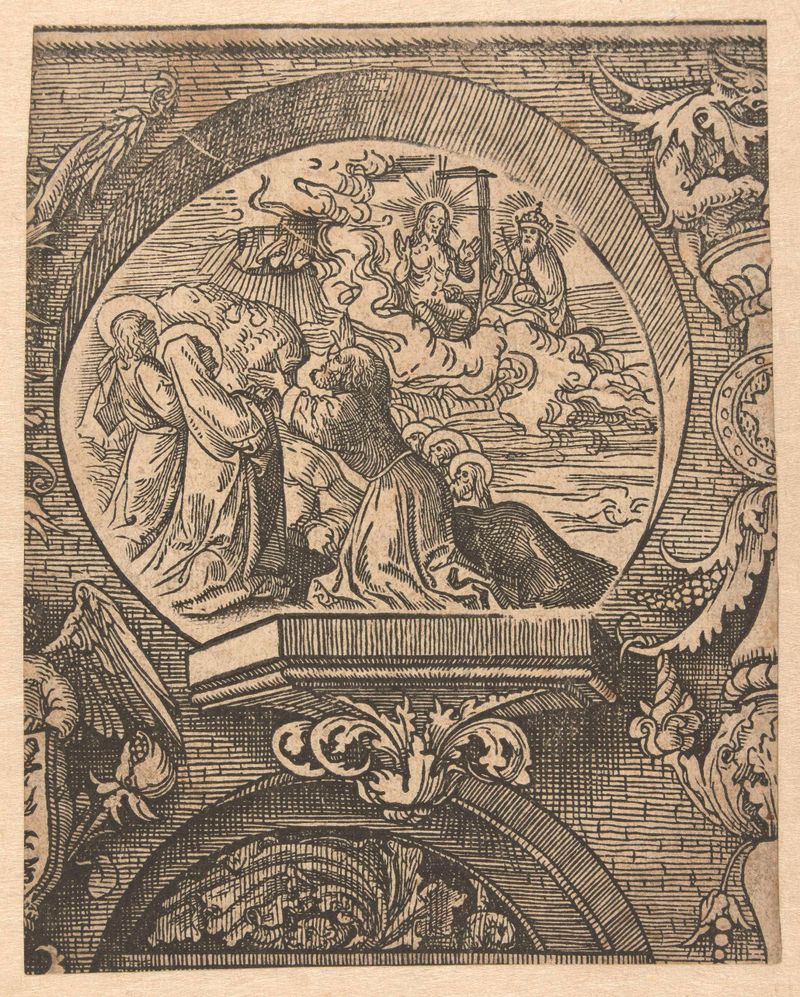
De hemelvaart en Christus voor God de Vader
Jacob Cornelisz van Oostsanen
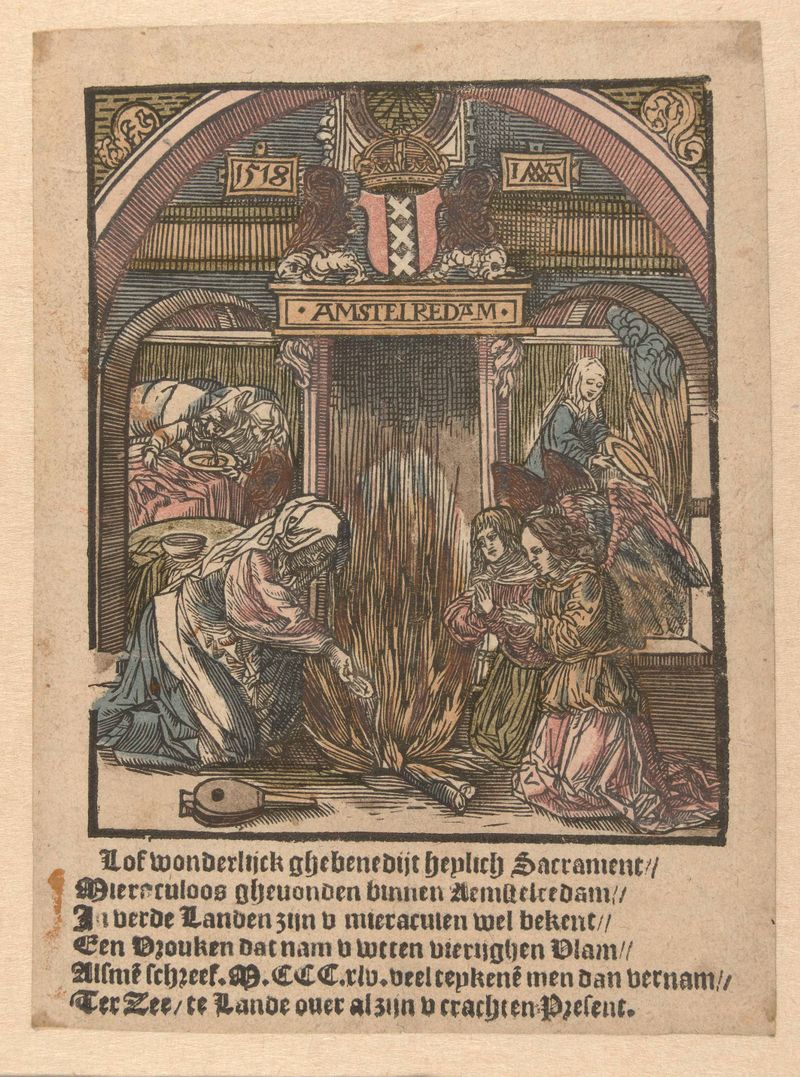
Het hostiewonder van Amsterdam
Jacob Cornelisz van Oostsanen
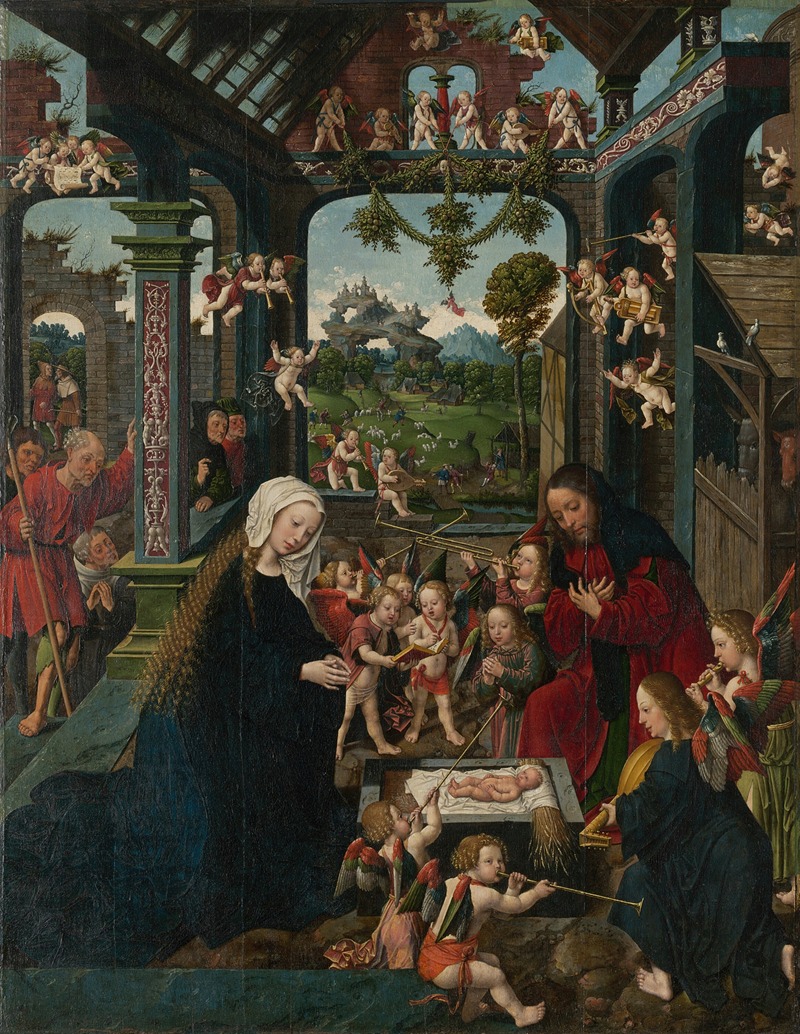
The Adoration of the Christ Child
Jacob Cornelisz van Oostsanen
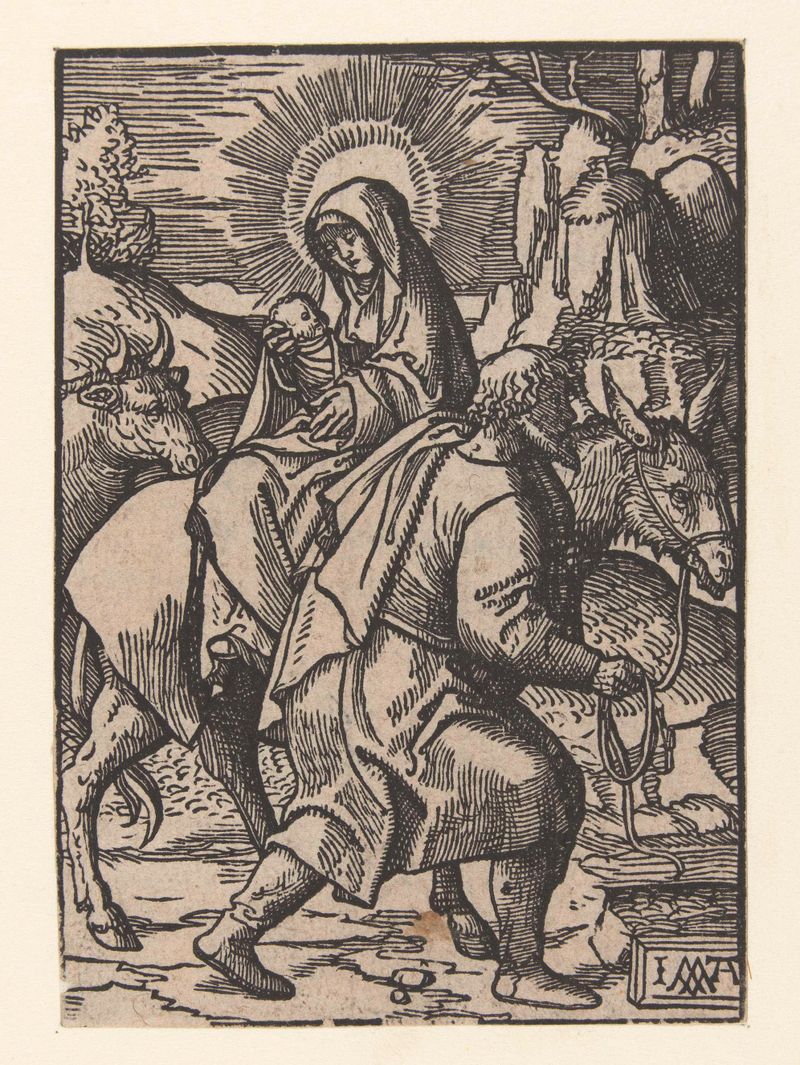
Vlucht naar Egypte
Jacob Cornelisz van Oostsanen
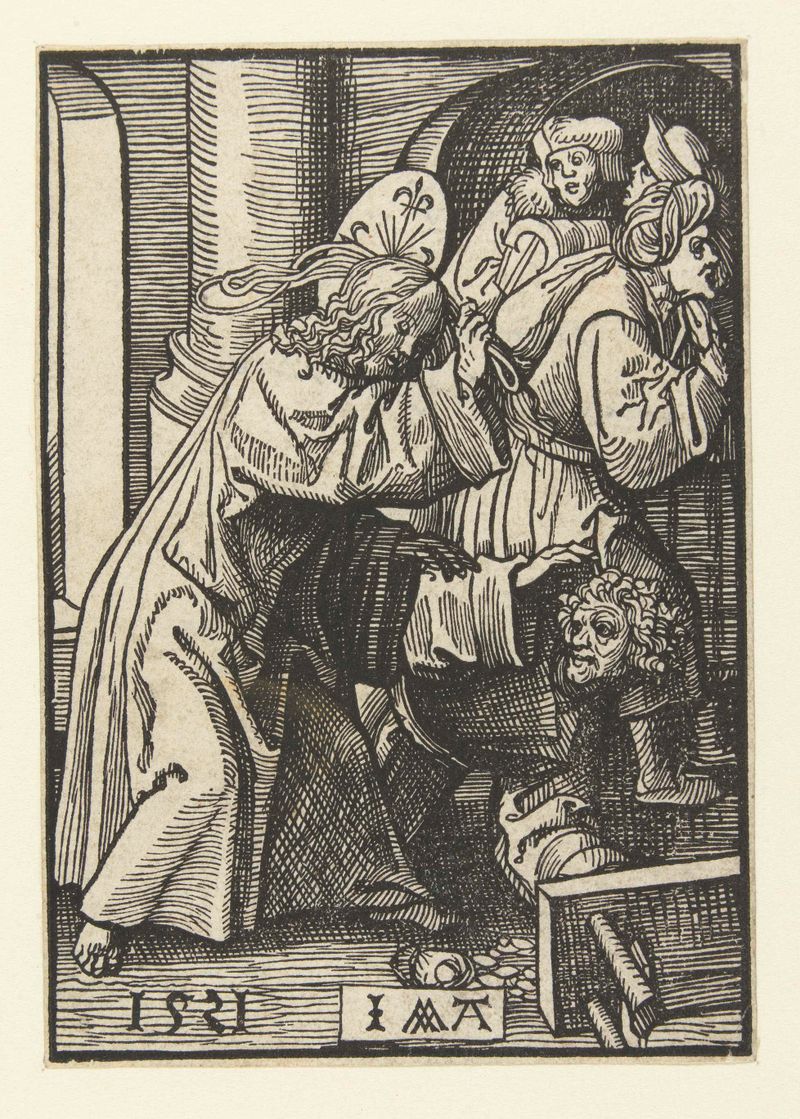
Verdrijving van de handelaren uit de tempel
Jacob Cornelisz van Oostsanen
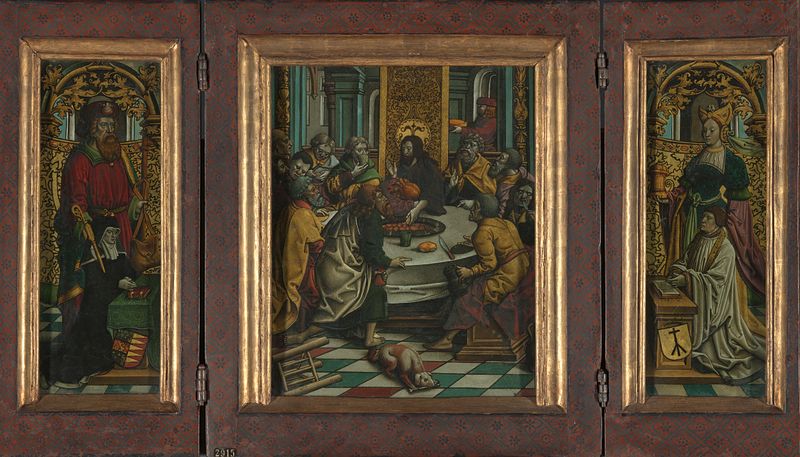
Triptych with the Last Supper and Donors
Jacob Cornelisz van Oostsanen
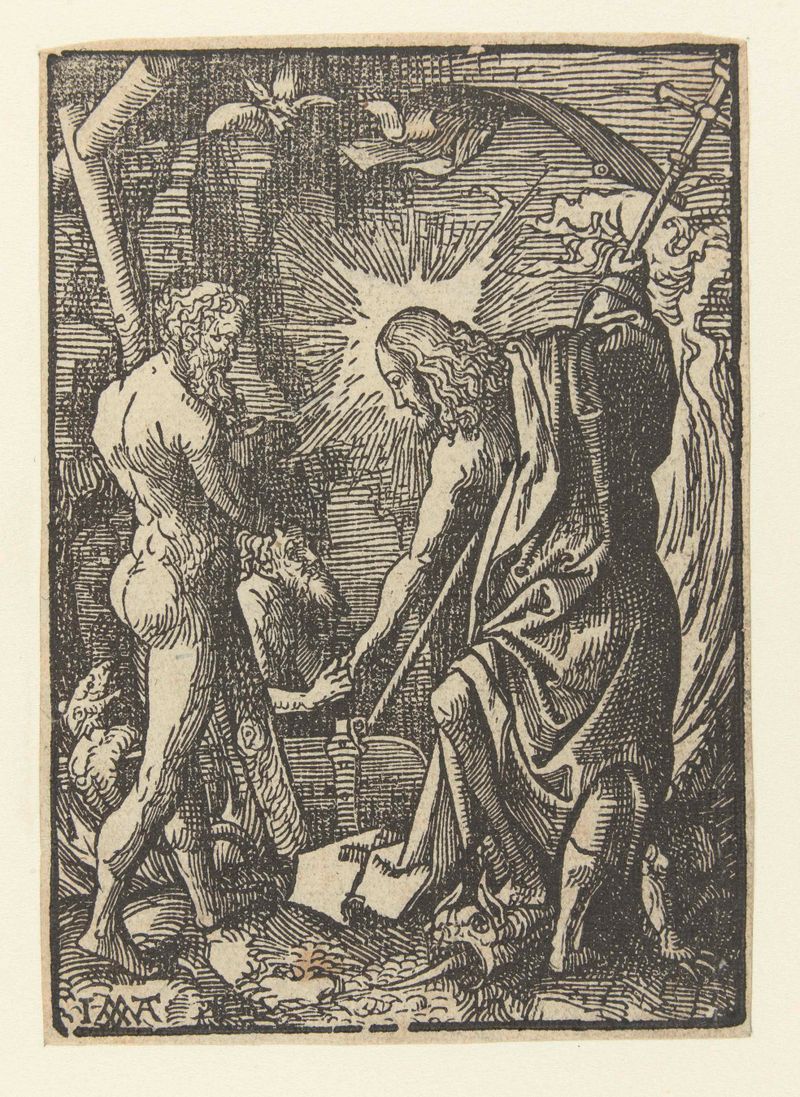
Christus in het voorgeborchte
Jacob Cornelisz van Oostsanen
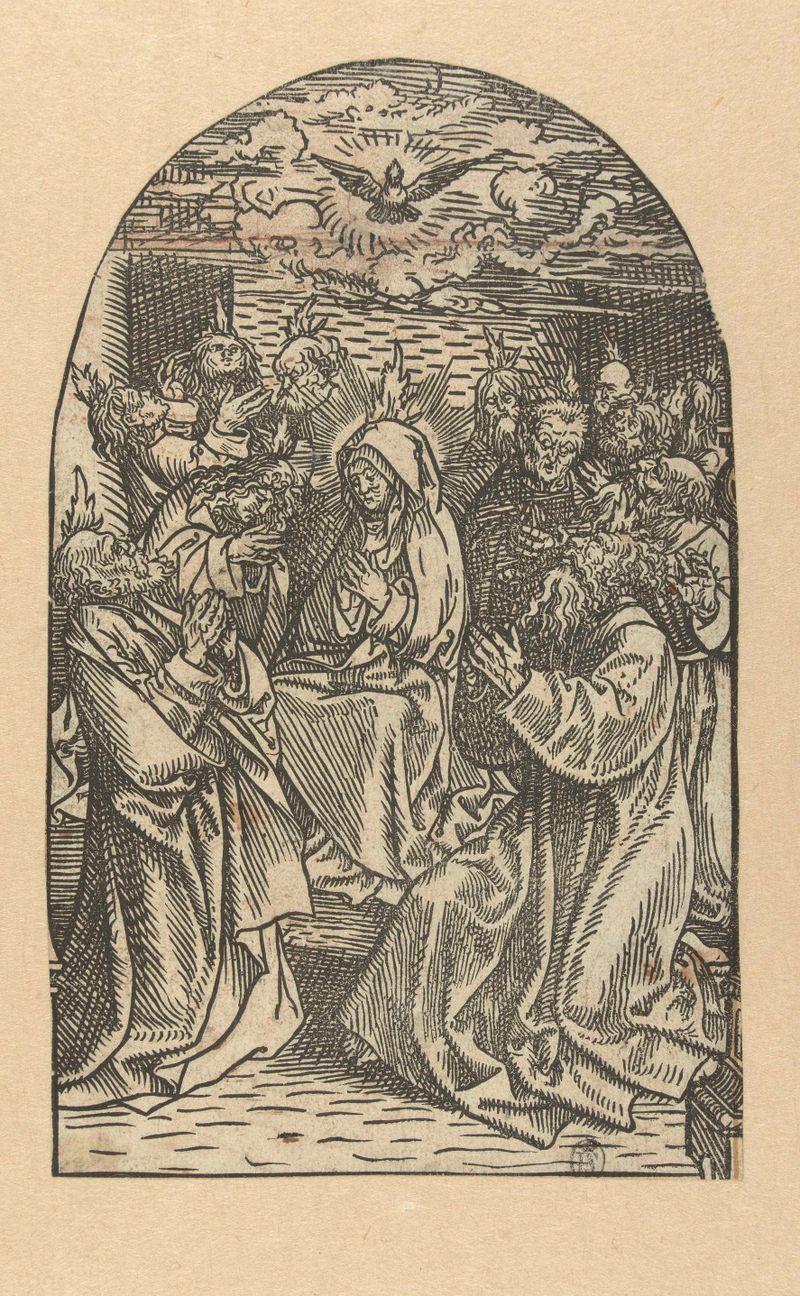
Uitstorting van de Heilige Geest
Jacob Cornelisz van Oostsanen
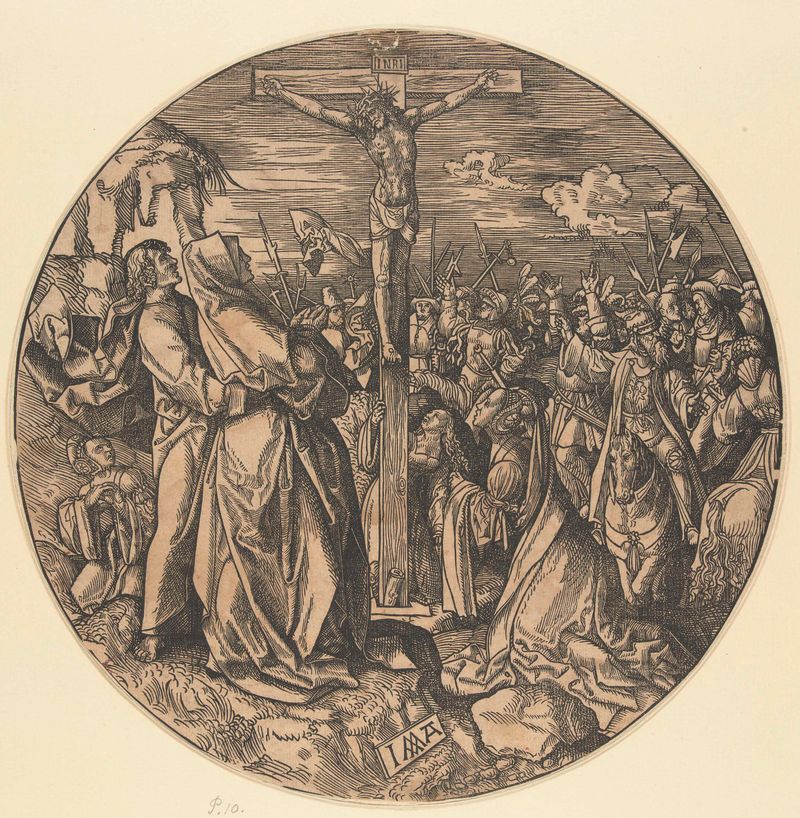
Christus aan het kruis
Jacob Cornelisz van Oostsanen

De kruisiging en de graflegging van Christus
Jacob Cornelisz van Oostsanen
More Religious Art
Browse all →
The Return of the Prodigal Son
Rembrandt van Rijn

The Garden of Earthly Delights
El Bosco

Count Orgaz’ funeral
El Greco

The Hundred Guilder Print: the central piece with Christ preaching, the plate arched
Rembrandt van Rijn

The Descent from the Cross
Rogier van der Weyden

The return of the prodigal son
Rembrandt van Rijn