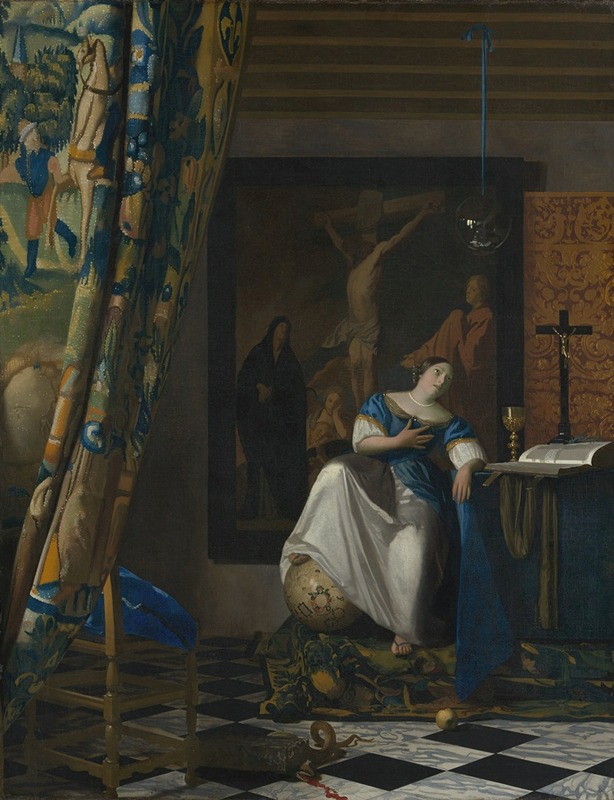
De hertog en de Dood — History & Facts
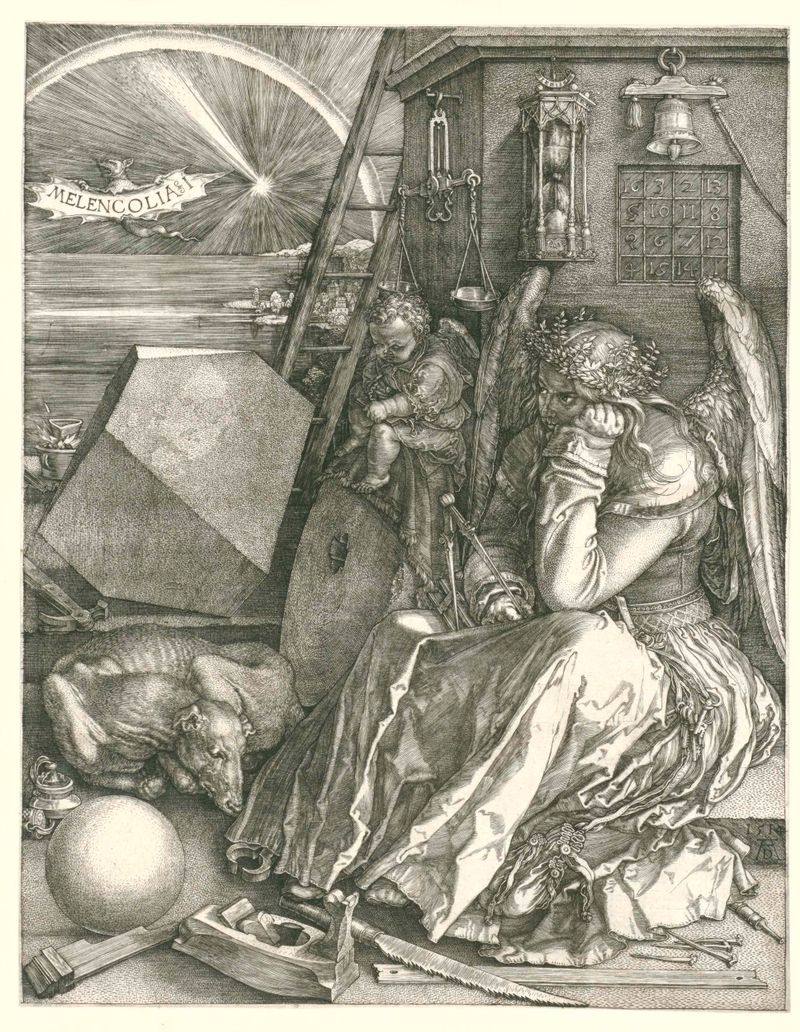
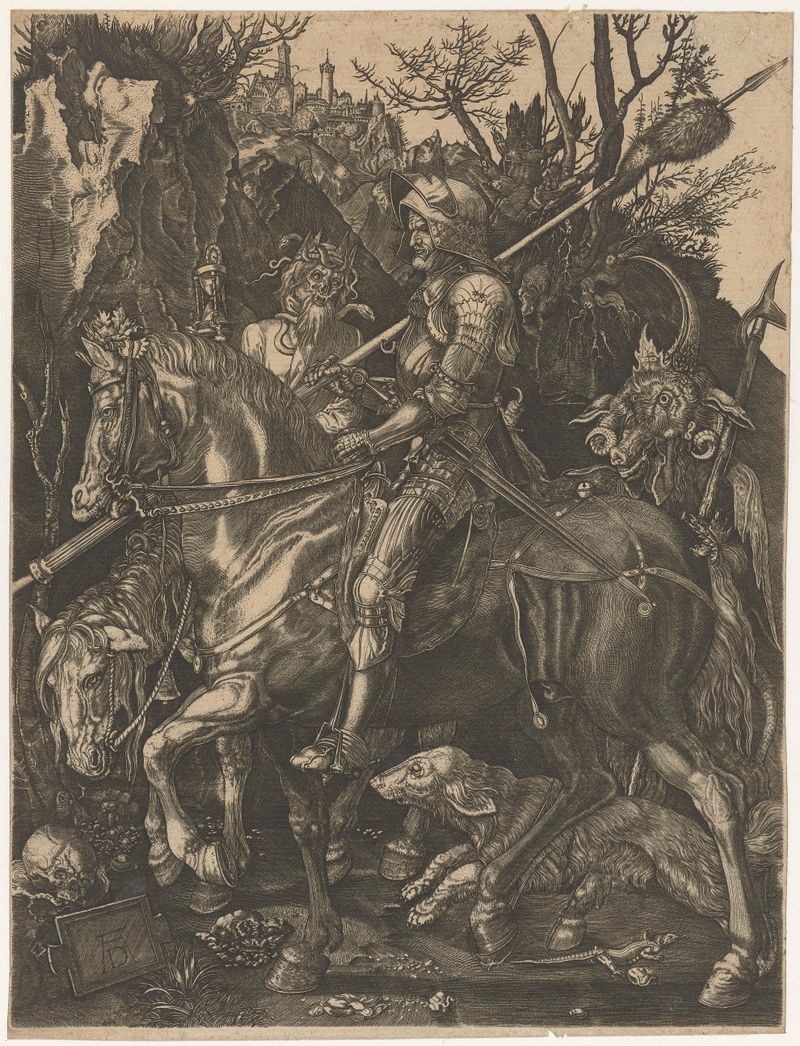
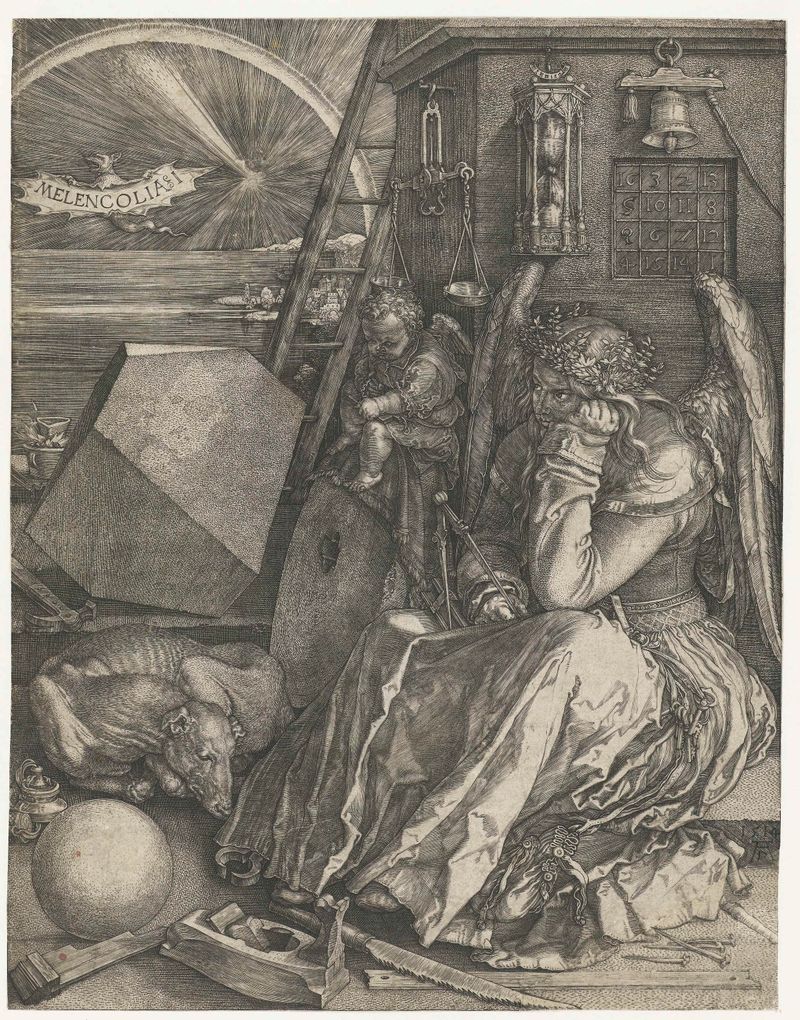
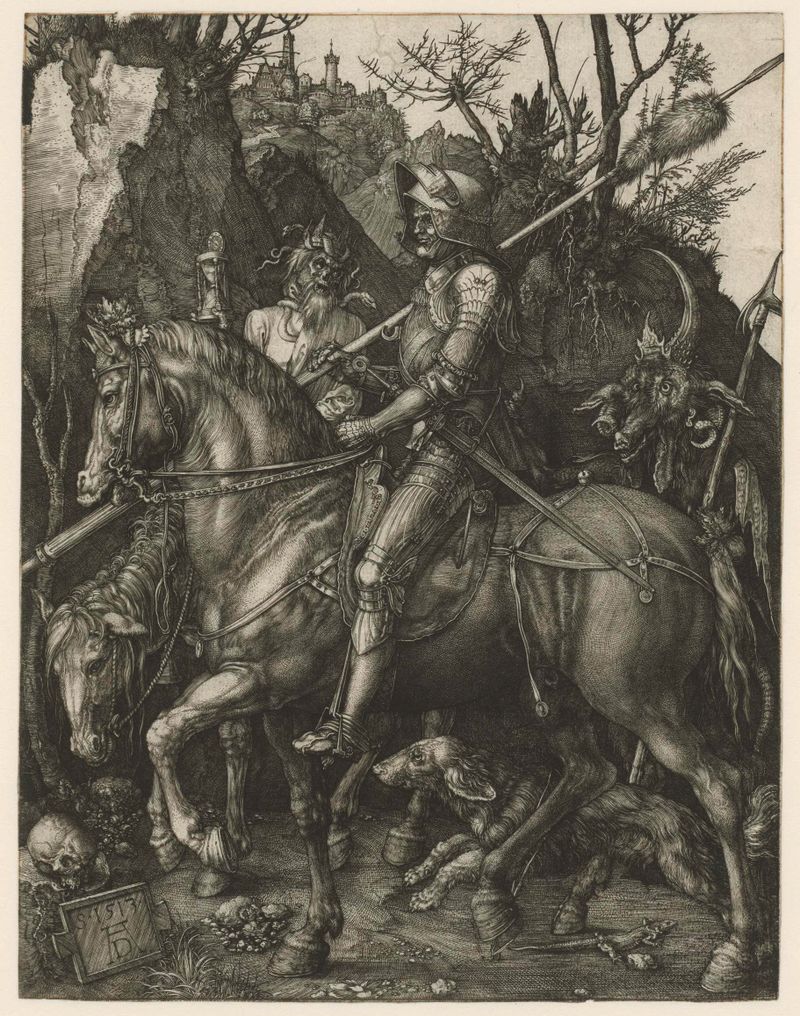
This phrase whispers the subtle betrayal that often lingers just beneath the surface of our lives. A moment captured in time can reveal much more than mere appearances. Look closely at the composition and you'll find the stark contrast of light and shadow defining the central figures. The duke, regal and imposing, stands at the forefront, while death lurks ominously behind him, draped in darkness and waiting patiently.
Notice the delicate interplay of warm hues around the duke’s attire, which serves as a stark juxtaposition to the cool, muted tones enveloping the figure of death. This careful selection of color not only establishes a visual hierarchy but deepens the tension between life and its inevitable end. As you delve deeper, observe the haunting expression upon the duke’s face; it is one of both recognition and denial. The slight turning of his head suggests awareness of the encroaching demise yet a reluctance to fully confront it.
This tension is accentuated by the way death’s skeletal hand reaches almost tenderly for the duke, blurring the lines between menace and inevitability. It forces the viewer to question where loyalty truly lies—does the duke betray his own fate, or does he simply turn a blind eye to the truth? Wenceslaus Hollar created De hertog en de Dood around 1680, during a time when the Baroque movement was flourishing in Europe. Living in Antwerp, he was deeply influenced by the intricate details and dramatic expressions prevalent at that time.
This period of his life was marked by a fruitful exploration of etching, a medium that allowed him to convey both grandeur and vulnerability in his work, reflecting the complexities of human existence and the omnipresence of mortality.
More Artworks by Wenceslaus Hollar
Browse all →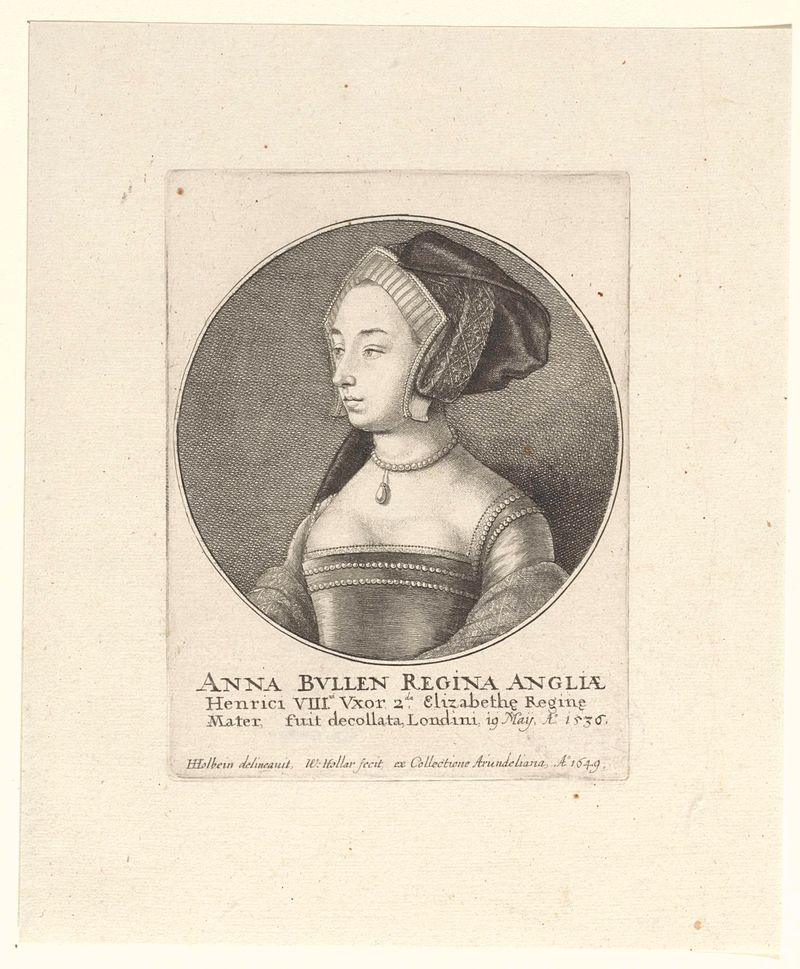
Portret van Anna Boleyn, koningin van Engeland
Wenceslaus Hollar
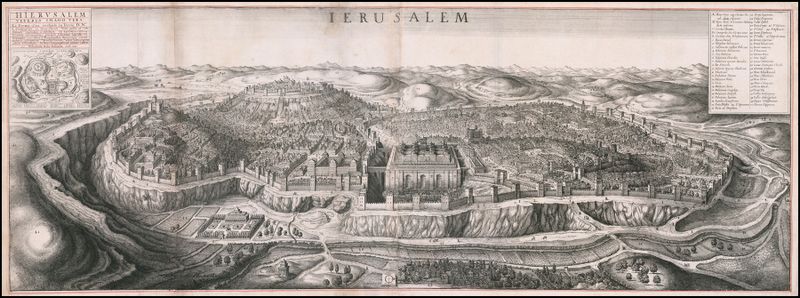
Bird’s eye view of Jerusalem
Wenceslaus Hollar
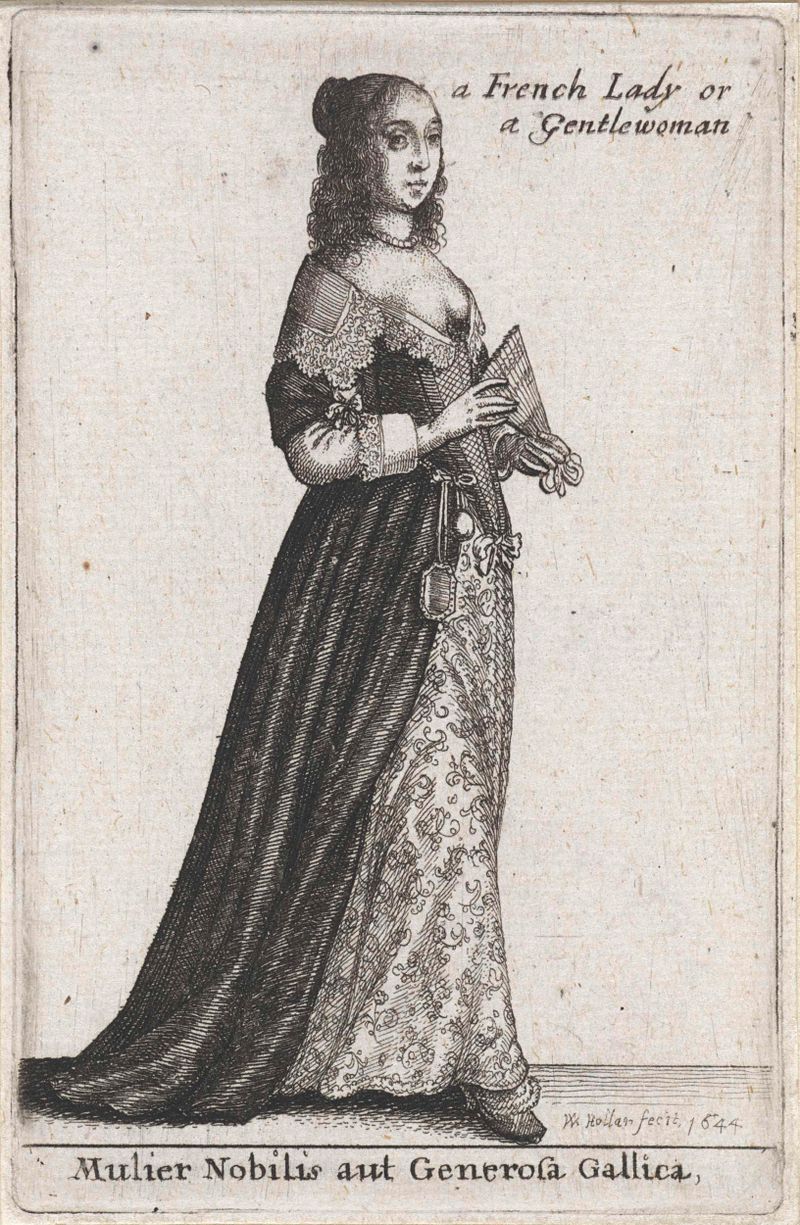
Mulier Nobilis aut Generosa Gallica / a French Lady or Gentlewoman
Wenceslaus Hollar
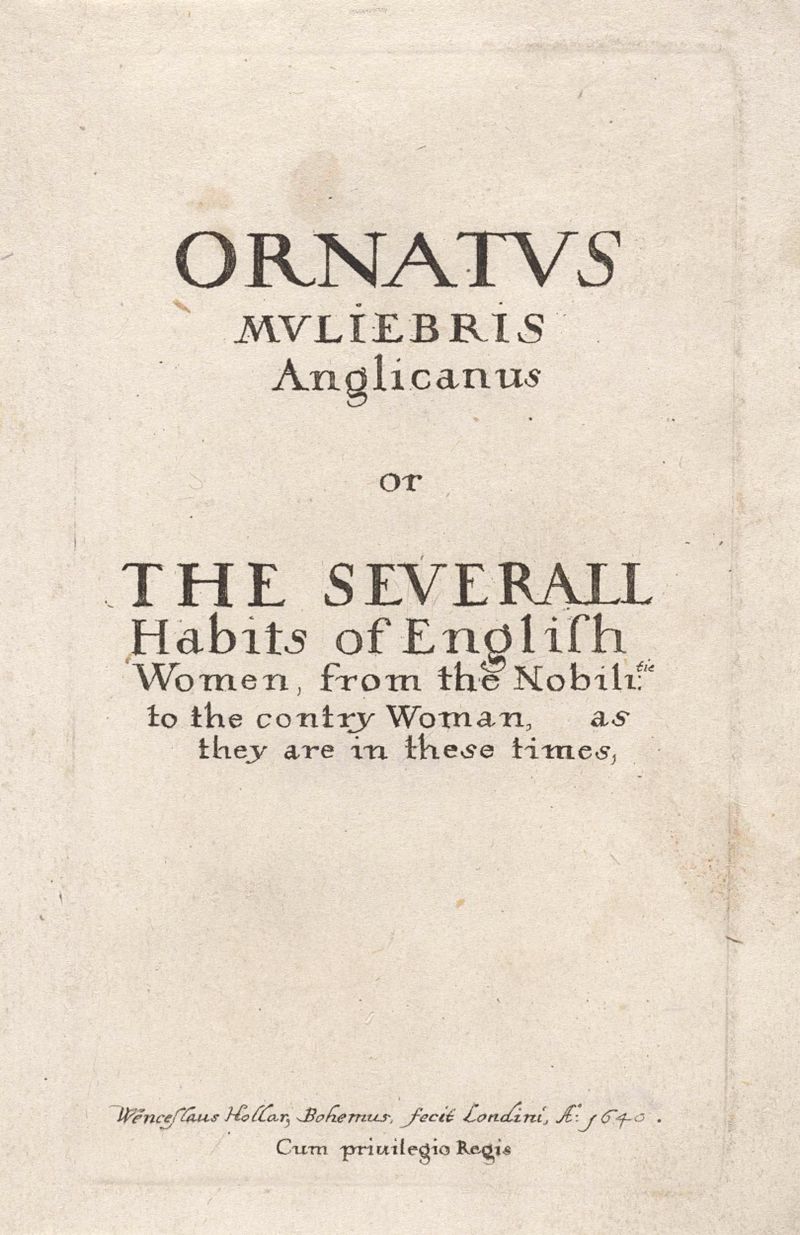
Titelprent voor: Ornatus Muliebris Anglicanus
Wenceslaus Hollar
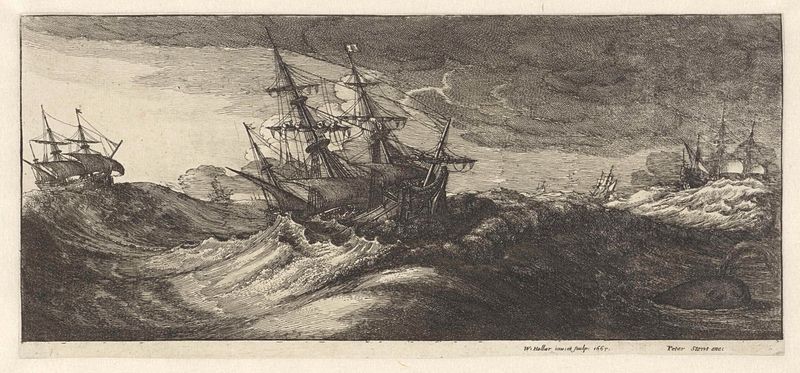
Oorlogsschepen en een walvis in een zeestorm
Wenceslaus Hollar
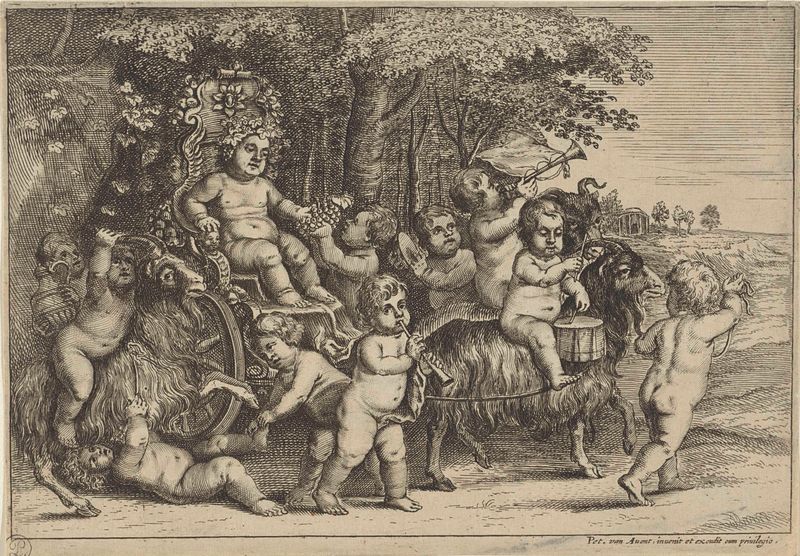
Optocht van bacchant en jongetjes op geiten
Wenceslaus Hollar
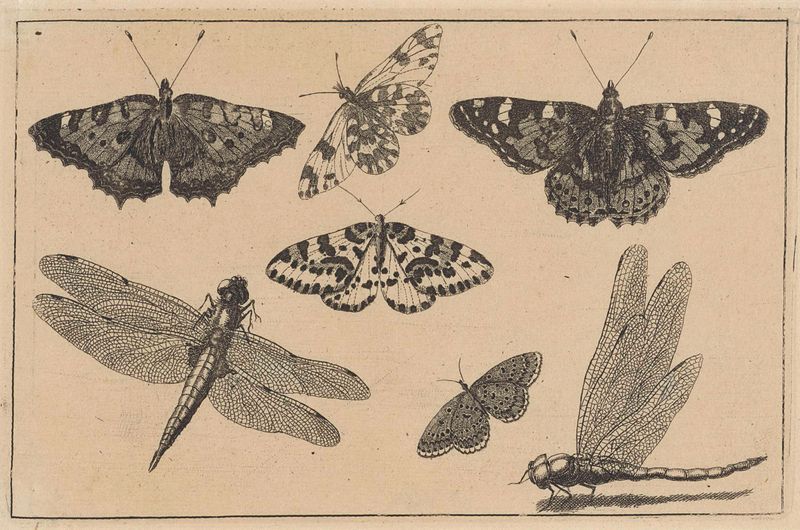
Twee libellen en vijf vlinders
Wenceslaus Hollar
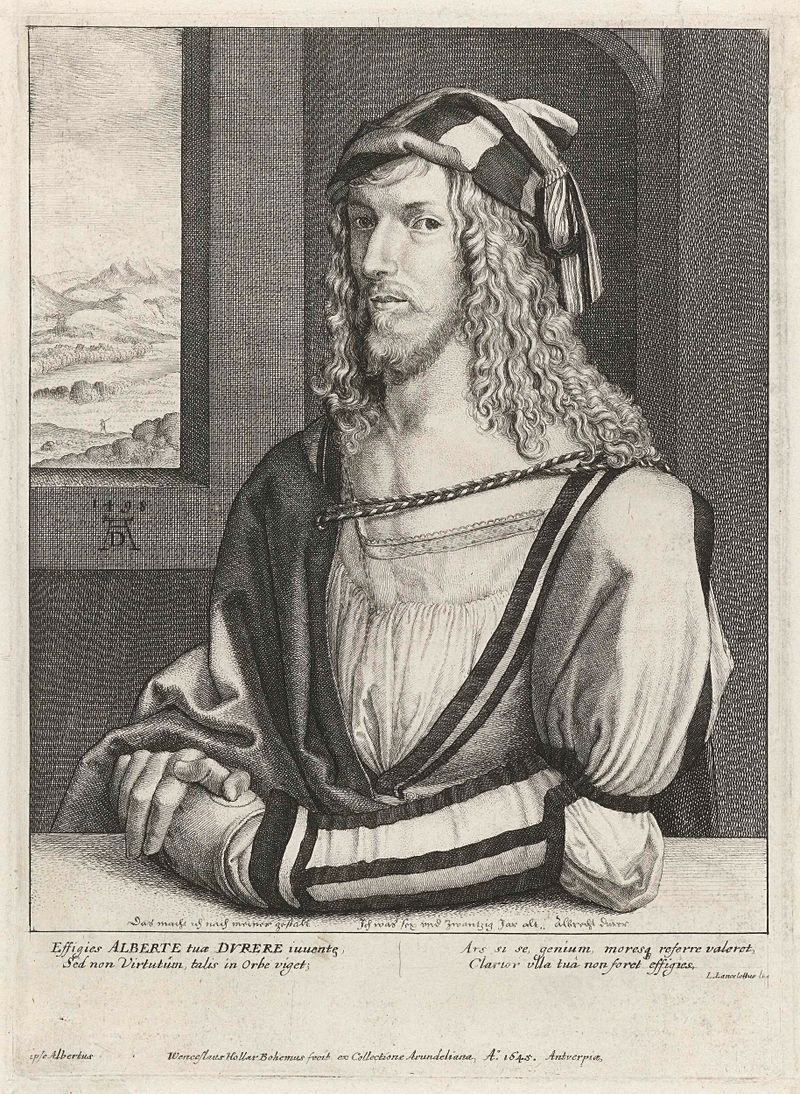
Portret van Albrecht Dürer
Wenceslaus Hollar
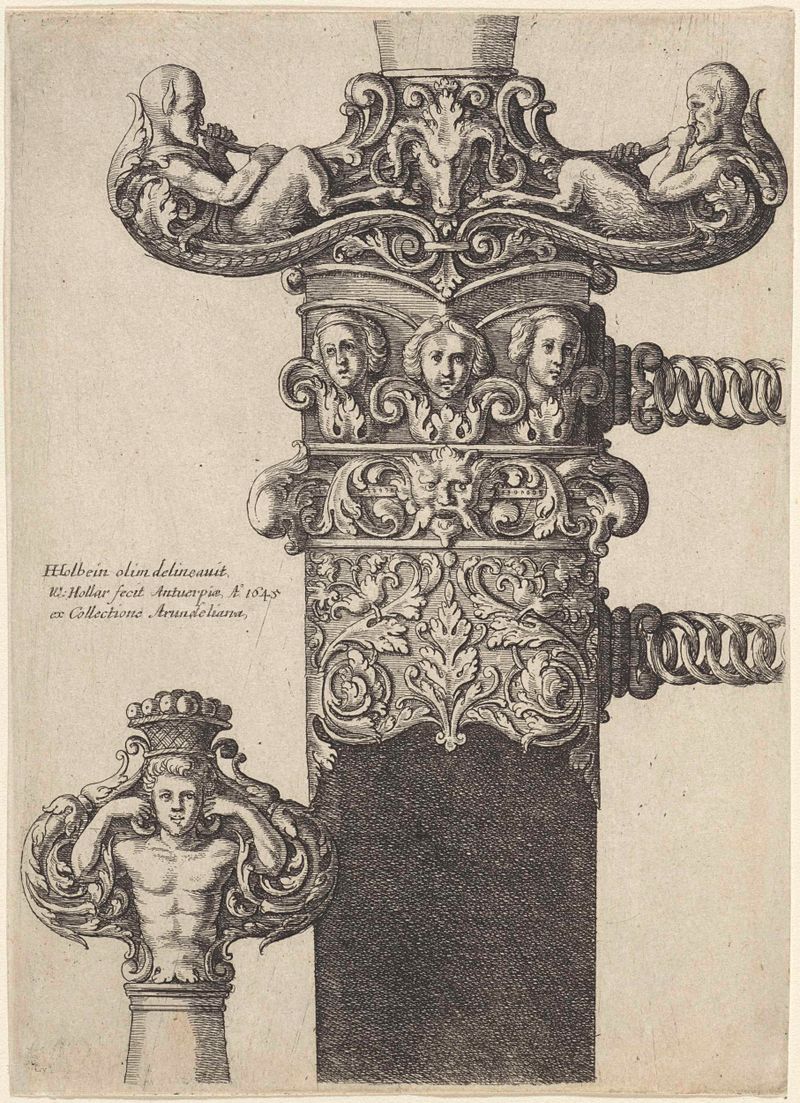
Ornamenteel ontwerp voor een dolk
Wenceslaus Hollar
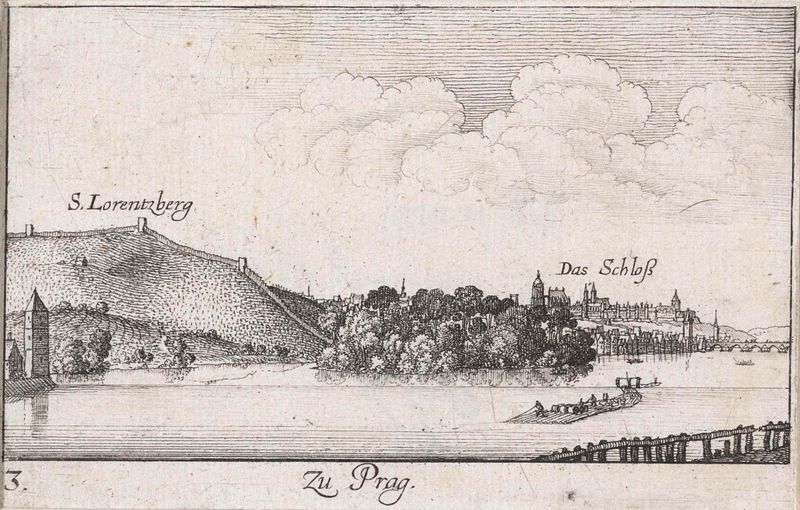
Gezicht op Praag vanaf de Moldau
Wenceslaus Hollar