
De hertog en de Dood — History & Facts
What if silence could speak through light? In Wenceslaus Hollar's De hertog en de Dood, the hushed intensity of truth emerges not just from the figures depicted but from the haunting interplay of light and shadow that envelops them. Look to the center of the composition, where the imposing figure of Death looms over the Duke, a stark contrast in both posture and expression. The somber palette, with its muted browns and greys, evokes a heavy sense of foreboding, while the delicate lines of Hollar’s etching reveal exquisite detail in the Duke’s pensive countenance. Notice how the gentle illumination highlights the Duke's furrowed brow, suggesting his struggle against fate, while the skeletal hand of Death reaches forward, an inevitable reminder of mortality. Delve deeper into the interplay of space and emotion; the Duke's position hints at both vulnerability and defiance.
The empty void surrounding him amplifies the isolation of his plight, contrasting with the firm grasp of Death, which symbolizes the inescapability of life's end. This tension between the figures underscores a profound reflection on existence and the relentless passage of time, inviting viewers to confront their own truths. Created in 1651, this work emerged during a period marked by upheaval and the aftermath of the Thirty Years' War, a time when mortality was a pervasive theme in art. Hollar, a Czech engraver who spent much of his career in England, sought to capture the human condition through his meticulous and evocative etchings.
This piece embodies both a personal and societal contemplation of death, reflecting not only his artistic pursuits but the collective consciousness of a world grappling with loss.
More Artworks by Wenceslaus Hollar
Browse all →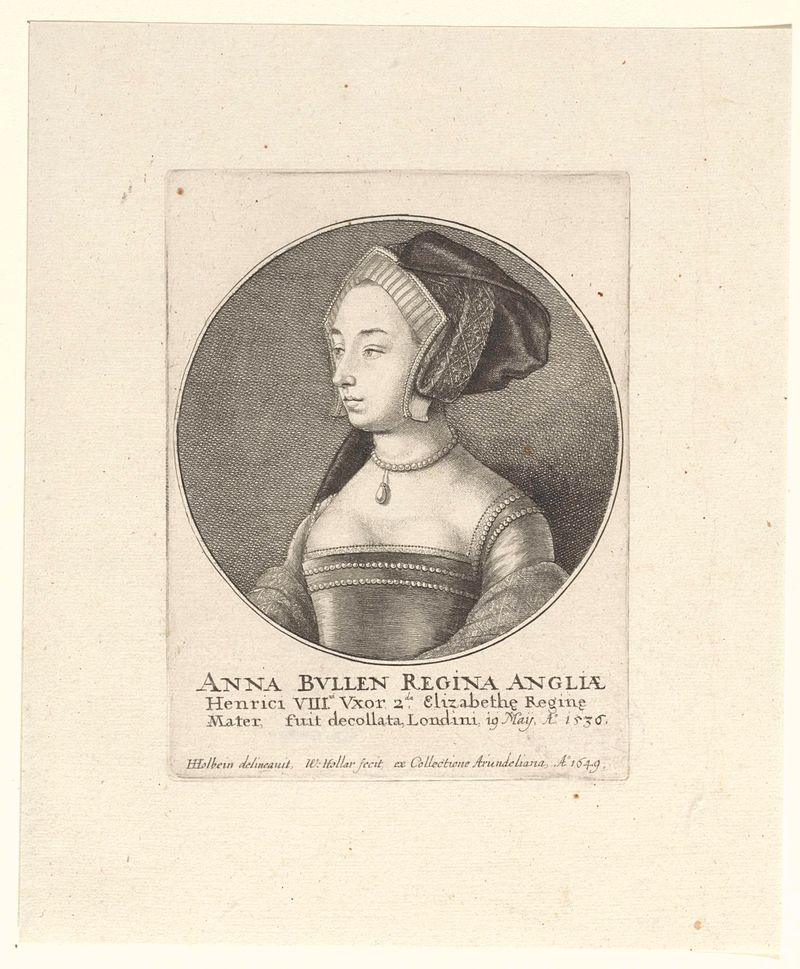
Portret van Anna Boleyn, koningin van Engeland
Wenceslaus Hollar
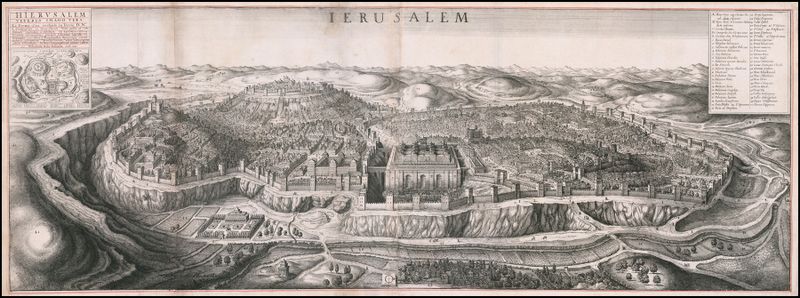
Bird’s eye view of Jerusalem
Wenceslaus Hollar
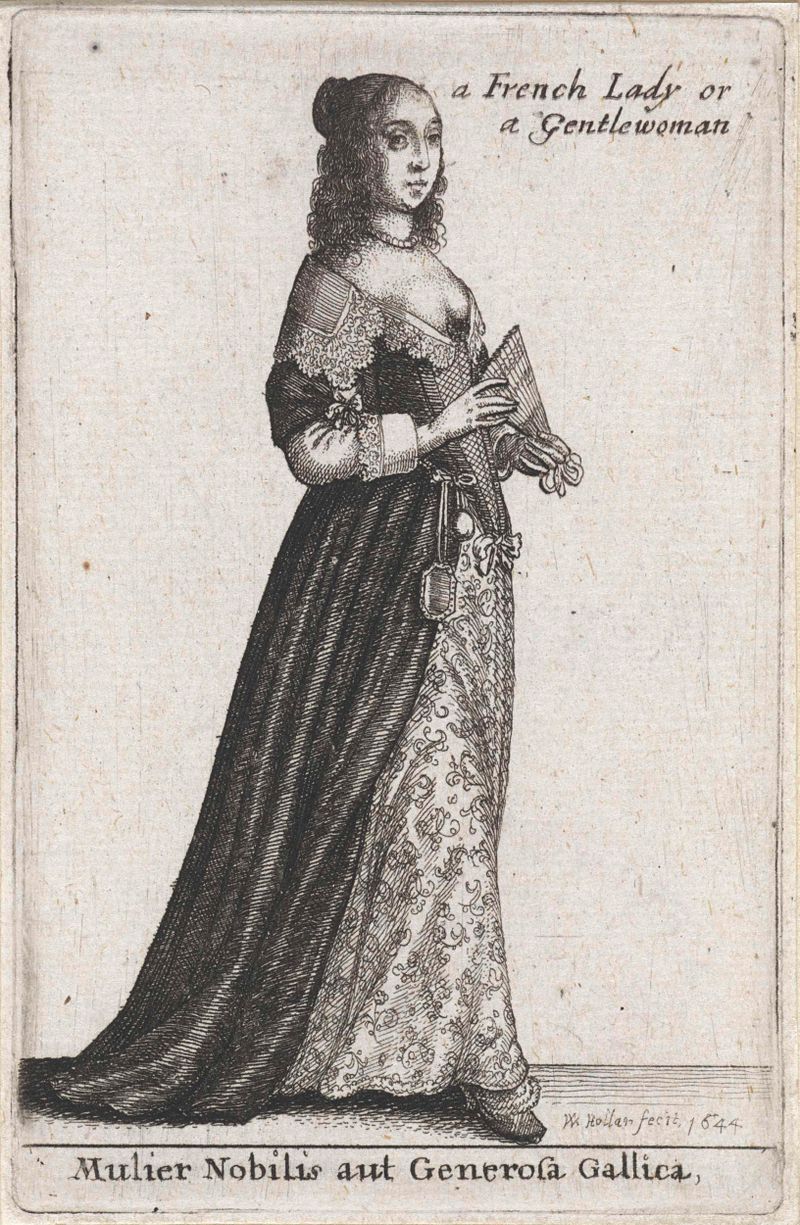
Mulier Nobilis aut Generosa Gallica / a French Lady or Gentlewoman
Wenceslaus Hollar
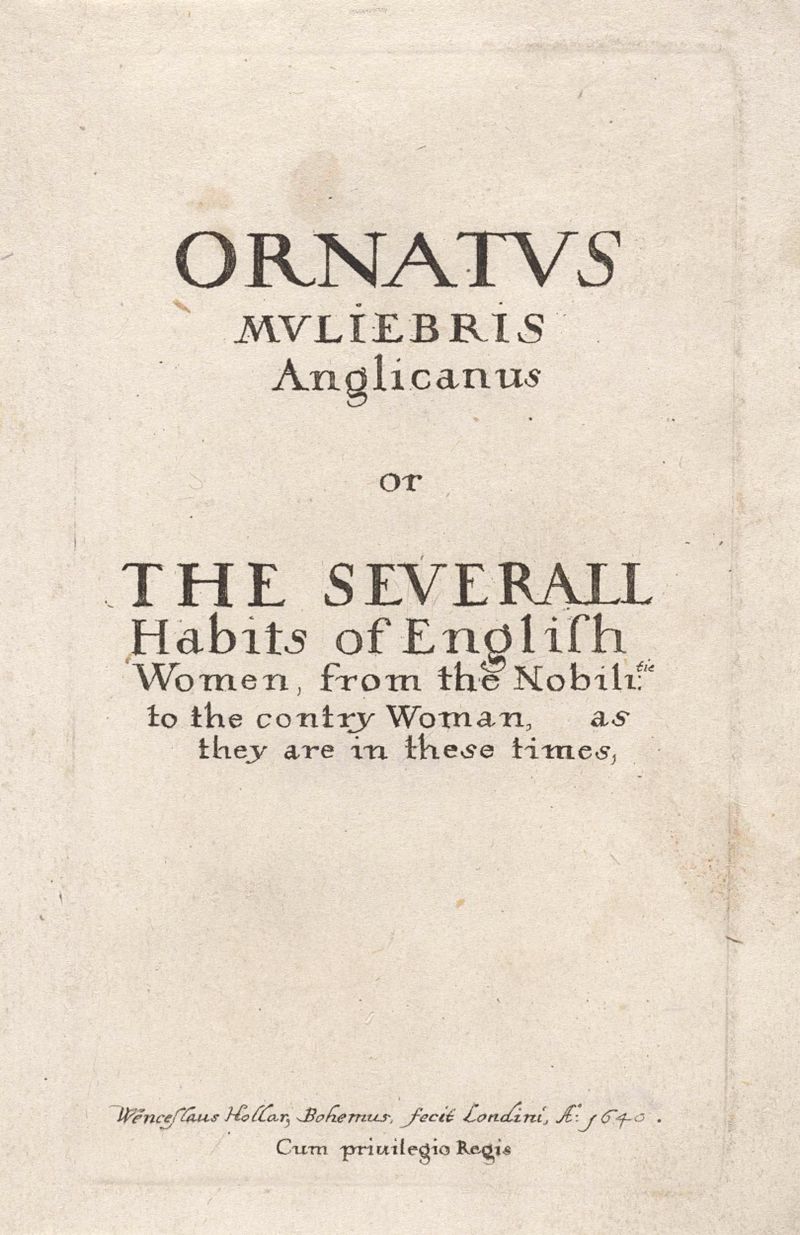
Titelprent voor: Ornatus Muliebris Anglicanus
Wenceslaus Hollar
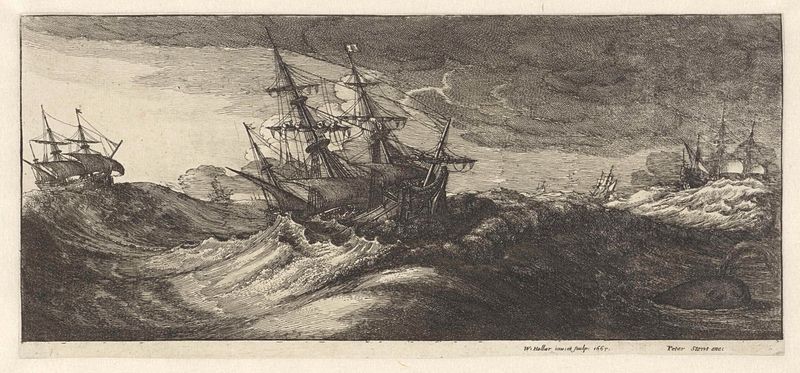
Oorlogsschepen en een walvis in een zeestorm
Wenceslaus Hollar
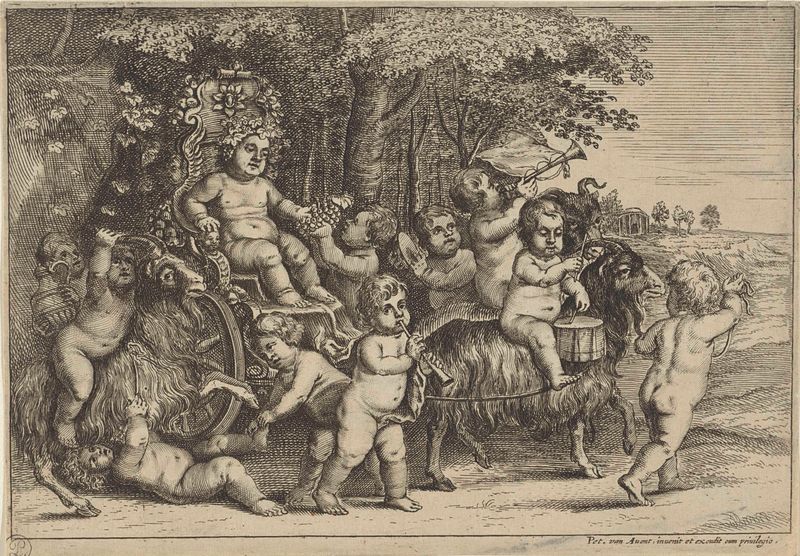
Optocht van bacchant en jongetjes op geiten
Wenceslaus Hollar
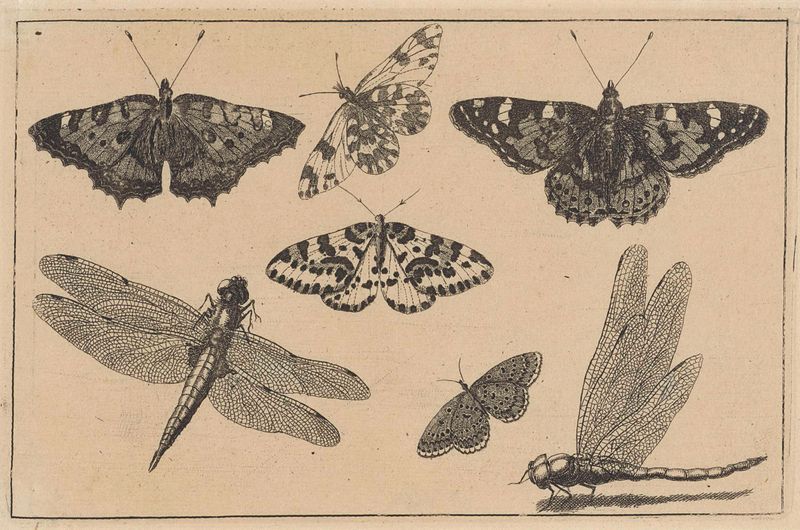
Twee libellen en vijf vlinders
Wenceslaus Hollar
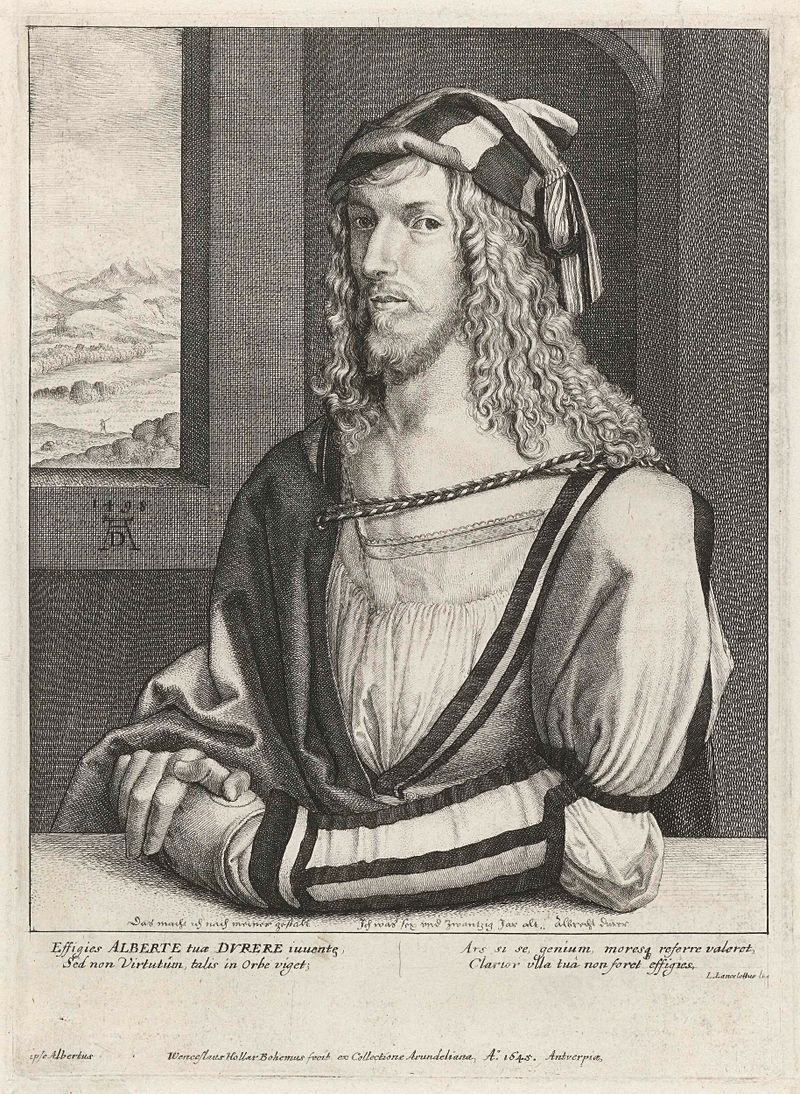
Portret van Albrecht Dürer
Wenceslaus Hollar
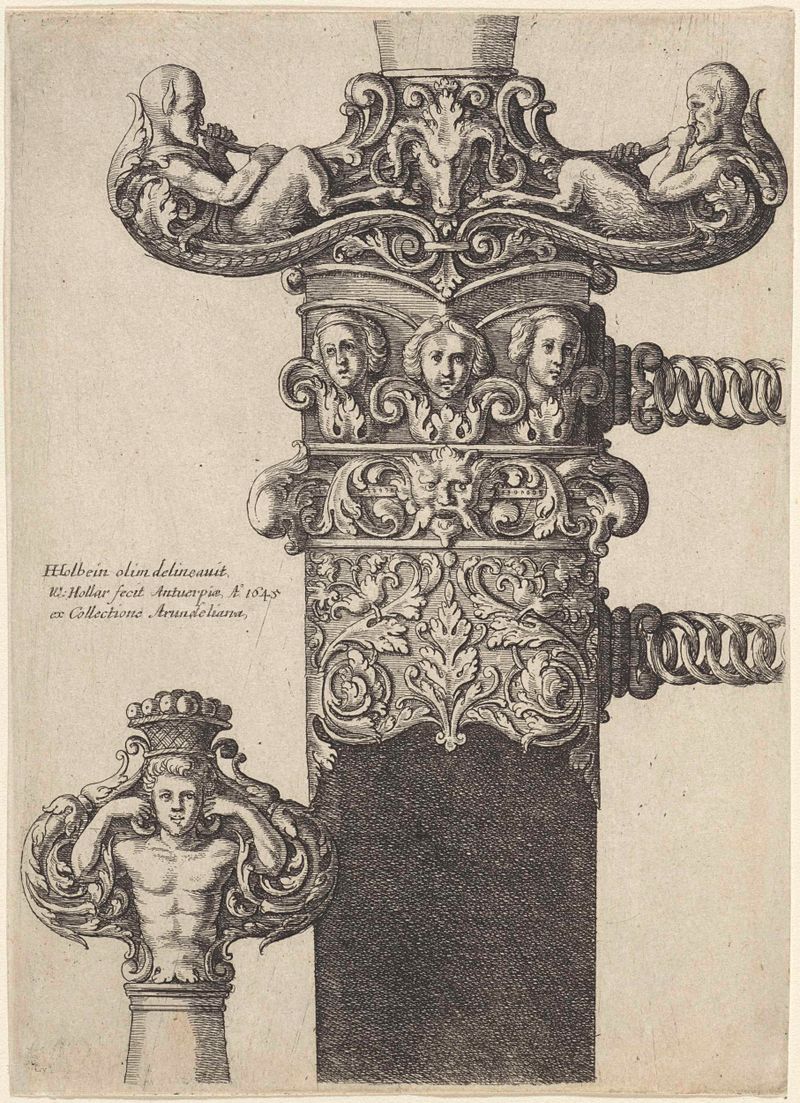
Ornamenteel ontwerp voor een dolk
Wenceslaus Hollar
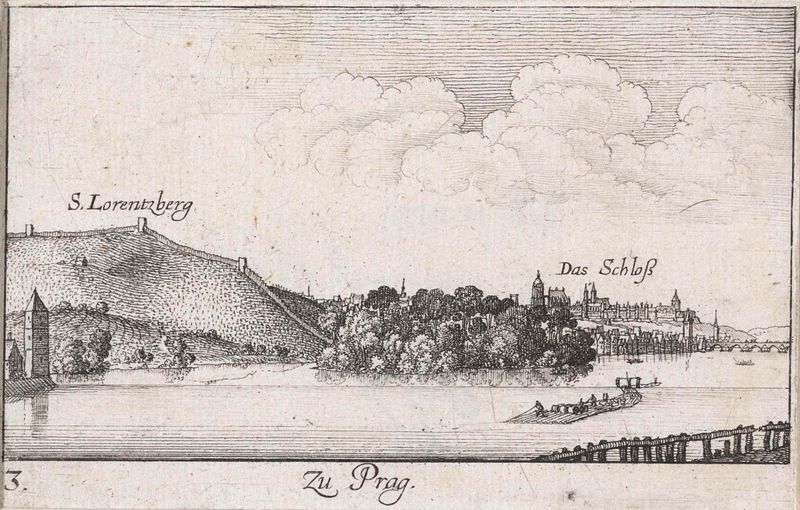
Gezicht op Praag vanaf de Moldau
Wenceslaus Hollar
More Historical Art
Browse all →
The Night Watch Militia Company of District II under the Command of Captain Frans Banninck Cocq
Rembrandt van Rijn

Lincoln Memorial
Henry Bacon

The Third of May 1808
Francisco de Goya

Isaac and Rebecca, Known as ‘The Jewish Bride’
Rembrandt van Rijn

The Charge of the Mamelukes (1814)
Francisco de Goya

De vier ruiters van de apocalyps
Albrecht Dürer