
De hostie in het vuur — History & Facts
This sentiment resonates profoundly within the depths of the human experience, especially in the realm of art, where illusion often dances on the precipice of truth. As you delve into the painting, notice how your gaze is drawn first to the luminous figure at the center, cloaked in rich, golden garments that seem to shimmer against the muted background. The figure, cradling what appears to be a host, is enveloped in a warm glow, almost ethereal in its radiance. Surrounding this central figure are disquieting shadows that hint at tension and conflict, while delicate floral patterns weave through the composition, blurring the boundaries between sanctity and turmoil. Within this tableau lies a tapestry of contrasts.
The soft luminosity of the central figure juxtaposes sharply with the dark encroaching shadows, suggesting an underlying struggle between faith and doubt. The opulence of the golden fabric signifies spiritual wealth, yet the somber tones encircling it serve as a reminder of the burdens that often accompany belief. This interplay creates a poignant dialogue about the nature of illusion, where beauty can mask deeper pain and conflict, inviting the viewer to reflect on their own perceptions. Jacob Cornelisz van Oostsanen painted this work between 1513 and 1523, during a time when the Northern Renaissance was flourishing, and the interplay of spirituality and everyday life was a prominent theme.
His surroundings in Haarlem were alive with new artistic ideas, and he was deeply influenced by the burgeoning humanist movement, which sought to explore the complexities of the human condition through art. In crafting this piece, he not only captured the aesthetic beauty of the era but also commented on the inherent struggles that lie beneath the surface.
More Artworks by Jacob Cornelisz van Oostsanen
Browse all →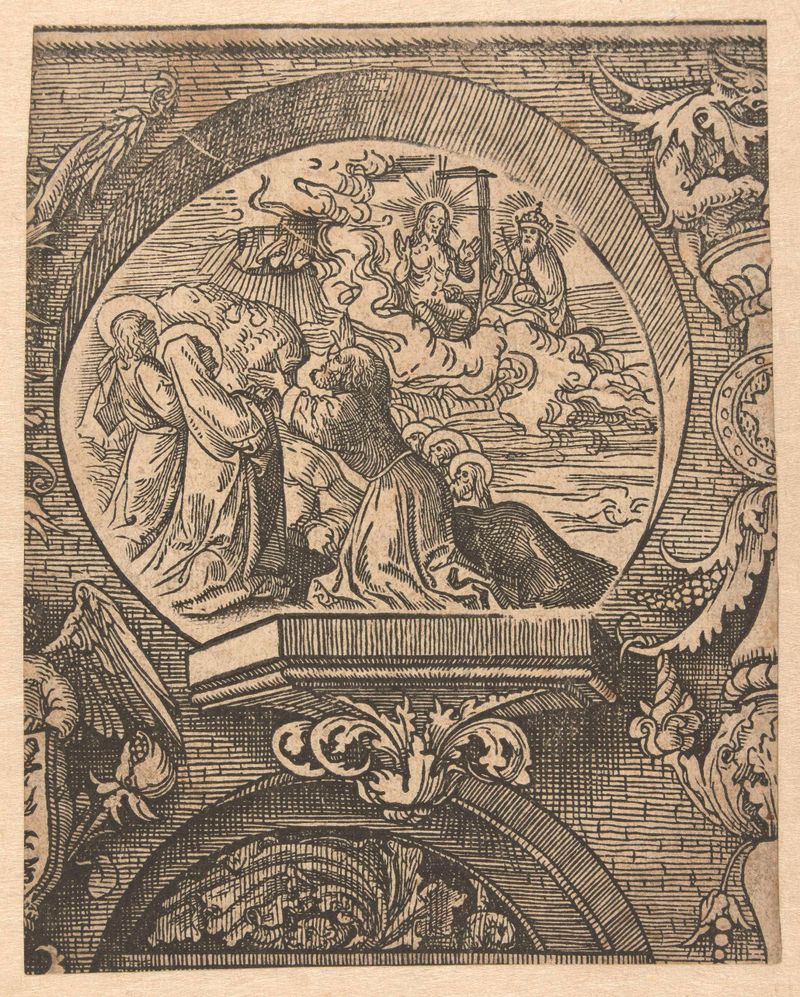
De hemelvaart en Christus voor God de Vader
Jacob Cornelisz van Oostsanen
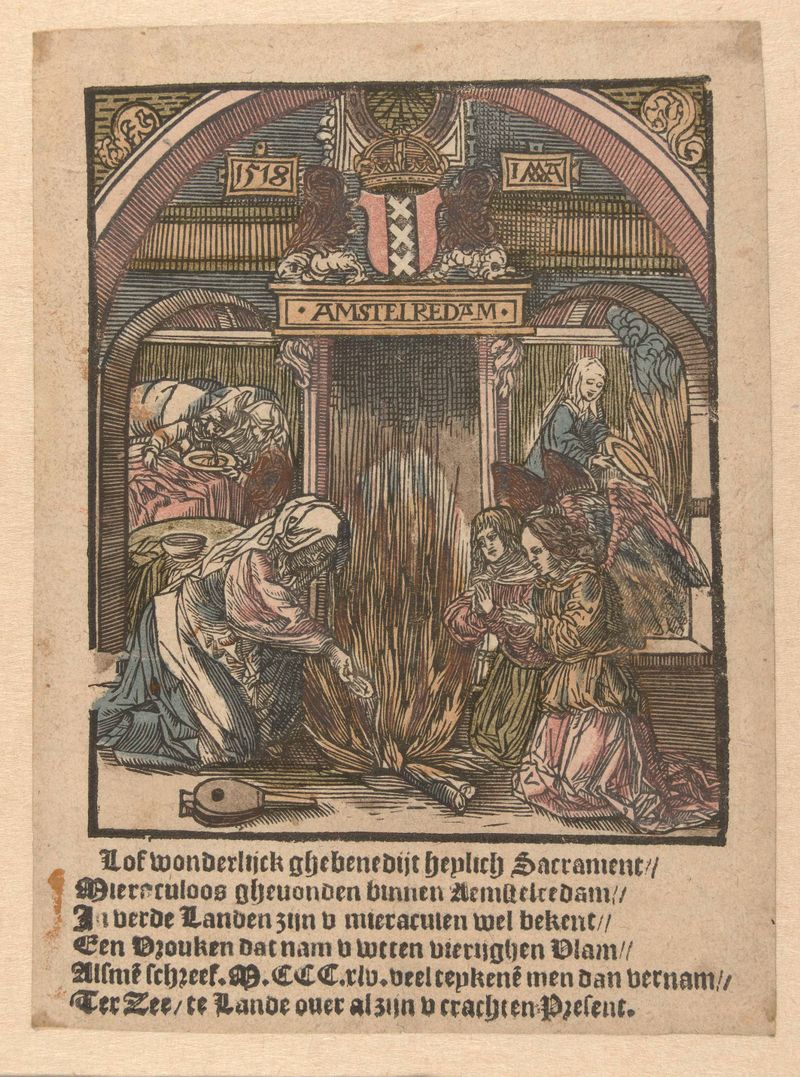
Het hostiewonder van Amsterdam
Jacob Cornelisz van Oostsanen
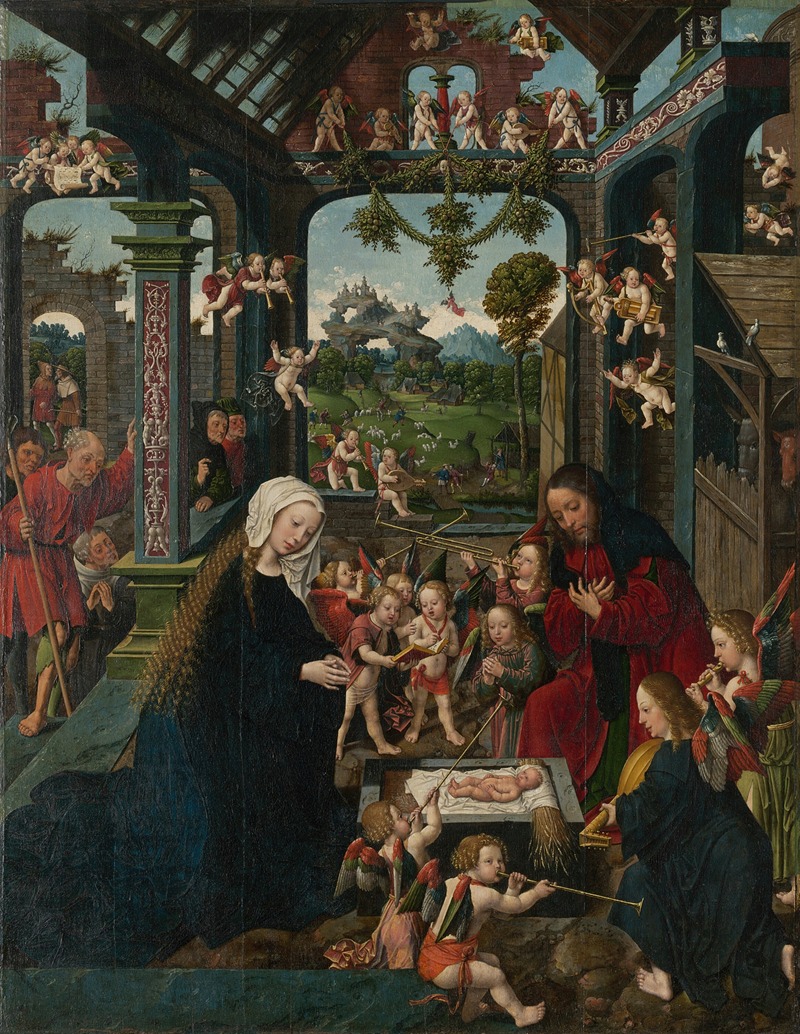
The Adoration of the Christ Child
Jacob Cornelisz van Oostsanen
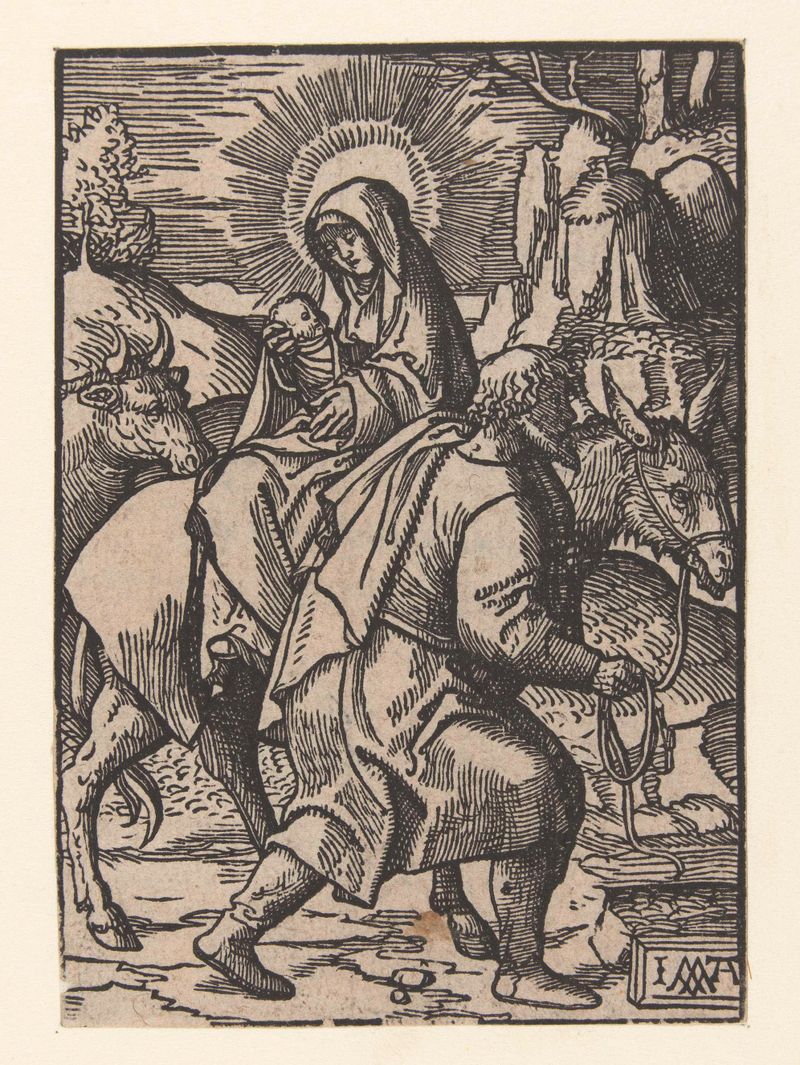
Vlucht naar Egypte
Jacob Cornelisz van Oostsanen
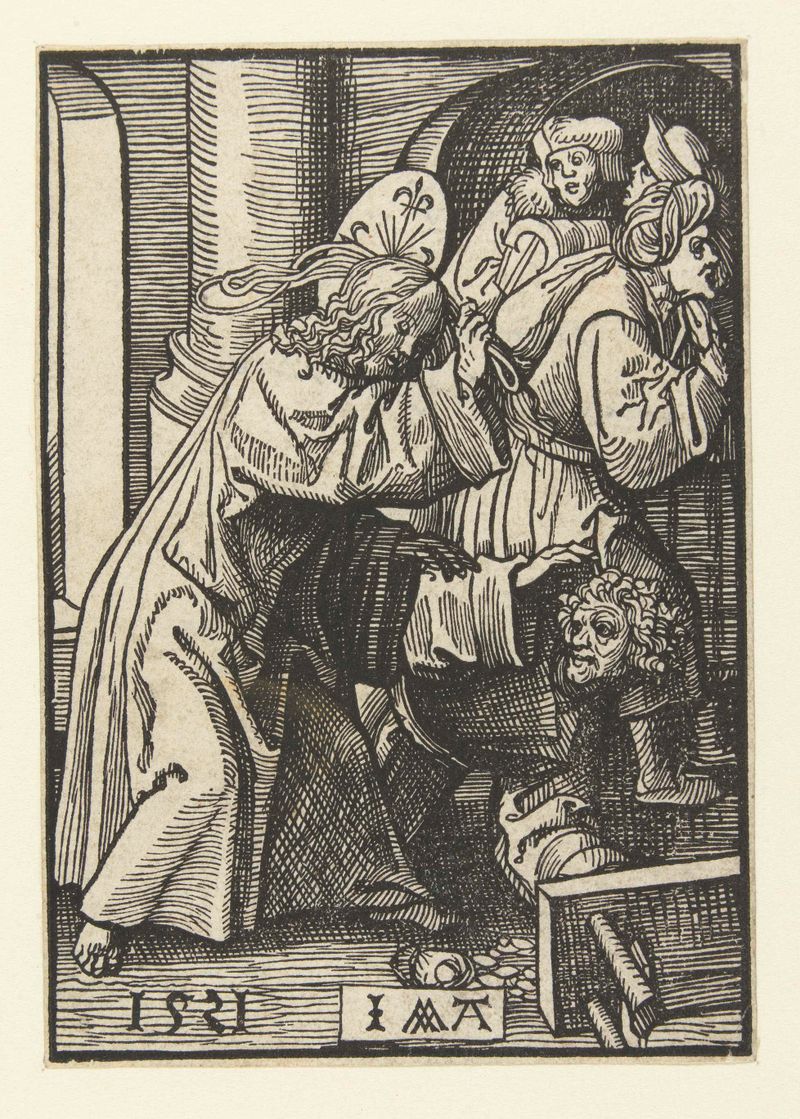
Verdrijving van de handelaren uit de tempel
Jacob Cornelisz van Oostsanen
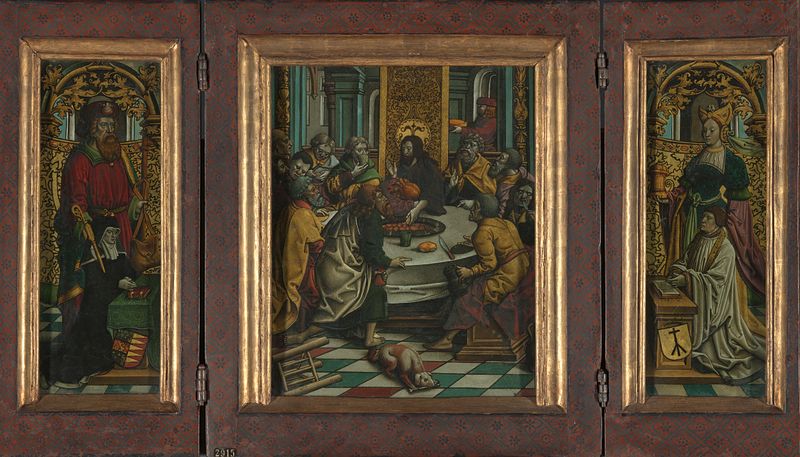
Triptych with the Last Supper and Donors
Jacob Cornelisz van Oostsanen
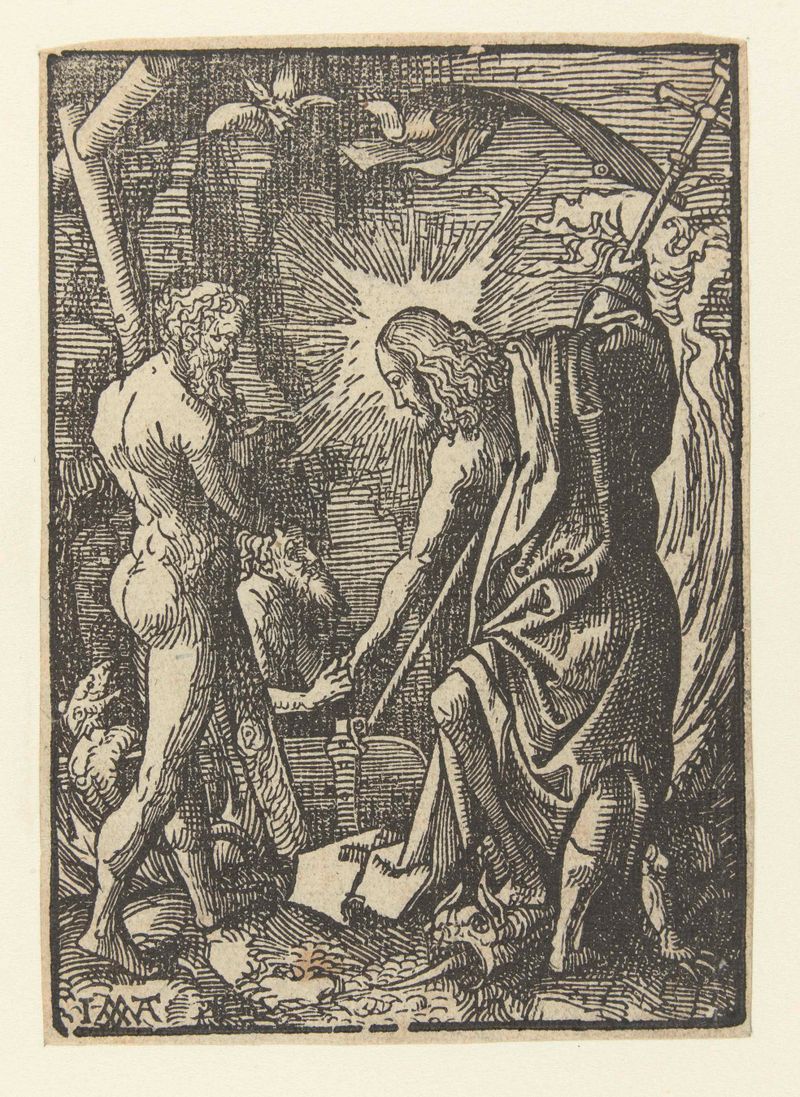
Christus in het voorgeborchte
Jacob Cornelisz van Oostsanen
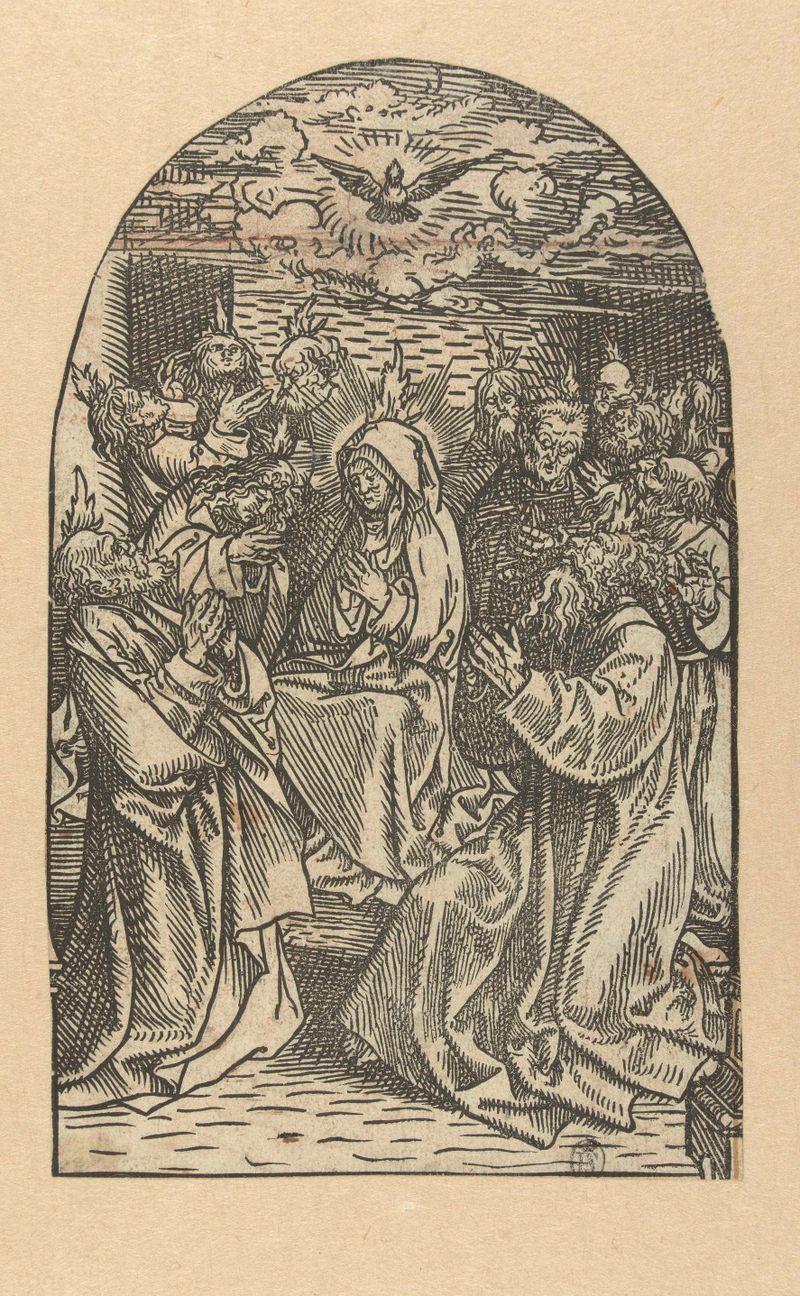
Uitstorting van de Heilige Geest
Jacob Cornelisz van Oostsanen
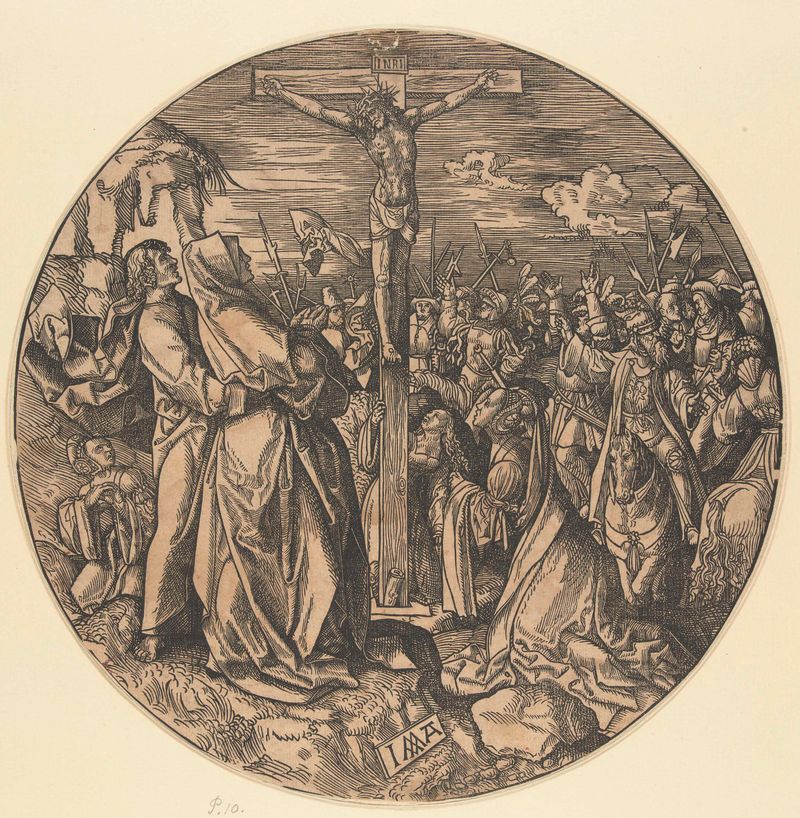
Christus aan het kruis
Jacob Cornelisz van Oostsanen

De kruisiging en de graflegging van Christus
Jacob Cornelisz van Oostsanen
More Religious Art
Browse all →
The Return of the Prodigal Son
Rembrandt van Rijn

The Garden of Earthly Delights
El Bosco

Count Orgaz’ funeral
El Greco

The Hundred Guilder Print: the central piece with Christ preaching, the plate arched
Rembrandt van Rijn

The Descent from the Cross
Rogier van der Weyden

The return of the prodigal son
Rembrandt van Rijn