
De jacht — History & Facts
In the stillness of creation, the canvas breathes with the quiet intensity of a world just coming into being. The act of hunting, entwined with nature’s raw beauty, captures a moment layered with intention and emotion. Focus on the center of the composition, where a group of hunters readies themselves, poised amid the lush greenery. Notice how the muted earth tones contrast with the vibrant greens, suggesting the wildness of the forest.
The delicate play of light on the figures highlights their expressions—alertness mingles with anticipation, while the subtle brushwork dances across the foliage, inviting the eye to explore the wild terrain. The tension in De jacht lies not just in the pursuit of game but in the intricate relationship between man and nature. The hunters, although dominant figures, are dwarfed by the expansive landscape, suggesting the fragility of their existence within this vast wilderness. There’s a paradox here—a celebration of human ambition shadowed by the serenity of the untamed world, whispering of respect and reverence. Cornelis Anthonisz.
painted this work in 1541, a time when the Northern Renaissance was flourishing, marked by a deep interest in observation and realism. Living in Amsterdam, he was surrounded by a growing appreciation for detailed landscapes and human emotion, which influenced this work. The interplay between man and nature reflected the era's evolving relationship with the environment, emblematic of a society grappling with its place in a newly expansive, yet threatening world.
More Artworks by Cornelis Anthonisz.
Browse all →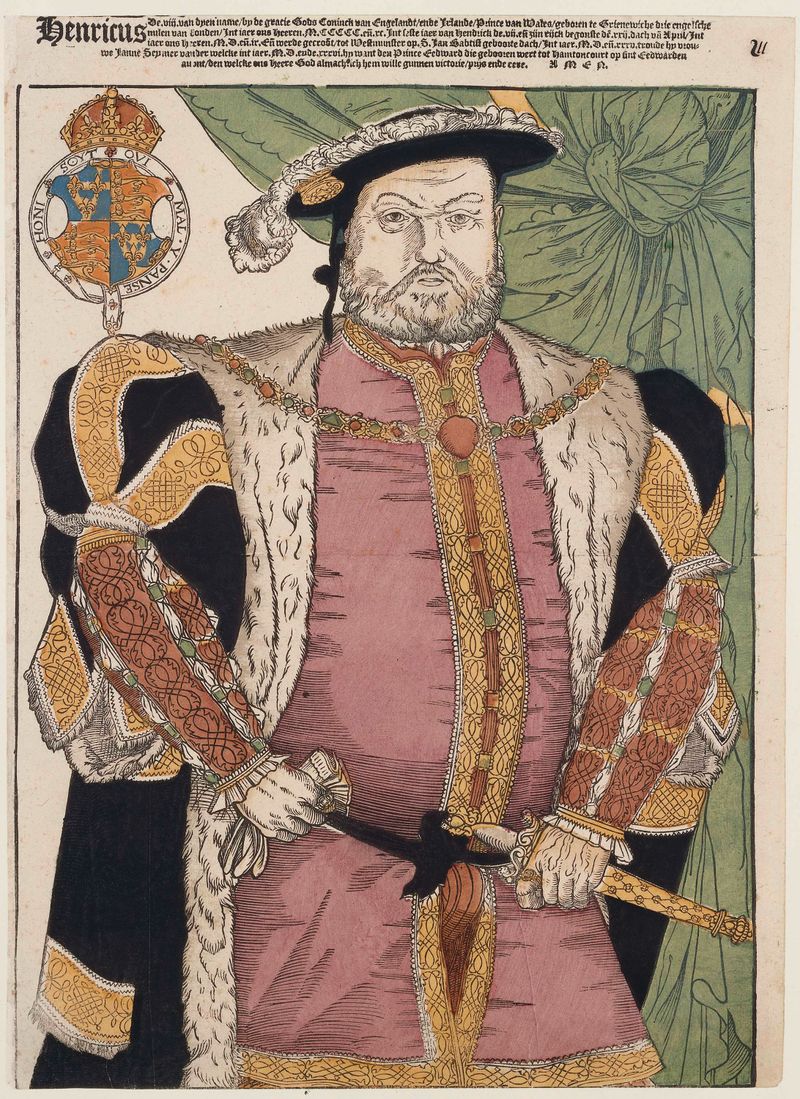
Portret van Hendrik VIII van Engeland
Cornelis Anthonisz.

Portret van Hendrik VIII van Engeland
Cornelis Anthonisz.

Portret van Maarten van Rossum te paard
Cornelis Anthonisz.
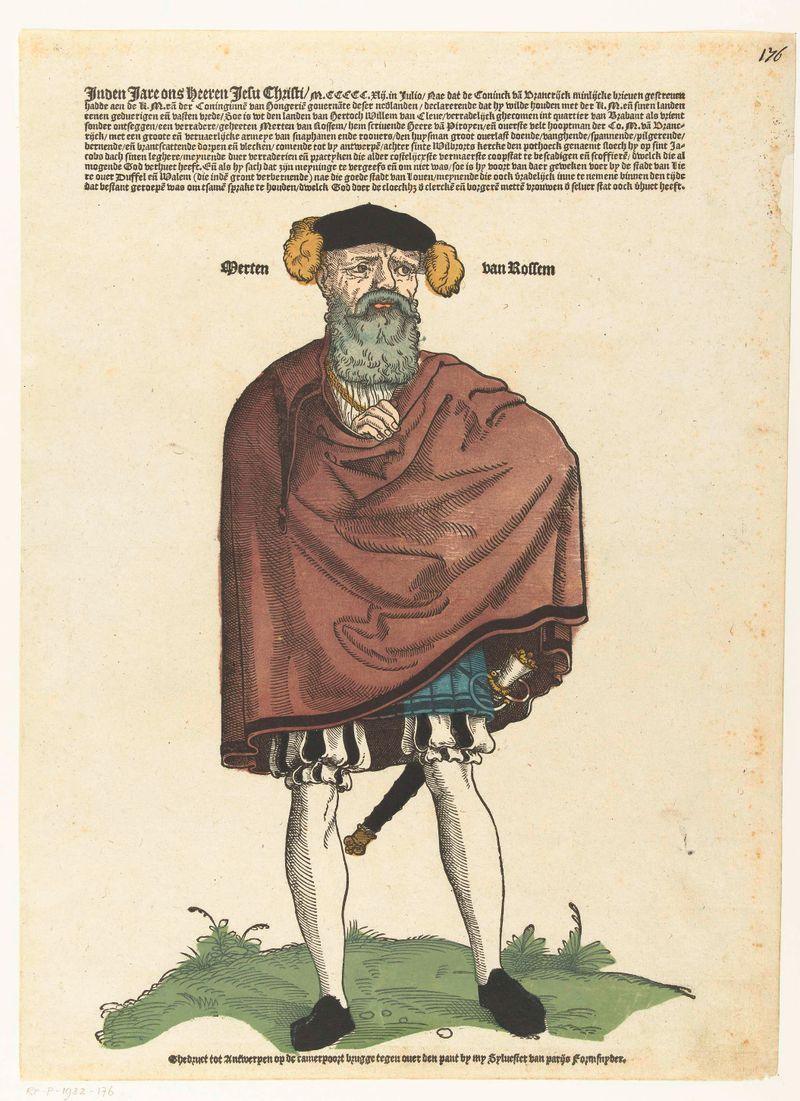
Portret van Maarten van Rossum
Cornelis Anthonisz.

De verloren zoon eet uit de varkenstrog
Cornelis Anthonisz.
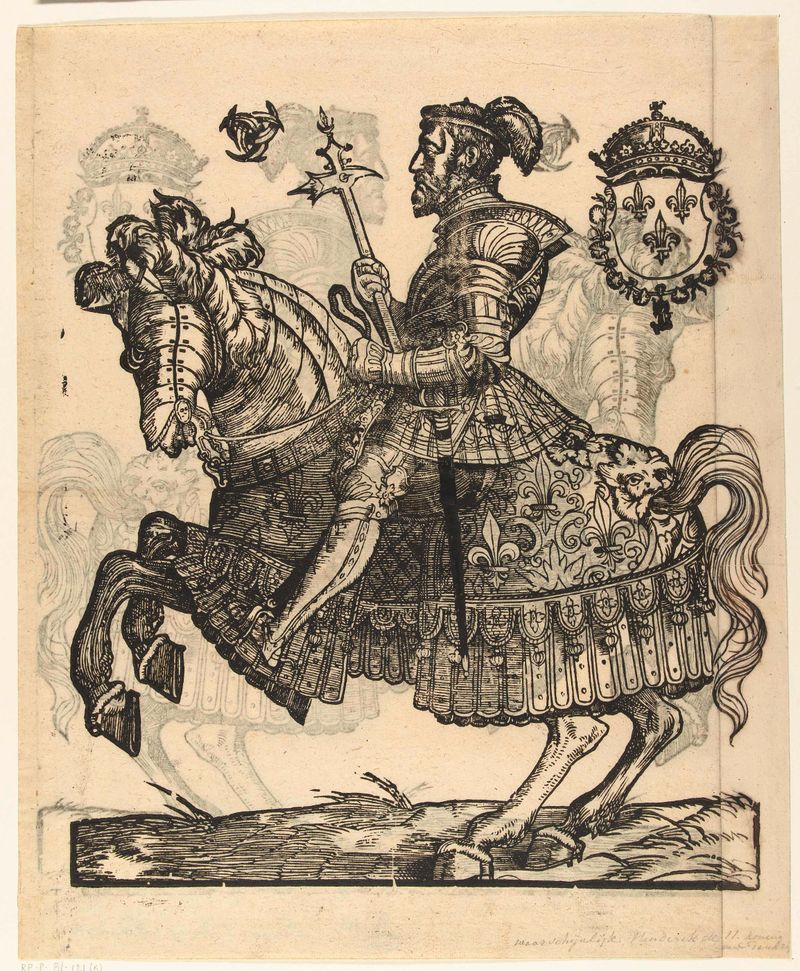
Portret van Hendrik II van Frankrijk te paard
Cornelis Anthonisz.

Portret van hertog Willem van Kleef, Gulik en Berg, graaf van Mark, heer van Ravenstein te paard
Cornelis Anthonisz.

Portret van Karel V te paard
Cornelis Anthonisz.

Portret van Maria van Hongarije te paard
Cornelis Anthonisz.
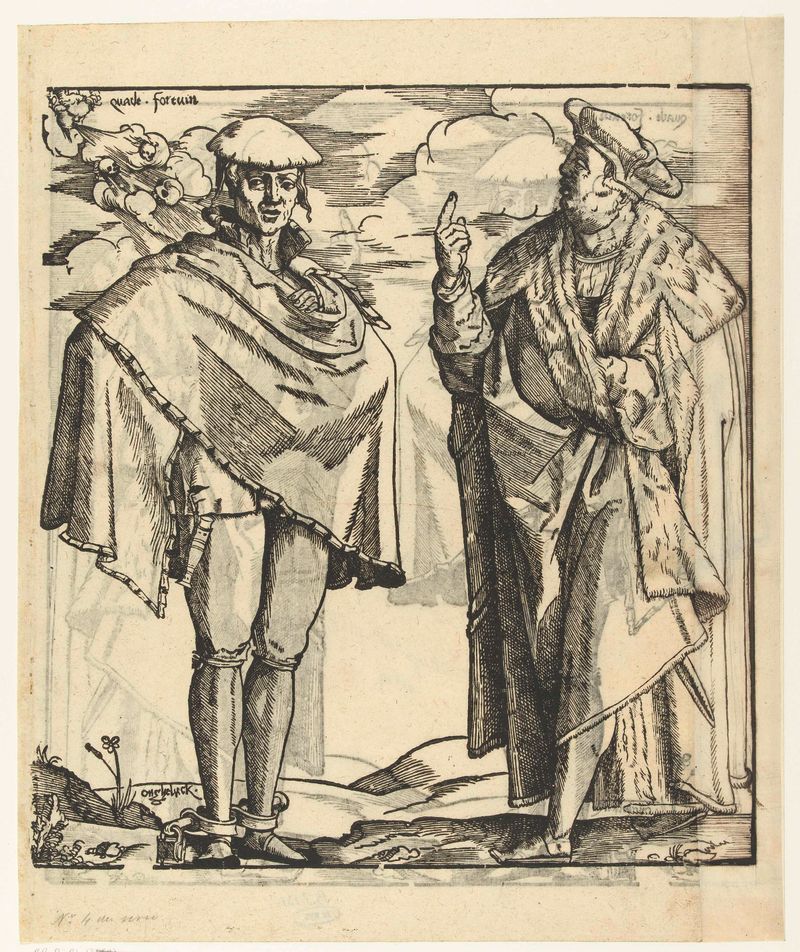
De lichtzinnige jeugd
Cornelis Anthonisz.





