
De Judaskus — History & Facts
Where does light end, and longing begin? In the chiaroscuro of De Judaskus, the boundaries between shadow and desire blur, inviting us into a world steeped in tension and revelation. Begin your observation at the central figures locked in an intimate yet fraught embrace. Notice how the light falls upon Judas’s downturned face, illuminating his conflicted expression, while the surrounding darkness envelops the scene in a shroud of foreboding. The delicate interplay of colors — the deep reds of the garments contrasting with the cool blues — creates a visual tension that underscores the weight of betrayal.
The painter's meticulous attention to detail, particularly in the textures of the flesh and fabric, draws you further into this moment of impending doom. Beneath the surface, themes of trust and treachery unfold. The warmth of the embrace juxtaposes sharply with the coldness of Judas’s act, evoking a profound sense of regret. The background figures, shadows lingering just out of focus, remind us of the consequences that lie ahead, amplifying the emotional stakes.
Each brushstroke resonates with the gravity of the narrative, as if the air thickens with unspoken words and lingering glances, heightening the sense of inevitability. Jacob Cornelisz van Oostsanen painted this work in the early 16th century, a time when the Renaissance was flourishing, bridging the gap between medieval and modern sensibilities. He was active in Amsterdam, where he explored religious themes infused with human emotion. This period marked a growing interest in the individual’s inner life, reflected in the complexities of his subjects' relationships, echoing the doubts and loyalties that would resonate through the ages.
More Artworks by Jacob Cornelisz van Oostsanen
Browse all →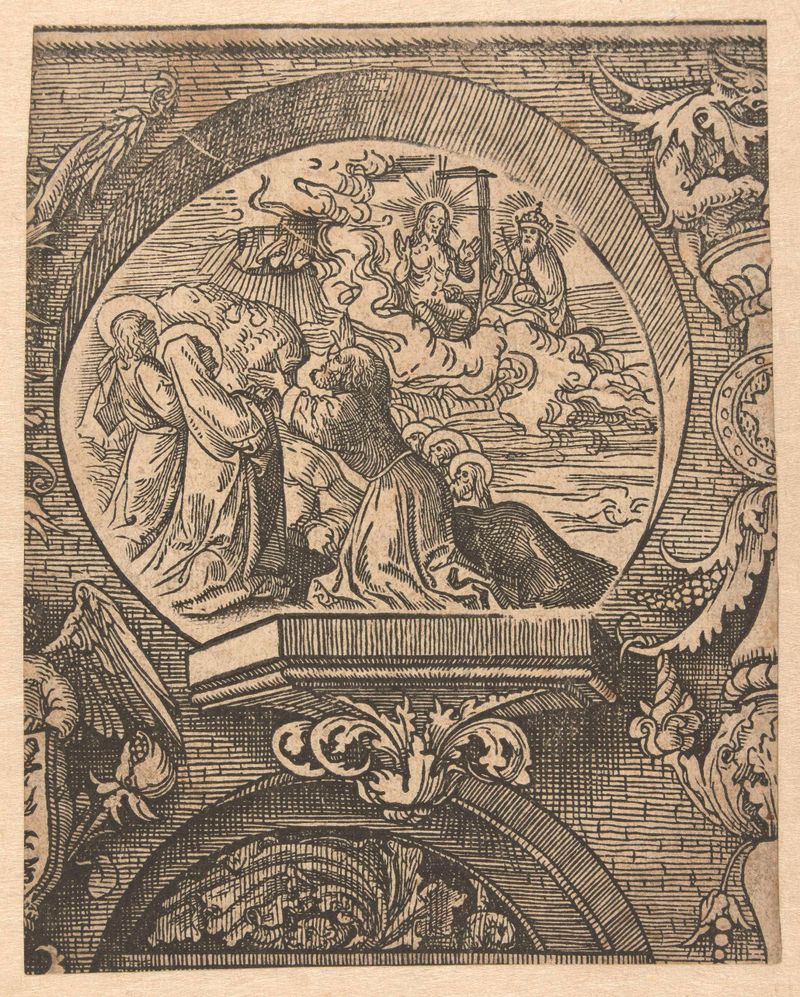
De hemelvaart en Christus voor God de Vader
Jacob Cornelisz van Oostsanen
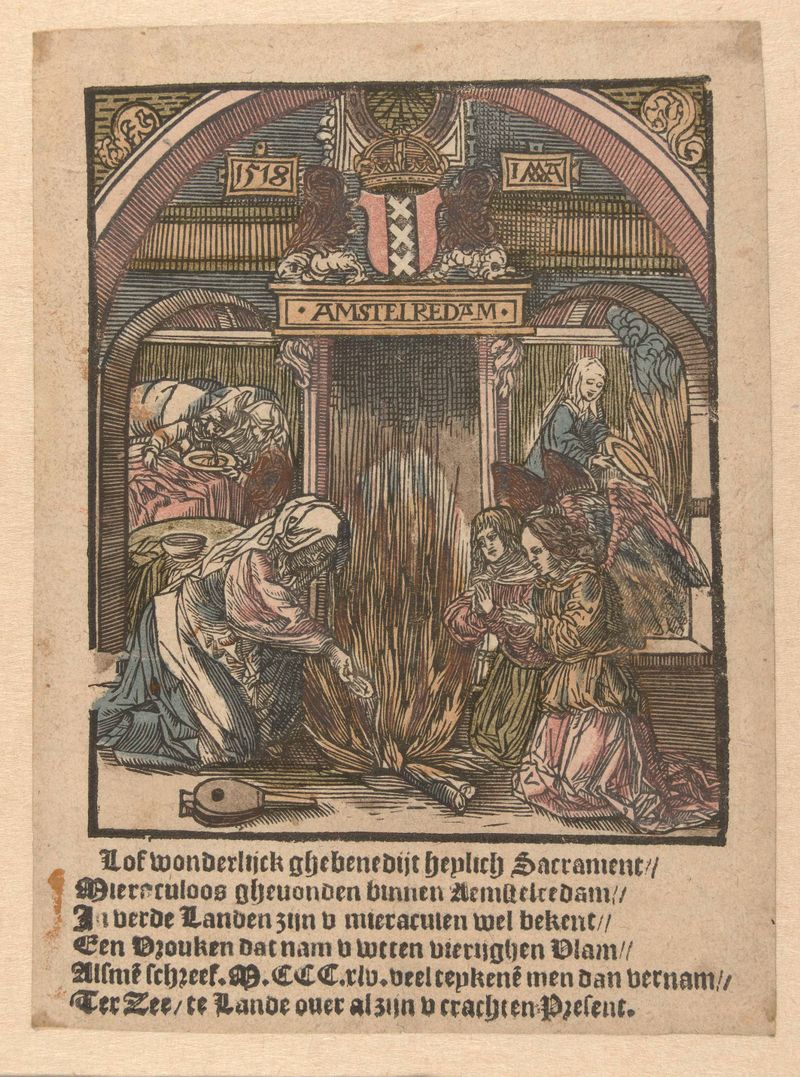
Het hostiewonder van Amsterdam
Jacob Cornelisz van Oostsanen
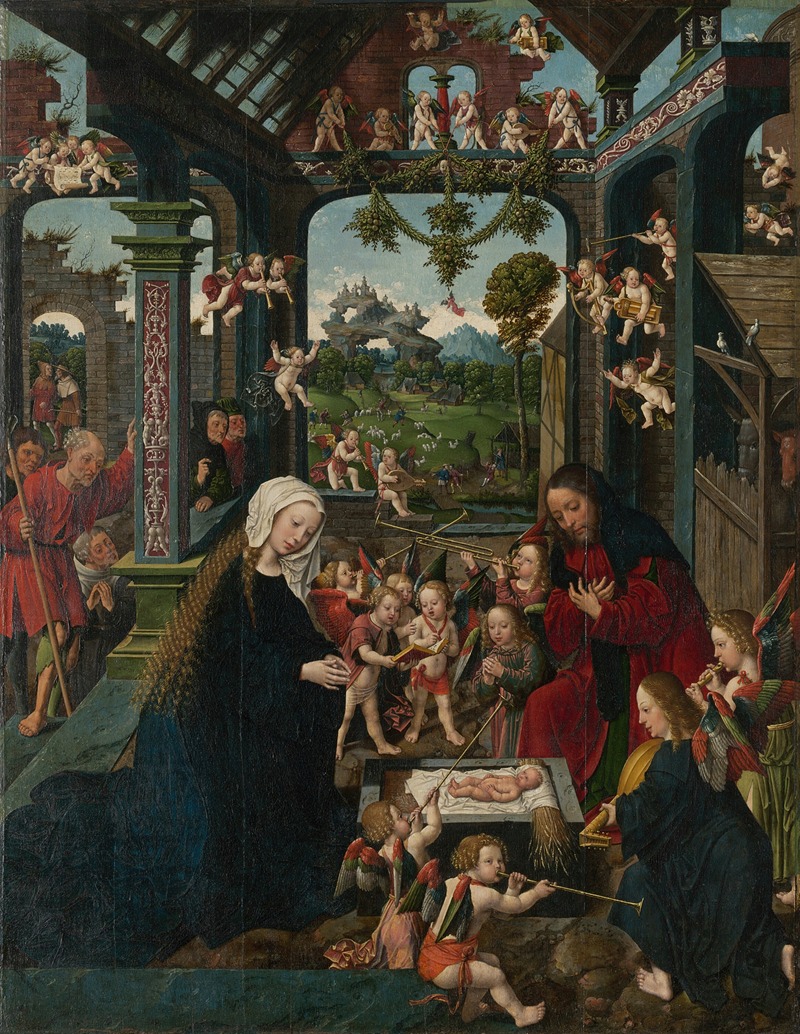
The Adoration of the Christ Child
Jacob Cornelisz van Oostsanen
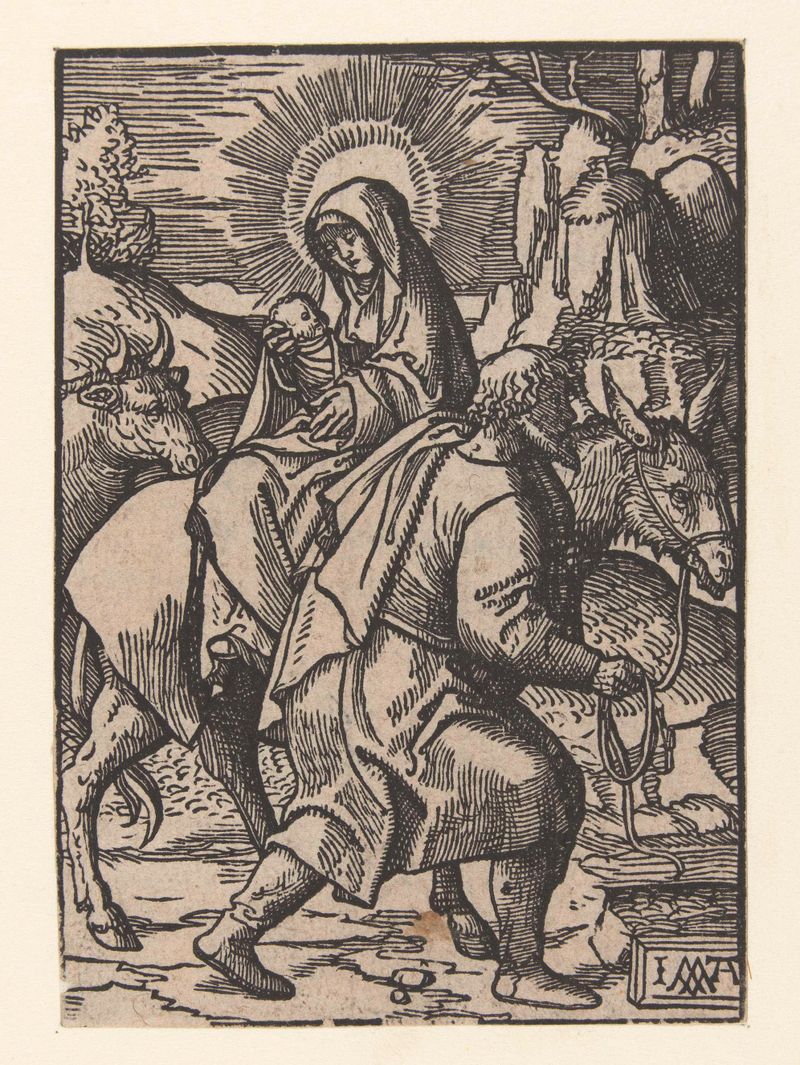
Vlucht naar Egypte
Jacob Cornelisz van Oostsanen
Verdrijving van de handelaren uit de tempel
Jacob Cornelisz van Oostsanen
Triptych with the Last Supper and Donors
Jacob Cornelisz van Oostsanen
Christus in het voorgeborchte
Jacob Cornelisz van Oostsanen
Uitstorting van de Heilige Geest
Jacob Cornelisz van Oostsanen
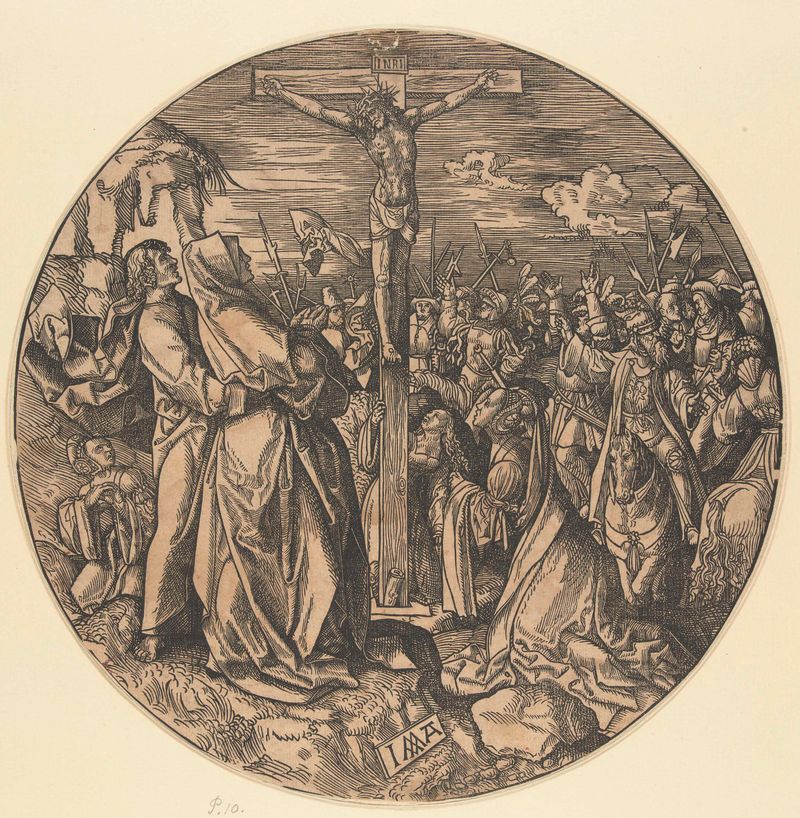
Christus aan het kruis
Jacob Cornelisz van Oostsanen

De kruisiging en de graflegging van Christus
Jacob Cornelisz van Oostsanen
More Religious Art
Browse all →
The Return of the Prodigal Son
Rembrandt van Rijn

The Garden of Earthly Delights
El Bosco

Count Orgaz’ funeral
El Greco

The Hundred Guilder Print: the central piece with Christ preaching, the plate arched
Rembrandt van Rijn

The Descent from the Cross
Rogier van der Weyden

The return of the prodigal son
Rembrandt van Rijn