
De Judaskus — History & Facts
Can paint confess what words never could? In De Judaskus, a moment suspended in time speaks volumes, unearthing the depths of betrayal and intimacy through vivid imagery and stark contrasts. Look to the center of the composition where Christ's serene visage meets the intense gaze of Judas. The warm, golden hues envelop the figures, creating an almost ethereal glow against the cold, shadowy background. Notice how the delicate brushwork captures the texture of Christ’s skin, juxtaposed with the roughness of Judas's garments.
The interplay of light and shadow accentuates their expressions — a mix of calm acceptance and tumultuous remorse, inviting viewers to linger on the emotional weight of their connection. Delve deeper into the details; observe the way Christ’s hand rests gently on Judas's shoulder, a gesture of both comfort and foreboding. The tension lies in the contrast between the warmth of their embrace and the chilling inevitability of betrayal. Each element in the painting serves as a reminder of the duality of human nature — love intertwined with treachery, loyalty fraught with doubt.
The position of Judas's face, partially obscured, symbolizes the concealment of his intentions, leaving viewers to ponder the conflict within. In 1517, Jacob Cornelisz van Oostsanen painted this work amidst a burgeoning Renaissance that celebrated human emotion and spiritual complexity. Based in Amsterdam, he was influenced by the emerging Northern European focus on narrative realism, which sought to convey profound themes through meticulous detail. This painting reflects not only a pivotal moment in biblical history but also the artist's own exploration of moral ambiguity in a rapidly changing world.
More Artworks by Jacob Cornelisz van Oostsanen
Browse all →
De hemelvaart en Christus voor God de Vader
Jacob Cornelisz van Oostsanen
Het hostiewonder van Amsterdam
Jacob Cornelisz van Oostsanen
The Adoration of the Christ Child
Jacob Cornelisz van Oostsanen
Vlucht naar Egypte
Jacob Cornelisz van Oostsanen
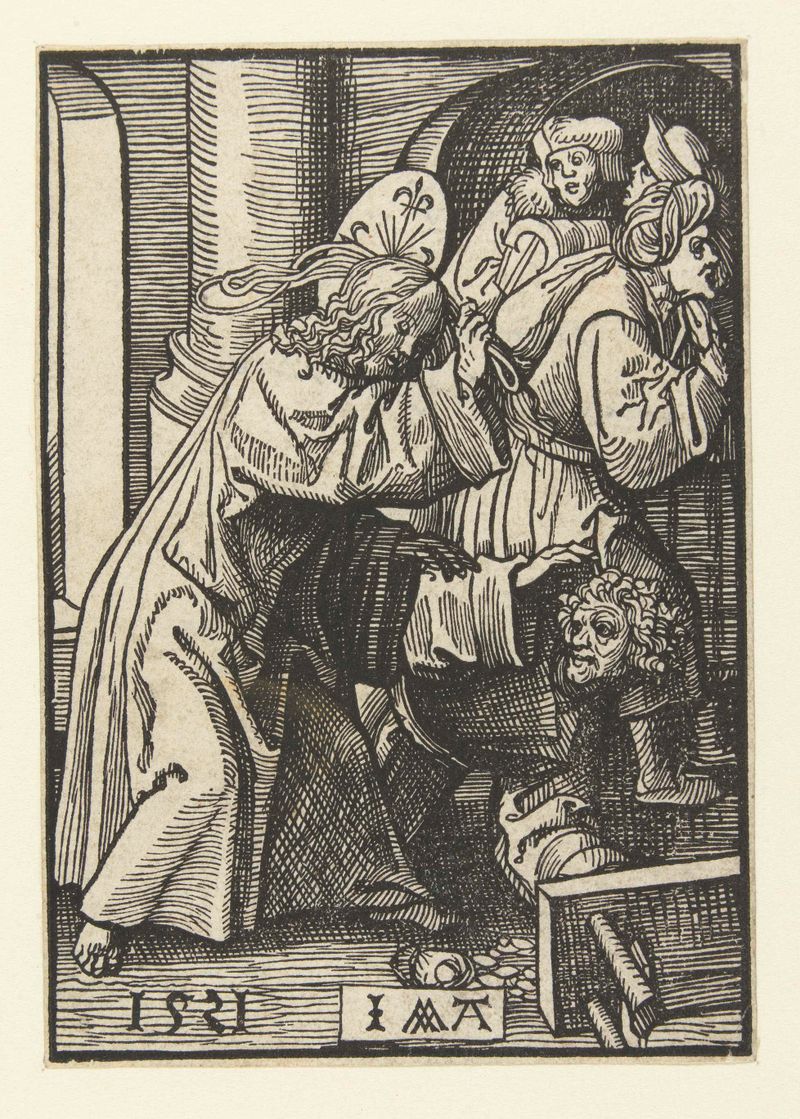
Verdrijving van de handelaren uit de tempel
Jacob Cornelisz van Oostsanen
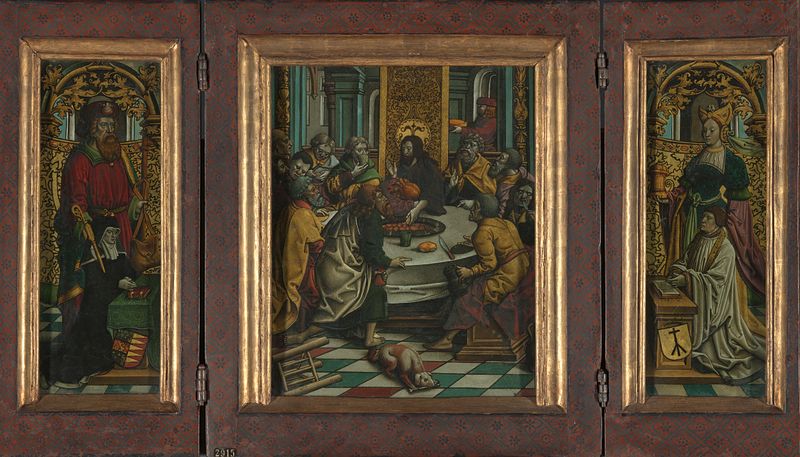
Triptych with the Last Supper and Donors
Jacob Cornelisz van Oostsanen
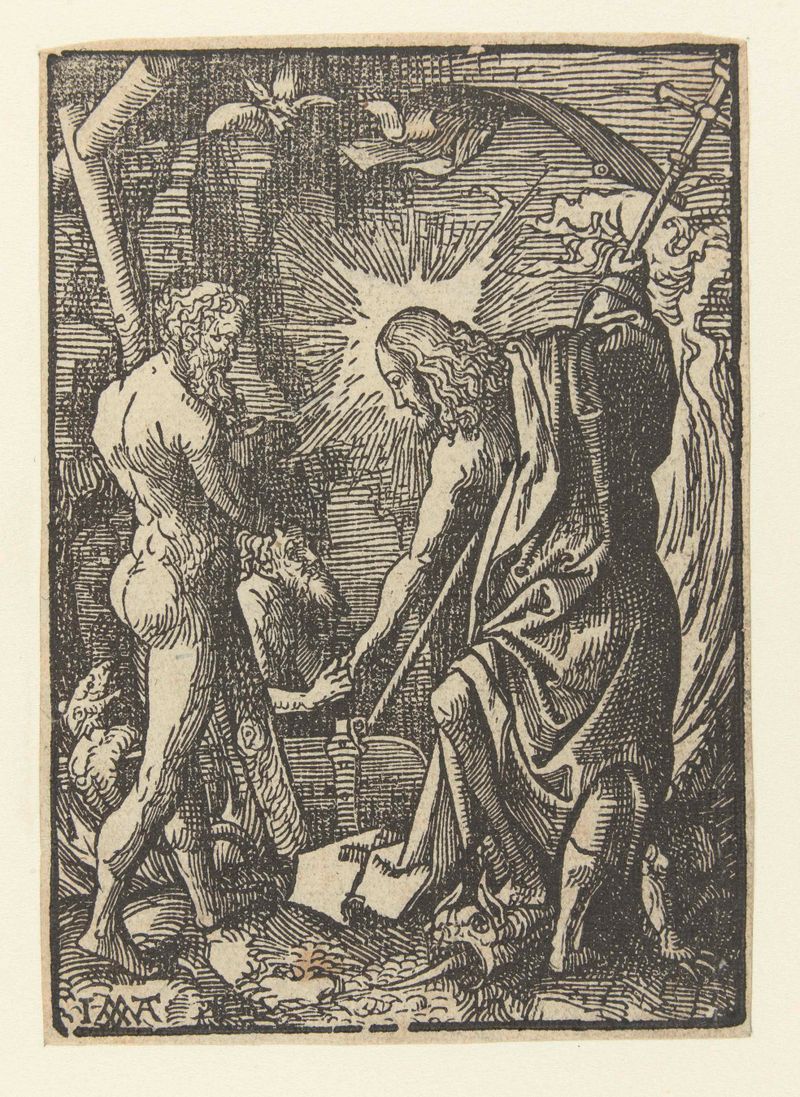
Christus in het voorgeborchte
Jacob Cornelisz van Oostsanen
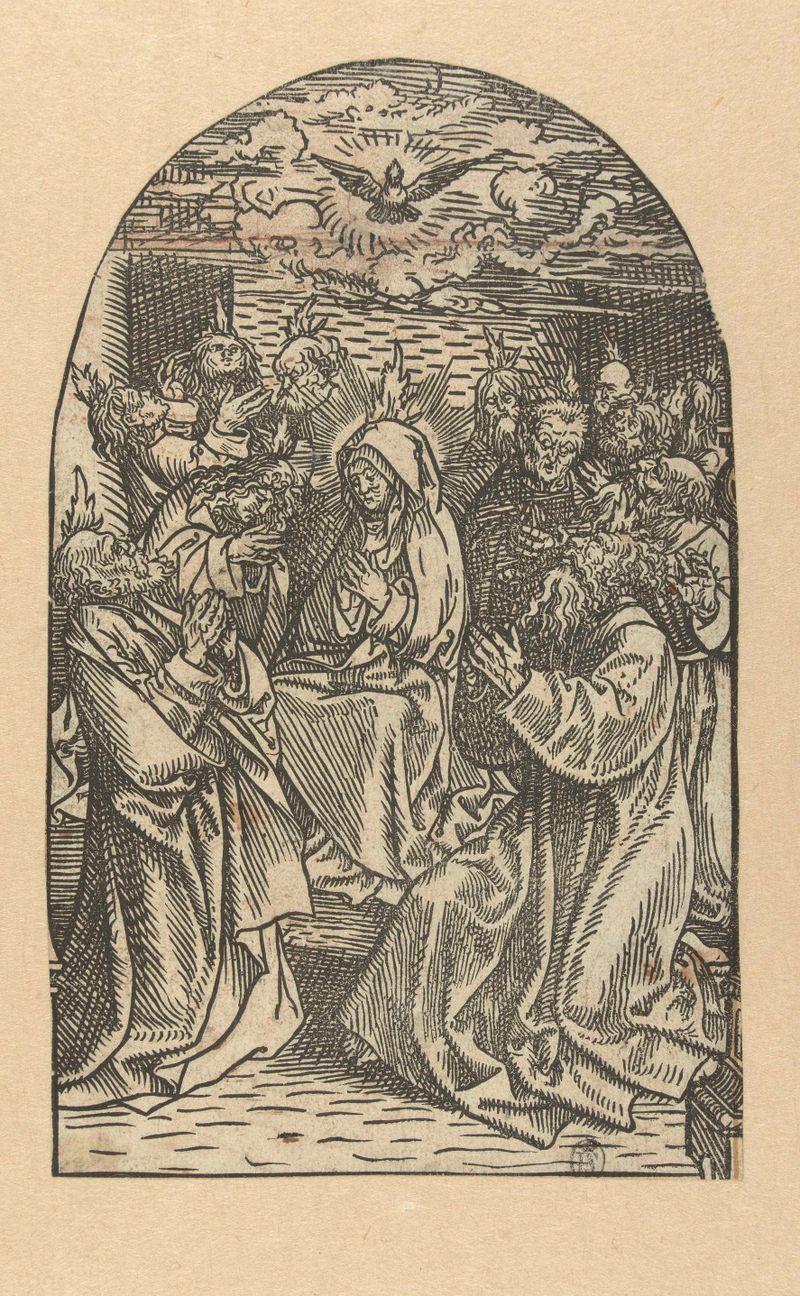
Uitstorting van de Heilige Geest
Jacob Cornelisz van Oostsanen
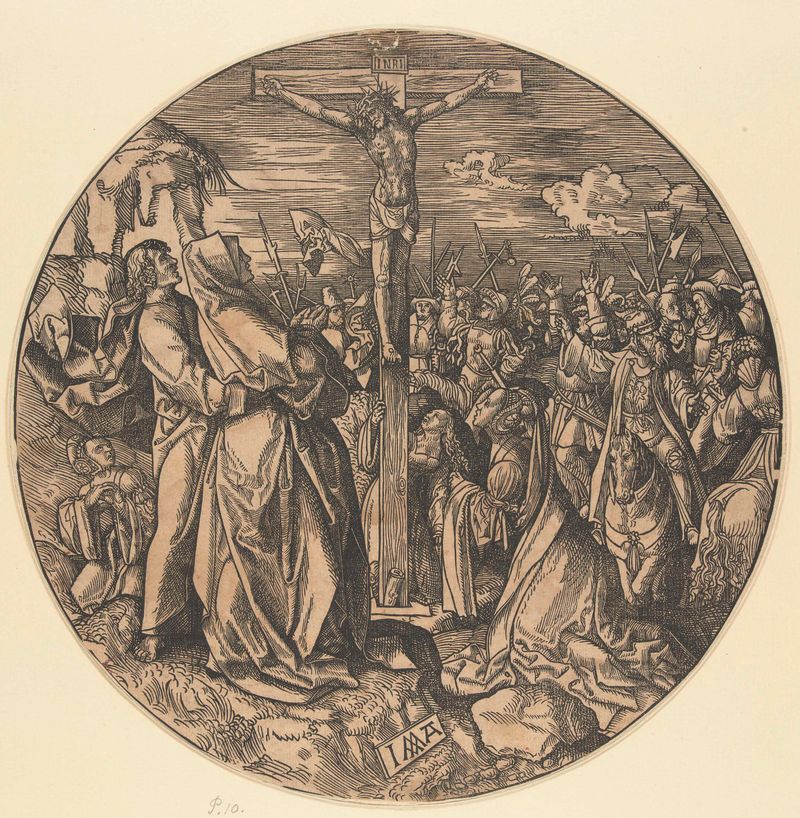
Christus aan het kruis
Jacob Cornelisz van Oostsanen

De kruisiging en de graflegging van Christus
Jacob Cornelisz van Oostsanen
More Religious Art
Browse all →
The Return of the Prodigal Son
Rembrandt van Rijn

The Garden of Earthly Delights
El Bosco

Count Orgaz’ funeral
El Greco

The Hundred Guilder Print: the central piece with Christ preaching, the plate arched
Rembrandt van Rijn

The Descent from the Cross
Rogier van der Weyden

The return of the prodigal son
Rembrandt van Rijn