
De Judaskus — History & Facts
Can beauty exist without sorrow? In Jacob Cornelisz van Oostsanen's De Judaskus, the answer lies in the haunting stillness between betrayal and intimacy, beckoning the viewer into a profound emotional landscape. Look to the center of the composition, where the figures of Judas and Christ engage in an embrace filled with tension. The warm hues of the skin contrast starkly with the cooler tones of the background, creating an intimate yet oppressive atmosphere. The delicate rendering of the faces draws your gaze, emphasizing the expression of Christ, whose serene acceptance speaks to the weight of impending betrayal.
Notice the careful drapery of their garments, meticulously painted to convey the gravity of the moment, as the folds suggest both movement and the inextricable ties binding them. Every detail in the painting resonates with emotional currents. The juxtaposition of Judas’s furtive glance with Christ's calm demeanor encapsulates the pain of betrayal, while the shadows play along the edges, hinting at the darkness that follows. The subtle use of light to illuminate their faces offers a glimpse of compassion amid the sorrow, inviting contemplation on the complexities of love and loyalty.
In this moment, the viewer feels the weight of both loss and beauty, reflecting the duality of human experience. Painted in the early 16th century, during a period of significant religious and social upheaval, the artwork reflects the artist's engagement with themes of faith and morality. As van Oostsanen explored religious narratives in his work, this piece captures a pivotal moment in the story of Christ, inviting reflection on the nature of sacrifice and the cost of devotion. The tension between beauty and sorrow found in De Judaskus mirrors the artist's own time, where belief and betrayal walked hand in hand.
More Artworks by Jacob Cornelisz van Oostsanen
Browse all →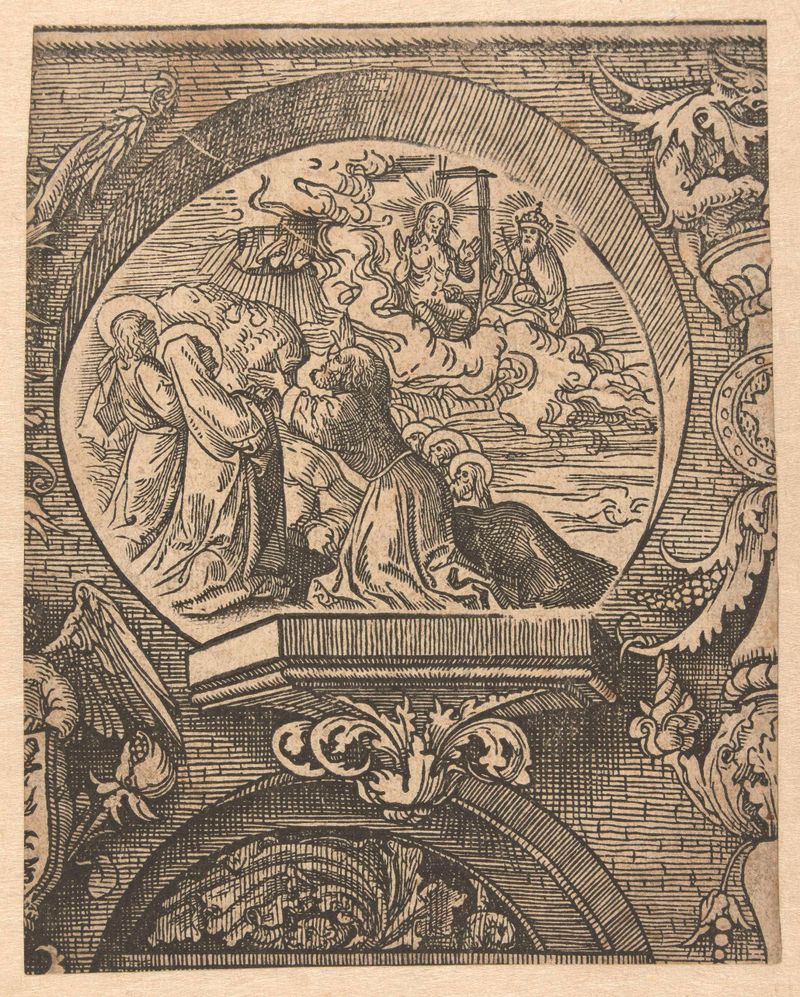
De hemelvaart en Christus voor God de Vader
Jacob Cornelisz van Oostsanen
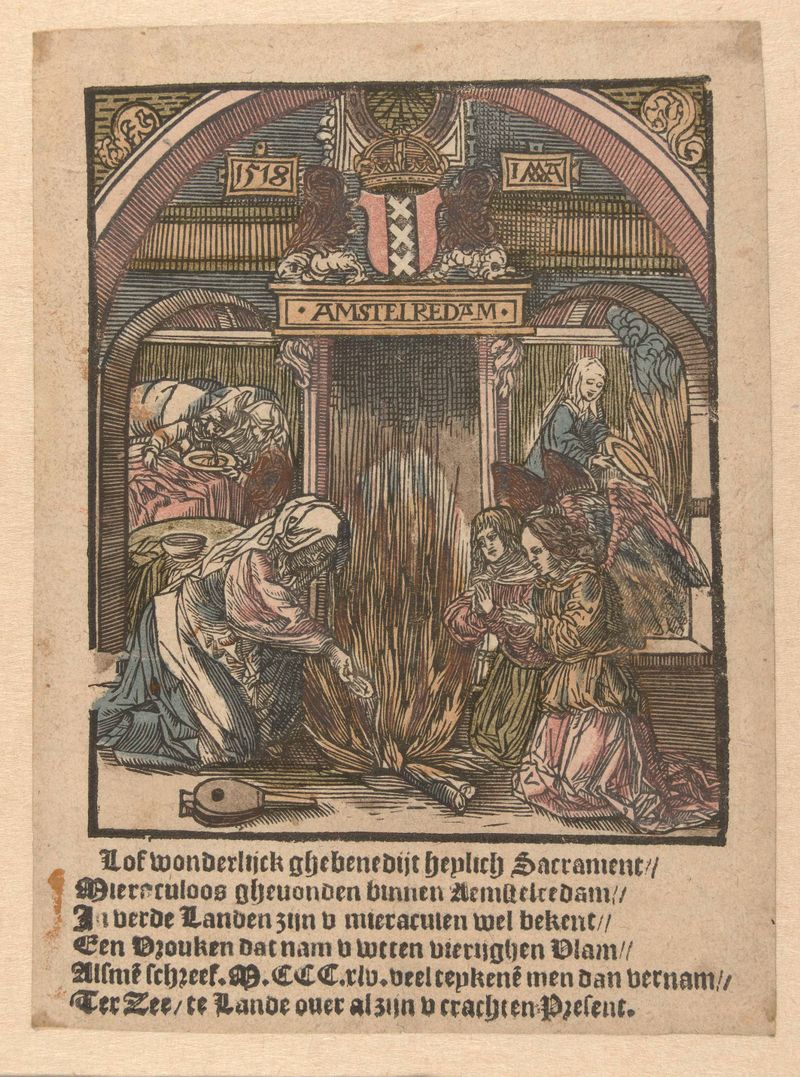
Het hostiewonder van Amsterdam
Jacob Cornelisz van Oostsanen
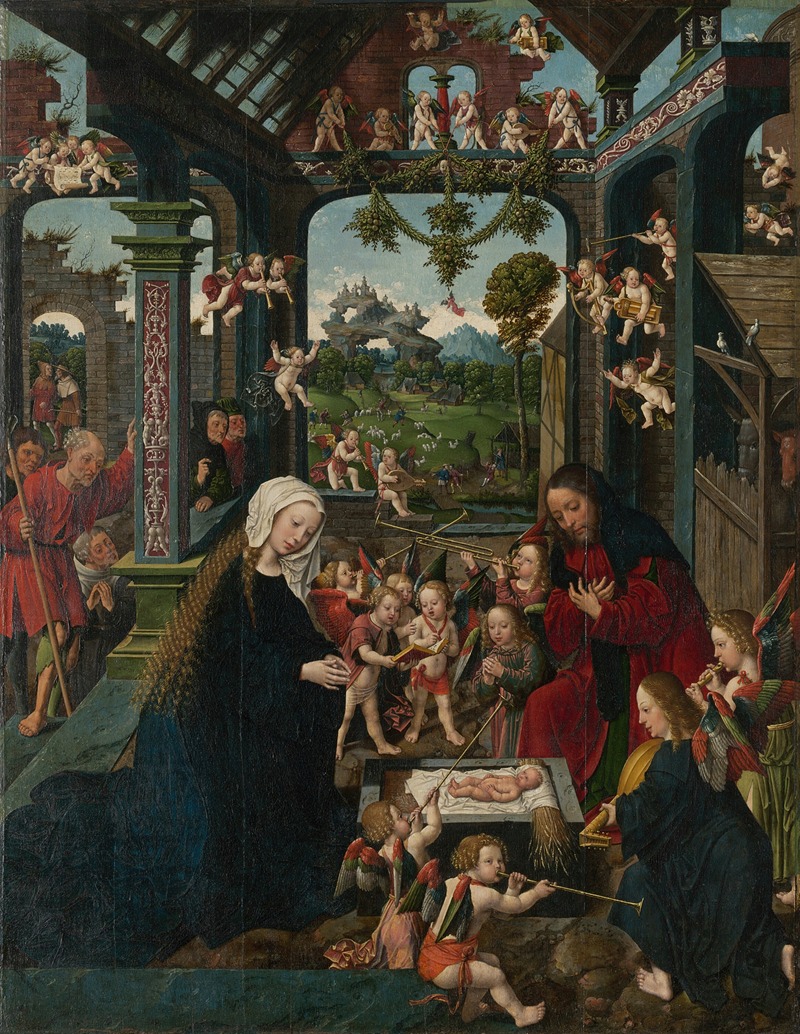
The Adoration of the Christ Child
Jacob Cornelisz van Oostsanen
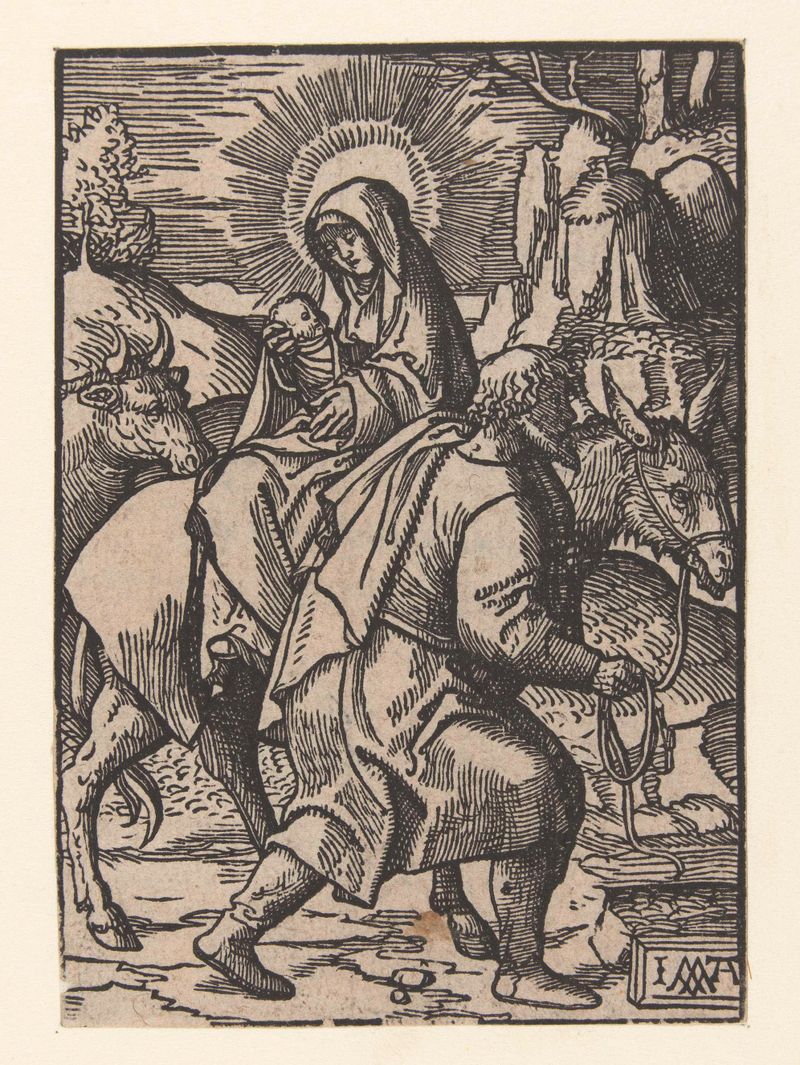
Vlucht naar Egypte
Jacob Cornelisz van Oostsanen
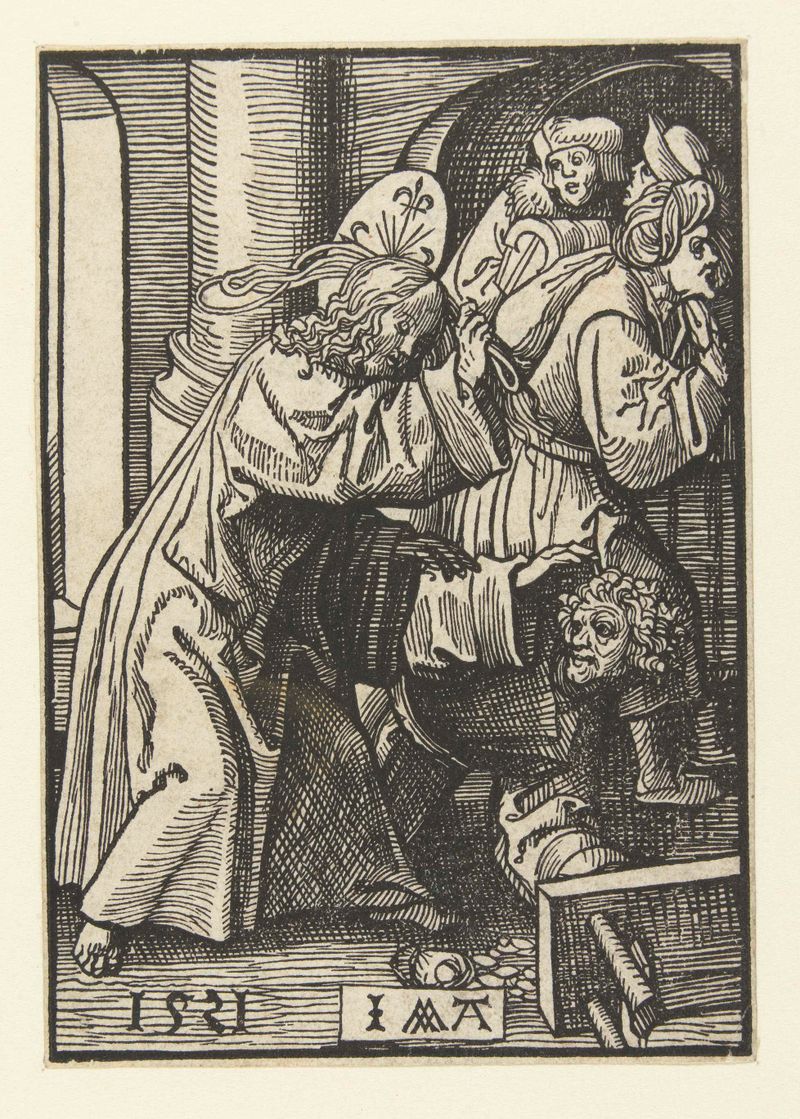
Verdrijving van de handelaren uit de tempel
Jacob Cornelisz van Oostsanen
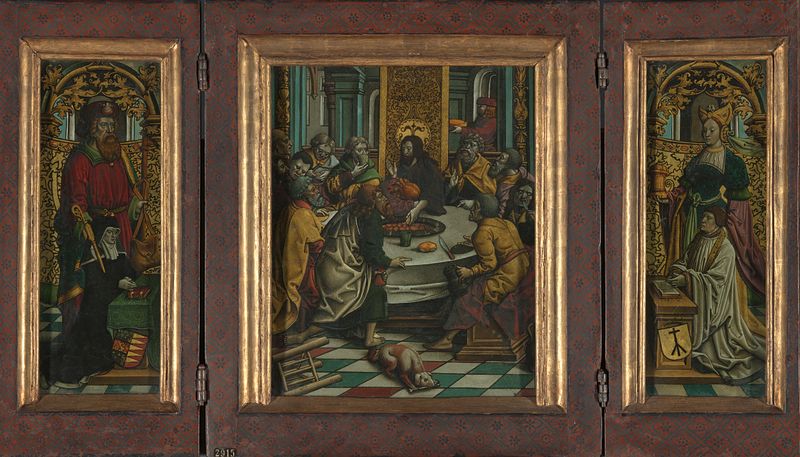
Triptych with the Last Supper and Donors
Jacob Cornelisz van Oostsanen
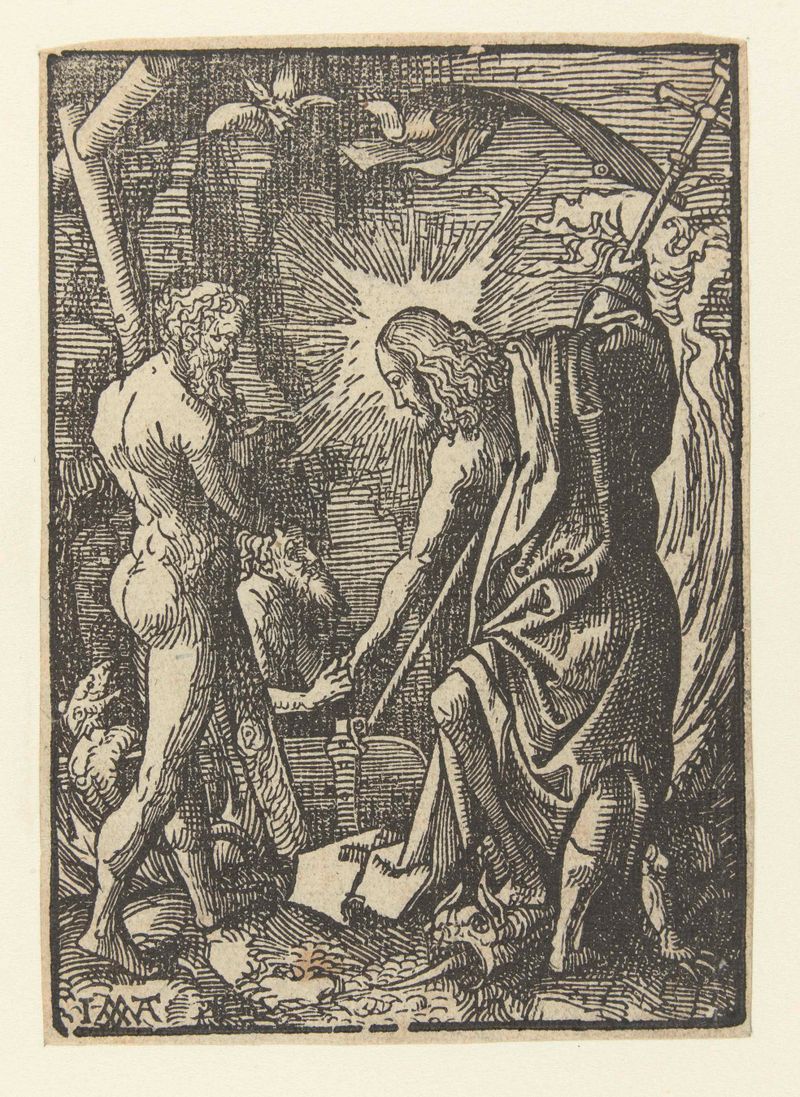
Christus in het voorgeborchte
Jacob Cornelisz van Oostsanen
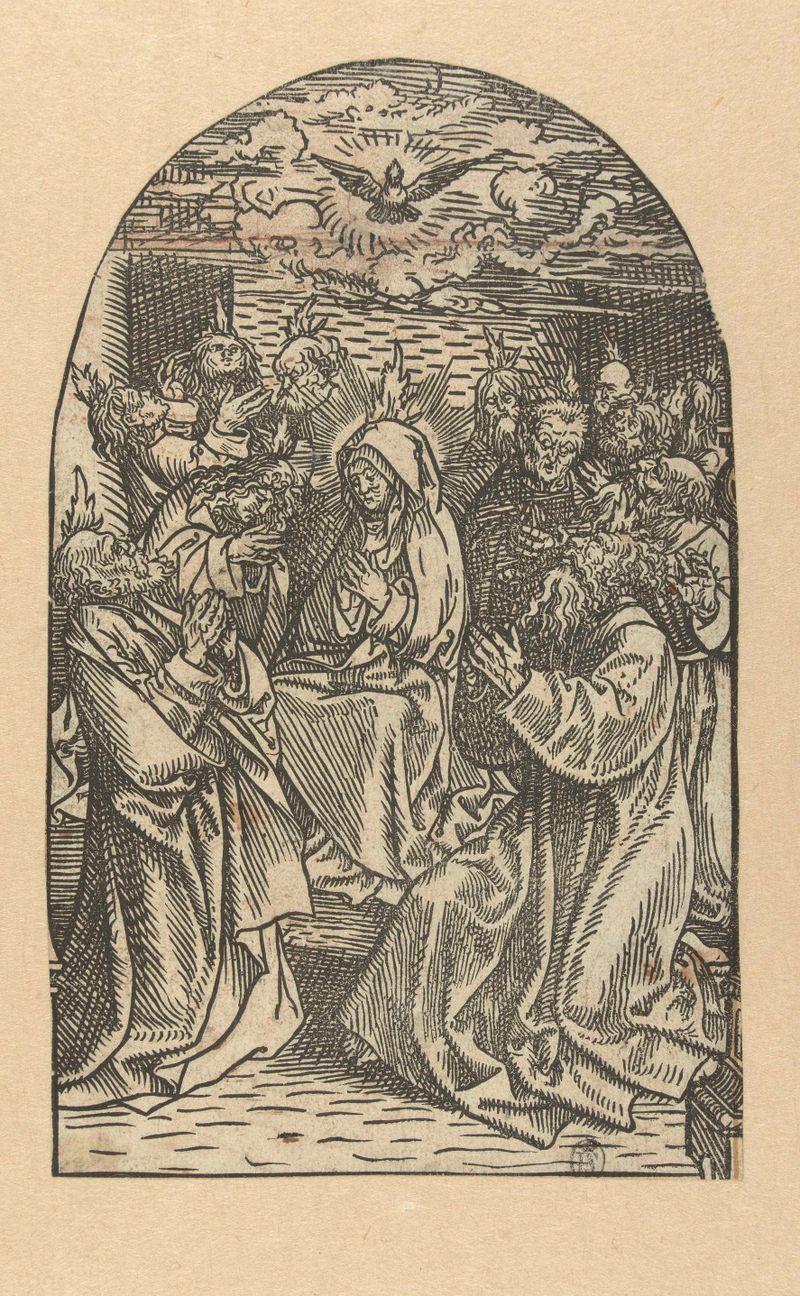
Uitstorting van de Heilige Geest
Jacob Cornelisz van Oostsanen
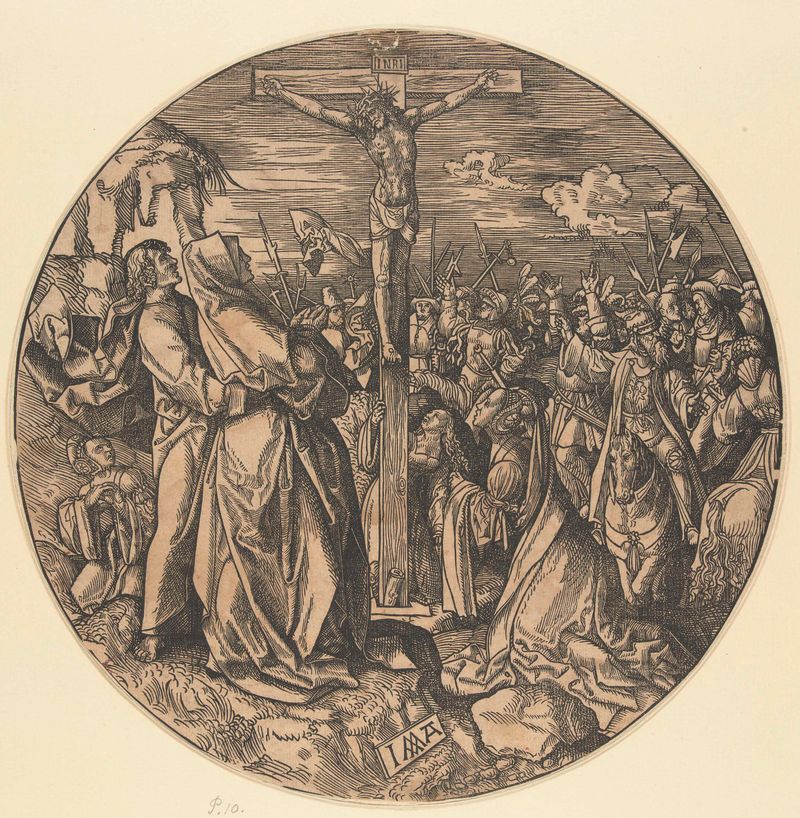
Christus aan het kruis
Jacob Cornelisz van Oostsanen

De kruisiging en de graflegging van Christus
Jacob Cornelisz van Oostsanen
More Religious Art
Browse all →
The Return of the Prodigal Son
Rembrandt van Rijn

The Garden of Earthly Delights
El Bosco

Count Orgaz’ funeral
El Greco

The Hundred Guilder Print: the central piece with Christ preaching, the plate arched
Rembrandt van Rijn

The Descent from the Cross
Rogier van der Weyden

The return of the prodigal son
Rembrandt van Rijn