
De kaartspeler en de Dood — History & Facts
Is this a mirror — or a memory? The tension woven through Wenceslaus Hollar's De kaartspeler en de Dood invites an introspective gaze, urging viewers to confront the line between life and oblivion, passion and obsession. Look to the left at the figure hunched over the table, immersed in the game of cards, his expression a mask of concentration. The light falls delicately on the aged wooden surface, illuminating the cards that seem to slip from the realm of mere play into the profound seriousness of fate. The shadowy figure of Death looms nearby, a stark contrast, rendered in deeper tones that draw the eye with an unsettling gravity.
The composition's balance between light and dark breathes life into the otherwise still moment, transforming it into a visual narrative fraught with meaning. Beneath the surface, the painting hints at a struggle between the transitory pleasure of gaming and the inevitable truth of mortality. The cards, symbols of chance, echo the randomness of life itself, while the figure of Death not only watches but almost leans in, suggesting that every moment of indulgence is fleeting and perhaps reckless. This duality reflects an obsession with life’s pleasures while foreshadowing the certainty of demise, inviting us to question what we value and how we choose to spend our time. Created around 1680, Hollar painted this work during a period marked by the Baroque's exploration of human emotion and the deeper realities of existence.
Residing in the changing cultural landscape of Europe, he navigated a world still reeling from conflicts and plagues. His artistry served as a commentary on the fleeting nature of life, amplifying the emotional intensity of the human experience through his meticulous attention to detail and atmospheric chiaroscuro.
More Artworks by Wenceslaus Hollar
Browse all →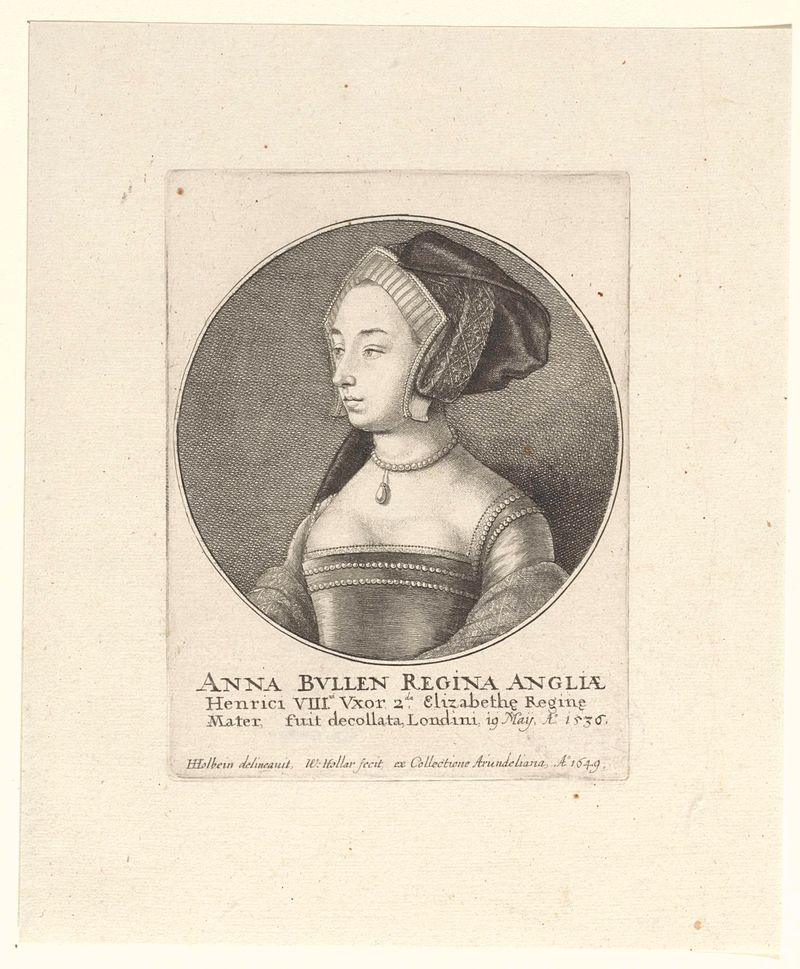
Portret van Anna Boleyn, koningin van Engeland
Wenceslaus Hollar
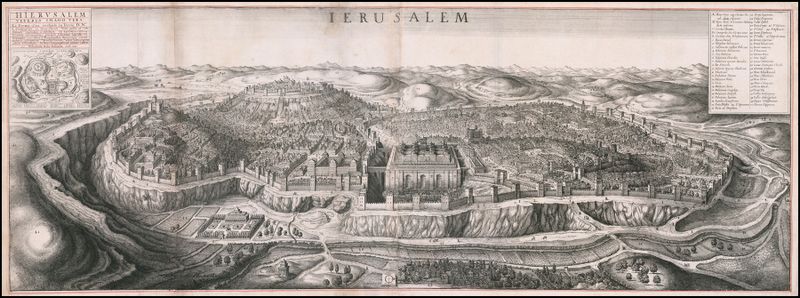
Bird’s eye view of Jerusalem
Wenceslaus Hollar
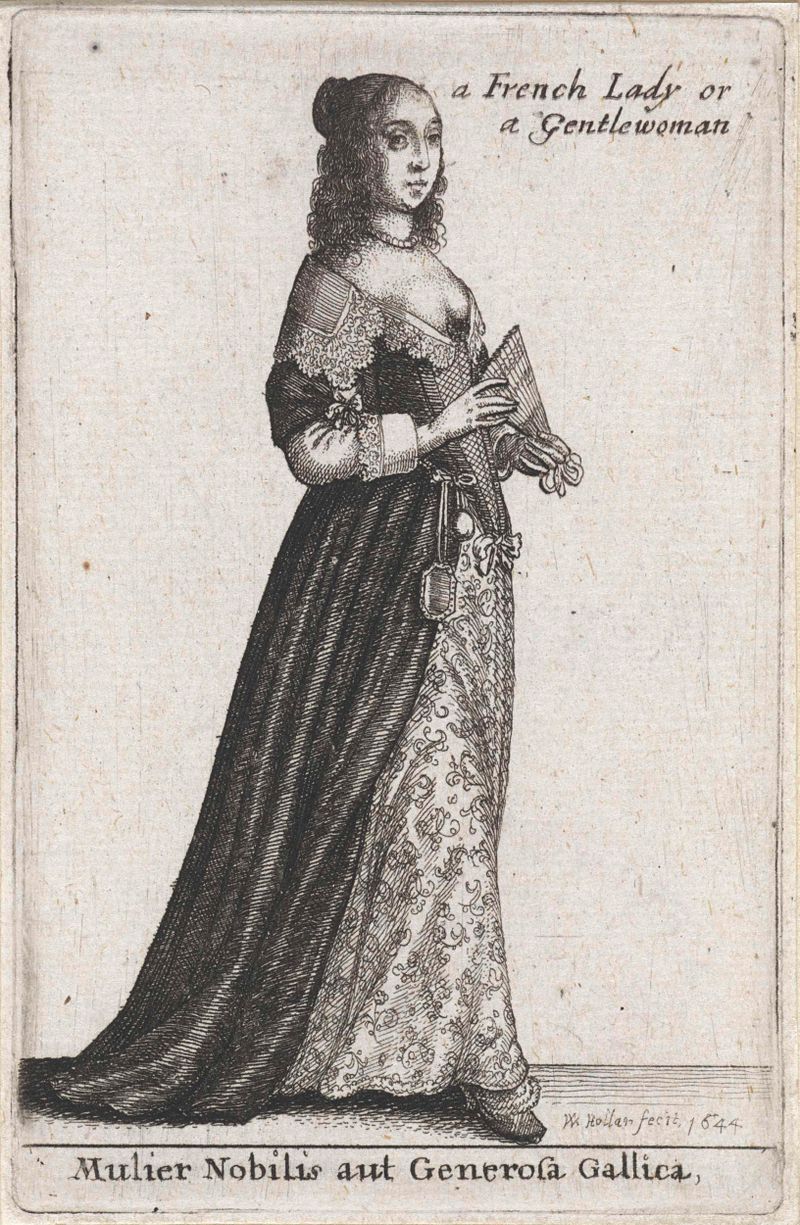
Mulier Nobilis aut Generosa Gallica / a French Lady or Gentlewoman
Wenceslaus Hollar
Titelprent voor: Ornatus Muliebris Anglicanus
Wenceslaus Hollar
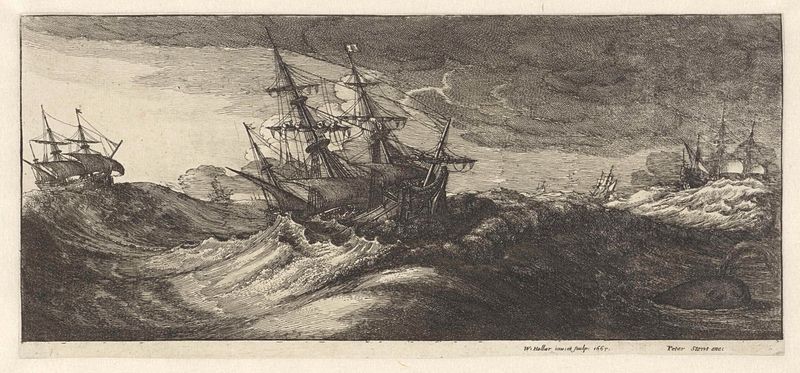
Oorlogsschepen en een walvis in een zeestorm
Wenceslaus Hollar
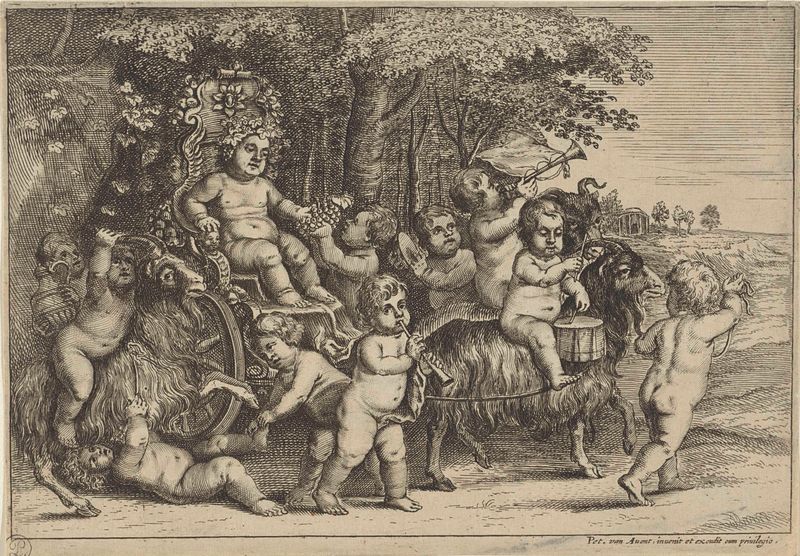
Optocht van bacchant en jongetjes op geiten
Wenceslaus Hollar
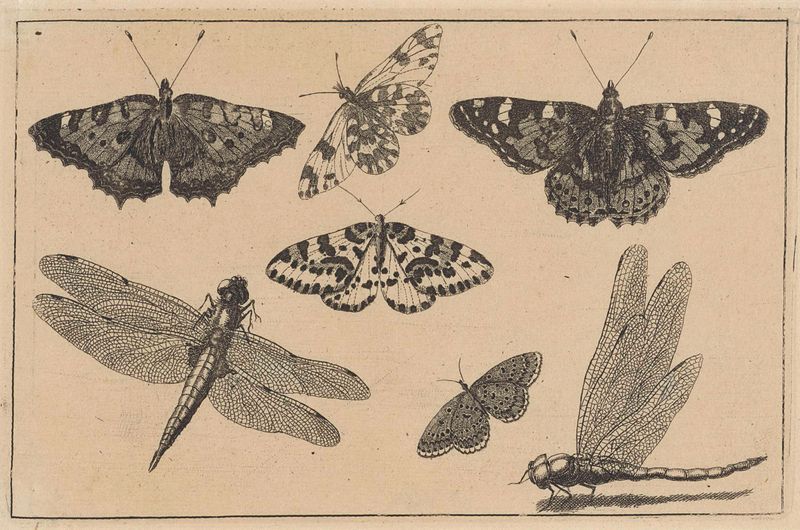
Twee libellen en vijf vlinders
Wenceslaus Hollar
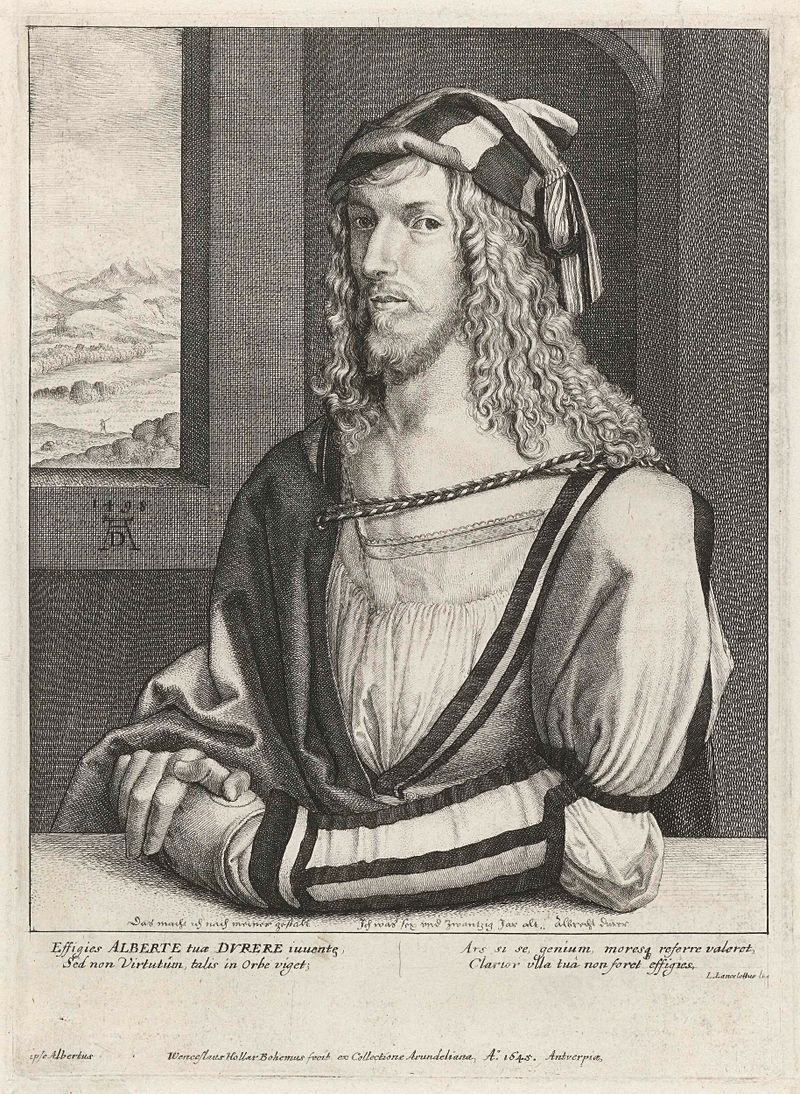
Portret van Albrecht Dürer
Wenceslaus Hollar
Ornamenteel ontwerp voor een dolk
Wenceslaus Hollar
Gezicht op Praag vanaf de Moldau
Wenceslaus Hollar





