
De kaartspeler en de Dood — History & Facts
In the quiet realms of existence, innocence often dances precariously close to oblivion. This duality comes alive in the work, capturing a moment that is both serene and unsettling. Look to the center, where the two card players are engrossed in their game. Their expressions, marked by concentration, contrast sharply with the looming figure of Death, who stands watchfully in the background, cloaked in shadows.
The artist's use of chiaroscuro creates a vivid interplay of light and dark, guiding our gaze to the players’ faces illuminated by an unseen source, as if innocence itself is under a stark, unforgiving spotlight. The tension in this piece lies in the juxtaposition of life and death, a theme that weaves through the fabric of existence. Notice the subtle details: the cards in their hands symbolize the choices we make, while the skeletal figure of Death serves as an ominous reminder of fate’s inevitable grip. The players’ casual demeanor in the face of mortality reflects a poignant innocence, as if they are unaware of the precariousness of their moment. Wenceslaus Hollar created this striking engraving in 1651, during a time when Baroque art was flourishing across Europe.
Living in a period marked by political upheaval and personal loss, Hollar’s own experiences with death and the transience of life shaped his artistic vision. The interplay between life, leisure, and the lurking specter of mortality speaks volumes about both his personal journey and the collective human experience.
More Artworks by Wenceslaus Hollar
Browse all →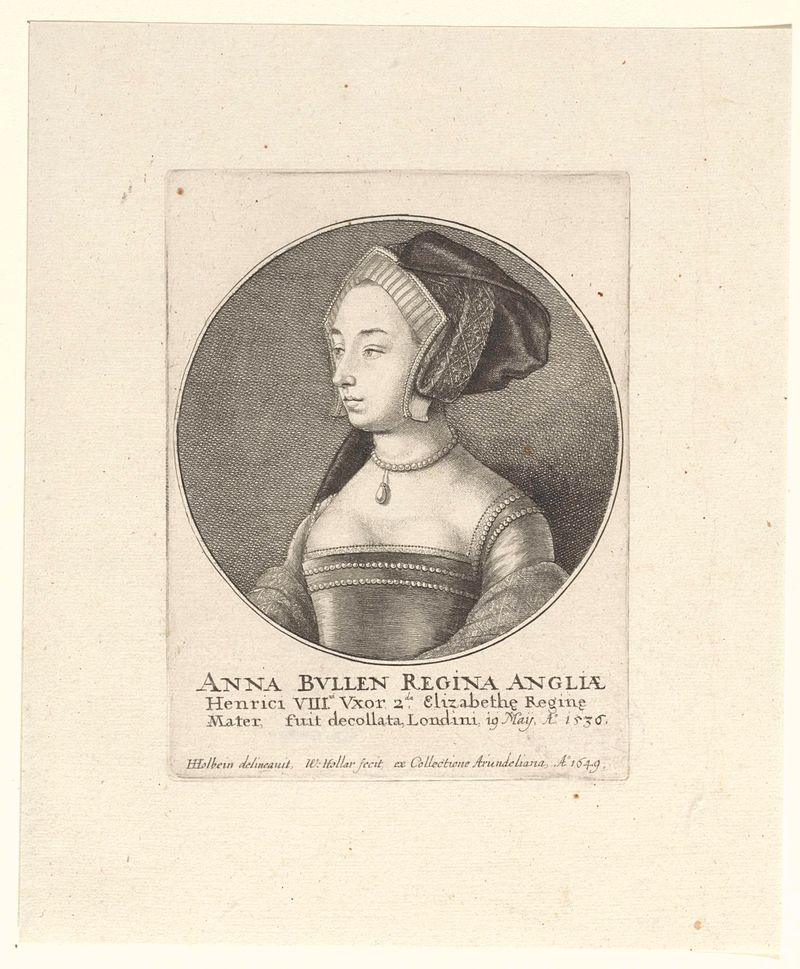
Portret van Anna Boleyn, koningin van Engeland
Wenceslaus Hollar
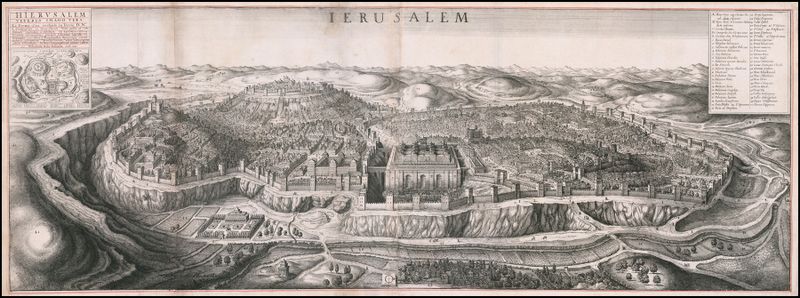
Bird’s eye view of Jerusalem
Wenceslaus Hollar
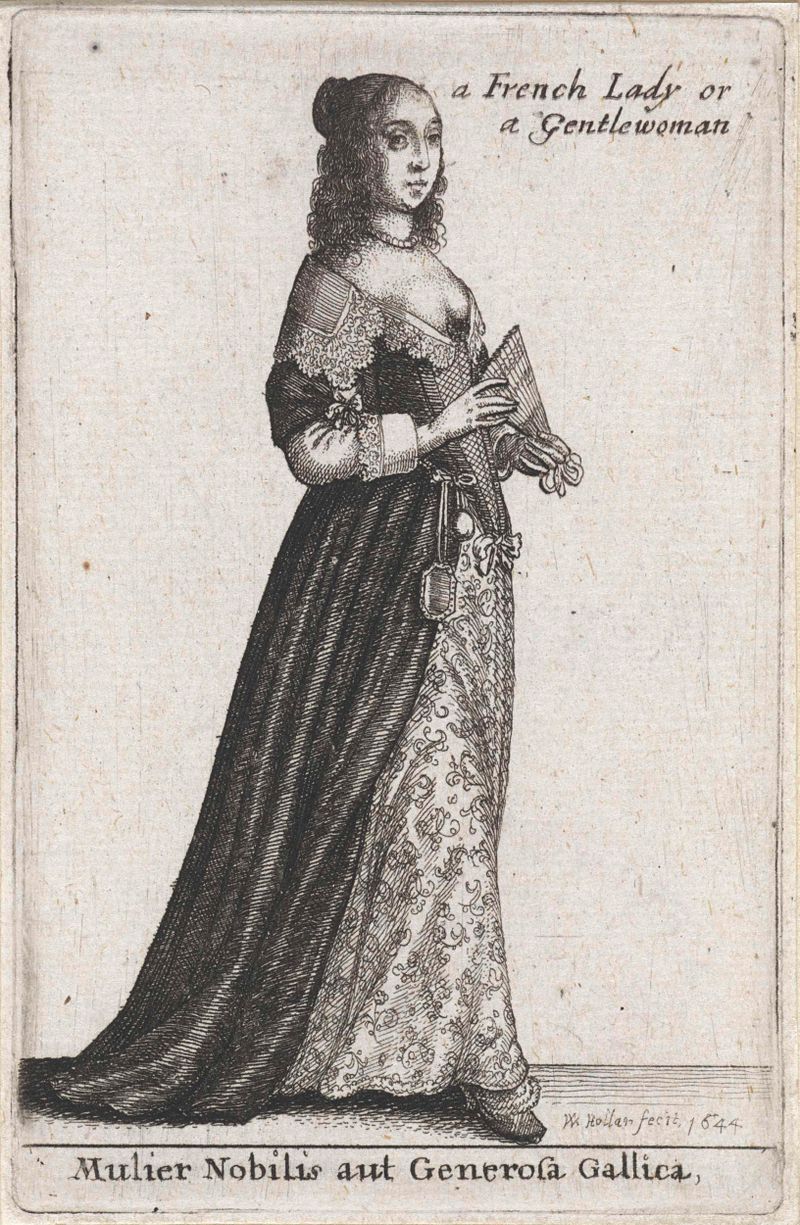
Mulier Nobilis aut Generosa Gallica / a French Lady or Gentlewoman
Wenceslaus Hollar
Titelprent voor: Ornatus Muliebris Anglicanus
Wenceslaus Hollar
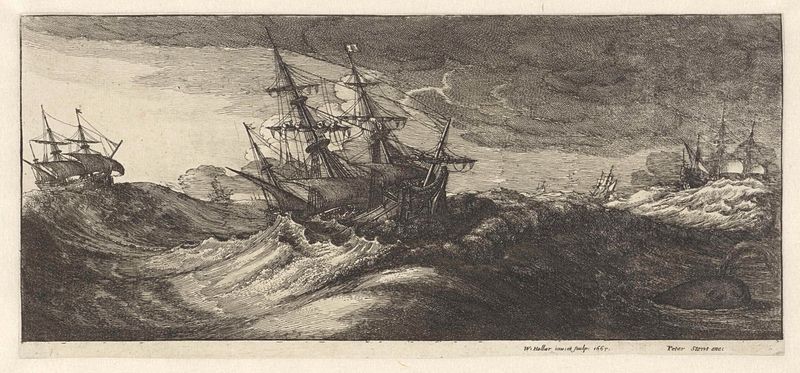
Oorlogsschepen en een walvis in een zeestorm
Wenceslaus Hollar
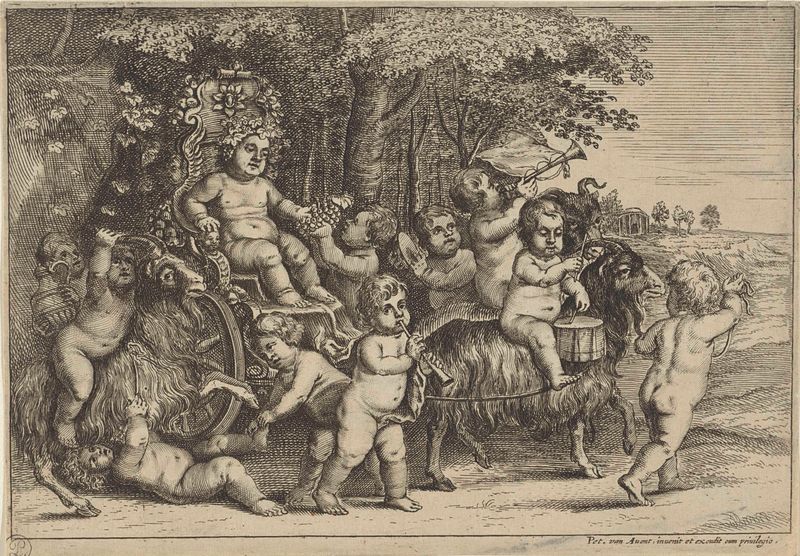
Optocht van bacchant en jongetjes op geiten
Wenceslaus Hollar
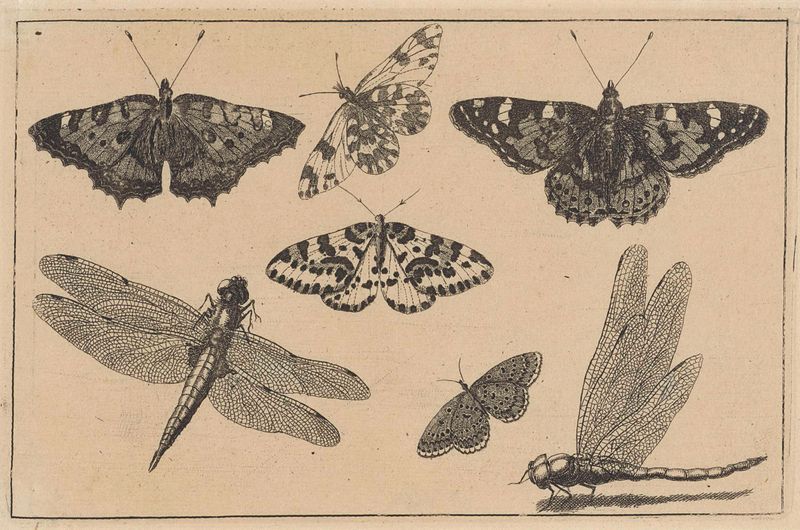
Twee libellen en vijf vlinders
Wenceslaus Hollar
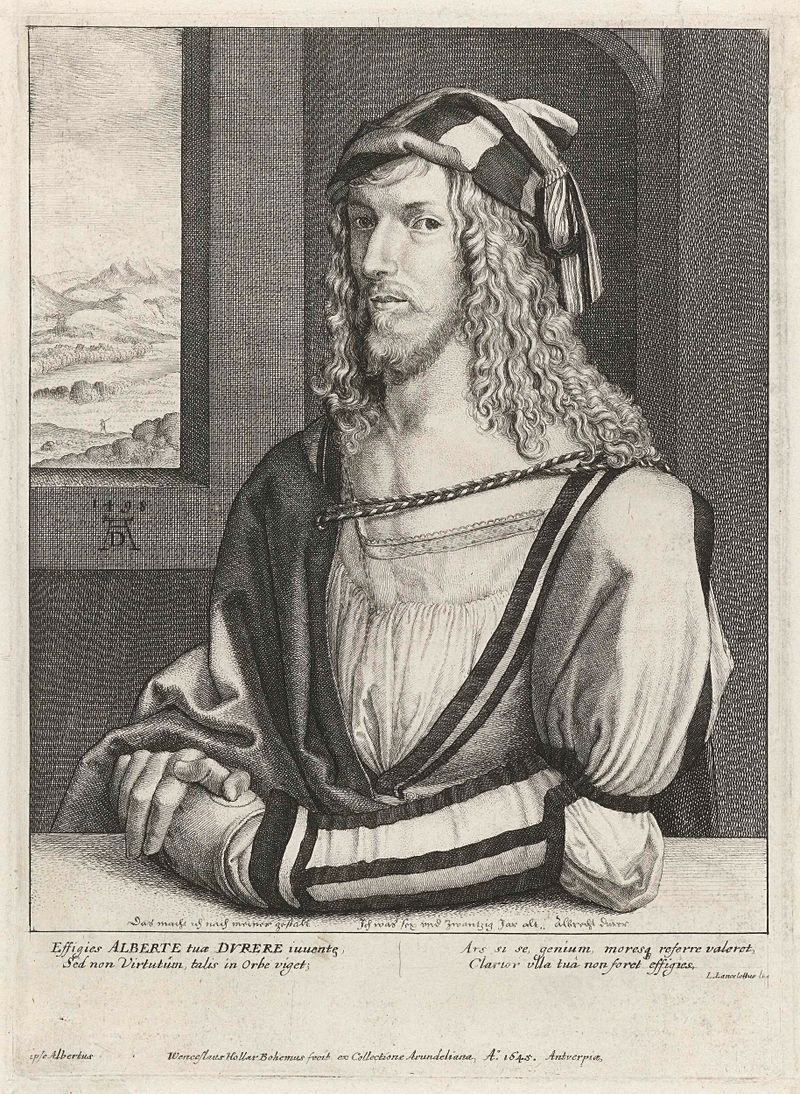
Portret van Albrecht Dürer
Wenceslaus Hollar
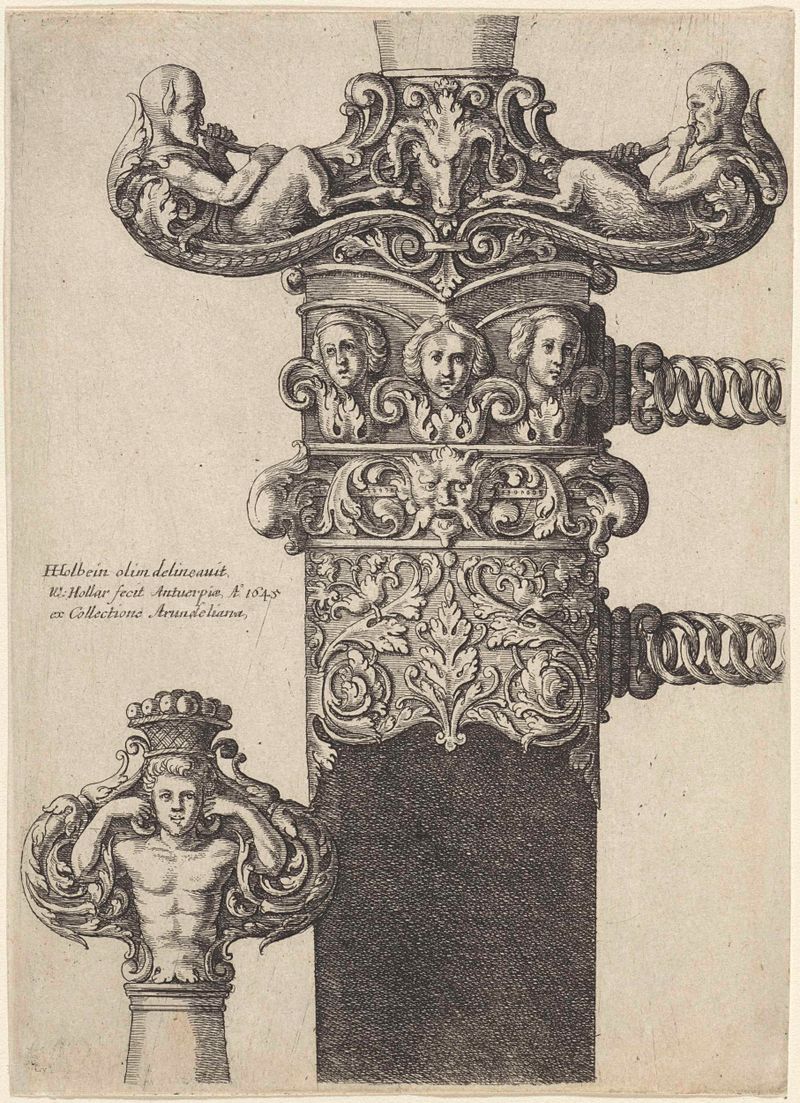
Ornamenteel ontwerp voor een dolk
Wenceslaus Hollar
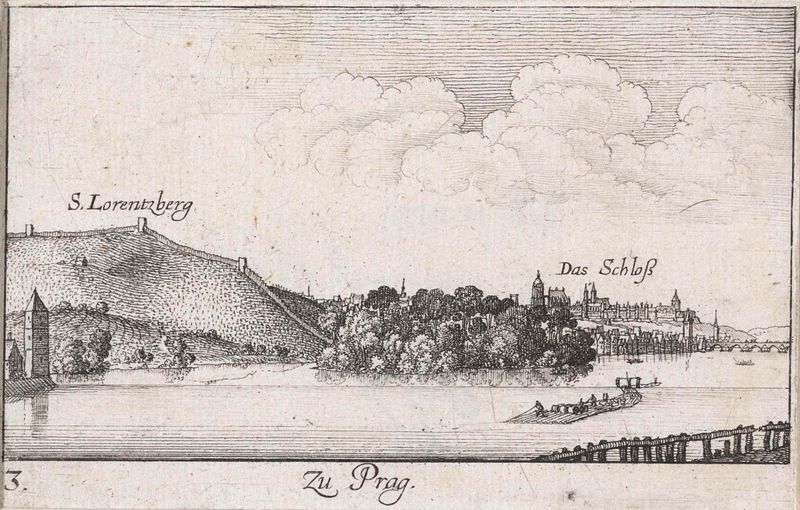
Gezicht op Praag vanaf de Moldau
Wenceslaus Hollar





