
De Katholieke Kerk en de Gemeenschap van Heiligen — History & Facts
In the stillness of the 16th century, melancholy permeated the air, whispering tales of devotion and the passage of time. The essence of collective faith and shared sorrow manifests in imagery that transcends the canvas, inviting the viewer to witness the fragile connection between the earthly and the divine. Look to the left, where the figures clad in somber hues form a tight circle, their expressions wrought with contemplation. The artist’s use of muted colors enhances the atmosphere, contrasting with the vibrant, gold-tinged background that suggests a heavenly presence looming just out of reach.
Notice how the light illuminates the faces, casting deep shadows that emphasize their solemnity—each gaze a portal into a soul wrestling with doubt and hope. Beneath the surface of this gathering lies a poignant tension between community and individual grief. The symbols scattered throughout—the cross, the halo, and the intertwining hands—whisper of unity yet highlight the isolation inherent in personal faith. Each detail serves as a reminder that devotion often carries the weight of melancholy, and the bonds formed through shared beliefs can also amplify the solitude of the heart. Jacob Cornelisz van Oostsanen created this poignant work in 1520, during a time when the Catholic Church faced internal strife and the beginnings of the Reformation cast uncertainty across Europe.
Living in Amsterdam, he was deeply influenced by the shifting tides of faith and the spiritual crises confronting society. This painting reflects not only his artistic mastery but also a collective yearning for solace amidst the chaos of change.
More Artworks by Jacob Cornelisz van Oostsanen
Browse all →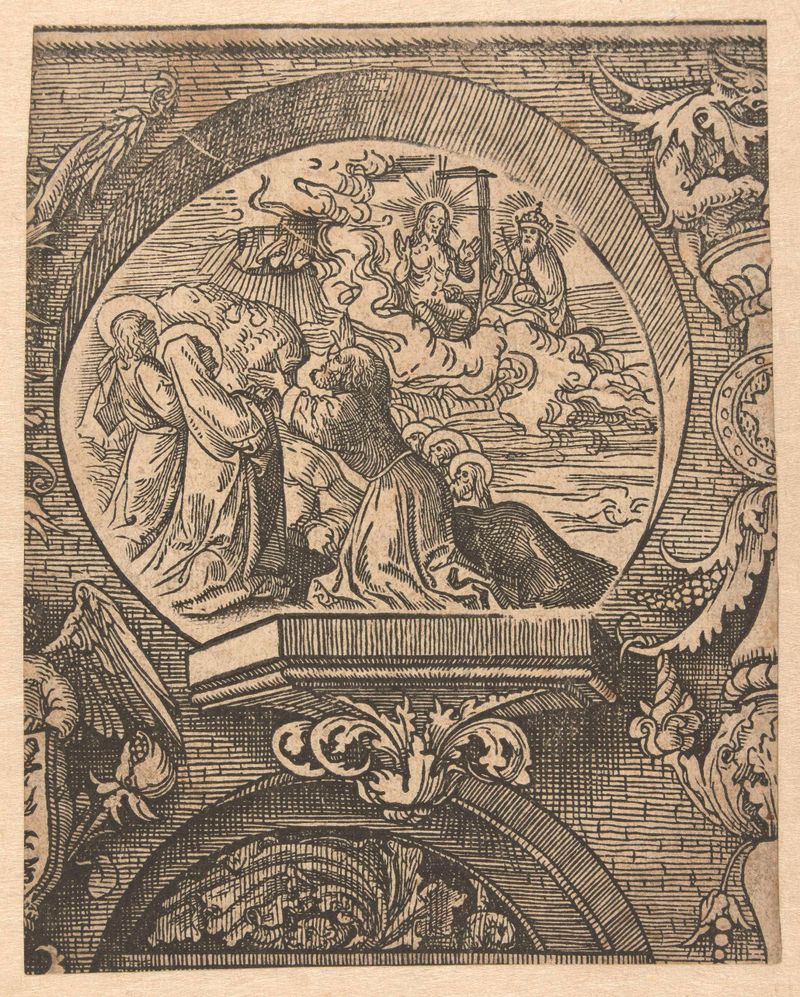
De hemelvaart en Christus voor God de Vader
Jacob Cornelisz van Oostsanen
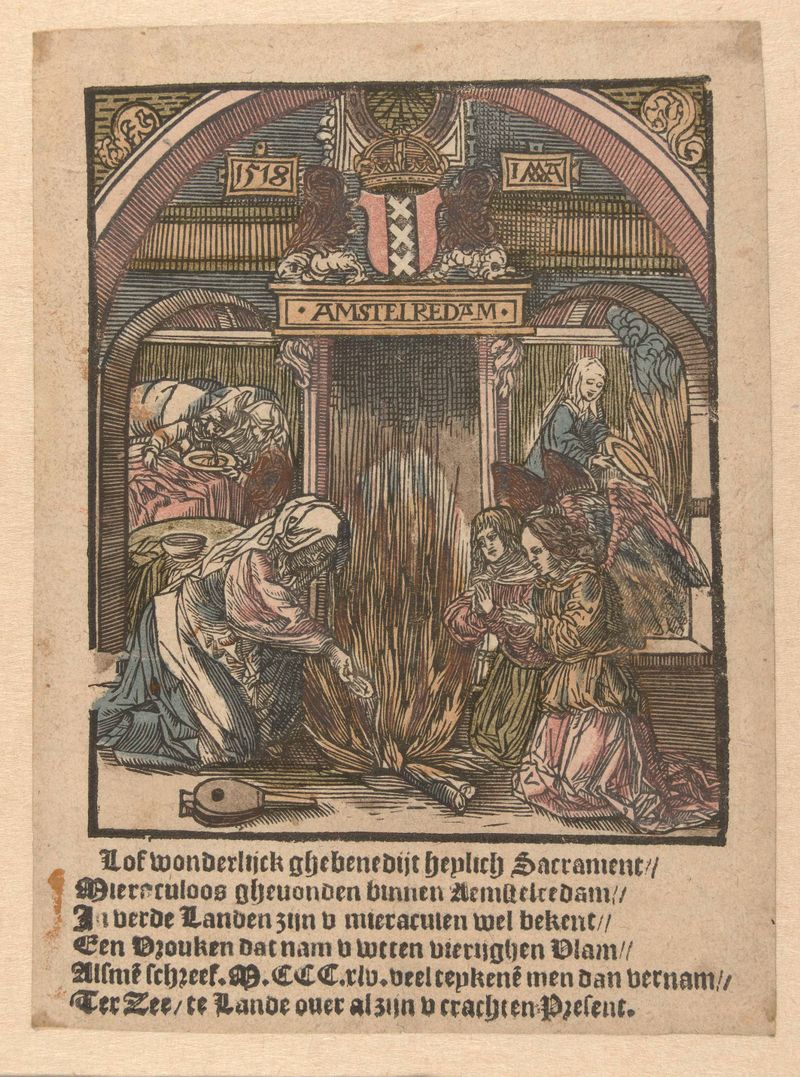
Het hostiewonder van Amsterdam
Jacob Cornelisz van Oostsanen
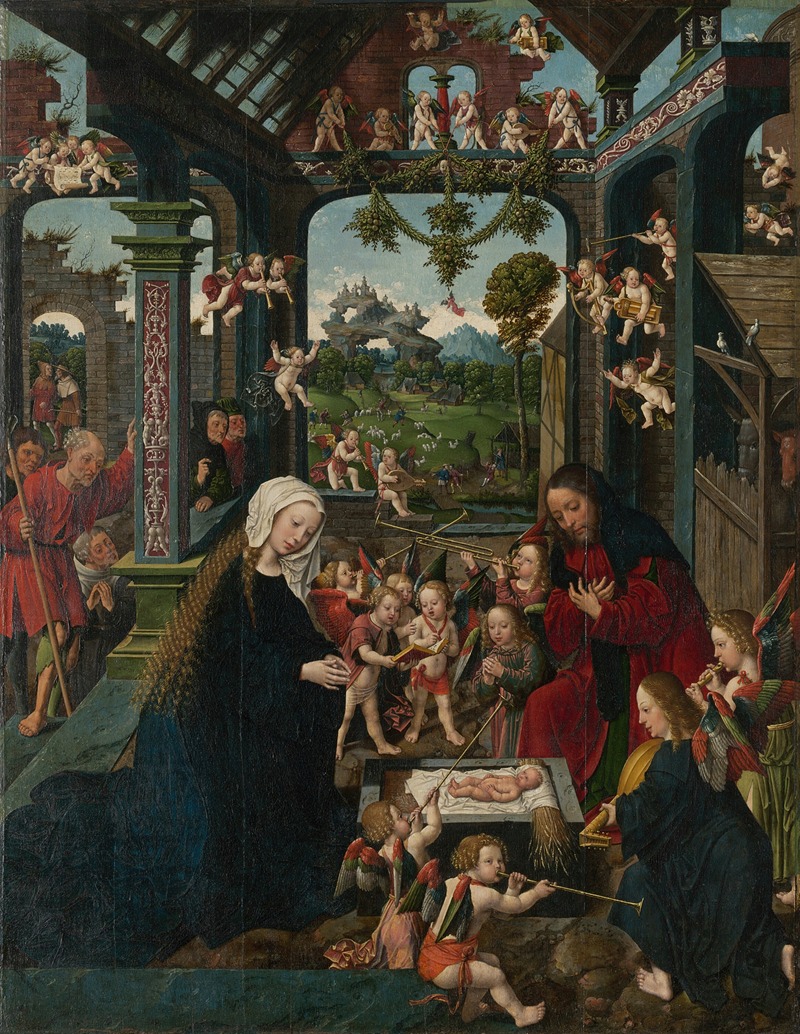
The Adoration of the Christ Child
Jacob Cornelisz van Oostsanen
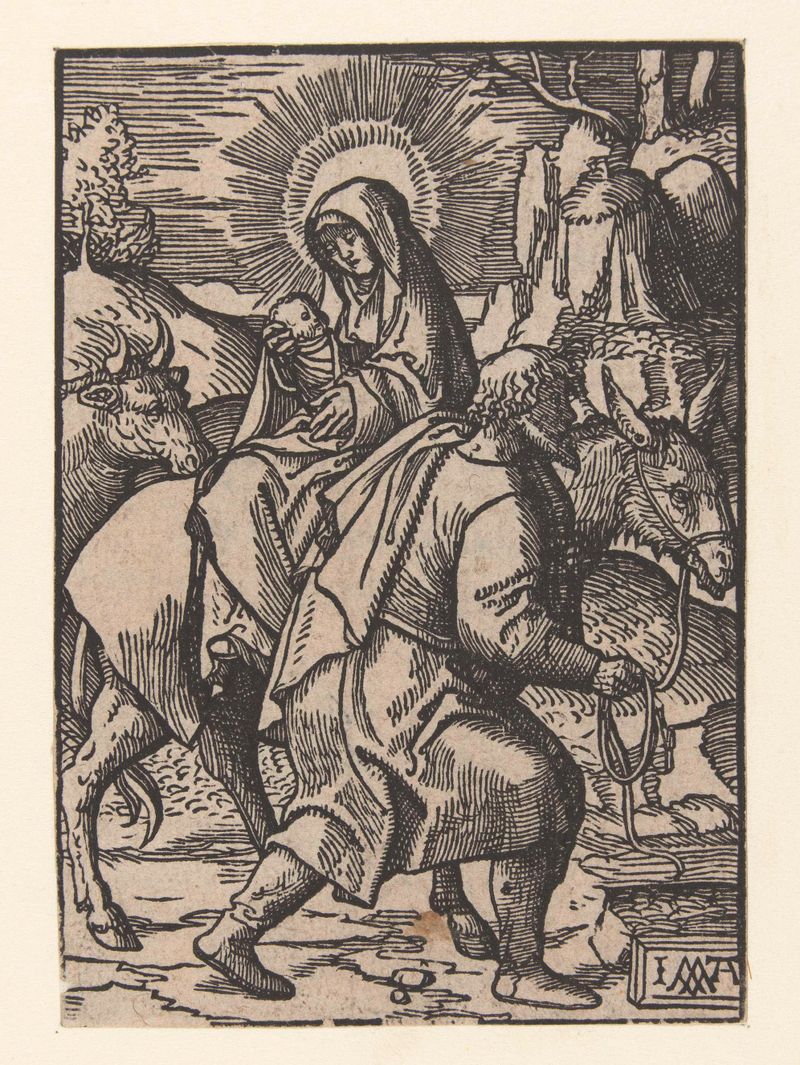
Vlucht naar Egypte
Jacob Cornelisz van Oostsanen
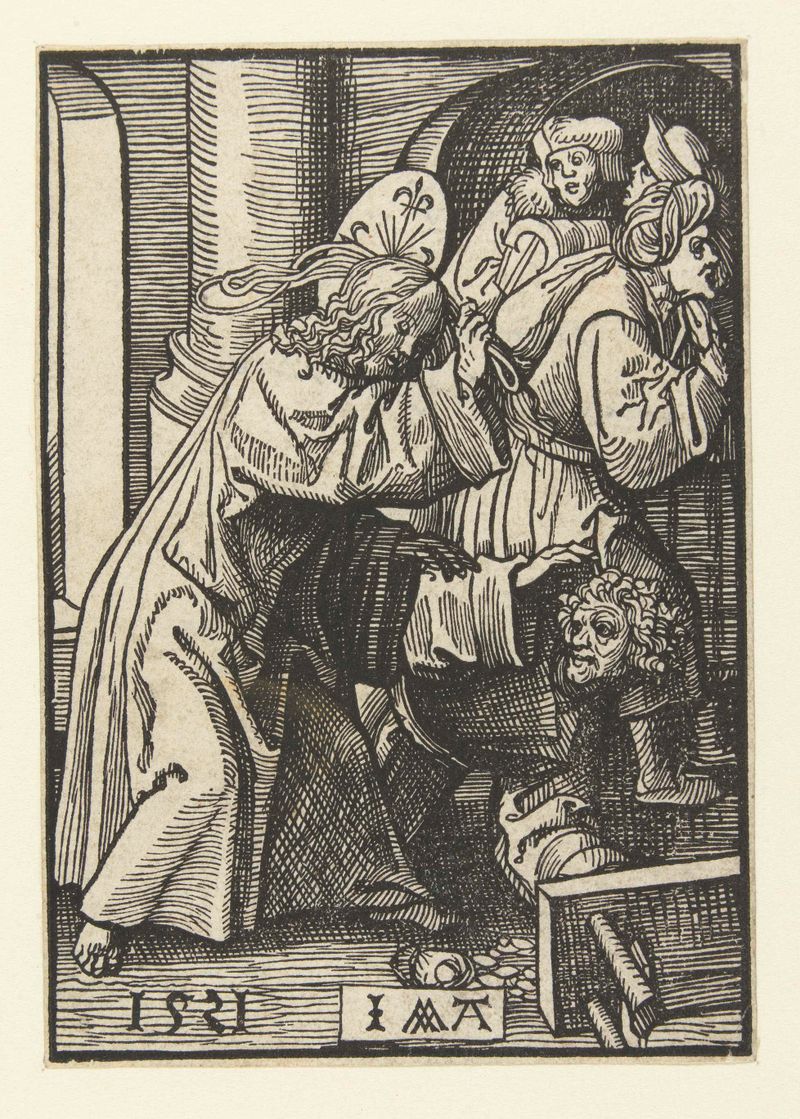
Verdrijving van de handelaren uit de tempel
Jacob Cornelisz van Oostsanen
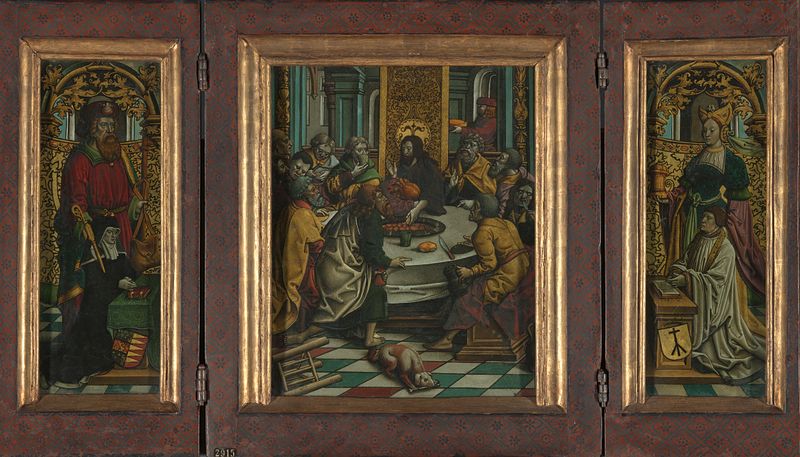
Triptych with the Last Supper and Donors
Jacob Cornelisz van Oostsanen
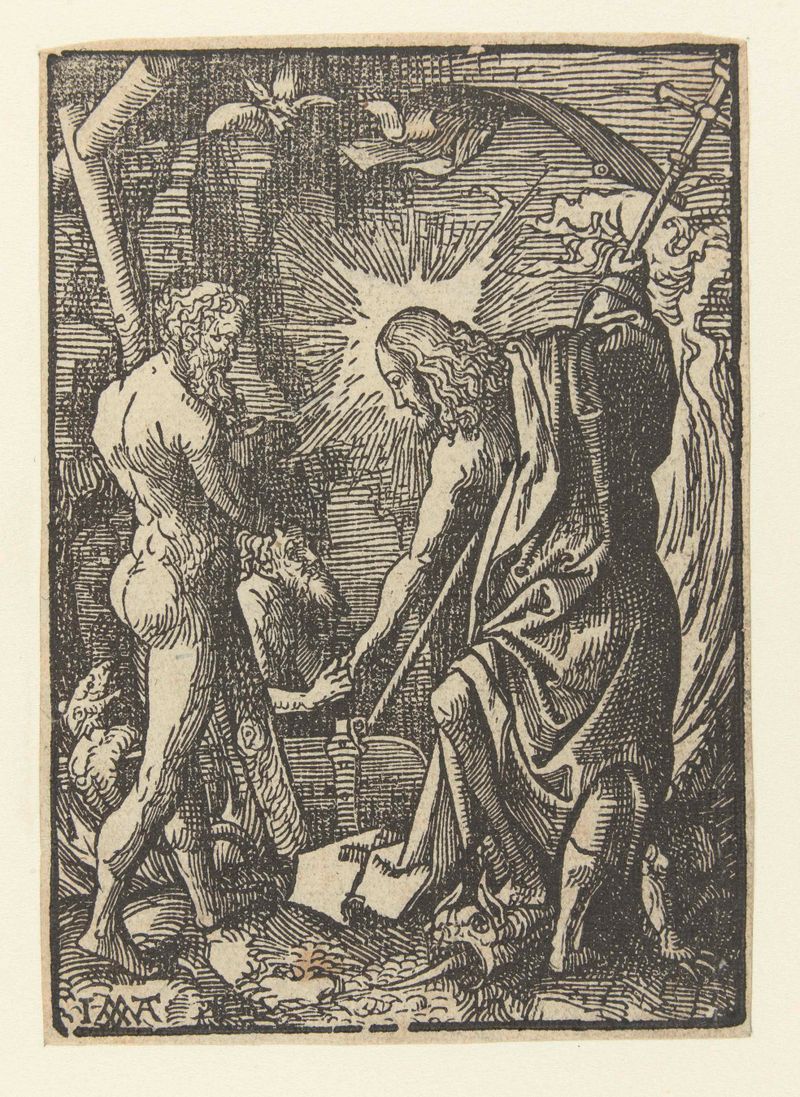
Christus in het voorgeborchte
Jacob Cornelisz van Oostsanen
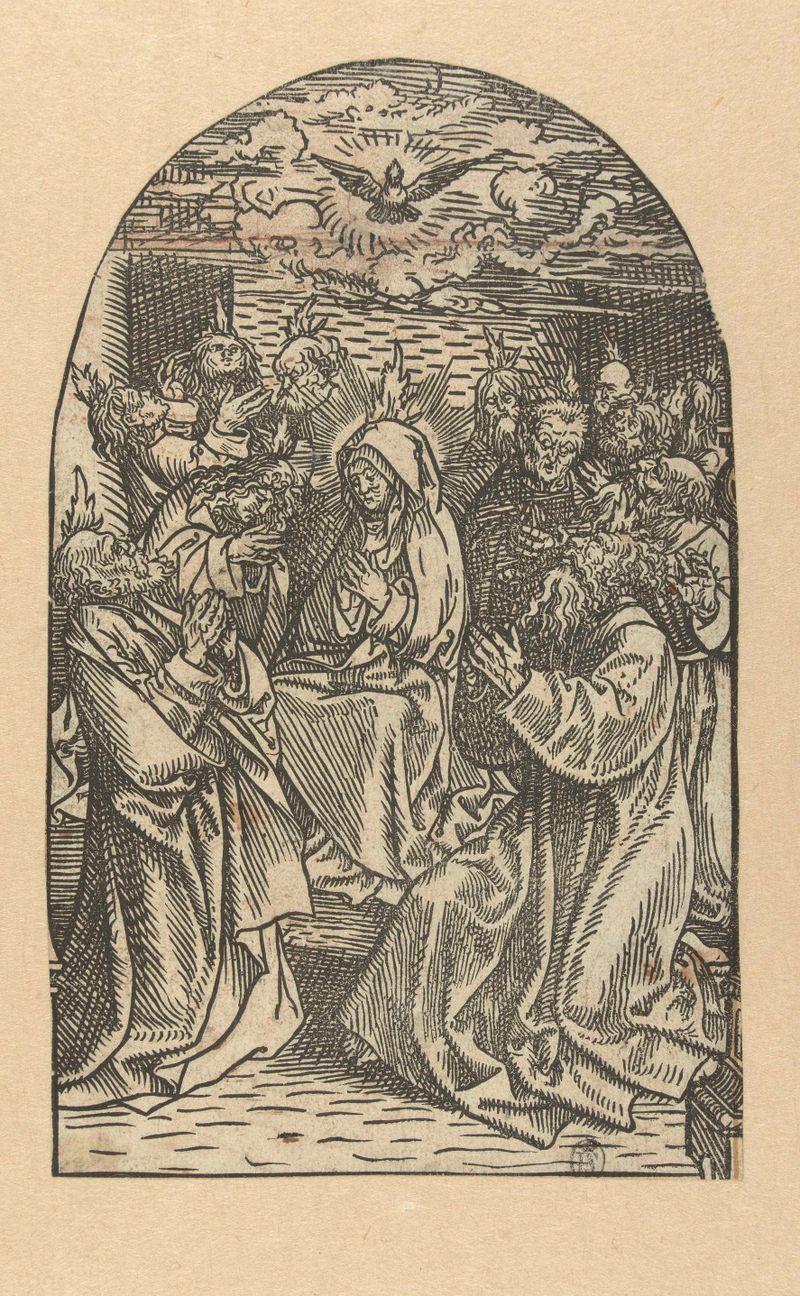
Uitstorting van de Heilige Geest
Jacob Cornelisz van Oostsanen
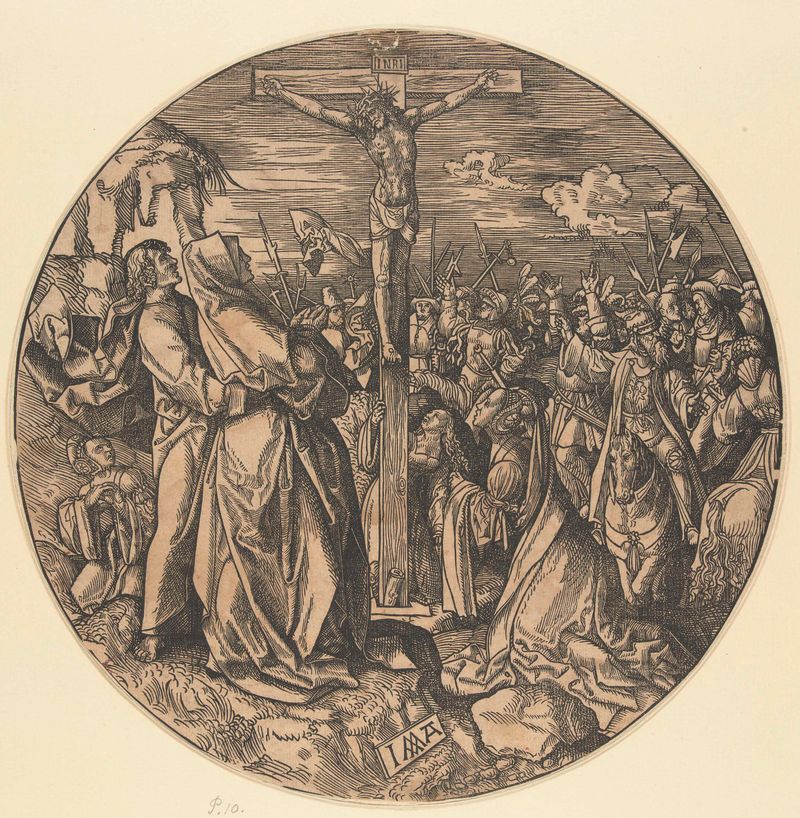
Christus aan het kruis
Jacob Cornelisz van Oostsanen

De kruisiging en de graflegging van Christus
Jacob Cornelisz van Oostsanen
More Religious Art
Browse all →
The Return of the Prodigal Son
Rembrandt van Rijn

The Garden of Earthly Delights
El Bosco

Count Orgaz’ funeral
El Greco

The Hundred Guilder Print: the central piece with Christ preaching, the plate arched
Rembrandt van Rijn

The Descent from the Cross
Rogier van der Weyden

The return of the prodigal son
Rembrandt van Rijn