
De keizer en de Dood — History & Facts
Who listens when art speaks of silence? In De keizer en de Dood, a haunting revelation unfolds as the viewer confronts the weight of mortality and the fragility of existence. Look closely at the central figure of the emperor, who stands poised and regal, yet a shadow of unease lingers in the air. Notice how the stark contrast between the luminous white of his garments and the deep, murky tones enveloping the skeletal figure of Death creates a palpable tension. The composition draws your eye to this interplay; the emperor’s gaze, resolute yet distant, meets the unwavering stare of Death, set against an atmospheric backdrop that amplifies their encounter. This artwork speaks not only of the inevitability of death but also of the ephemeral nature of power.
The delicate details—the regal crown juxtaposed with the hollow eyes of the grim specter—reflect an unsettling truth: authority is fleeting, and all are ultimately bound to the same fate. The subtle textures and chiaroscuro technique evoke a somber mood, urging contemplation on the universal struggle against mortality, and inviting a deeper reflection on how we confront our own existence. In 1651, Wenceslaus Hollar created this piece during a time of political upheaval in Europe, reflecting the anxieties of an age marked by conflict and uncertainty. Living in London after fleeing the Thirty Years’ War, Hollar was deeply influenced by the Baroque style and the themes of transience.
This work emerges as a poignant commentary on the human condition, serving as a bridge between the artist's experiences and the collective consciousness of the era.
More Artworks by Wenceslaus Hollar
Browse all →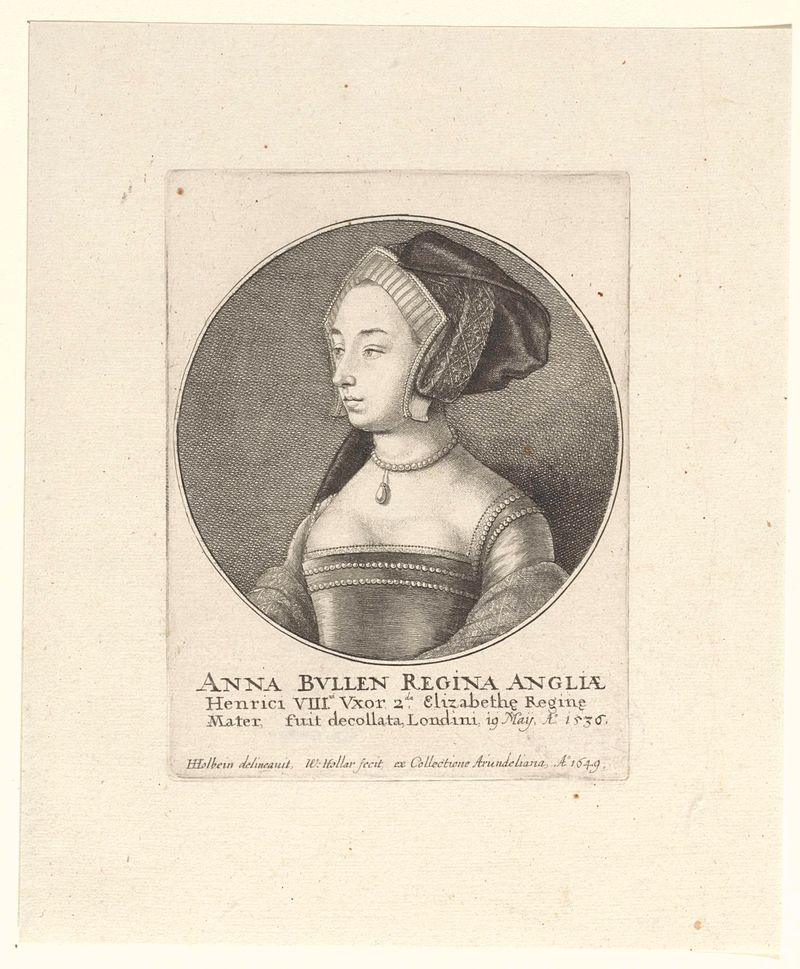
Portret van Anna Boleyn, koningin van Engeland
Wenceslaus Hollar
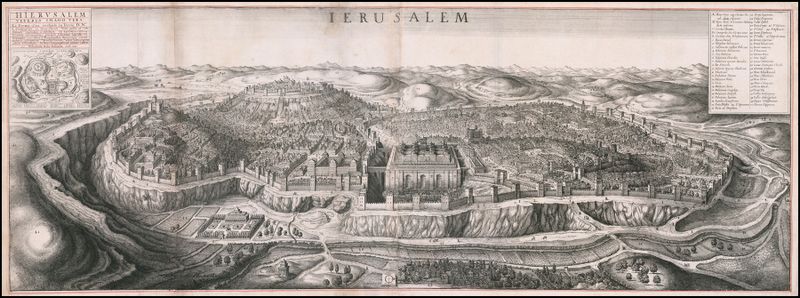
Bird’s eye view of Jerusalem
Wenceslaus Hollar
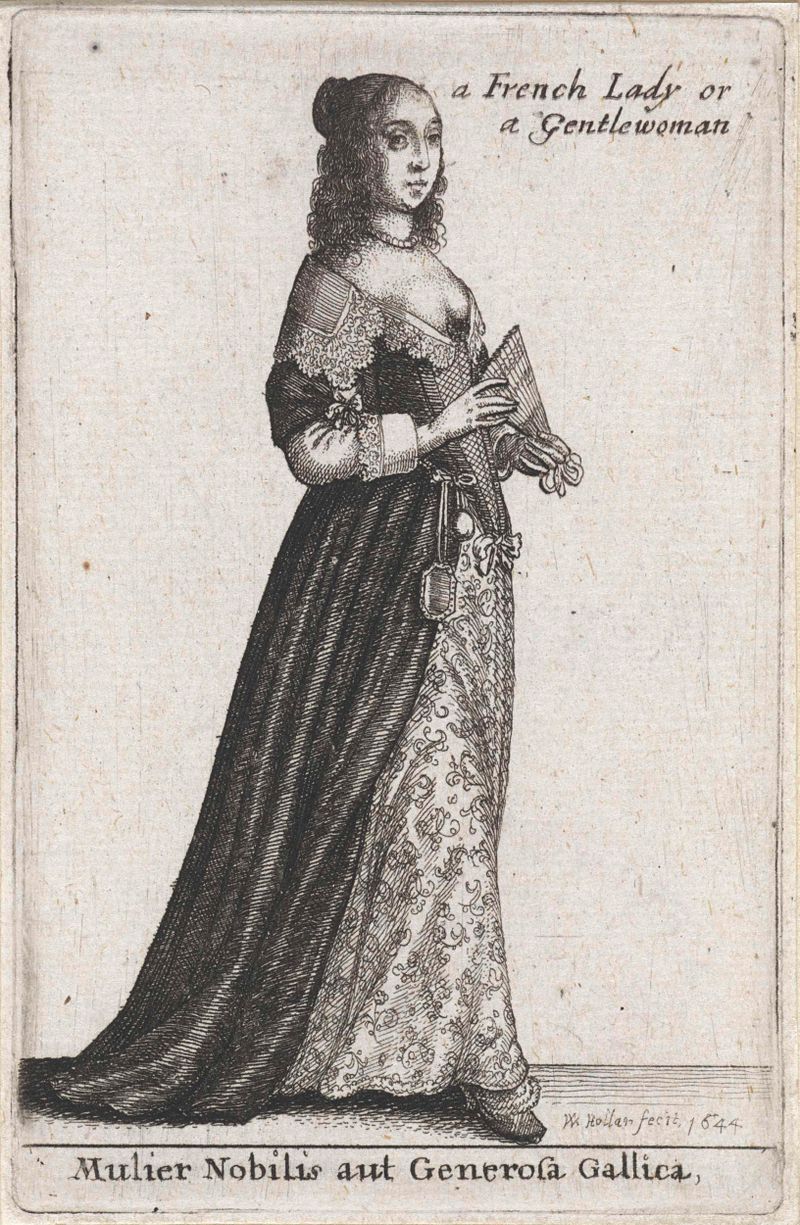
Mulier Nobilis aut Generosa Gallica / a French Lady or Gentlewoman
Wenceslaus Hollar
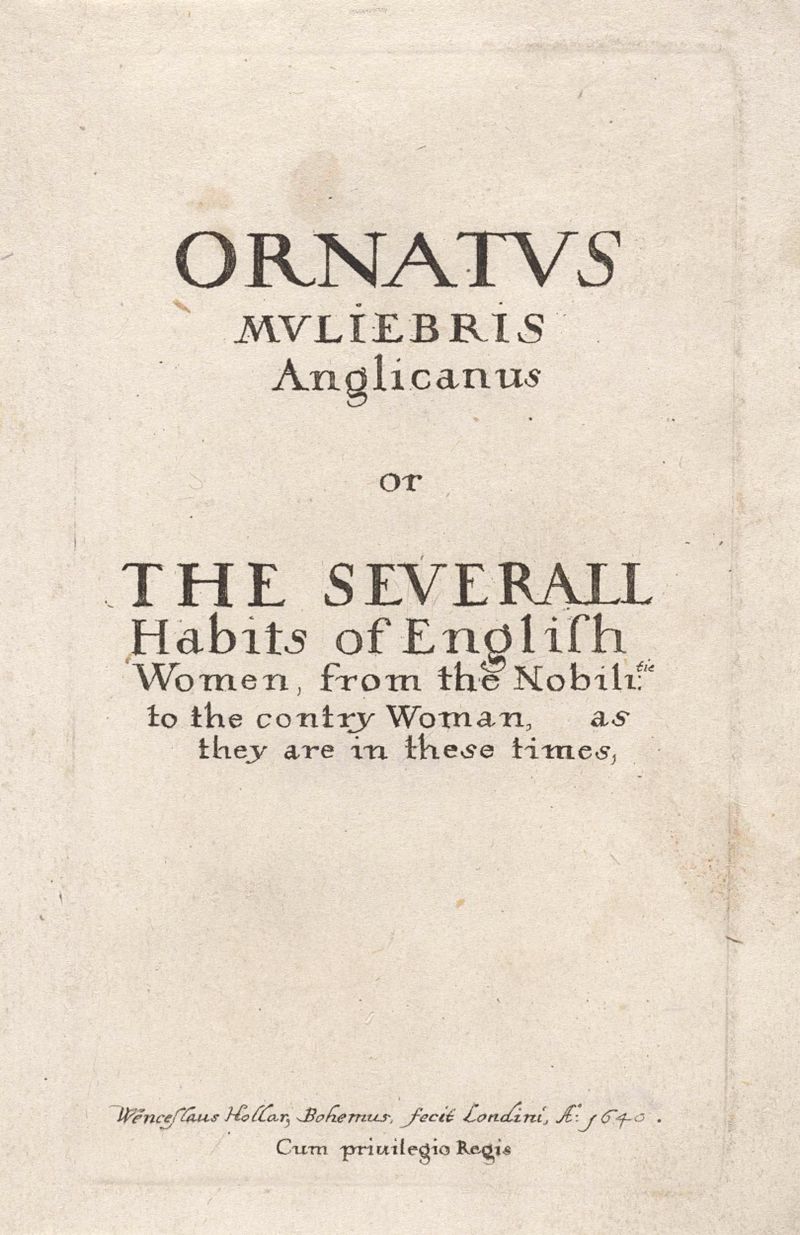
Titelprent voor: Ornatus Muliebris Anglicanus
Wenceslaus Hollar
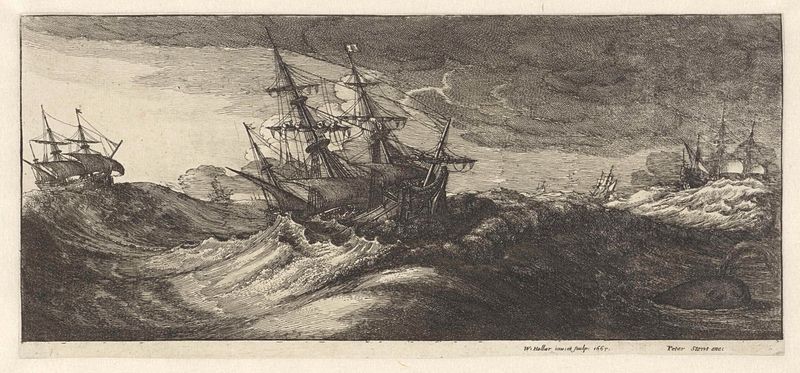
Oorlogsschepen en een walvis in een zeestorm
Wenceslaus Hollar
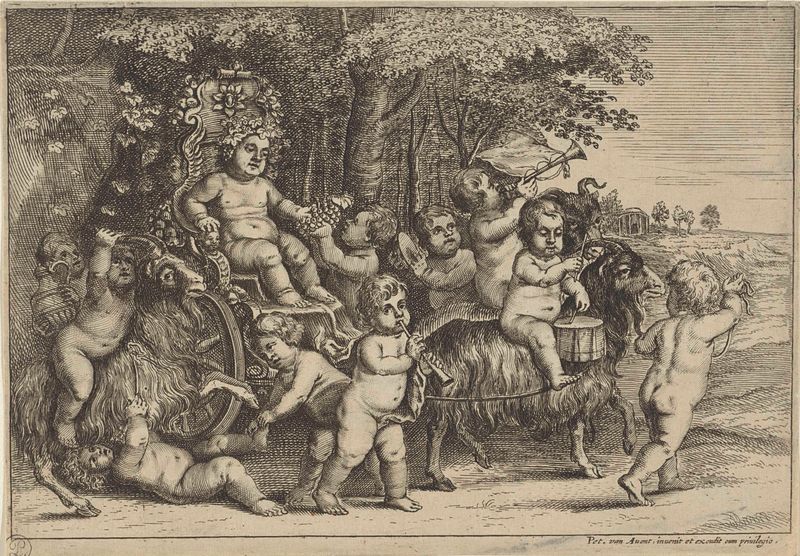
Optocht van bacchant en jongetjes op geiten
Wenceslaus Hollar
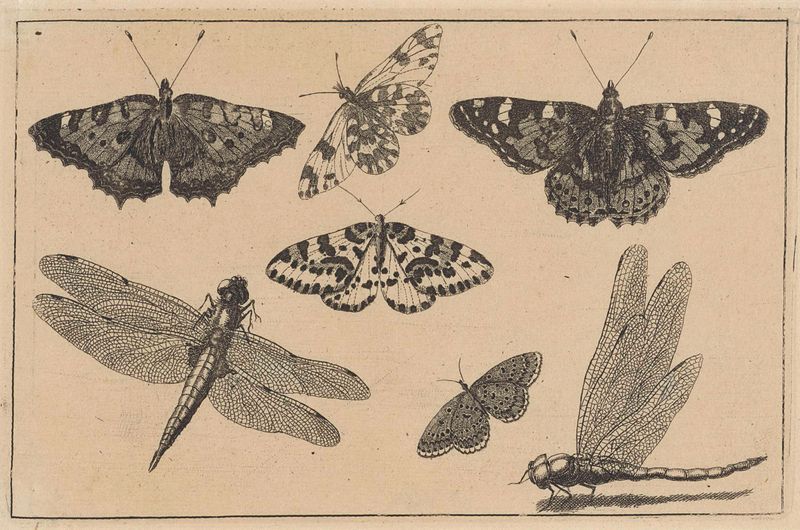
Twee libellen en vijf vlinders
Wenceslaus Hollar
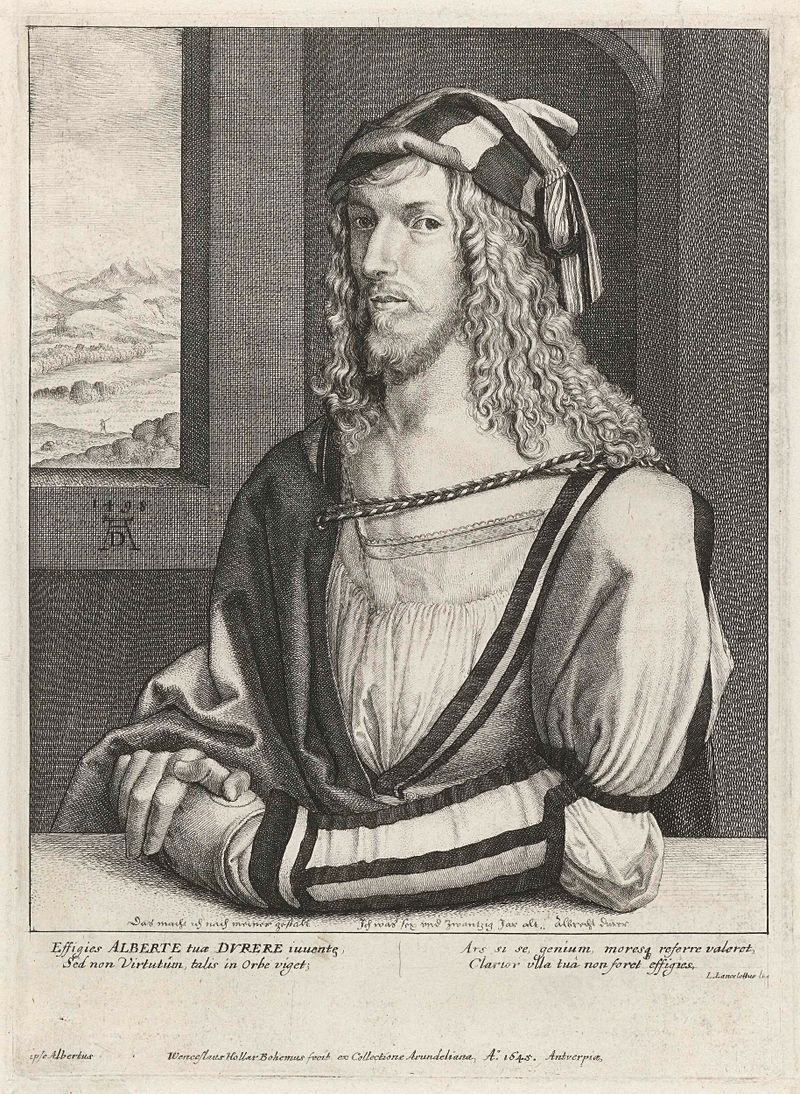
Portret van Albrecht Dürer
Wenceslaus Hollar
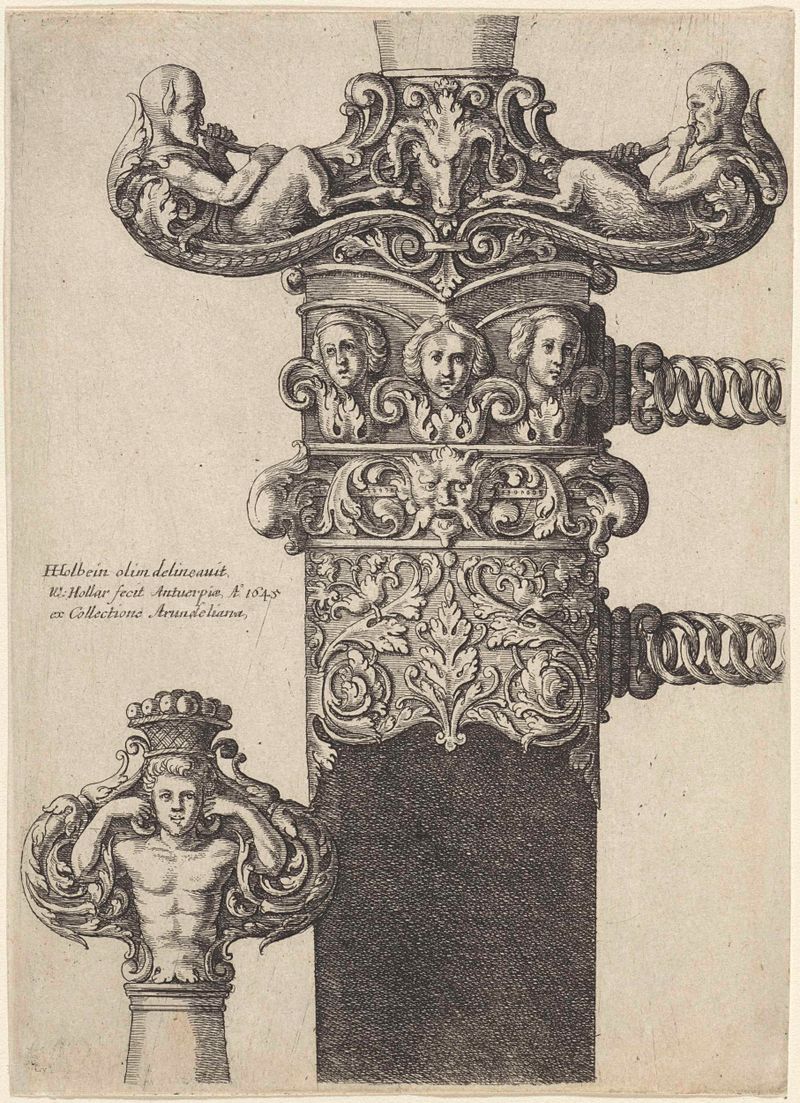
Ornamenteel ontwerp voor een dolk
Wenceslaus Hollar
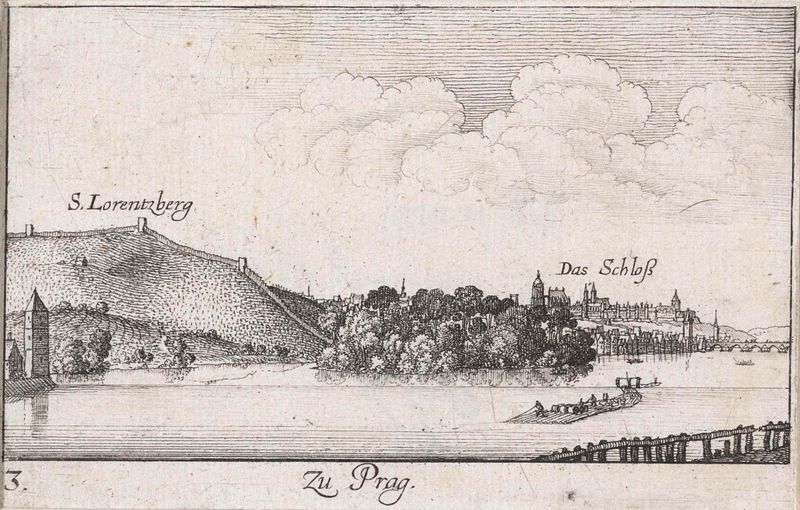
Gezicht op Praag vanaf de Moldau
Wenceslaus Hollar
More Historical Art
Browse all →
The Night Watch Militia Company of District II under the Command of Captain Frans Banninck Cocq
Rembrandt van Rijn

Lincoln Memorial
Henry Bacon

The Third of May 1808
Francisco de Goya

Isaac and Rebecca, Known as ‘The Jewish Bride’
Rembrandt van Rijn

The Charge of the Mamelukes (1814)
Francisco de Goya

De vier ruiters van de apocalyps
Albrecht Dürer