De keizerin en de Dood — History & Facts
Is this a mirror — or a memory? In De keizerin en de Dood, Wenceslaus Hollar captures a moment steeped in the tension between life’s fleeting ecstasy and the inevitability of demise. The viewer is drawn into an intimate dialogue about existence, where the boundaries of mortality and desire blur in the delicate interplay of light and shadow. Focus on the central figure of the empress, draped in opulent garments that cascade softly around her form. The intricate details of her attire, rendered with exquisite precision, allow you to appreciate the lavishness of her status, while her expression—one of serene contemplation—invites deeper reflection.
Notice how the pale light illuminates her face, casting gentle highlights that suggest both vibrance and fragility. In contrast, the figure of Death lurks just beyond her reach, shrouded in darkness, symbolizing the ever-looming presence of fate. The contrasting elements create a rich tapestry of emotions; the juxtaposition of the empress's regal demeanor against the ominous silhouette of Death evokes a haunting reminder of life's transient joys. Each ornamental detail plays a role, from the luxurious fabric of her dress to the skeletal hand extending toward her.
These choices reveal the artist's intent to convey not just the splendor of imperial life, but also the lurking dread that accompanies it — a reminder that ecstasy is always intertwined with the specter of mortality. In 1651, Hollar created this poignant work during a time of immense political and personal upheaval in Europe. Working predominantly in the context of the Thirty Years' War and facing the challenges of exile, he turned to themes of mortality and existence in his art, reflecting both his own experiences and the broader uncertainties of his era. This piece stands as a testament to the artist's ability to distill complex human experiences into visual narratives that resonate across time.
More Artworks by Wenceslaus Hollar
Browse all →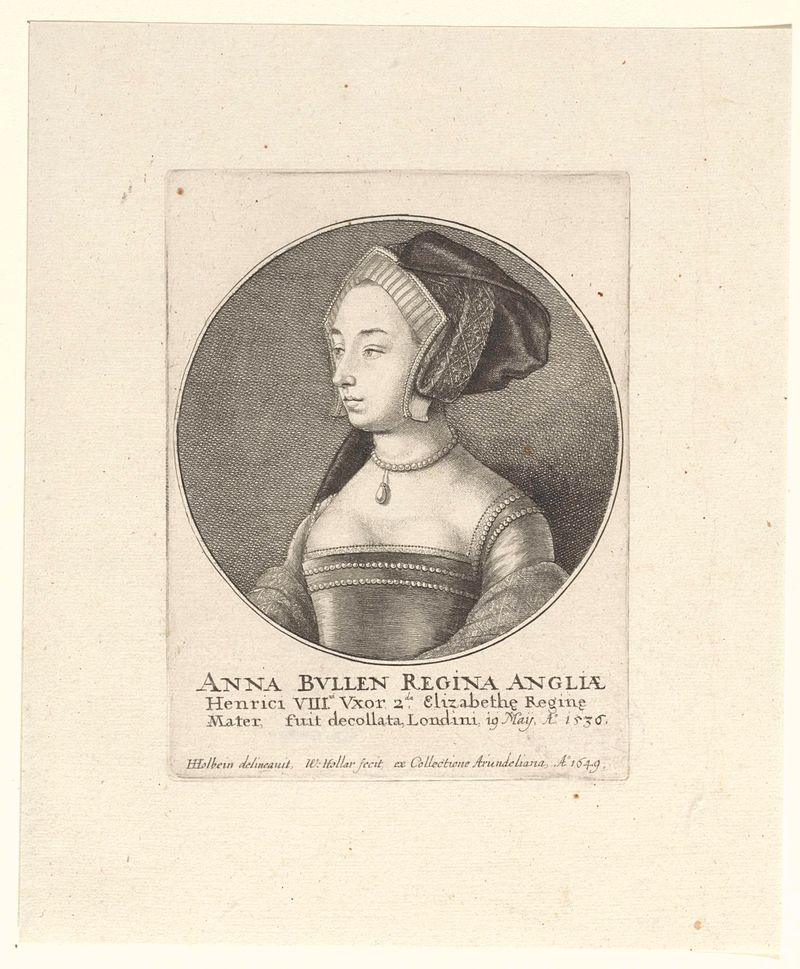
Portret van Anna Boleyn, koningin van Engeland
Wenceslaus Hollar
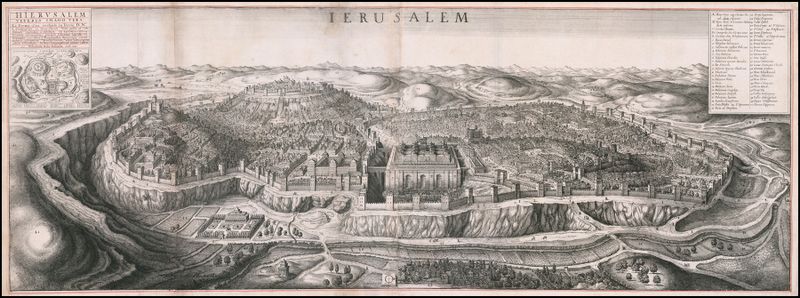
Bird’s eye view of Jerusalem
Wenceslaus Hollar
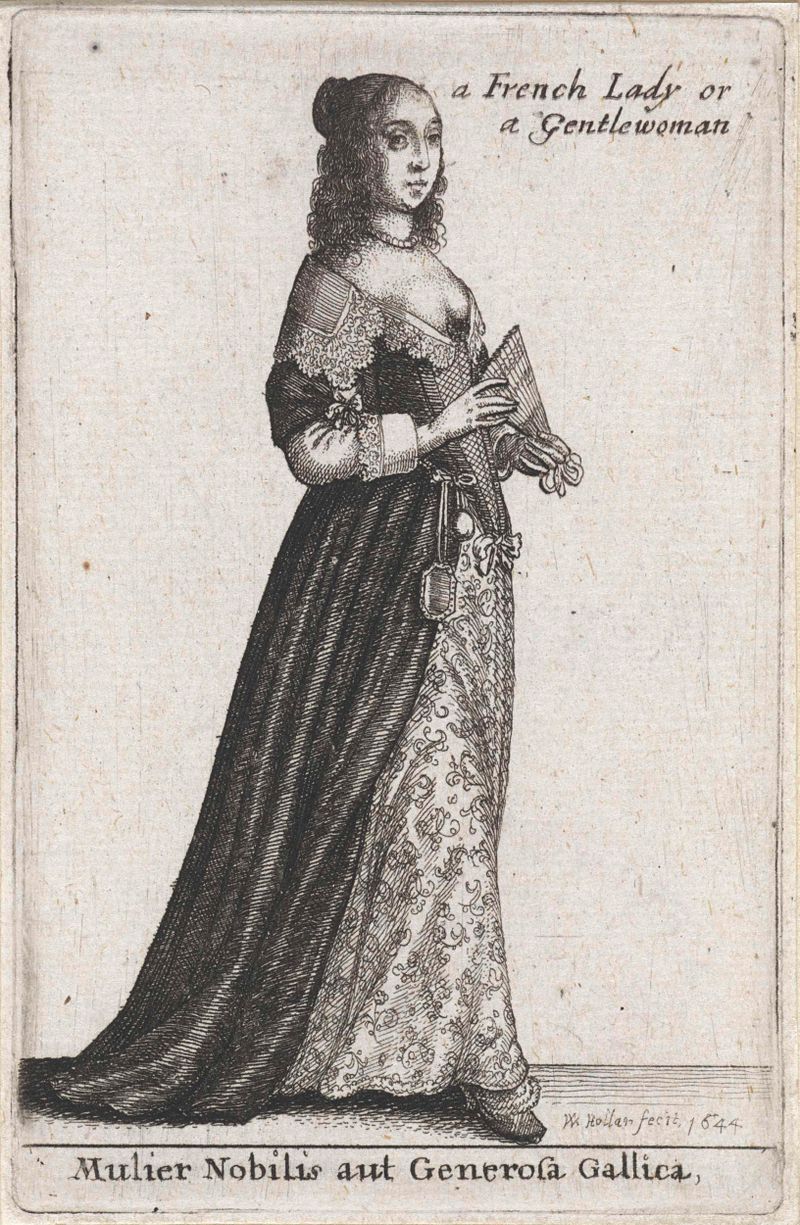
Mulier Nobilis aut Generosa Gallica / a French Lady or Gentlewoman
Wenceslaus Hollar
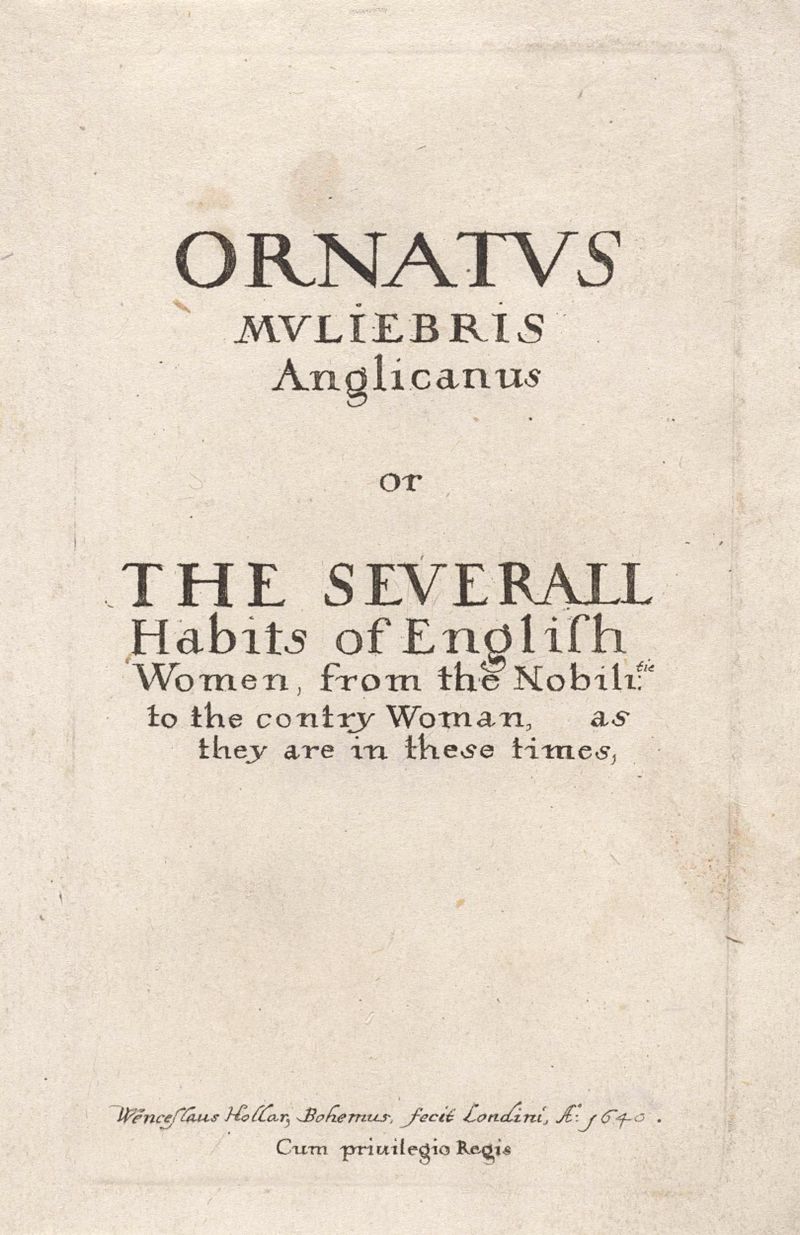
Titelprent voor: Ornatus Muliebris Anglicanus
Wenceslaus Hollar
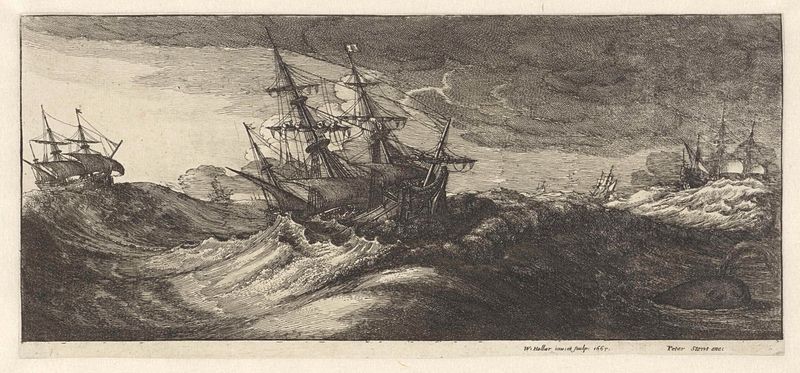
Oorlogsschepen en een walvis in een zeestorm
Wenceslaus Hollar
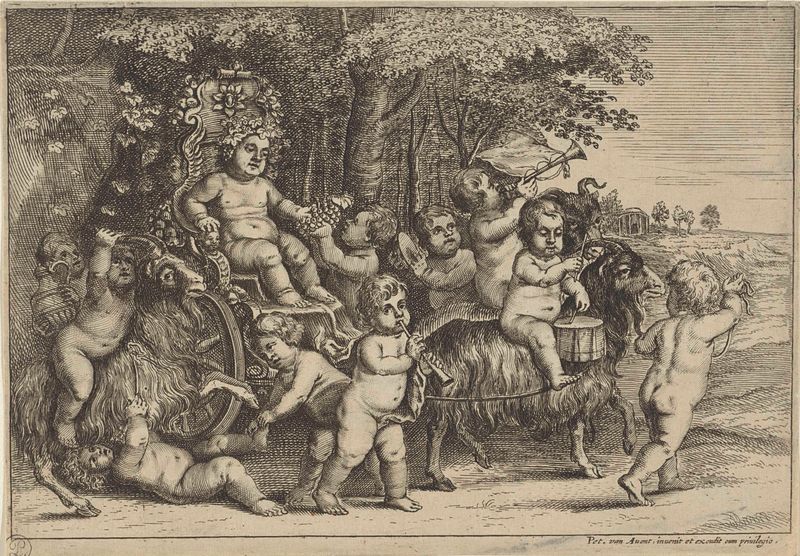
Optocht van bacchant en jongetjes op geiten
Wenceslaus Hollar
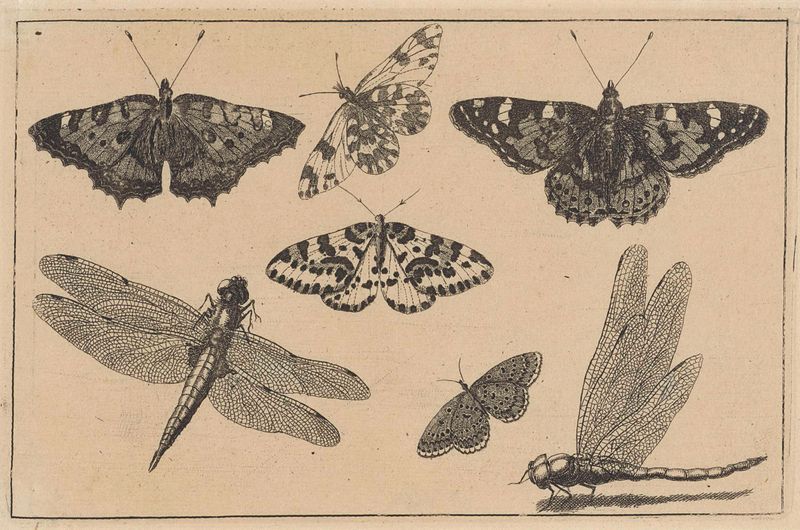
Twee libellen en vijf vlinders
Wenceslaus Hollar
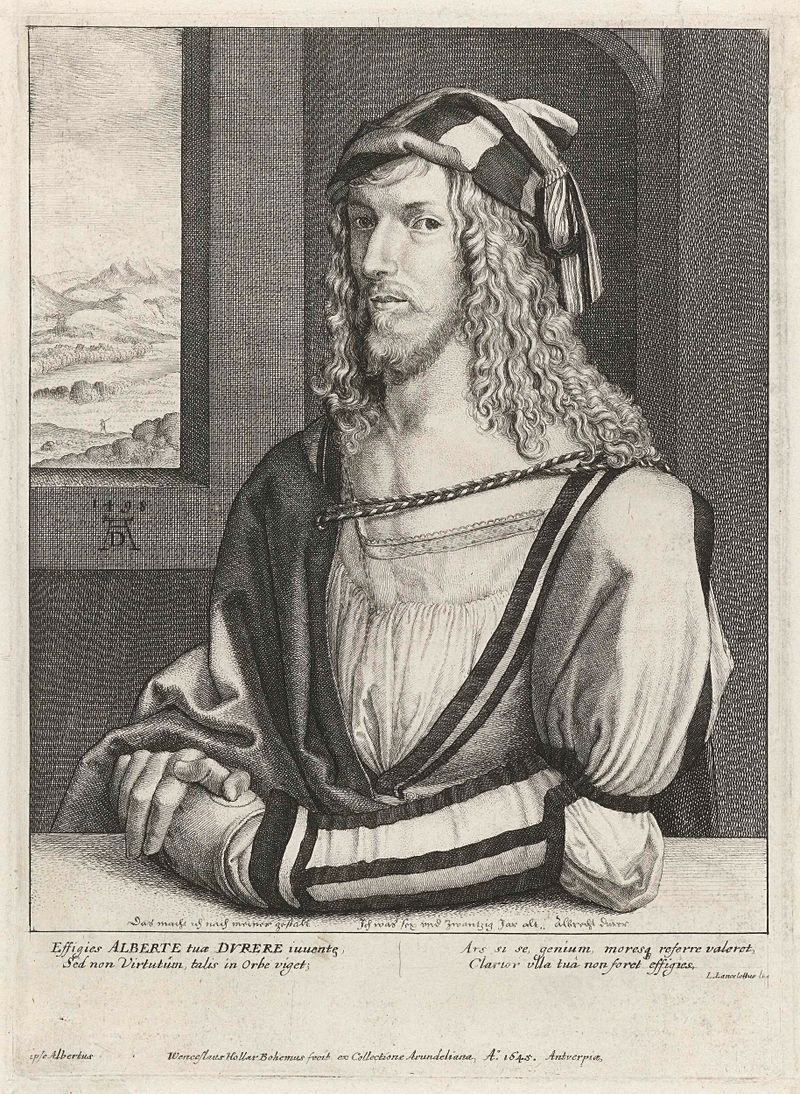
Portret van Albrecht Dürer
Wenceslaus Hollar
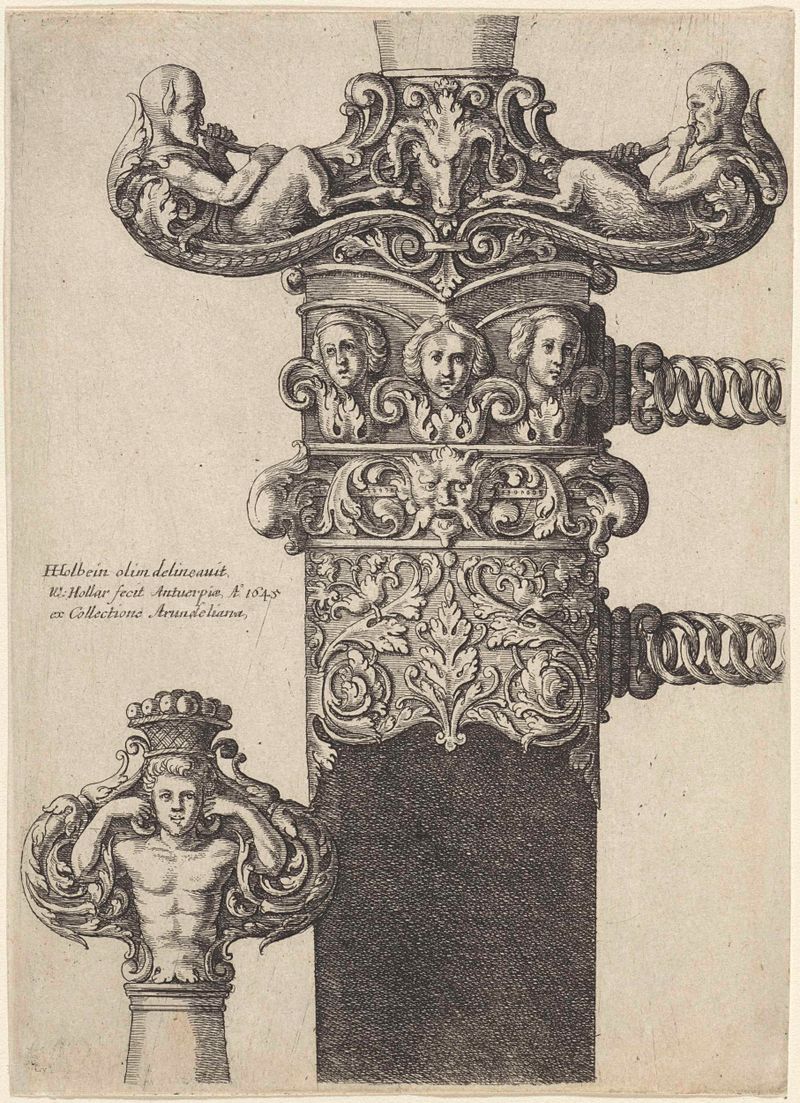
Ornamenteel ontwerp voor een dolk
Wenceslaus Hollar
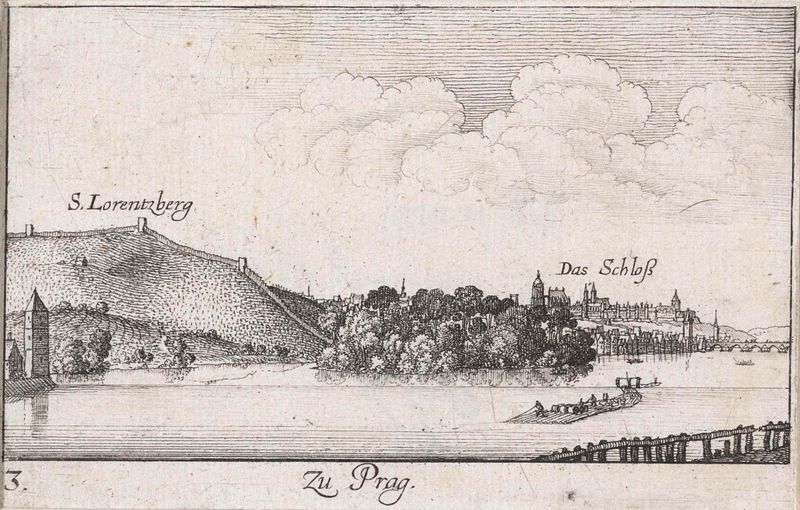
Gezicht op Praag vanaf de Moldau
Wenceslaus Hollar