
De kleine brug — History & Facts
Did the painter know this moment would outlive them? A quiet scene unfolds, echoing a sense of hope wrapped in nature’s embrace. Focus on the small bridge arching gracefully over a serene brook, its wooden structure melding with the landscape. Notice how the light dances across the water's surface, reflecting the soft hues of the sky. The lush greenery surrounding the scene invites the viewer to explore the delicate balance between manmade and natural elements, conveying a harmonious existence. As the eye traverses the canvas, it encounters subtle contrasts: the tranquil flow of water against the solidity of the bridge and the vibrant greens of the trees contrasted with the gentle blues of the sky.
This interplay evokes a sense of peace, yet the hint of a distant storm brewing suggests underlying tension. Each brushstroke is laden with the promise of renewal, urging the viewer to consider the hope that lies beyond tumultuous times. In the mid-17th century, Jacob Isaacksz van Ruisdael was at the forefront of Dutch landscape painting, working in Haarlem. During this period, the Netherlands was experiencing economic prosperity, yet the artist faced personal challenges, grappling with the complexities of his craft.
De kleine brug, created between 1650 and 1699, reflects both the serenity of the natural world and the artist's introspection—a timeless invitation to pause and reflect amidst the rush of life.
More Artworks by Jacob Isaacksz van Ruisdael
Browse all →
The Windmill at Wijk bij Duurstede
Jacob Isaacksz van Ruisdael

View of Haarlem from the Northwest, with the Bleaching Fields in the Foreground
Jacob Isaacksz van Ruisdael
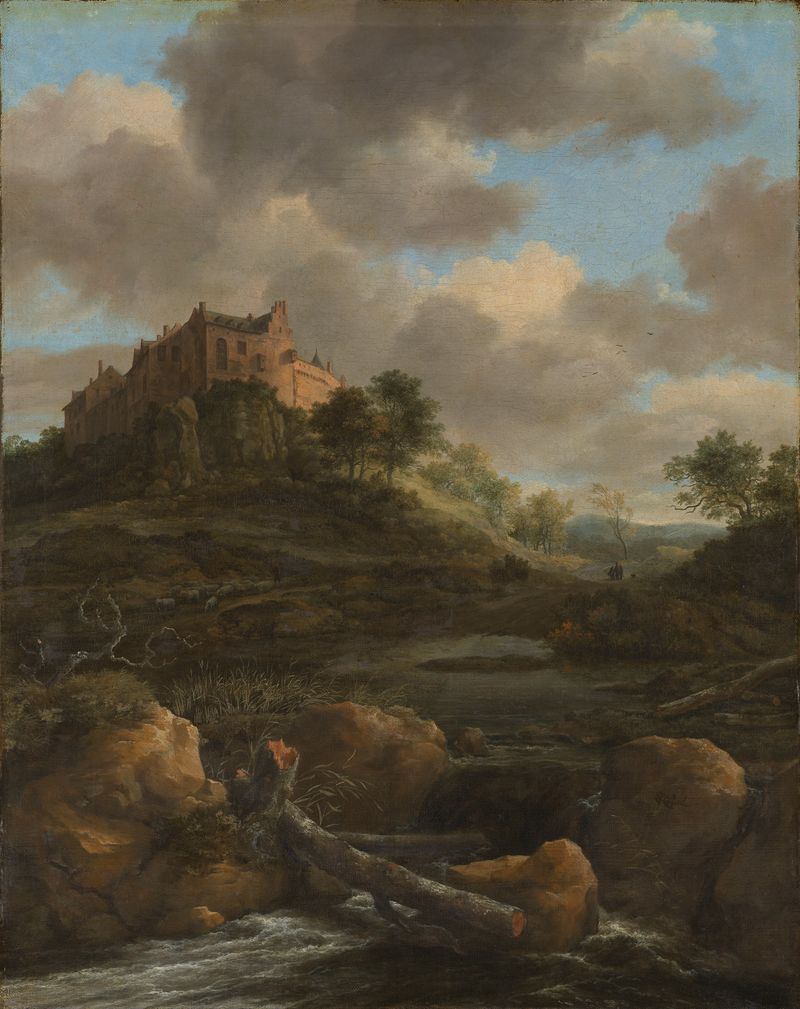
Bentheim Castle
Jacob Isaacksz van Ruisdael

Mountainous Landscape with Waterfall
Jacob Isaacksz van Ruisdael

De drie eiken
Jacob Isaacksz van Ruisdael

Wooded Landscape with a Pond
Jacob Isaacksz van Ruisdael
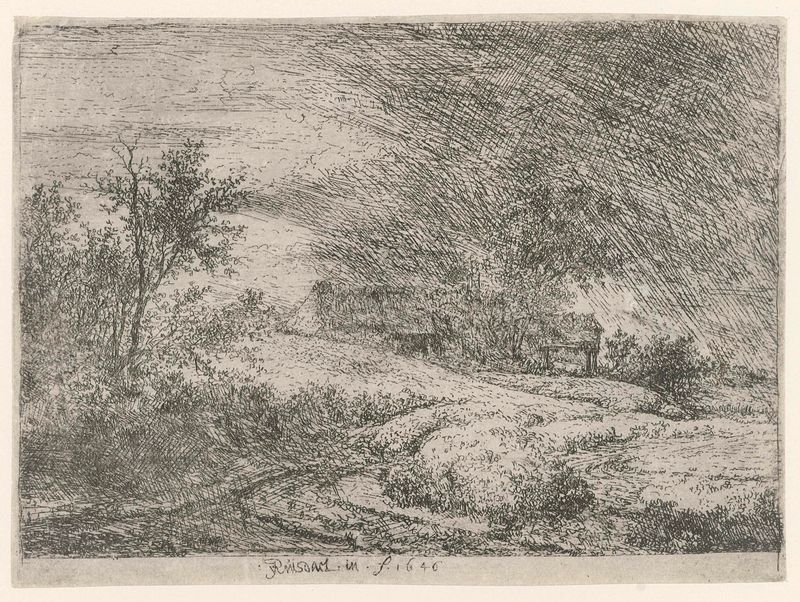
Landschap met een boerderij
Jacob Isaacksz van Ruisdael
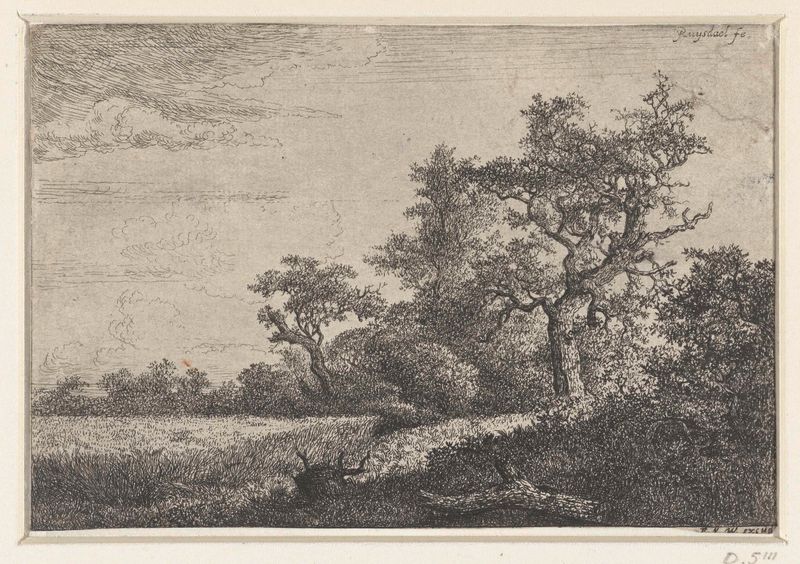
Het korenveld
Jacob Isaacksz van Ruisdael

De grote beuk
Jacob Isaacksz van Ruisdael

Landscape with Waterfall
Jacob Isaacksz van Ruisdael





