De koningin en de Dood — History & Facts
In De koningin en de Dood, Wenceslaus Hollar encapsulates the transcendent struggle between life and mortality with exquisite precision, inviting contemplation on the ephemeral nature of existence. Look to the center where the queen stands, her regal attire contrasting sharply against the somber figure of Death that looms beside her. The delicate lines and soft shading create a hauntingly intimate atmosphere, while the muted palette evokes a sense of timelessness. Notice how her gaze is both defiant and sorrowful, a tension captured through the intricate detailing of her expression and the gentle flow of her garments.
The composition masterfully balances the figures, drawing the eye toward their dynamic interaction. The juxtaposition of grandeur and decay permeates this piece. The queen, emblematic of life’s vibrancy, is juxtaposed against the skeletal figure of Death, reminding viewers of their inevitable fate. Hollar’s meticulous attention to detail in the textures of the fabrics and the skeletal form invites deeper contemplation on the fragility of power and the universality of death.
This emotional tension speaks to the interplay of dominance and surrender—an eternal dance between the sovereign and the end. Wenceslaus Hollar created this poignant work around 1680, during a time when the art world was shifting towards Baroque sensibilities. Living in London after fleeing the upheaval in Bohemia, Hollar found himself in a cultural milieu rich with themes of mortality and spirituality. As he navigated these currents, De koningin en de Dood emerged as a profound reflection on the human experience, encapsulating both the personal and the universal with haunting clarity.
More Artworks by Wenceslaus Hollar
Browse all →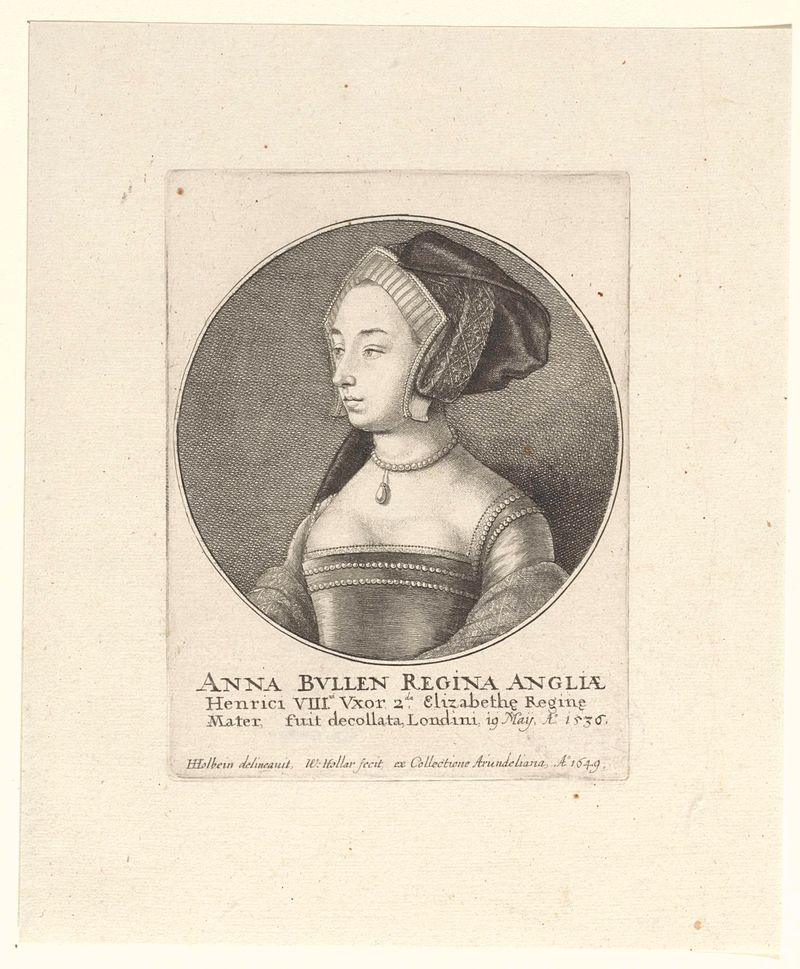
Portret van Anna Boleyn, koningin van Engeland
Wenceslaus Hollar
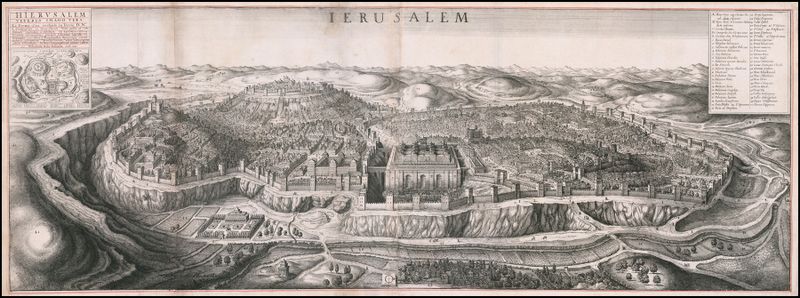
Bird’s eye view of Jerusalem
Wenceslaus Hollar
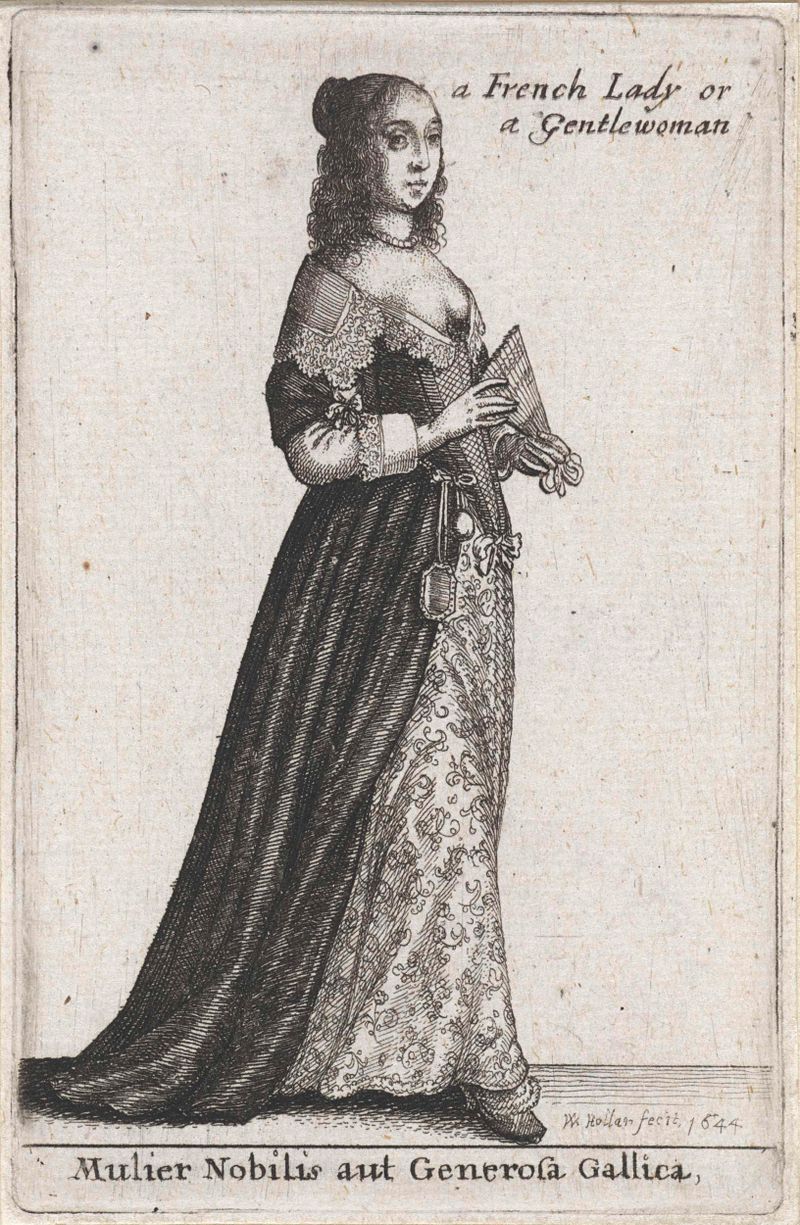
Mulier Nobilis aut Generosa Gallica / a French Lady or Gentlewoman
Wenceslaus Hollar
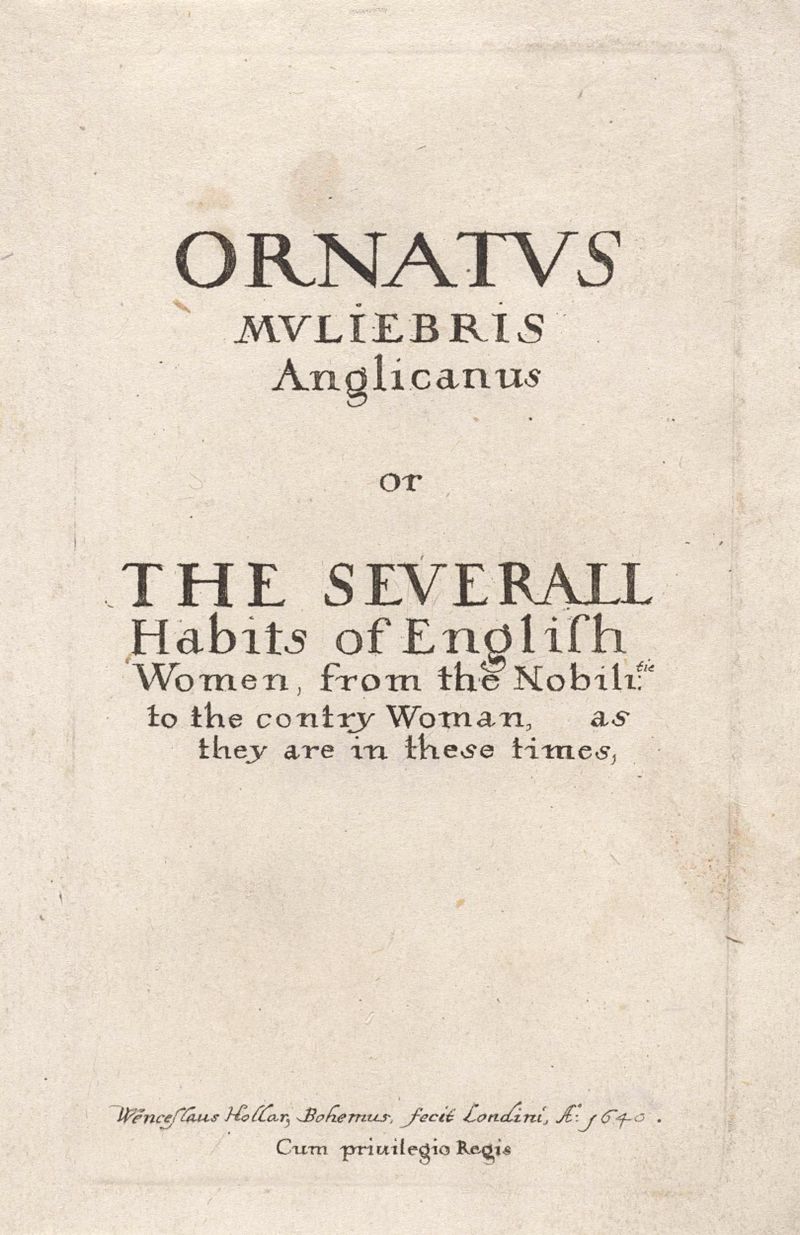
Titelprent voor: Ornatus Muliebris Anglicanus
Wenceslaus Hollar
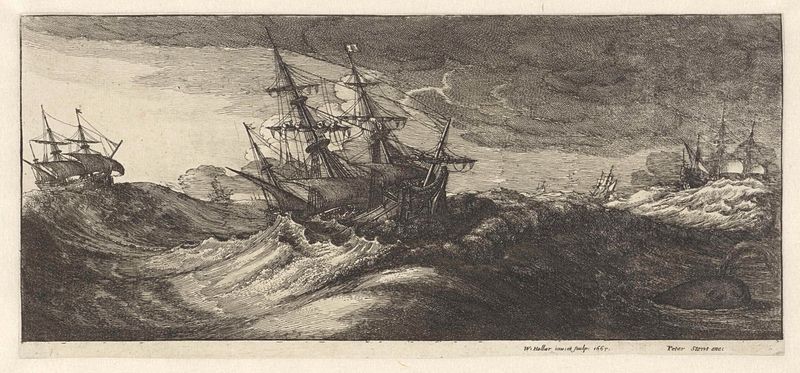
Oorlogsschepen en een walvis in een zeestorm
Wenceslaus Hollar
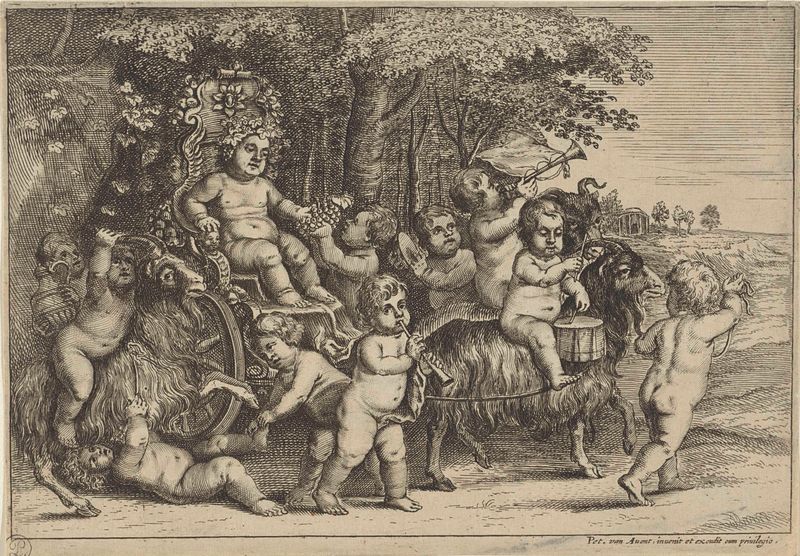
Optocht van bacchant en jongetjes op geiten
Wenceslaus Hollar
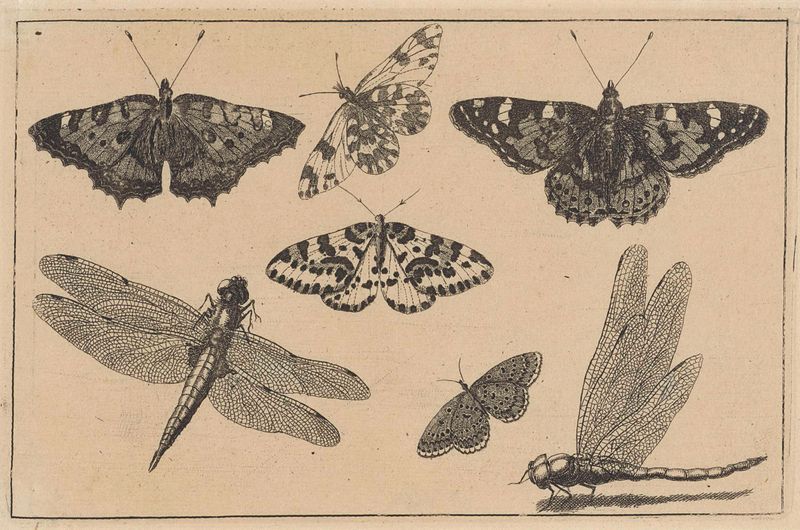
Twee libellen en vijf vlinders
Wenceslaus Hollar
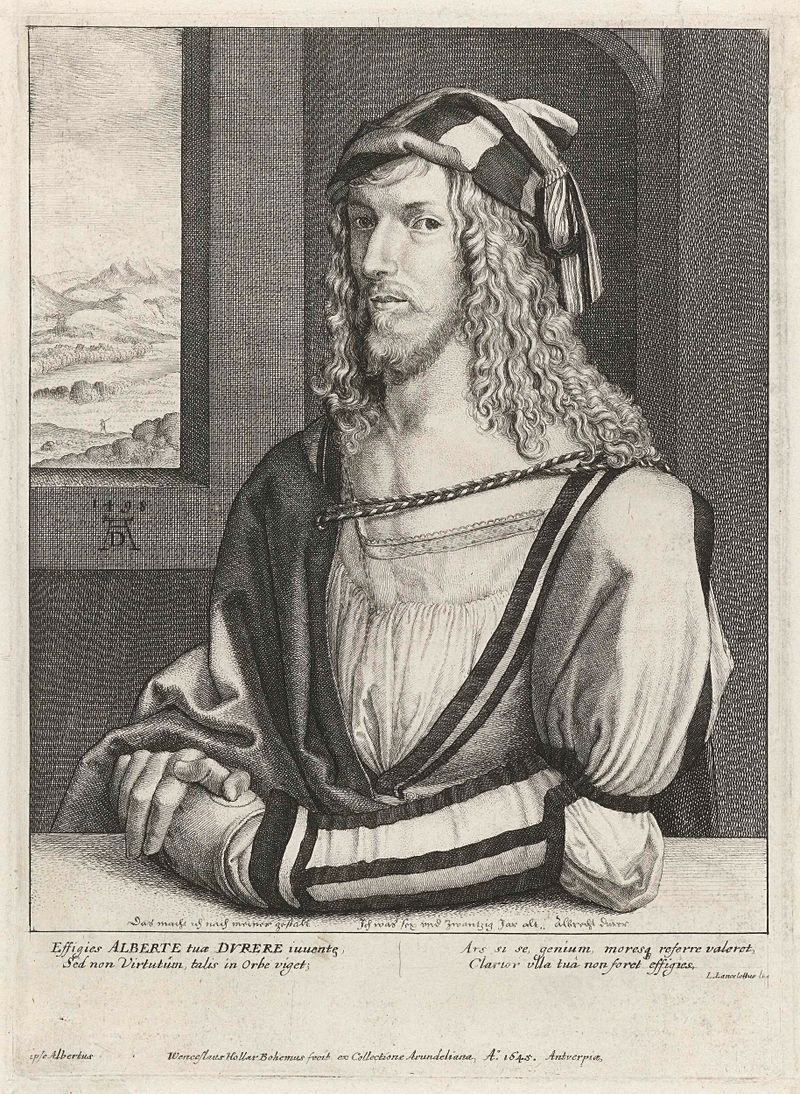
Portret van Albrecht Dürer
Wenceslaus Hollar
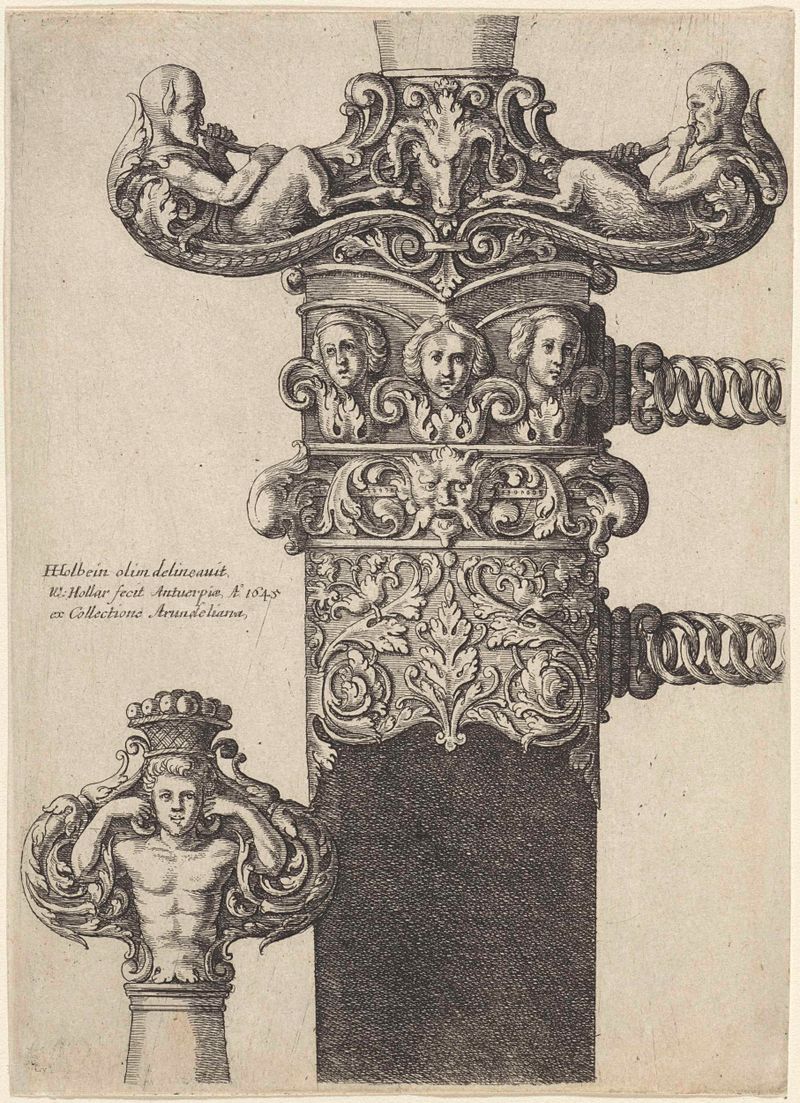
Ornamenteel ontwerp voor een dolk
Wenceslaus Hollar
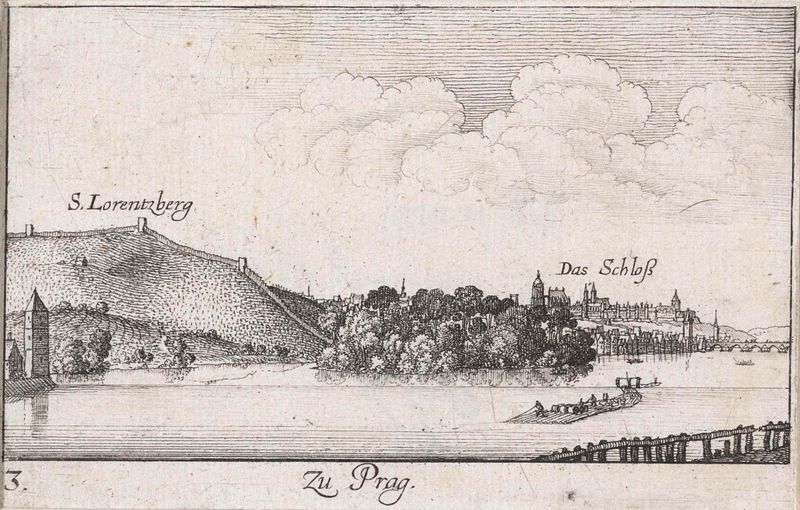
Gezicht op Praag vanaf de Moldau
Wenceslaus Hollar