
De koningin en de Dood — History & Facts
A single moment captured in time holds a mirror to the depths of human emotion and mortality, reflecting both the fragility and grandeur of life. Look to the left of the composition, where the solemn figure of the queen stands, her regal robes intricately detailed, flowing like whispers of history. The contrast of her opulent attire against the shadowy figure of Death looms on the right, both figures encased in a delicate balance of light and darkness. The artist’s meticulous line work and soft etchings create an ethereal quality, transforming the tumultuous into a serene yet haunting stillness. As you delve deeper, notice the subtle interplay between the queen's poised demeanor and the skeletal visage of Death.
A crown sits upon her brow, yet the tension of impending loss lingers in the air, as if the weight of her title cannot shield her from the inevitability of demise. The contrasting textures of her fabric and the bone-like features of Death communicate a powerful dichotomy—life intertwined with the constant presence of mortality, inviting viewers to reflect on their own existence. Wenceslaus Hollar created this poignant work in 1651 while residing in England, after having fled the turmoil of the Thirty Years' War in his native Bohemia. This period marked a significant moment in art history, with the rise of still-life and allegorical themes.
Hollar's etching not only showcases his technical skill but also encapsulates the human struggle with death, a theme that resonated deeply in the artistic discourse of his time.
More Artworks by Wenceslaus Hollar
Browse all →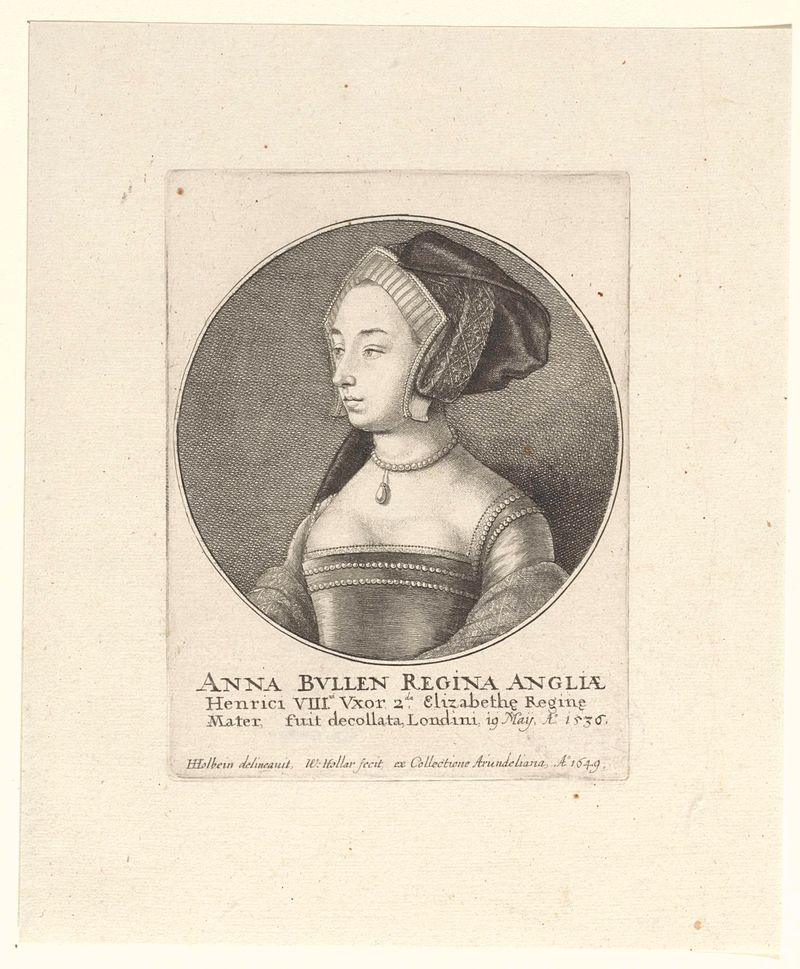
Portret van Anna Boleyn, koningin van Engeland
Wenceslaus Hollar
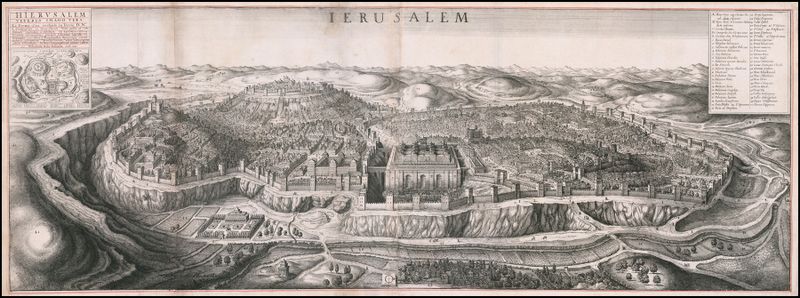
Bird’s eye view of Jerusalem
Wenceslaus Hollar
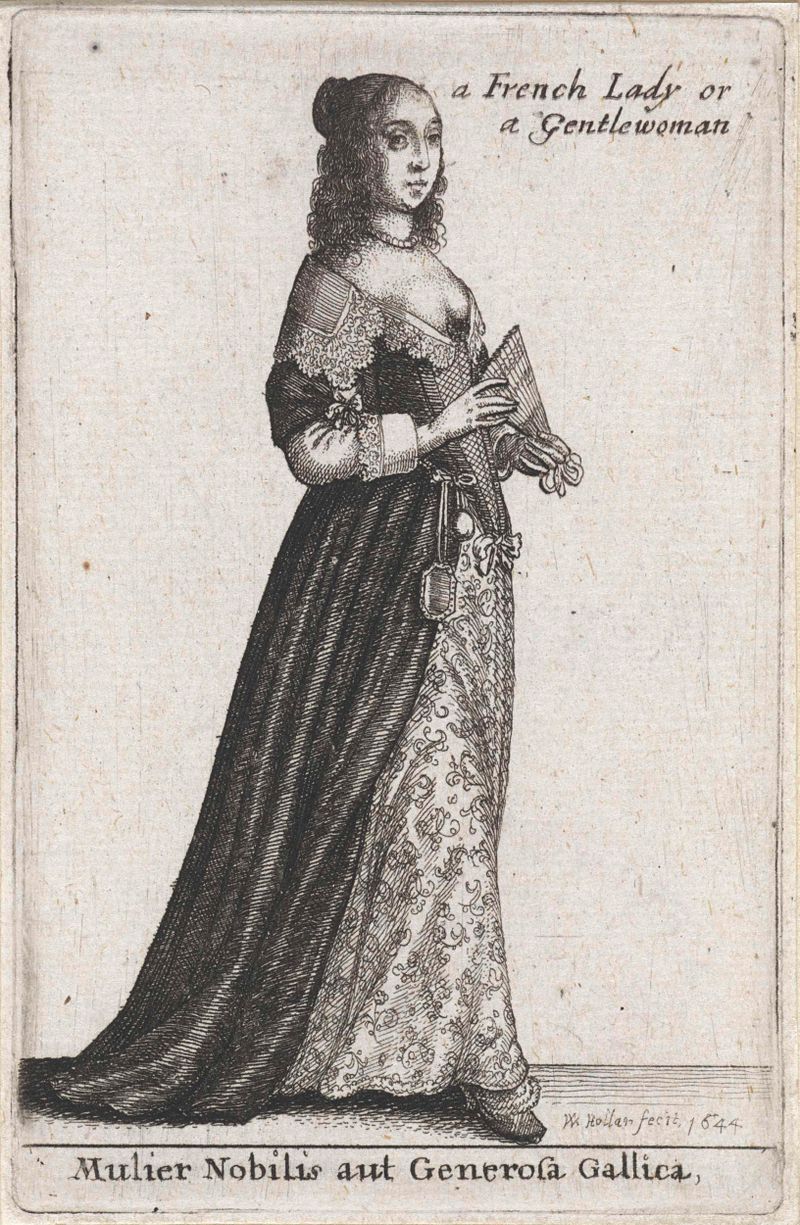
Mulier Nobilis aut Generosa Gallica / a French Lady or Gentlewoman
Wenceslaus Hollar
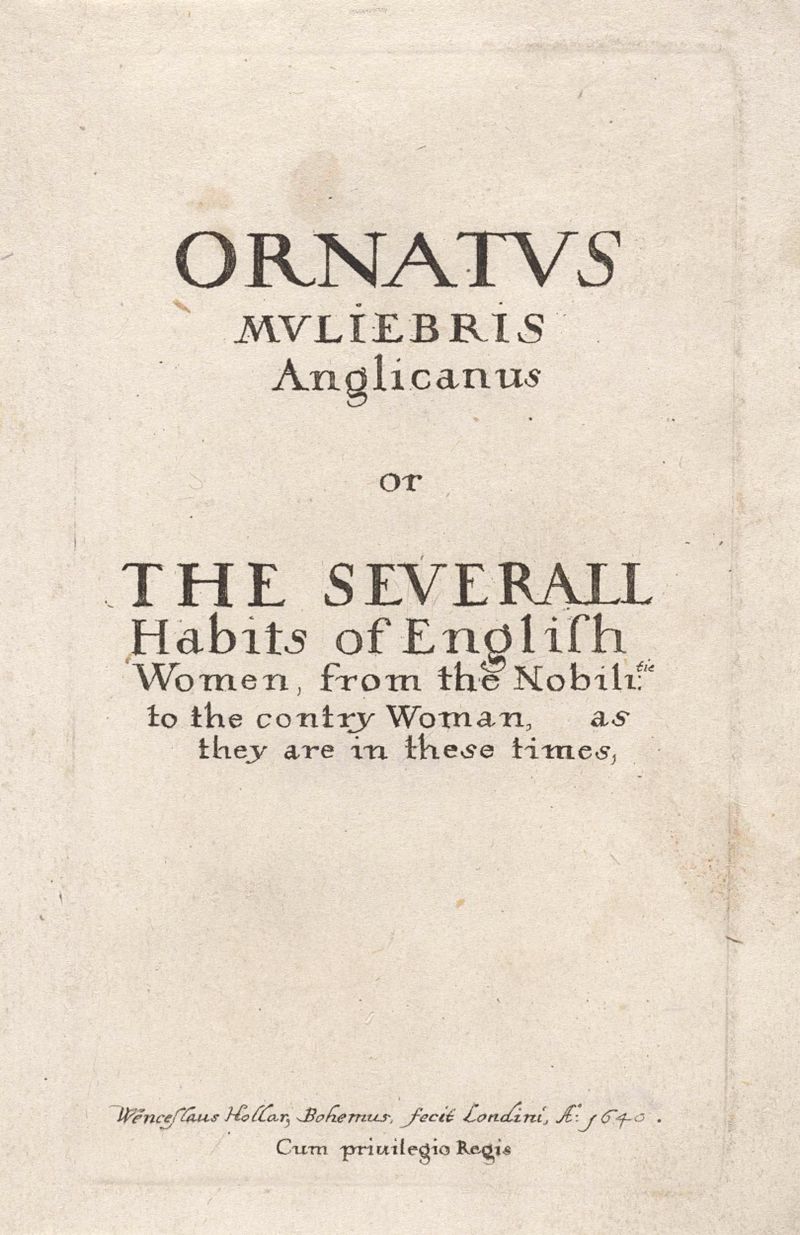
Titelprent voor: Ornatus Muliebris Anglicanus
Wenceslaus Hollar
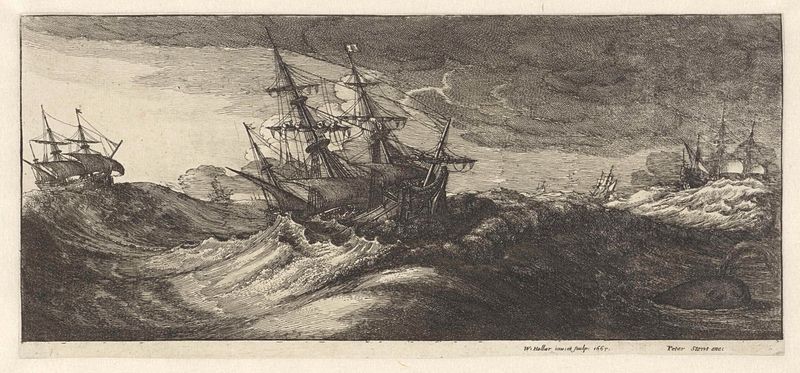
Oorlogsschepen en een walvis in een zeestorm
Wenceslaus Hollar
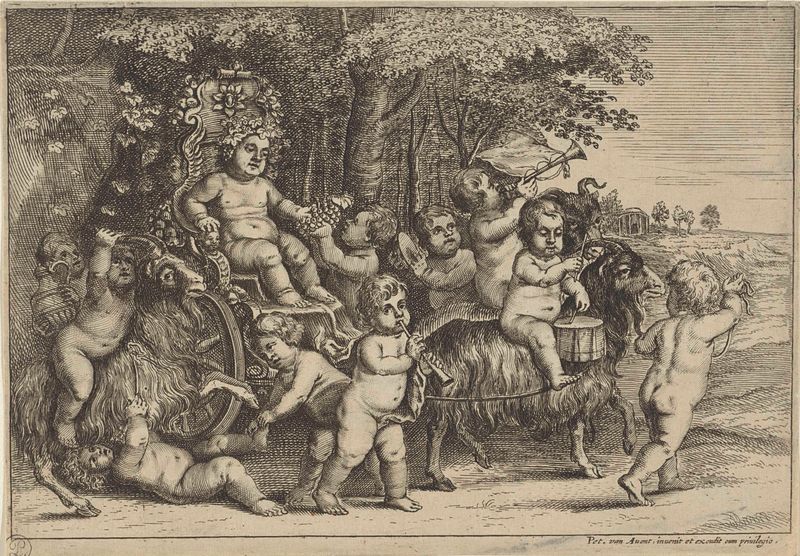
Optocht van bacchant en jongetjes op geiten
Wenceslaus Hollar
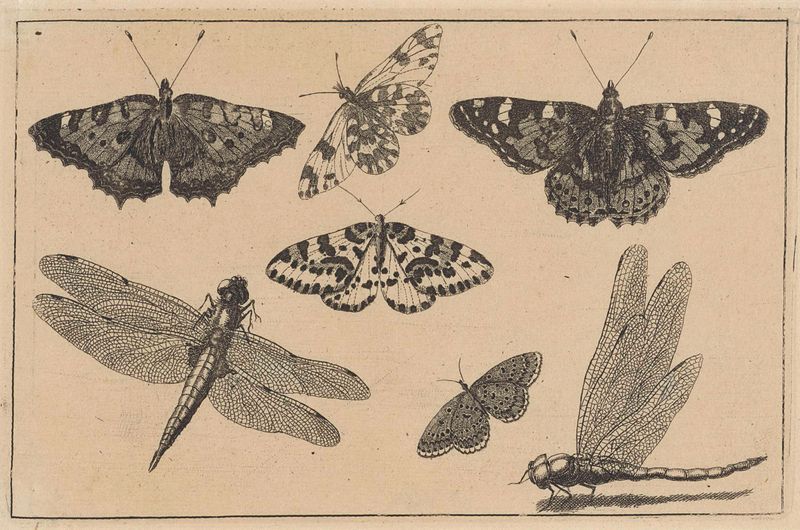
Twee libellen en vijf vlinders
Wenceslaus Hollar
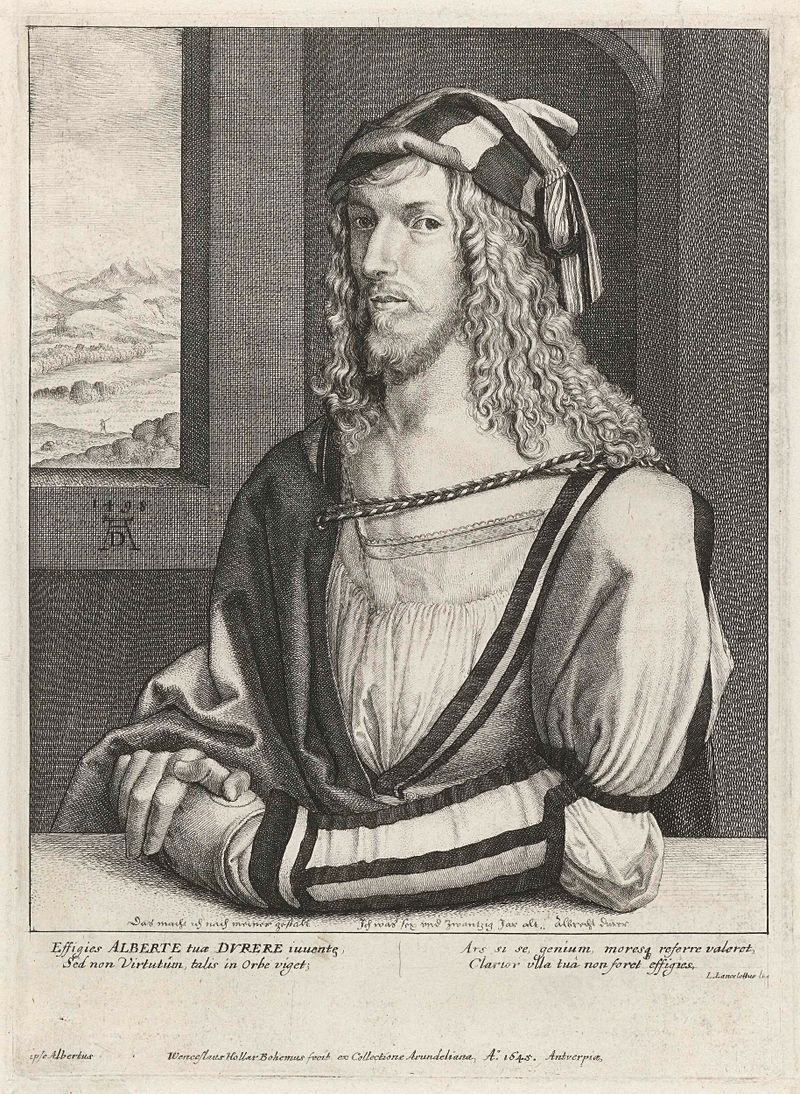
Portret van Albrecht Dürer
Wenceslaus Hollar
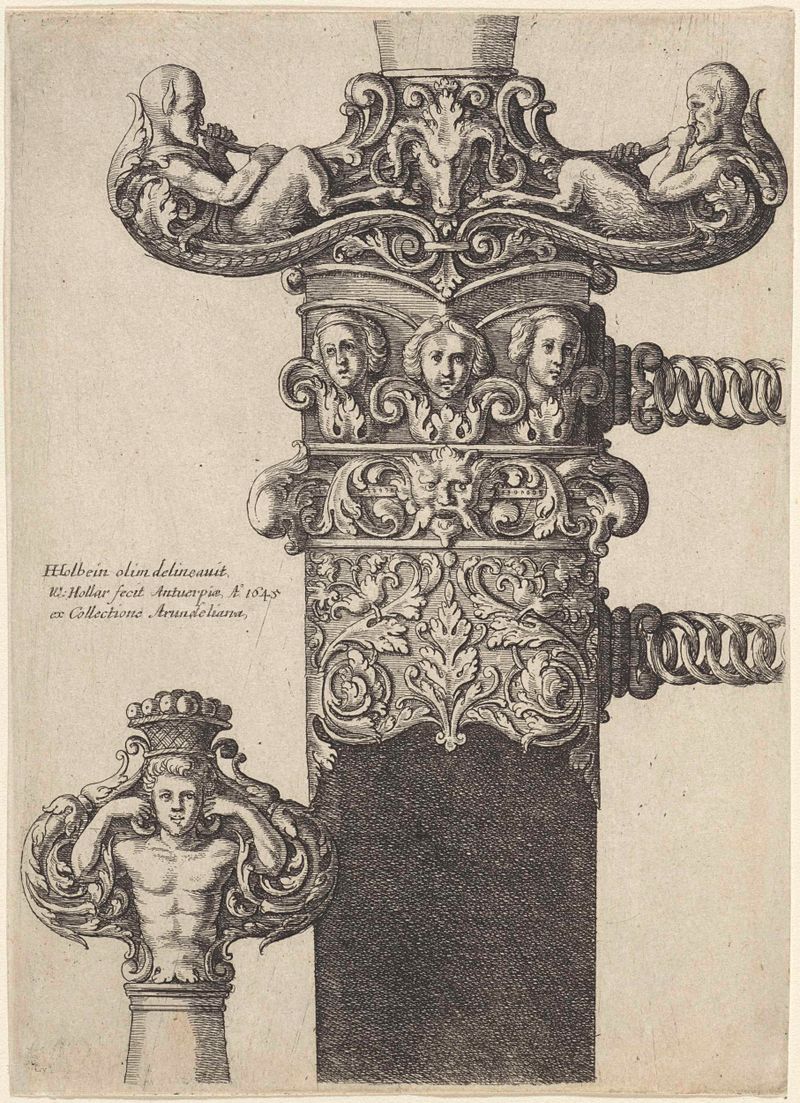
Ornamenteel ontwerp voor een dolk
Wenceslaus Hollar
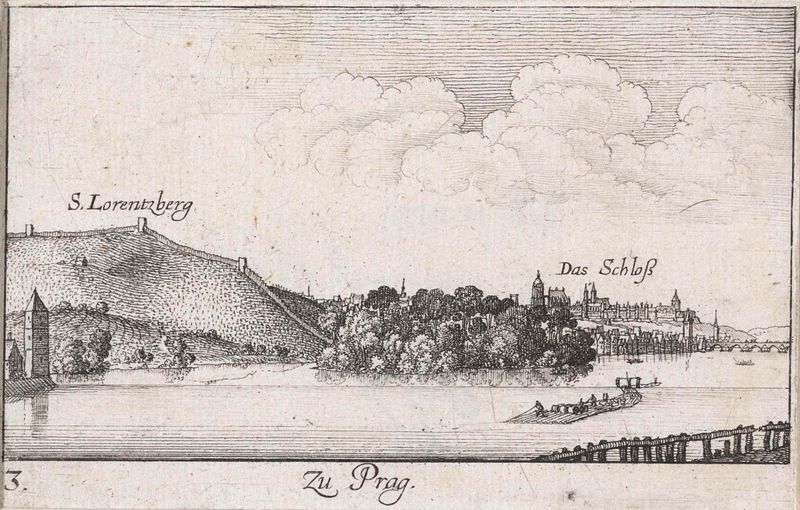
Gezicht op Praag vanaf de Moldau
Wenceslaus Hollar
More Historical Art
Browse all →
The Night Watch Militia Company of District II under the Command of Captain Frans Banninck Cocq
Rembrandt van Rijn
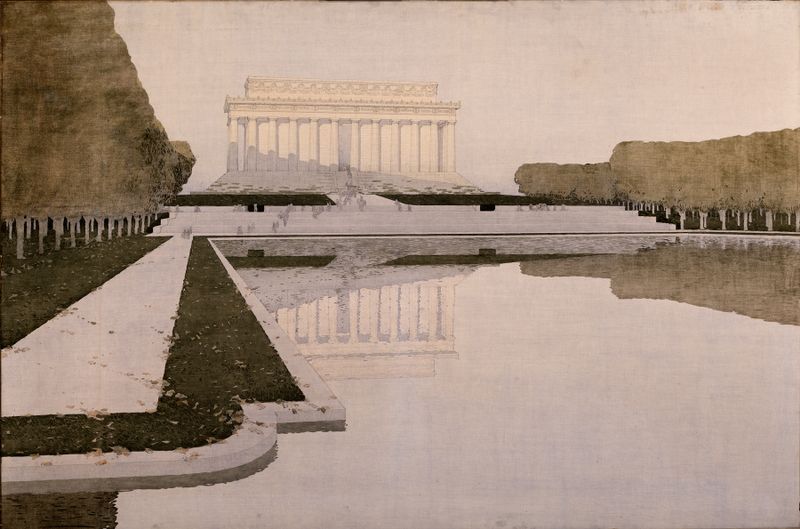
Lincoln Memorial
Henry Bacon
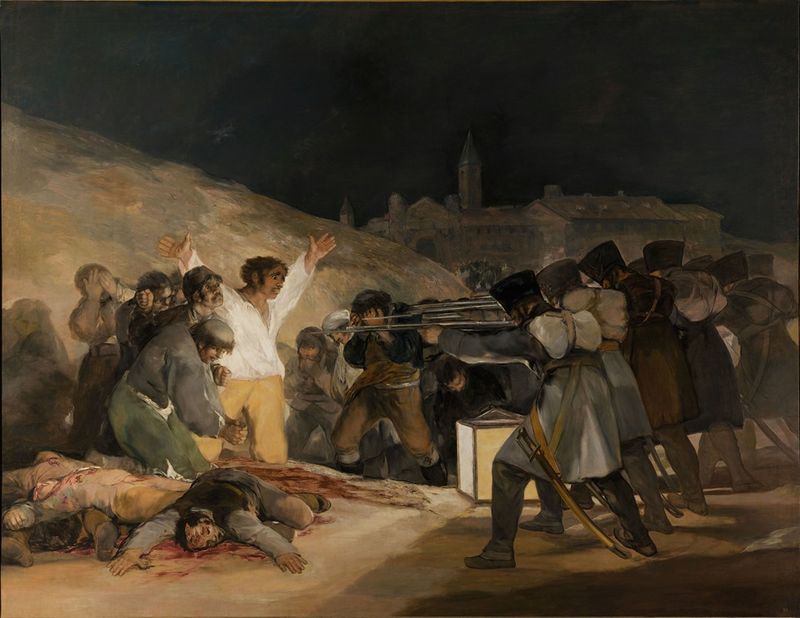
The Third of May 1808
Francisco de Goya

Isaac and Rebecca, Known as ‘The Jewish Bride’
Rembrandt van Rijn
The Charge of the Mamelukes (1814)
Francisco de Goya

De vier ruiters van de apocalyps
Albrecht Dürer